
Lamentation over the Dead Christ — History & Facts
When Raphael painted Lamentation over the Dead Christ in 1503, he was barely twenty years old and still living in his native Urbino, yet already his work was being noticed by the powerful Montefeltro family. What makes this painting particularly fascinating is that it stands at the crossroads of two great traditions: the Umbrian style of Perugino, Raphael’s teacher, and the new emotional realism emerging from Florence. No signed contract or letter survives to tell us who first commissioned the work, and its original location remains uncertain, fueling ongoing debate among art historians.
The painting’s early date makes it one of Raphael’s first major religious compositions, a glimpse of genius in formation. The scene captures the aftermath of the Crucifixion: Christ’s lifeless body lies across the laps and arms of his followers, just after being lowered from the cross. Mary Magdalene clasps his feet, her face twisted in grief, while the Virgin Mary, overcome by sorrow, collapses backward, supported by the other women. The figures are arranged in a tight, almost sculptural group, their gestures echoing real human loss—Magdalene’s hands, for instance, mirror the desperation seen in Mantegna’s earlier Lamentation over the Dead Christ, but Raphael softens the agony with tender, interlocking gazes.
The landscape behind them, serene and distant, stands in stark contrast to the raw emotion in the foreground, hinting at hope beyond tragedy. Little is known for certain about the painting’s early journey, and its medium—whether oil or tempera—remains a subject of scholarly debate. What is clear is that Lamentation over the Dead Christ marks a turning point in Raphael’s career, as he began to synthesize influences from both Umbria and Florence, paving the way for his later masterpieces in Rome. Today, the work is often cited as a key example of early High Renaissance experimentation with composition and feeling, even as its exact provenance and original context continue to puzzle researchers.
Its survival allows us to witness Raphael’s first steps toward the harmony and grace that would soon define his art.
More Artworks by Raphael

Madonna of the Goldfinch
Raphael

Madonna with the Fish
Raphael
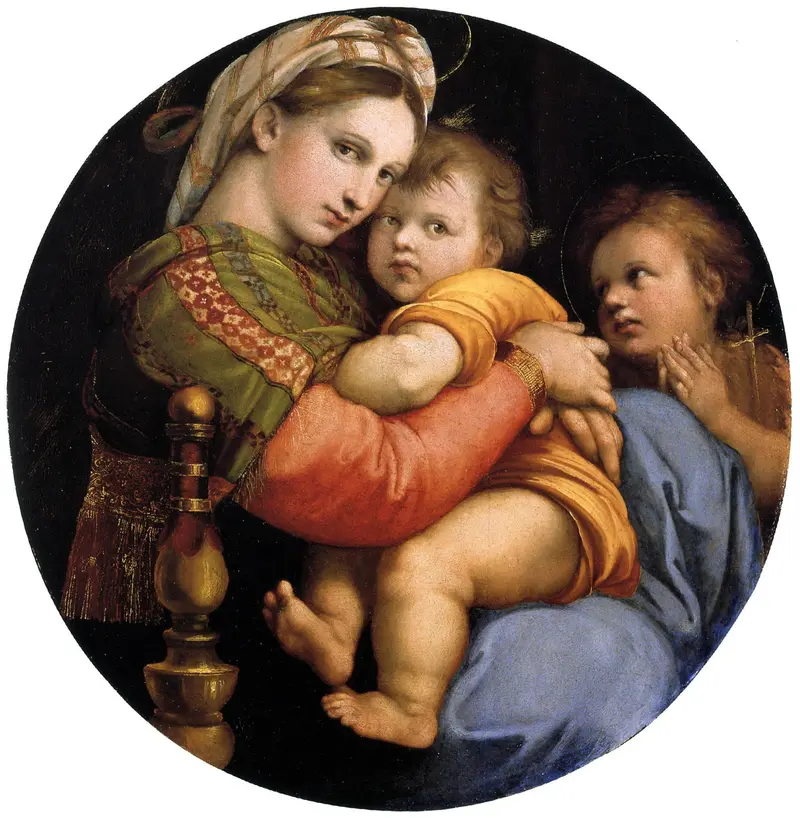
Madonna and Child (Madonna della Seggiola)
Raphael
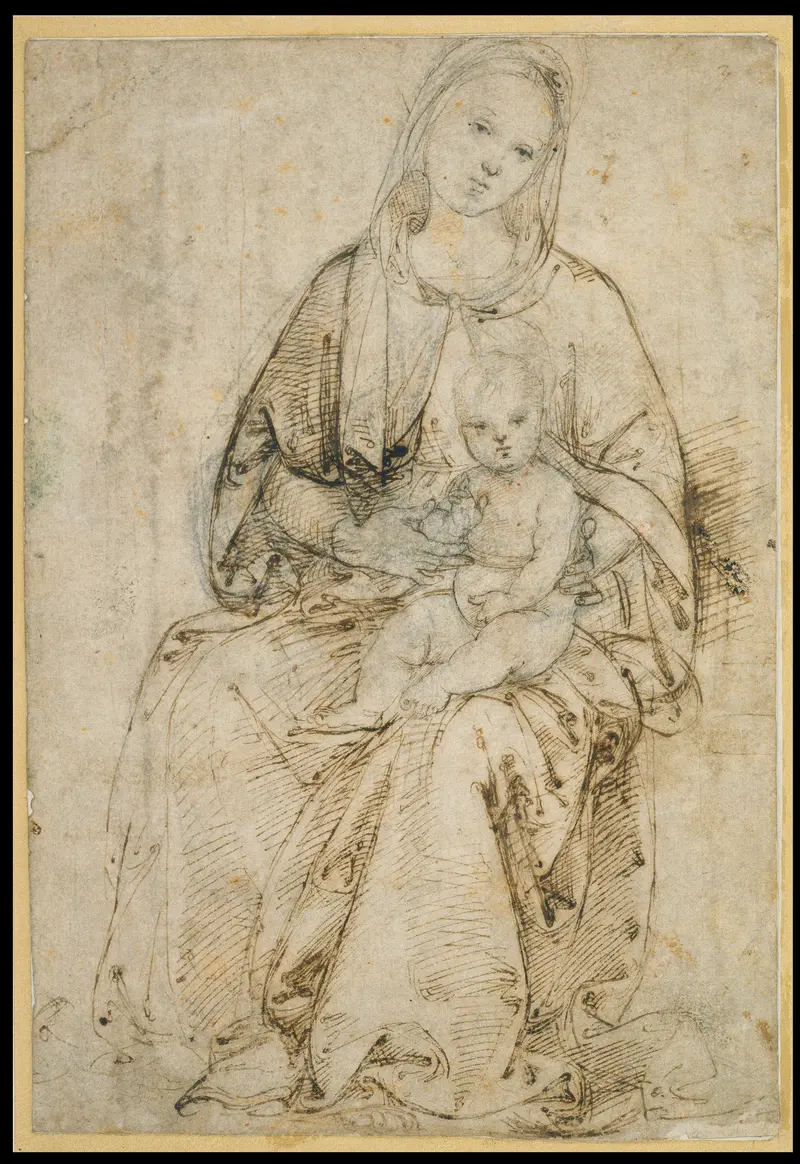
Seated Madonna and Child
Raphael
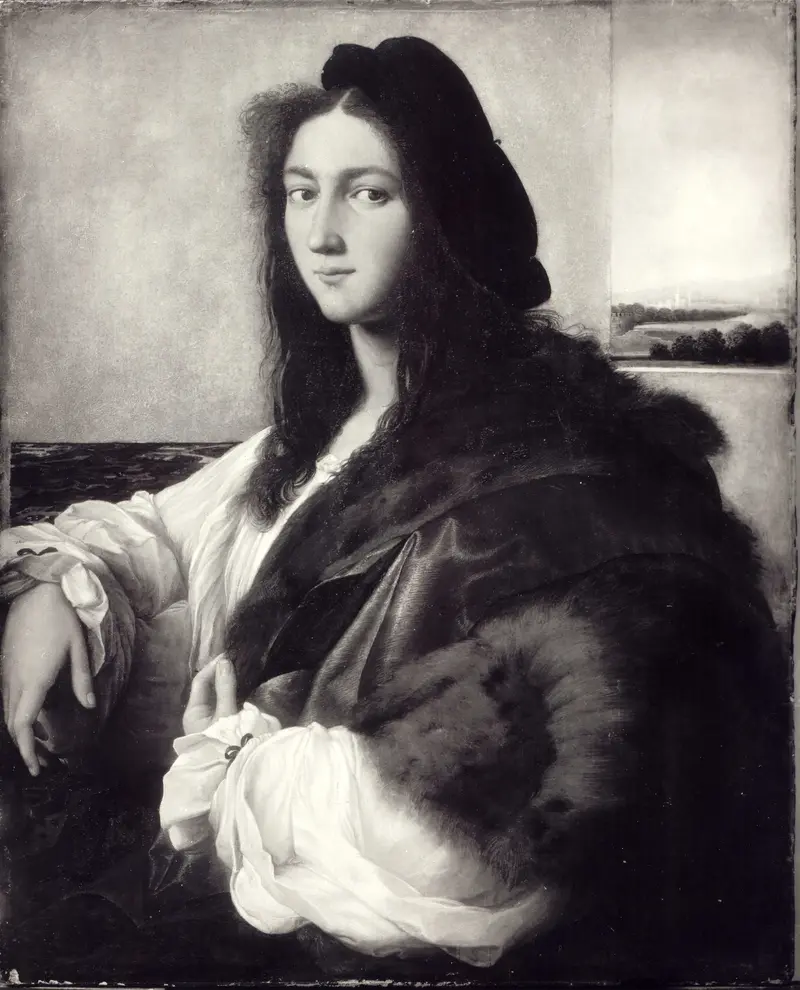
Portrait of a Young Man
Raphael
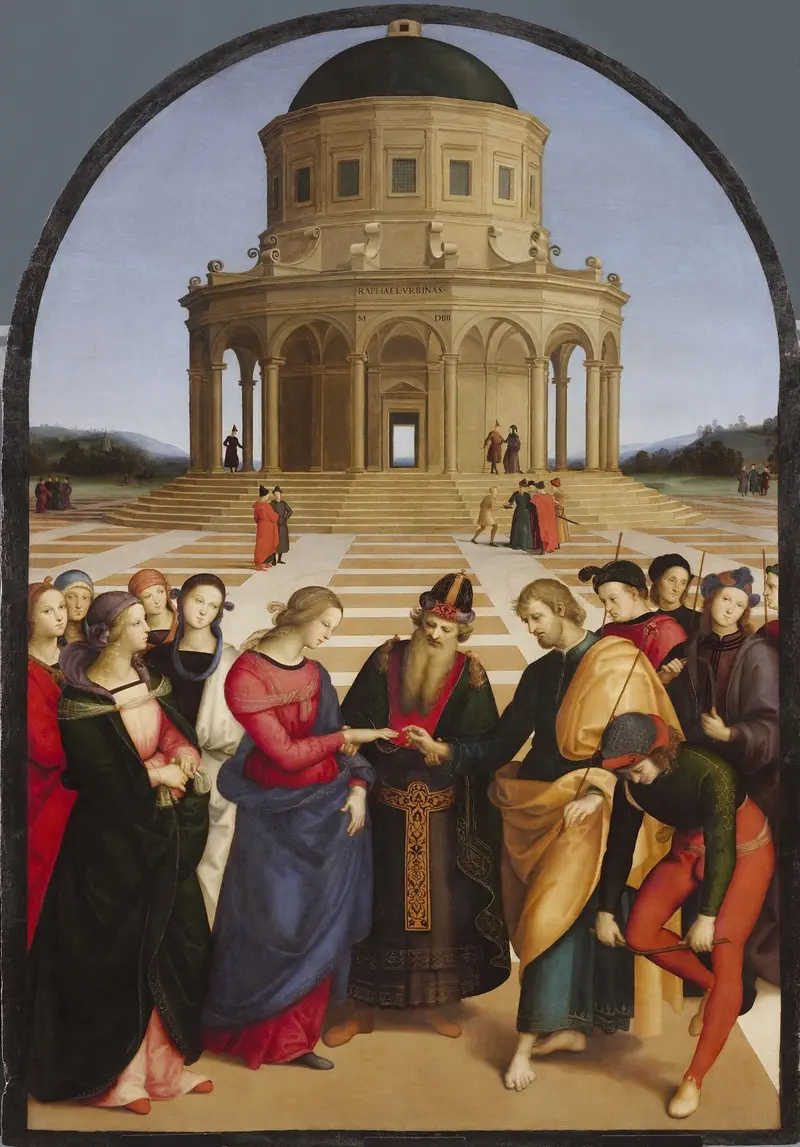
The Marriage of the Virgin
Raphael
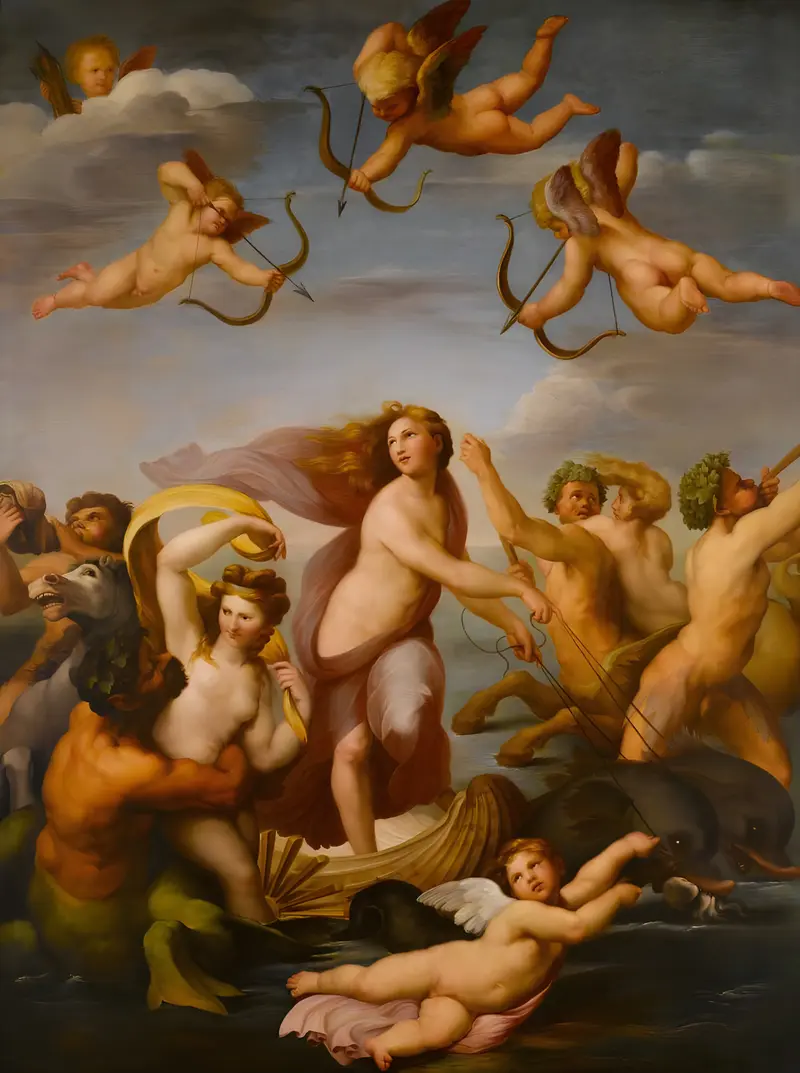
The Triumph of Galatea (copy after Raphael)
Raphael
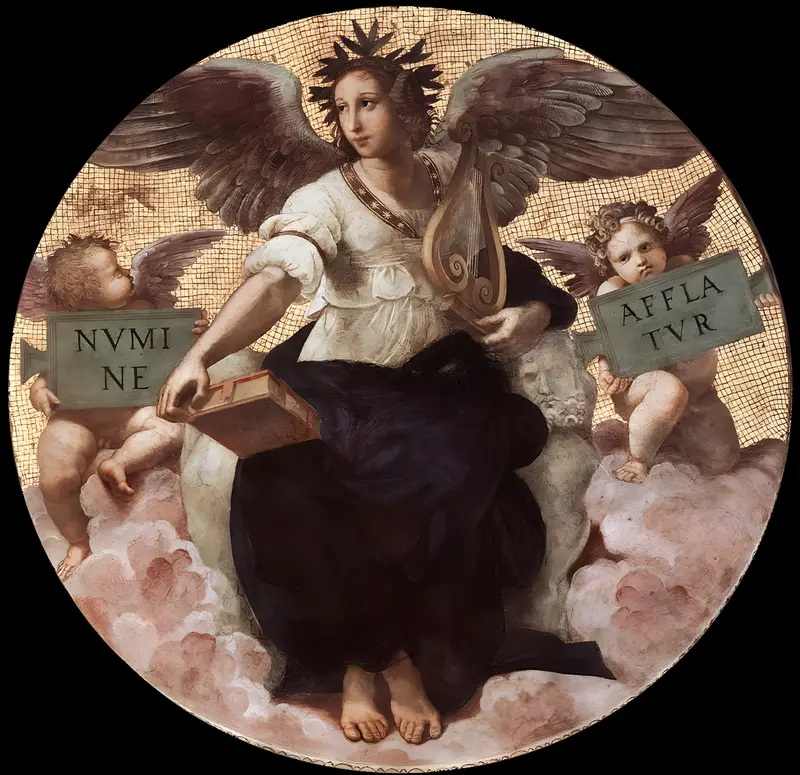
Poetry
Raphael
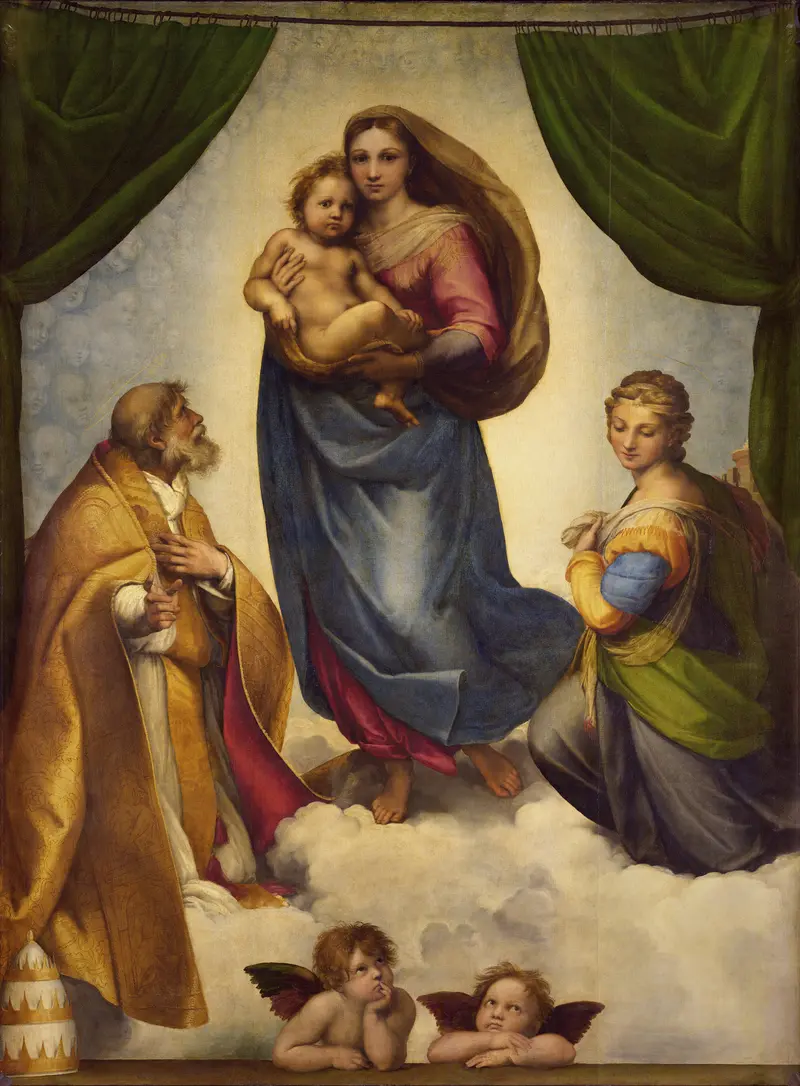
Sistine Madonna
Raphael
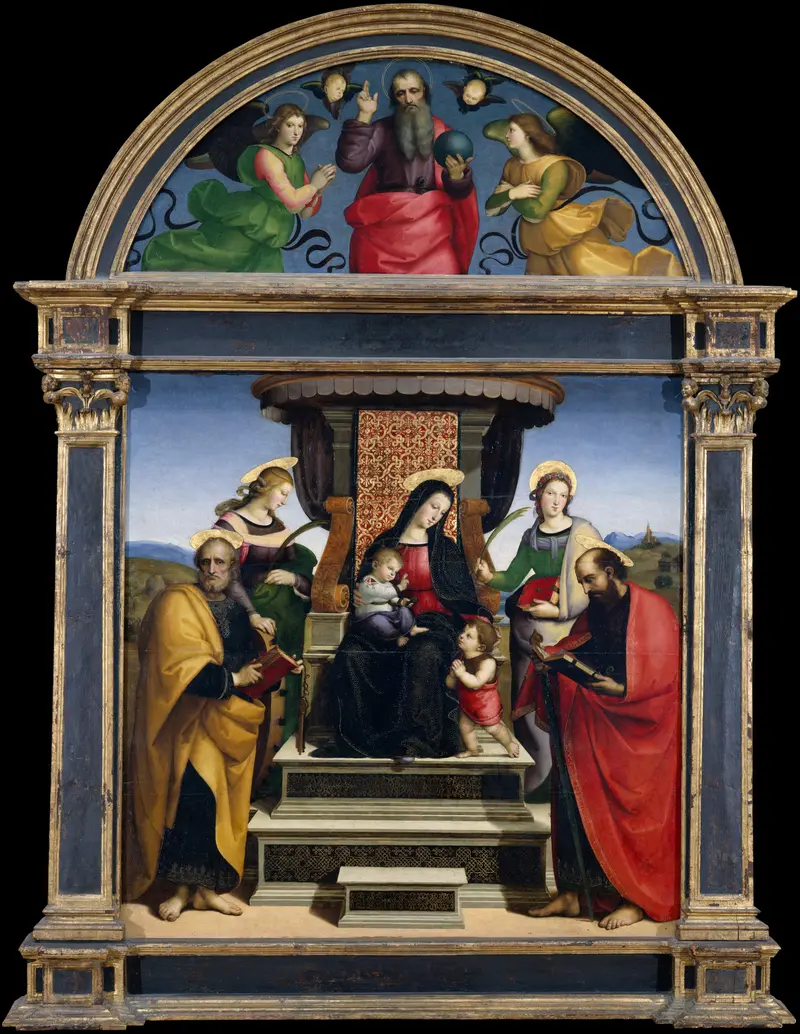
Madonna and Child Enthroned with Saints
Raphael




