
Landing in England — History & Facts
What secret hides in the quiet of the canvas? In Landing in England, the delicate interplay between movement and stillness invites viewers to ponder the unseen narratives of arrival and transition. Look to the left, where shadows coalesce around a group of figures preparing to disembark from their vessel. The subtle gradation of blues and greys in the sky contrasts sharply with the warm earth tones of the ship, drawing the eye towards the bustling scene below. Notice the meticulous detail in the figures' clothing, their postures imbued with both anticipation and hesitance, enhancing the composition’s sense of balance between movement and repose.
Buhot’s careful attention to the play of light creates a luminous quality, as if capturing the very breath of the moment. Beneath the surface, this painting reveals emotional tensions surrounding arrival—the promise of new beginnings intertwined with the weight of uncertainty. The juxtaposition of the joyous anticipation in the figures’ gestures against the muted backdrop evokes a complex emotional landscape, hinting at the anxieties lurking just beyond the visible frame. The composition captures a fleeting moment where hopes and fears coexist, suggesting that every transition is layered with unseen stories. Félix Hilaire Buhot painted Landing in England in 1879, a time when he was deeply engaged with capturing the nuances of everyday life in his native France and beyond.
During this period, the artist’s exploration of printmaking and color would lead him to experiment with new techniques, reflecting the evolving art world. As industrialization reshaped landscapes and lives, Buhot's work resonated with the spirit of transformation, capturing not only physical journeys but the emotional landscapes of those who undertake them.
More Artworks by Félix Hilaire Buhot
Browse all →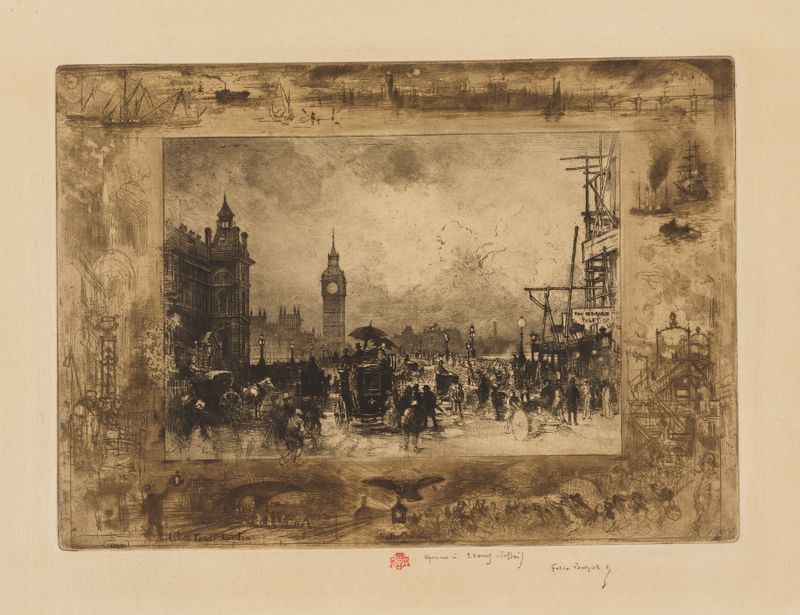
Westminster Bridge, or Westminster Clock Tower
Félix Hilaire Buhot
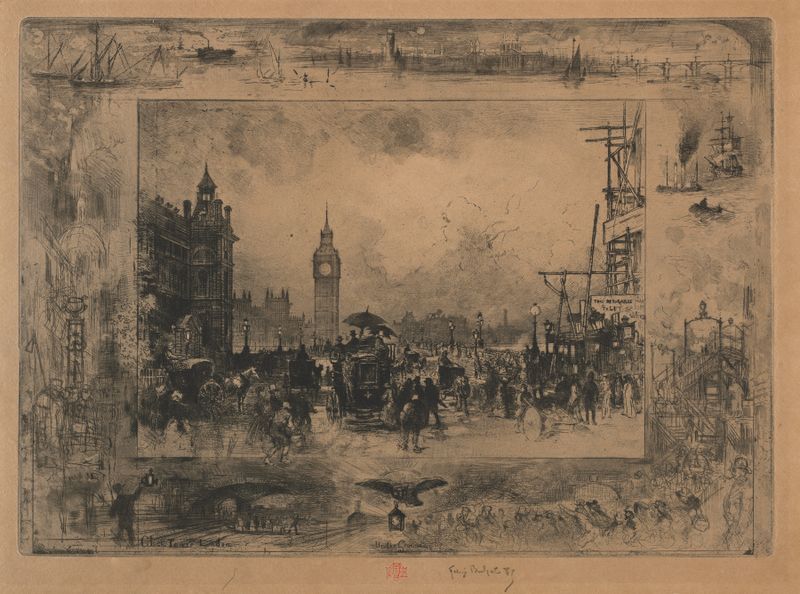
Westminster Bridge, or Westminster Tower
Félix Hilaire Buhot
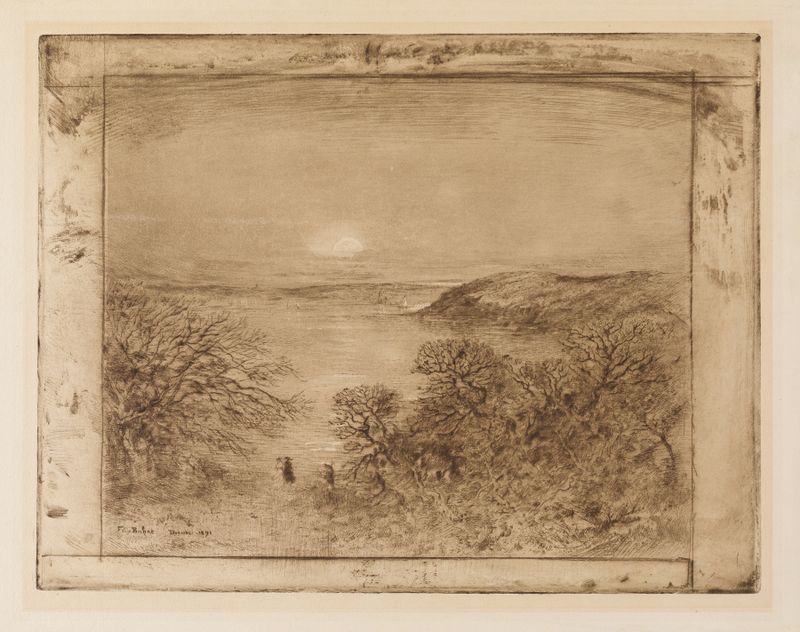
Moonrise at Dinard
Félix Hilaire Buhot
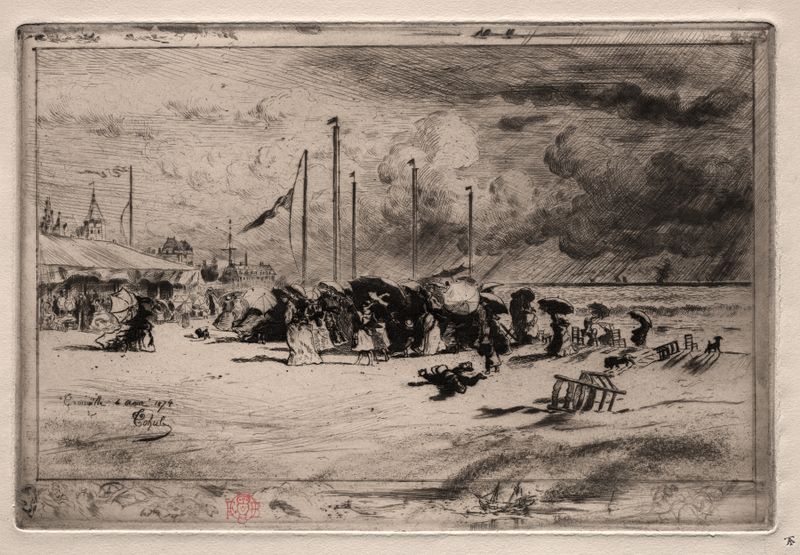
A Squall at Trouville
Félix Hilaire Buhot
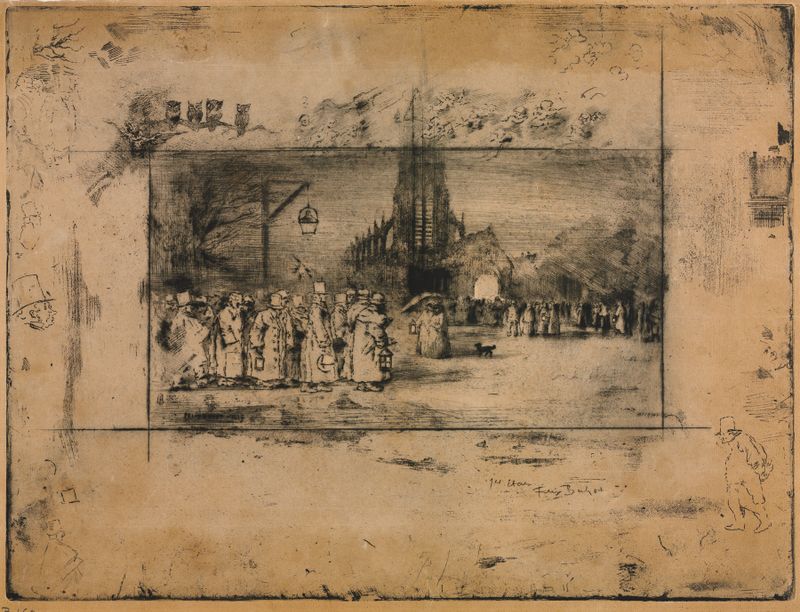
The Midnight Mass
Félix Hilaire Buhot
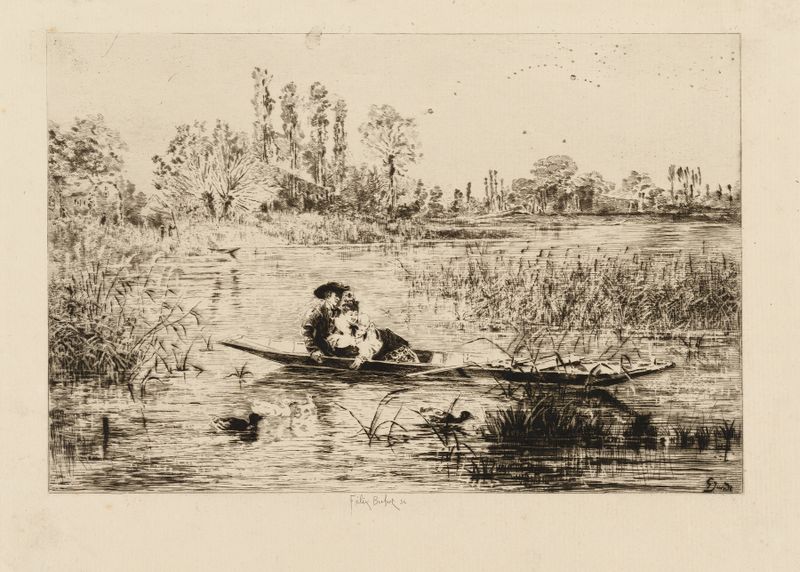
On the Thread of the Water
Félix Hilaire Buhot
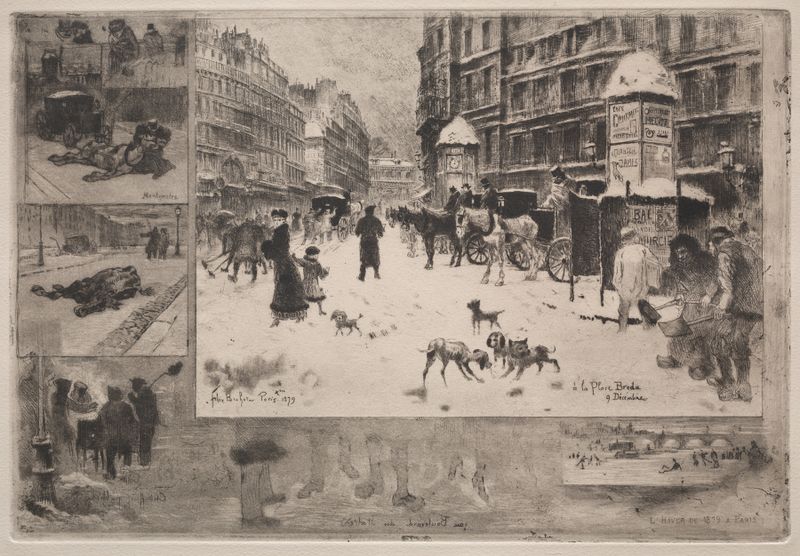
Winter in Paris
Félix Hilaire Buhot
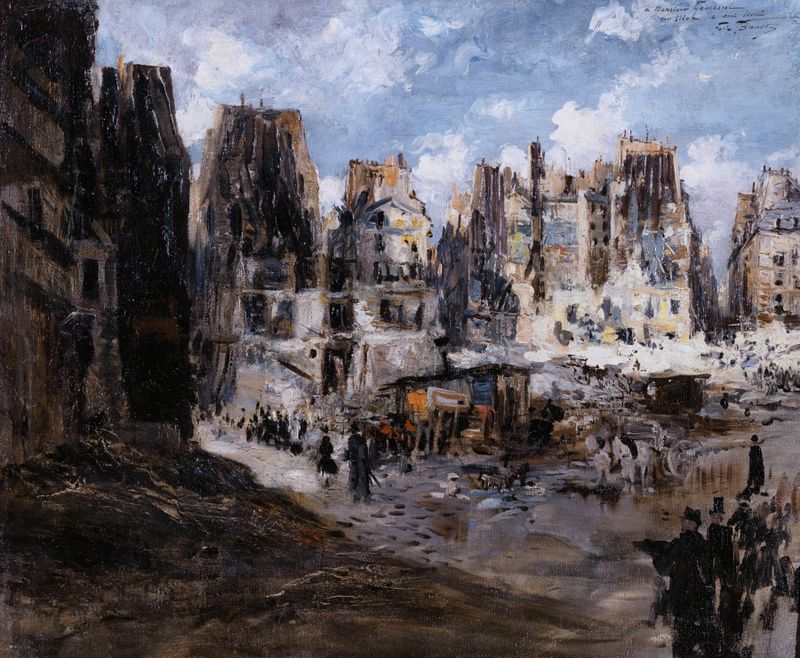
Le percement de l’avenue de l’Opéra.
Félix Hilaire Buhot
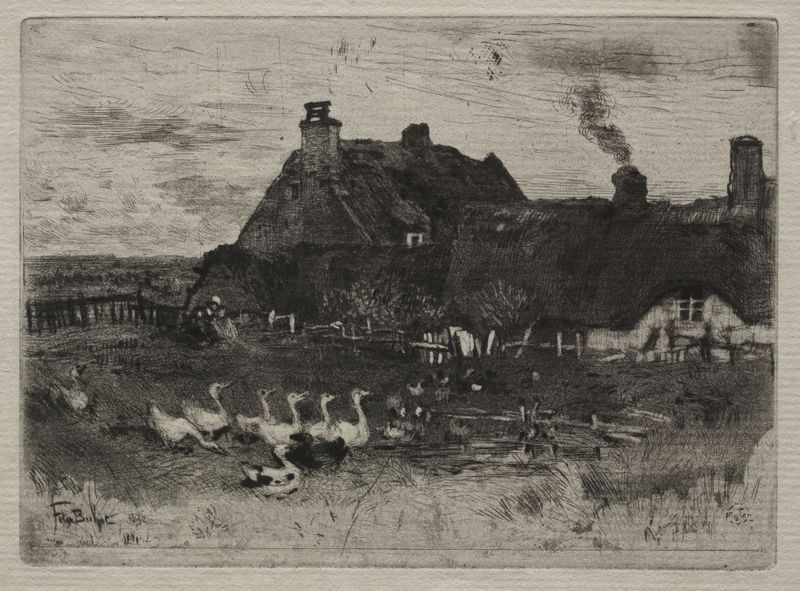
Thatched Cottages
Félix Hilaire Buhot
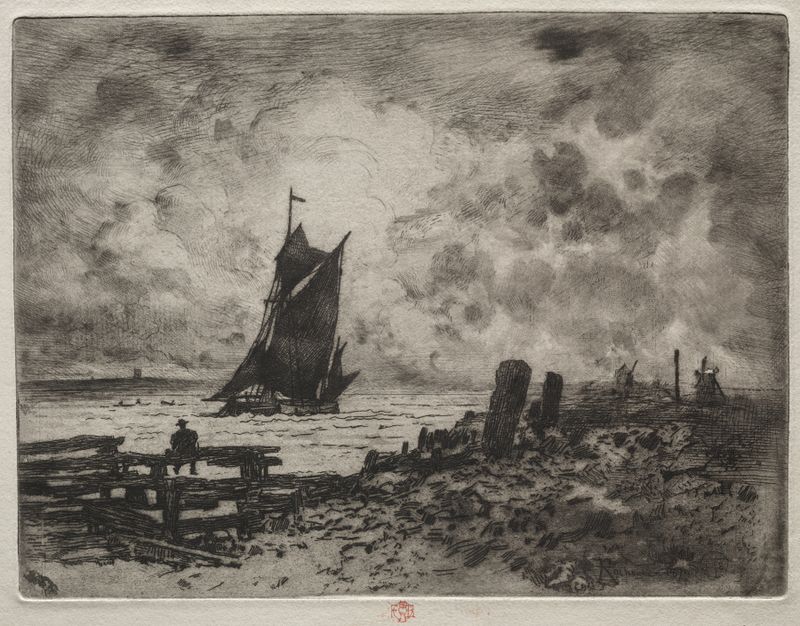
The Little Marine; Souvenir of Medway
Félix Hilaire Buhot





