
Landscape — History & Facts
In the quietude of a landscape, unspoken narratives linger in the air, inviting introspection and evoking a profound sense of loss. Look to the horizon where soft greens and muted blues weave together, creating a serene expanse that stretches infinitely. The gentle brushstrokes evoke a delicate balance between reality and dream, while the light filters through the trees, casting dappled shadows that dance across the ground. Notice how the composition draws your gaze toward a distant, almost melancholic sunset, hinting at something beautiful yet fleeting. The subtle contrast between vibrant foliage and shadowy recesses speaks to life's complexities—joy intertwined with sorrow.
The ethereal quality of the light conveys a sense of nostalgia, suggesting the remnants of memories that haunt the landscape. Each tree stands as a silent witness, bearing witness to the passage of time and the weight of unvoiced emotions that reside within the scene. In 1850, Narcisse-Virgile Diaz de La Peña created this work amidst a burgeoning movement towards Impressionism, striving to capture the fleeting effects of light and atmosphere. As he painted in the thriving artistic milieu of Barbizon, he found himself influenced by nature's raw beauty, reflecting a personal journey of exploration and expression, as well as a deep connection to the landscapes that surrounded him.
More Artworks by Narcisse-Virgile Diaz de La Peña
Browse all →
Forest Scene
Narcisse-Virgile Diaz de La Peña
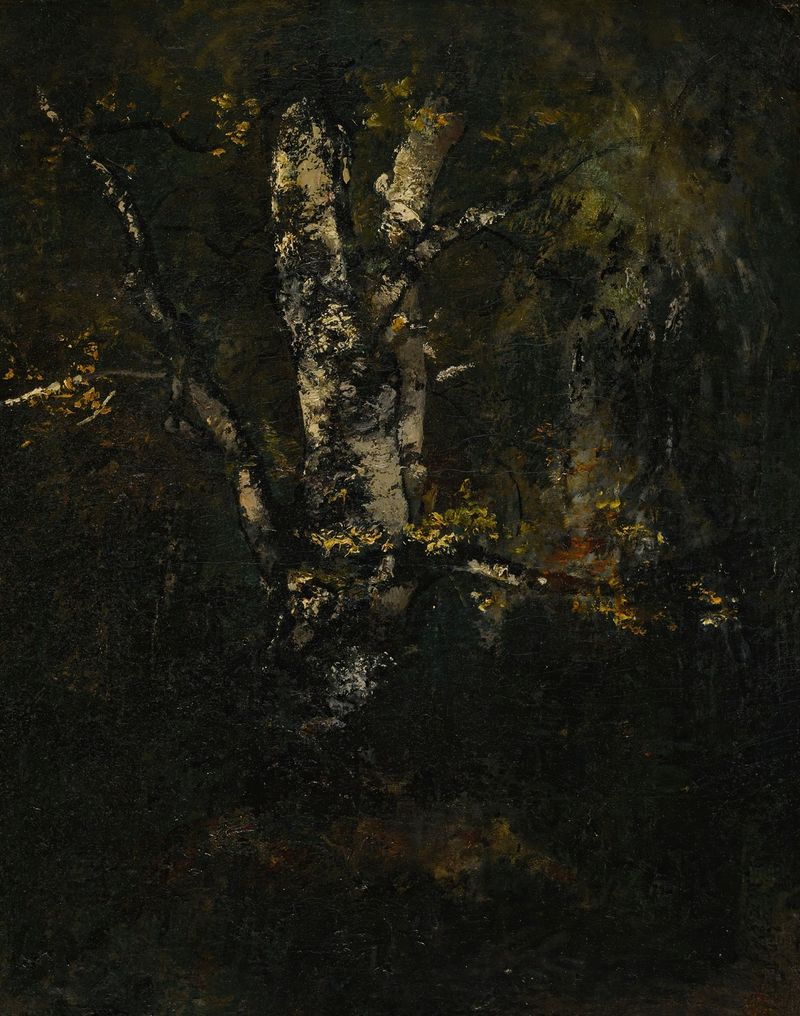
Vieux Troncs De Hêtres
Narcisse-Virgile Diaz de La Peña
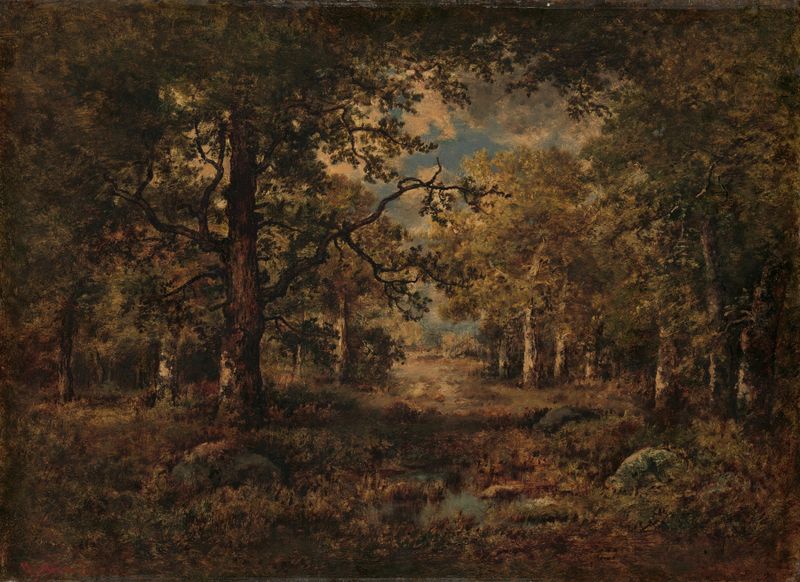
A Vista through Trees; Fontainebleau
Narcisse-Virgile Diaz de La Peña
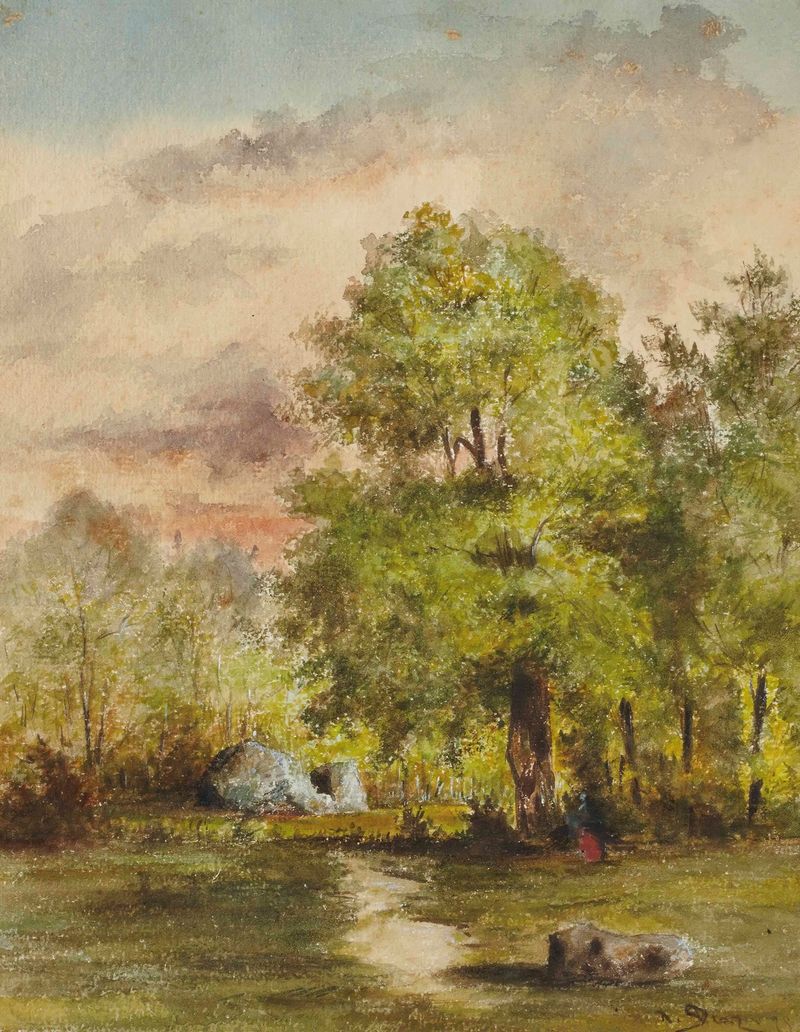
Vue d’une clairière
Narcisse-Virgile Diaz de La Peña

Pond in the Woods
Narcisse-Virgile Diaz de La Peña
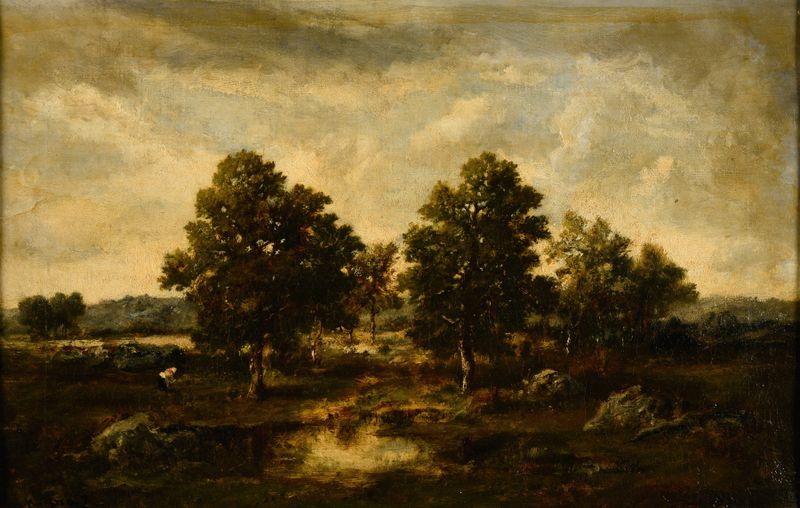
Mare dans une lande
Narcisse-Virgile Diaz de La Peña
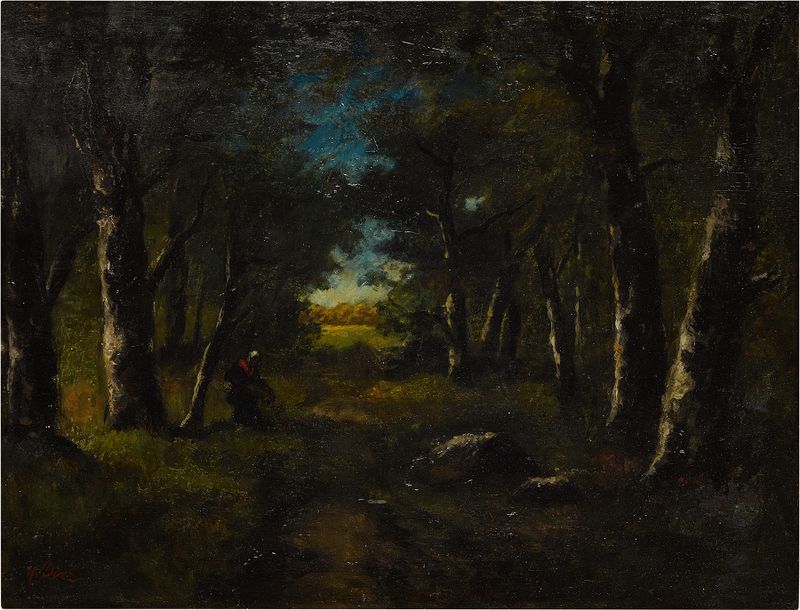
Foraging in the Forest
Narcisse-Virgile Diaz de La Peña
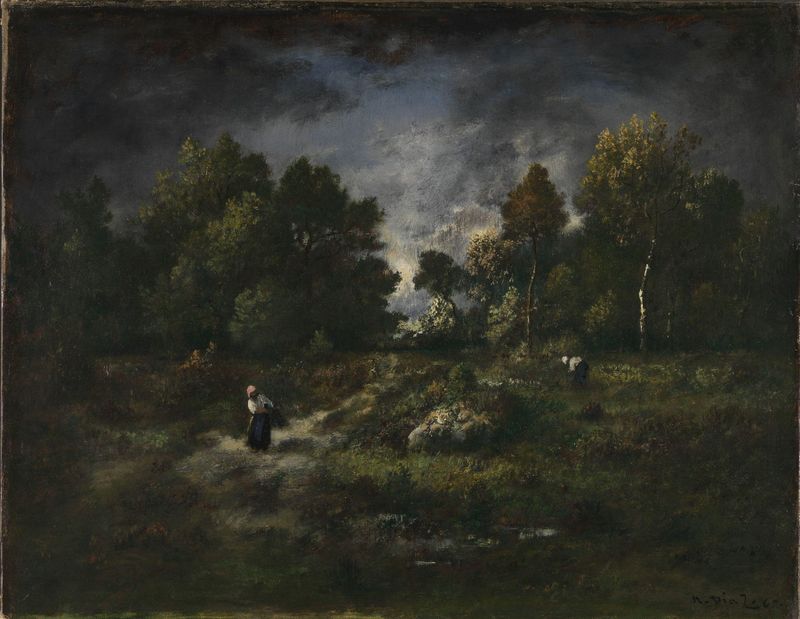
Faggot Gatherers in a Wooden Landscape
Narcisse-Virgile Diaz de La Peña
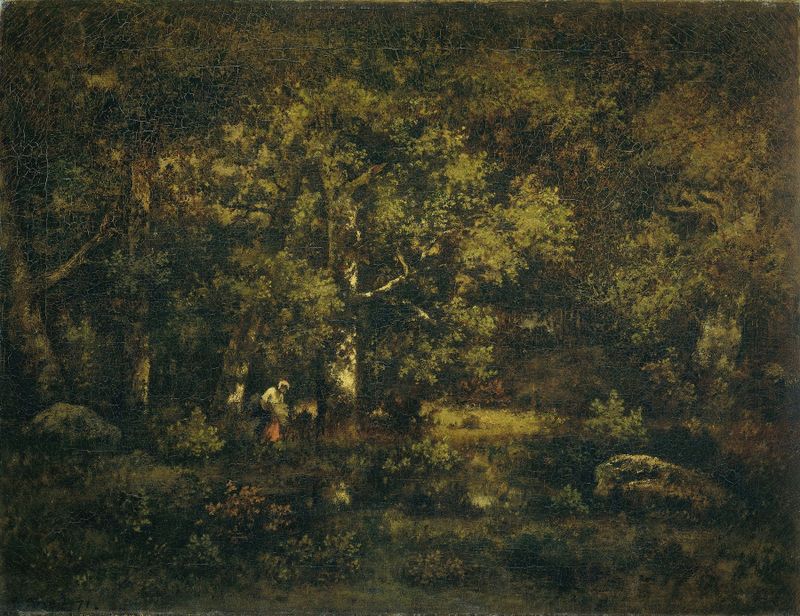
The Forest of Fontainebleau
Narcisse-Virgile Diaz de La Peña

Sous-bois
Narcisse-Virgile Diaz de La Peña





