
Landscape 3 — History & Facts
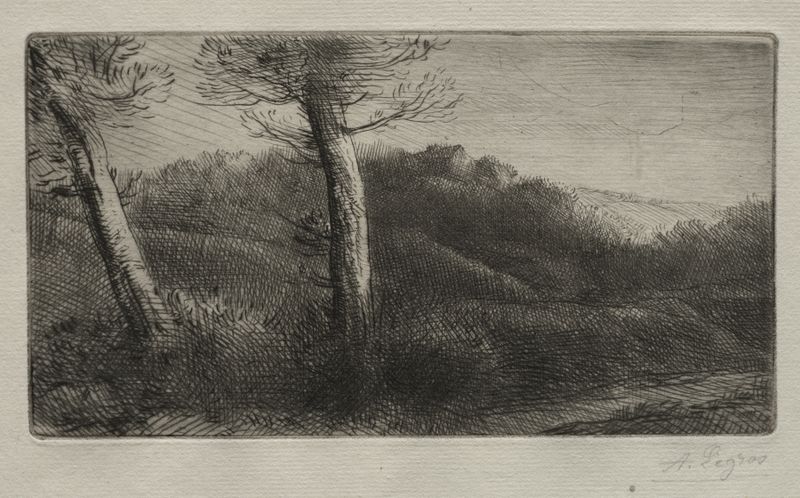
Who listens when art speaks of silence? In Landscape 3, the viewer is invited to immerse themselves in a realm where innocence and tranquility converge, enveloped in a hush that feels almost sacred. Look to the left at the soft undulation of hills, their gentle curves painted in muted greens and browns, leading your gaze toward the horizon. The sky, a delicate interplay of blues and grays, suggests a fleeting moment on the cusp of dusk. Notice how the light, diffused and tender, bathes the scene, infusing it with a sense of ethereal calm.
The subtle brushwork enhances the feeling of depth, drawing you deeper into a landscape that feels both expansive and intimately close. As you explore this serene vista, consider the contrast between the quietude of nature and the looming presence of humanity. The almost ghostly silhouettes of trees stand sentinel-like, embodying the innocence of a world untouched by time's relentless march. There’s a palpable tension between the tranquility of the landscape and an underlying sense of vulnerability, evoking reflections on the ephemeral nature of existence. In the late 19th century, while creating Landscape 3, Legros was immersed in the artistic currents of Impressionism, seeking to capture fleeting moments of beauty.
During this period in France, the art world was undergoing significant transformations, as artists explored the interplay of light and nature. Legros, an influential figure in these movements, sought to reconcile the innocence of the natural world with the complexities of modern life, contributing to a legacy that would resonate through the ages.
More Artworks by Alphonse Legros
Browse all →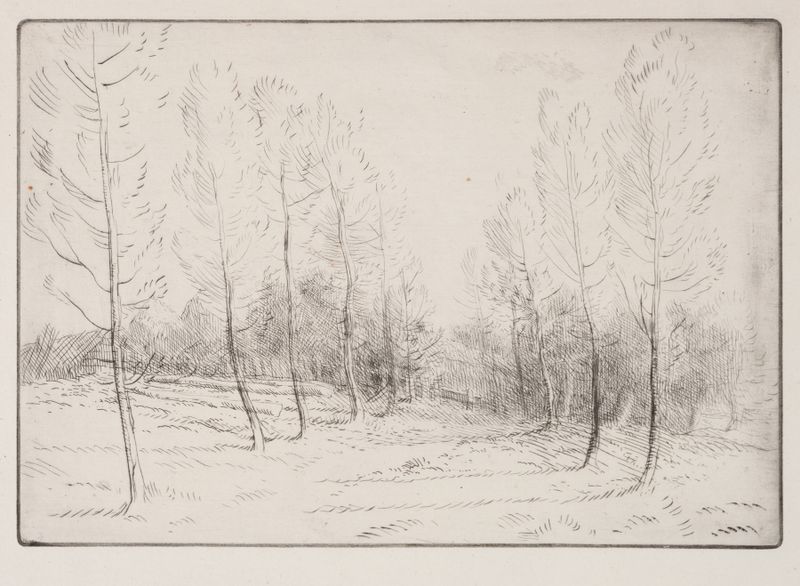
Avenue of Poplars
Alphonse Legros
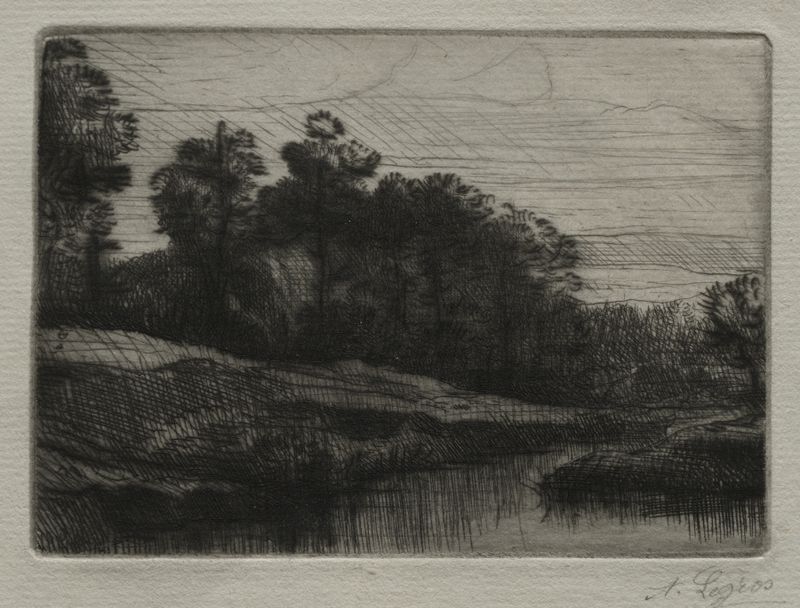
Evening
Alphonse Legros

The Fish in the Hoop Net
Alphonse Legros

The Little Beggar
Alphonse Legros
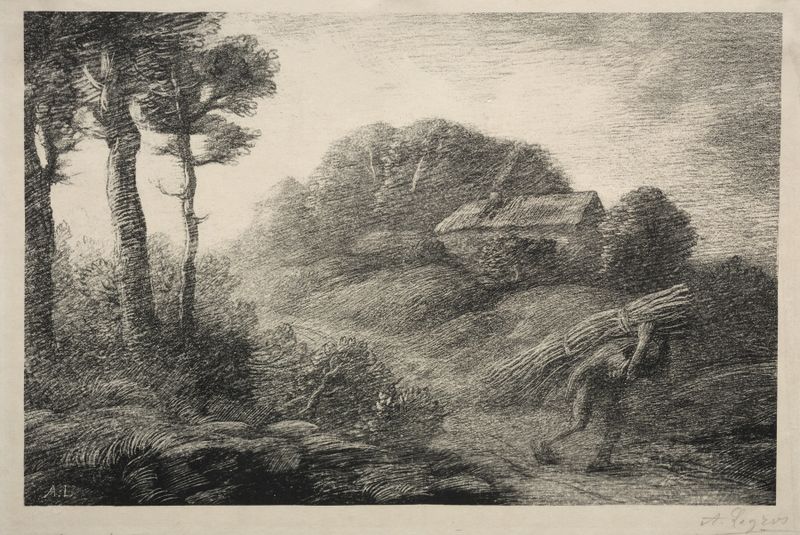
The Return of the Fagot Gatherer
Alphonse Legros

Storm
Alphonse Legros
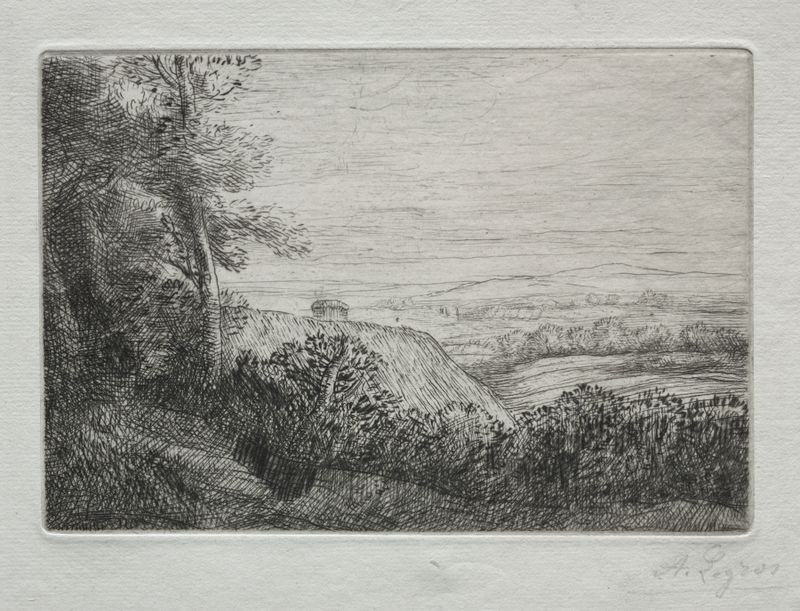
Les dernière Rayons de Soleil
Alphonse Legros
The Traveler Stretched out on the Grass
Alphonse Legros
Guard House
Alphonse Legros

Death of a Vagabond
Alphonse Legros





