
Landscape — History & Facts
What secret hides in the quiet of the canvas? In the stillness of nature, silence becomes a powerful whisper, inviting us to uncover the stories that lie beneath the surface. Look to the left at the delicate interplay of light filtering through the trees, illuminating patches of vibrant green and soft browns. The artist masterfully uses dappled sunlight to create a sense of depth, drawing the eye deeper into the scene. Notice how the tranquil water reflects the serene landscape, each brushstroke meticulously executed to evoke a feeling of peace.
The gentle curves of the hills envelop the viewer, while the soft hues harmonize, suggesting a world untouched by time. As you gaze further, consider the contrasting elements within the painting: the rigid, dark trunks of the trees juxtaposed with the fluidity of the water and the sky. This duality evokes a tension between the enduring strength of nature and its fleeting beauty. Each leaf, each ripple, seems to hold secrets of the past, urging us to pause and listen to the unspoken narratives of the landscape. Created around 1860, this work emerged during a pivotal time for the artist, who was part of the Barbizon School in France.
Diaz de La Peña was deeply influenced by the Romantic movement, embracing the beauty of the natural world as a subject. At this time, the art world was shifting towards a greater appreciation for plein air painting, a style that celebrated the immediacy and emotions evoked by nature, reflecting the artist’s own experiences and sentiments as he sought solace in the great outdoors.
More Artworks by Narcisse-Virgile Diaz de La Peña
Browse all →
Forest Scene
Narcisse-Virgile Diaz de La Peña
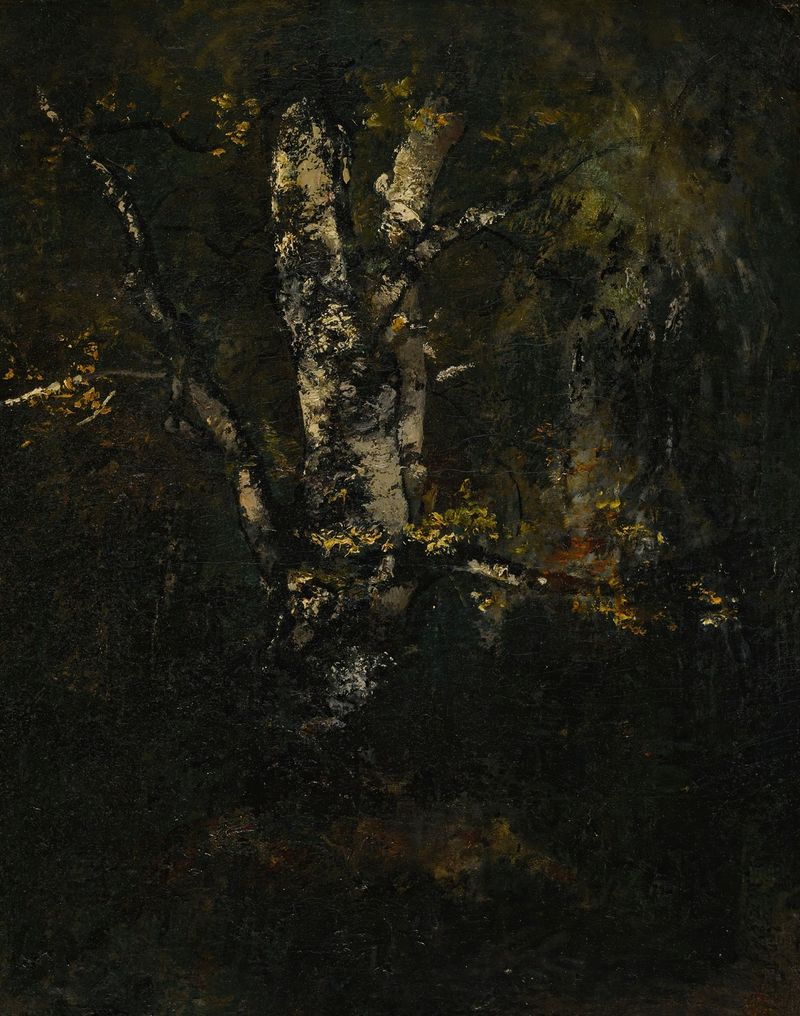
Vieux Troncs De Hêtres
Narcisse-Virgile Diaz de La Peña
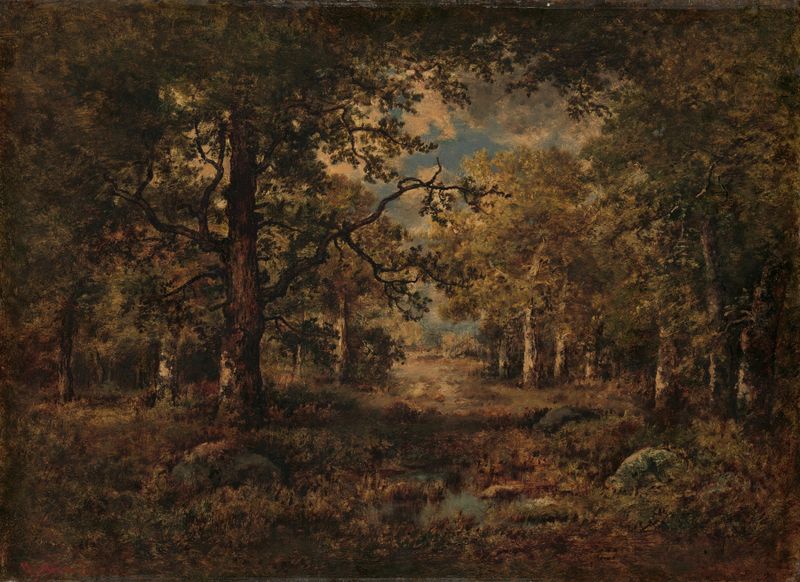
A Vista through Trees; Fontainebleau
Narcisse-Virgile Diaz de La Peña
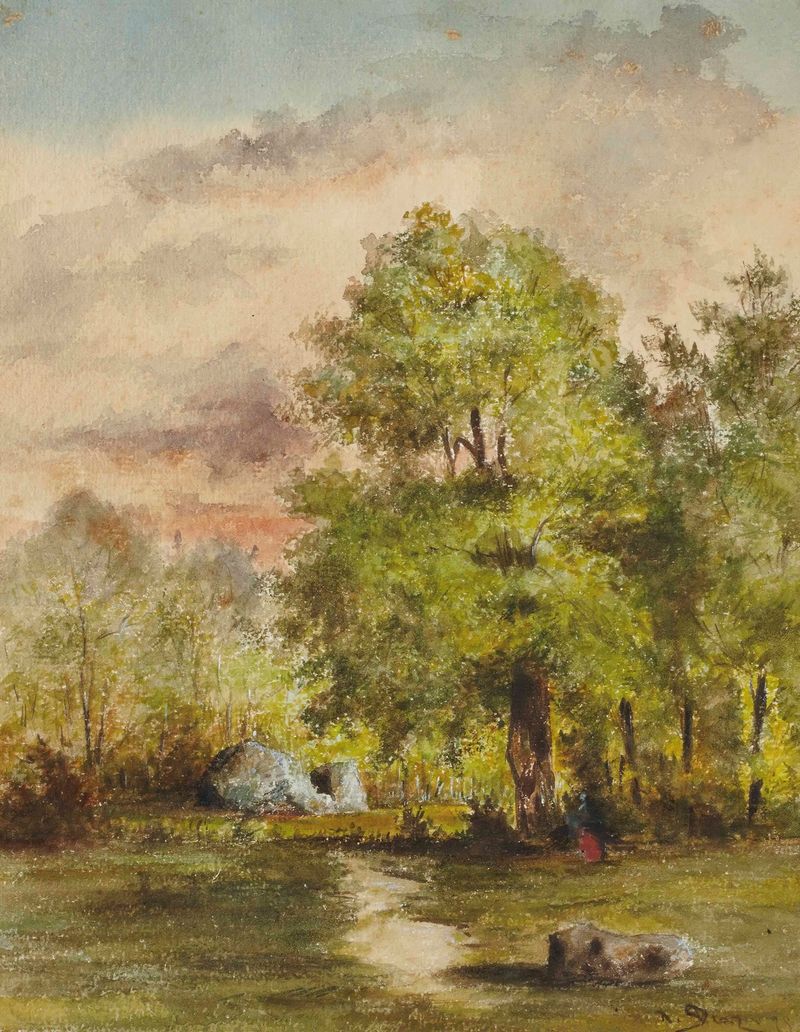
Vue d’une clairière
Narcisse-Virgile Diaz de La Peña

Pond in the Woods
Narcisse-Virgile Diaz de La Peña
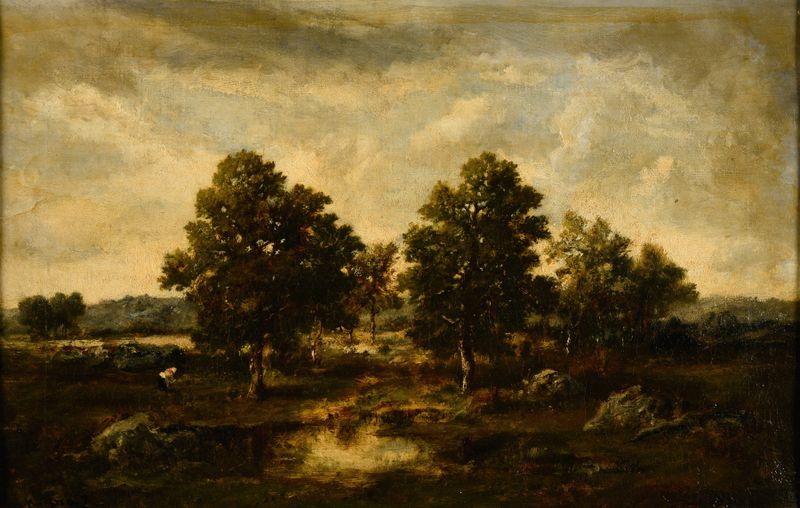
Mare dans une lande
Narcisse-Virgile Diaz de La Peña
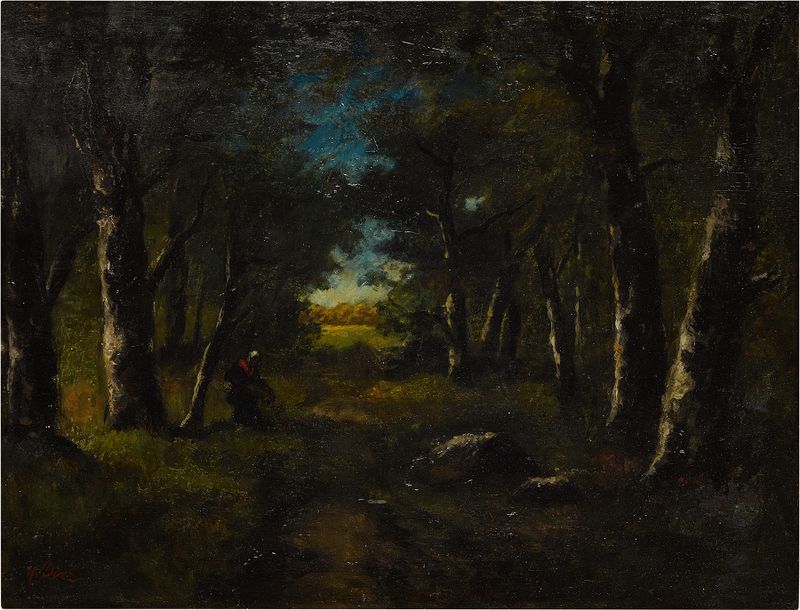
Foraging in the Forest
Narcisse-Virgile Diaz de La Peña
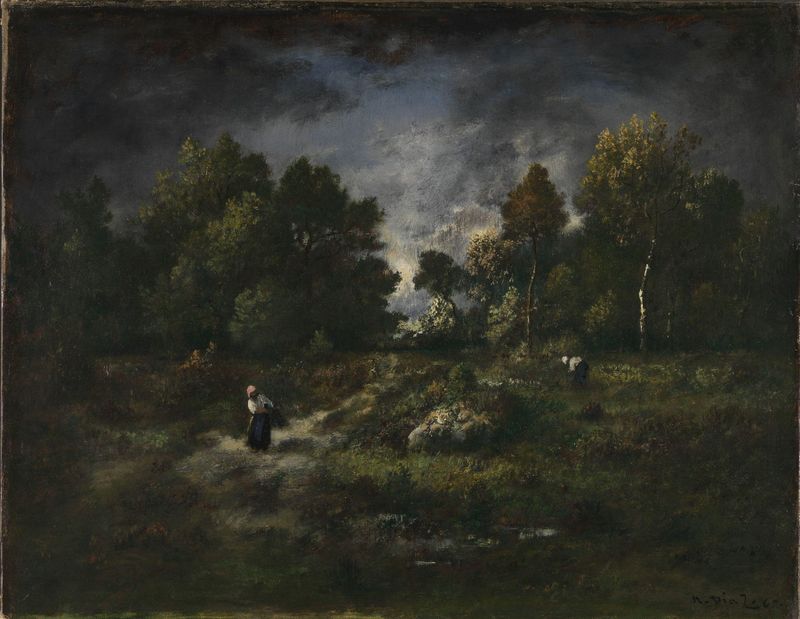
Faggot Gatherers in a Wooden Landscape
Narcisse-Virgile Diaz de La Peña
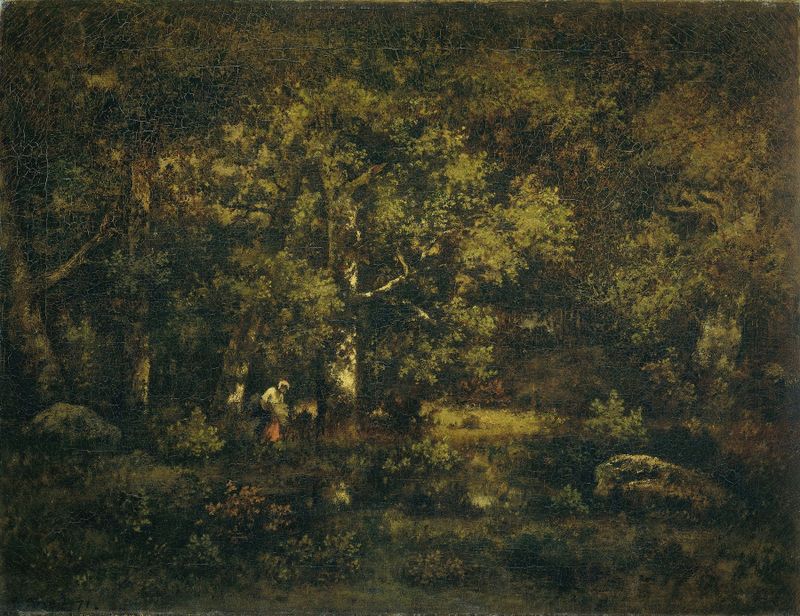
The Forest of Fontainebleau
Narcisse-Virgile Diaz de La Peña

Sous-bois
Narcisse-Virgile Diaz de La Peña





