
Landscape — History & Facts
What if silence could speak through light? In Landscape, a profound stillness resonates, evoking a sense of isolation and quiet betrayal in nature itself. Look to the bottom left of the canvas, where dark, brooding trees loom, their twisted branches reaching out as if to embrace the void. As your gaze follows the gentle slope of the hills, notice how the soft hues of ochre and green rise to meet an unsettling, pale sky. The interplay of light and shadow creates an eerie atmosphere, suggesting that beneath the tranquil surface lies an unspoken tension, a whisper of disillusionment waiting to be uncovered. This work captures a moment where beauty and betrayal coexist, reflected in the juxtaposition of vibrant color against an ominous, overcast sky.
The peaceful landscape, seemingly inviting, hints at darker undertones, as the bright patches of sunlight struggle to penetrate the encroaching gloom. One can sense a protective silence over the terrain, akin to the secrets we keep hidden within ourselves, revealing the artist’s exploration of emotional landscapes that mirror our inner conflicts. During the years 1910 to 1915, Čordák was heavily influenced by the burgeoning Modernist movement while navigating personal changes in his life. Living in a time of artistic upheaval, he sought to break free from traditional representations of nature, experimenting instead with light and form to convey deeper emotional truths.
The period was marked by a search for identity, both as an artist and a nation, adding layers of significance to this haunting work.
More Artworks by Ľudovít Čordák
Browse all →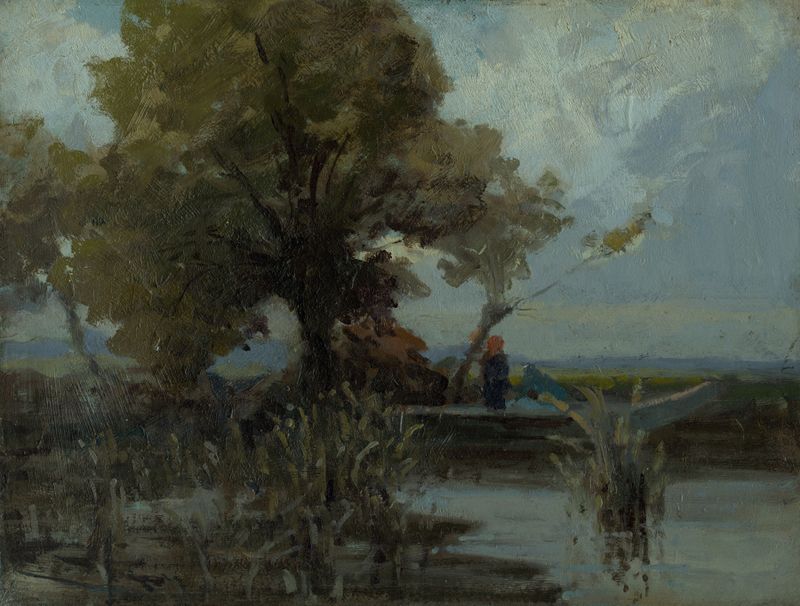
Košatý strom pri jazere
Ľudovít Čordák
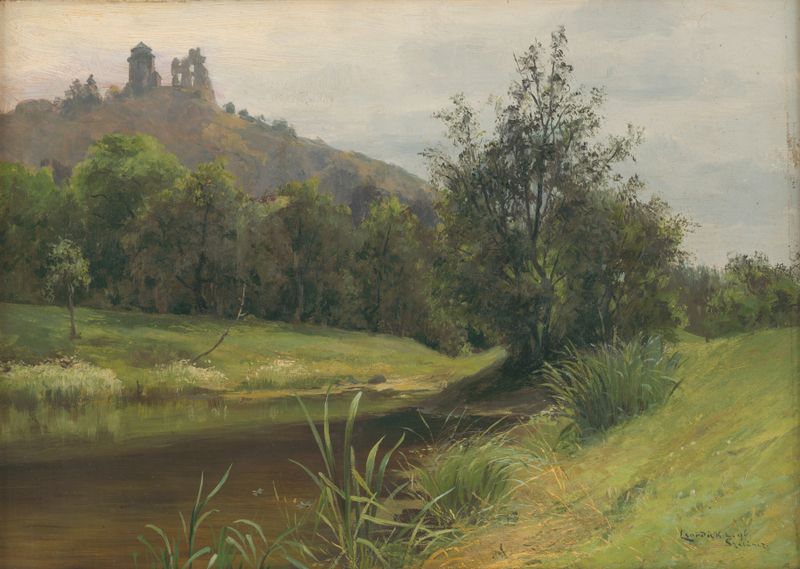
Močarina pod Slaneckým hradom
Ľudovít Čordák
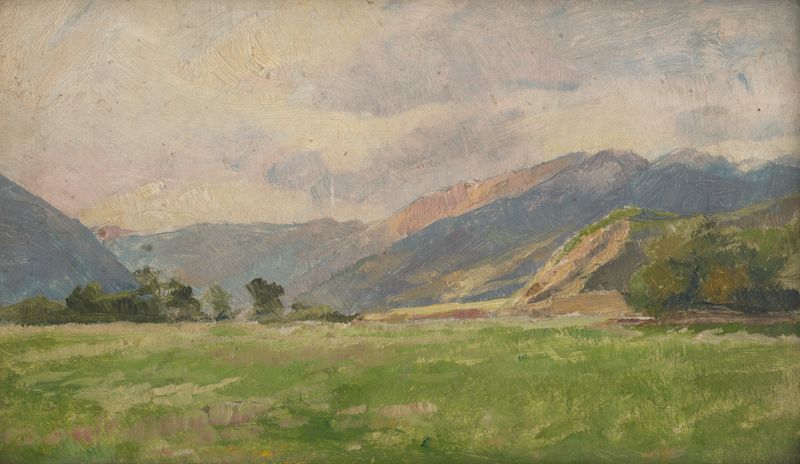
Mountain Meadow
Ľudovít Čordák
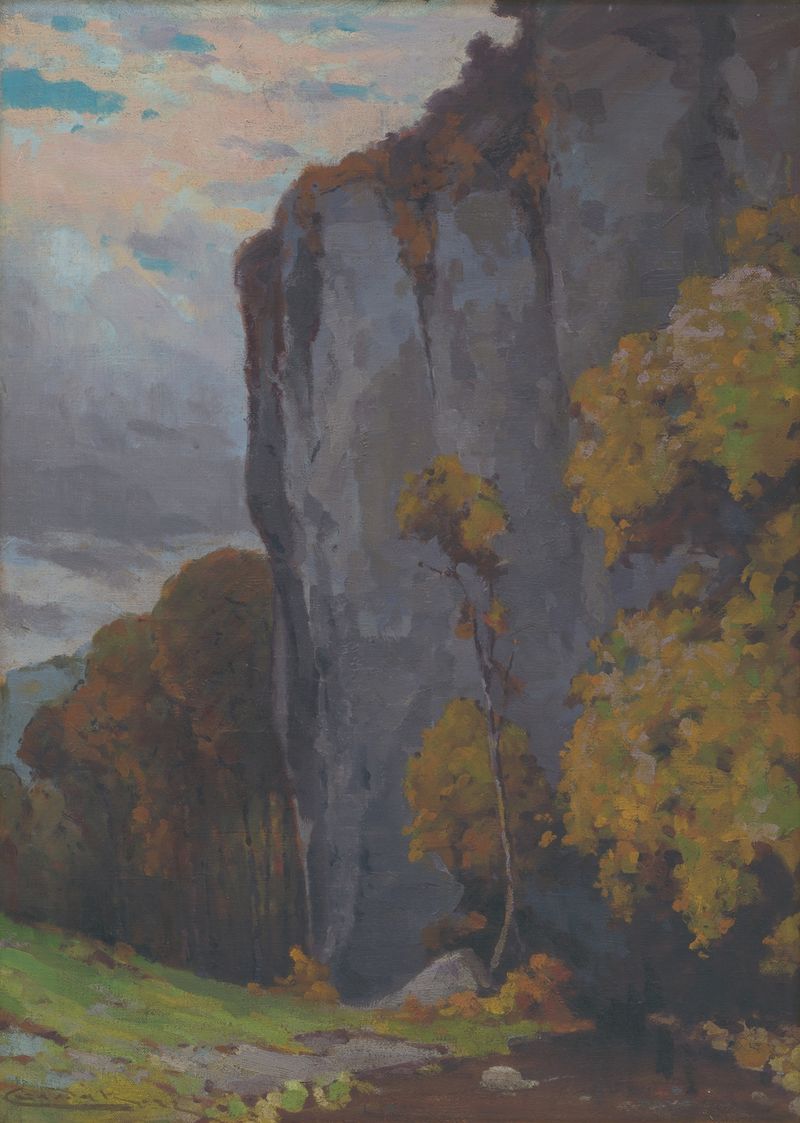
Zádiel
Ľudovít Čordák
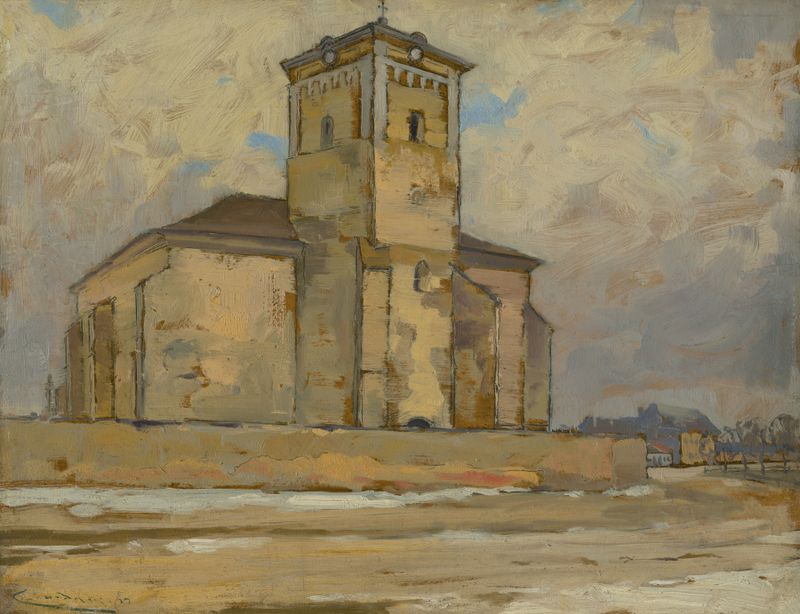
Church in Moldova
Ľudovít Čordák
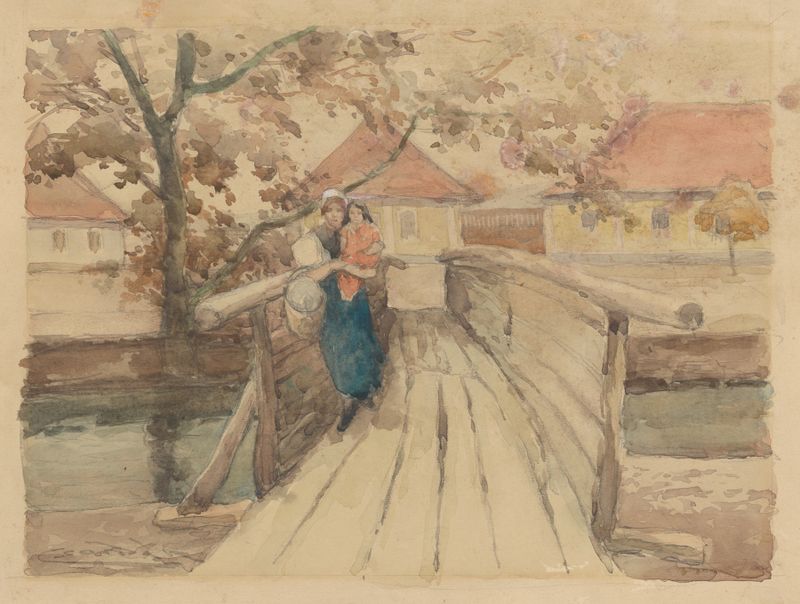
Wooden bridge
Ľudovít Čordák
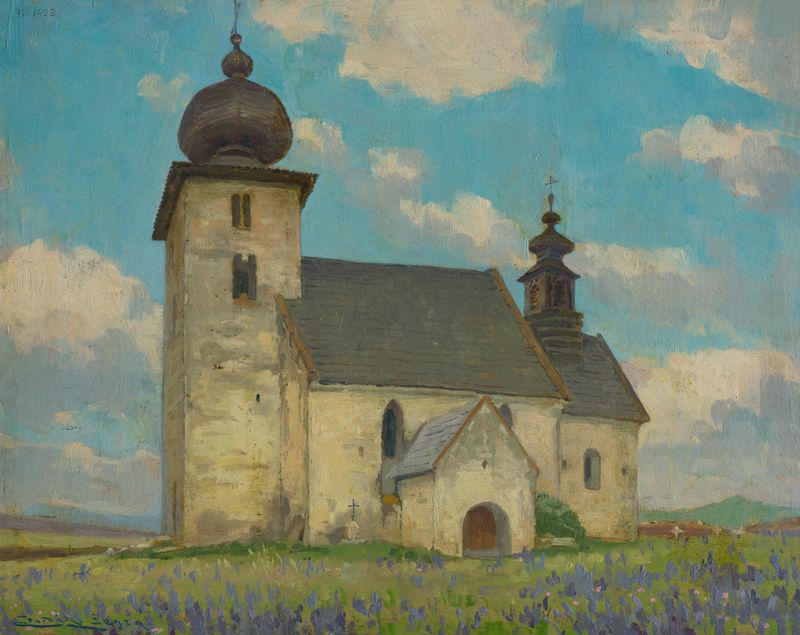
Gothic church in Žehra
Ľudovít Čordák
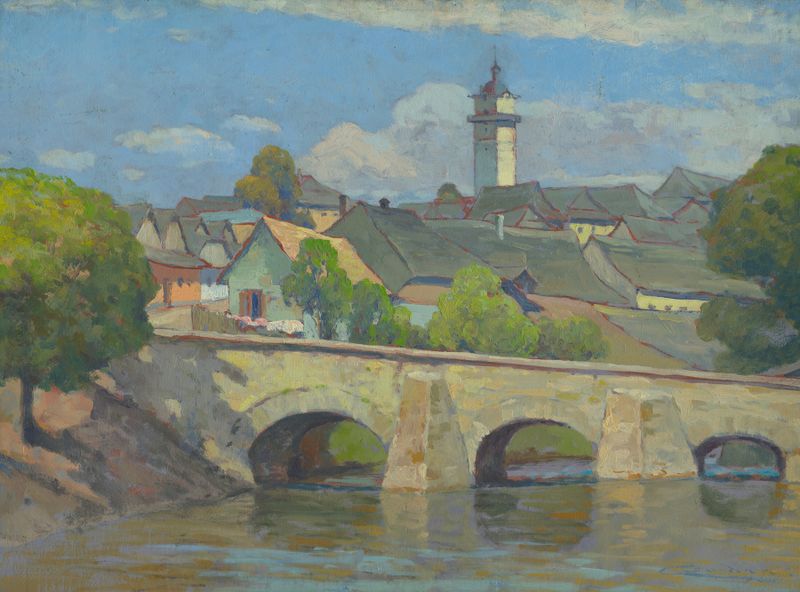
A small town in Spiš
Ľudovít Čordák
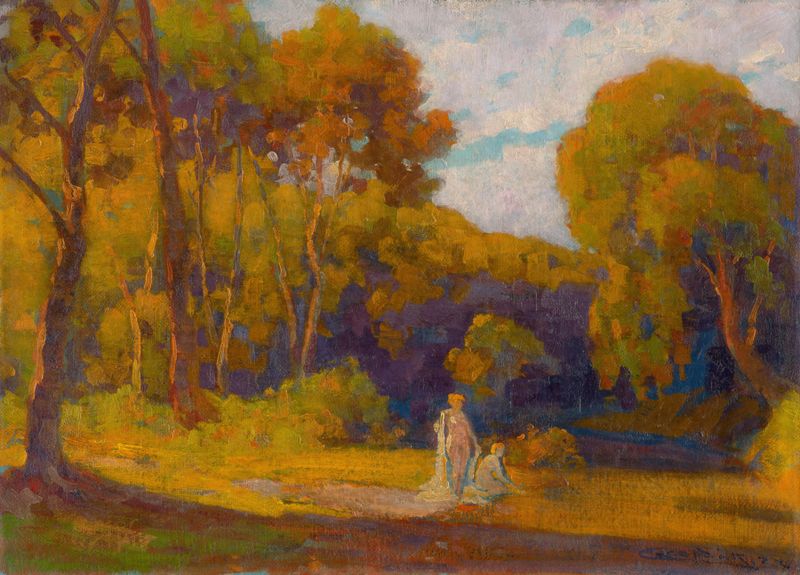
At Sunset
Ľudovít Čordák
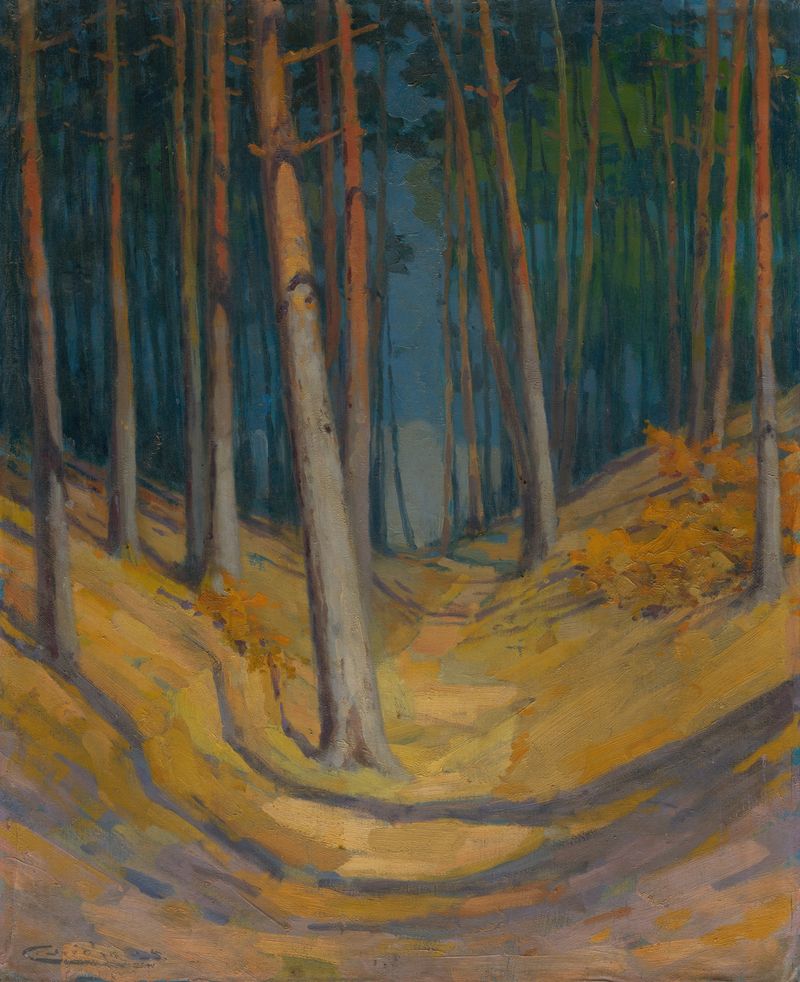
Forest
Ľudovít Čordák





