
Landscape 6 — History & Facts
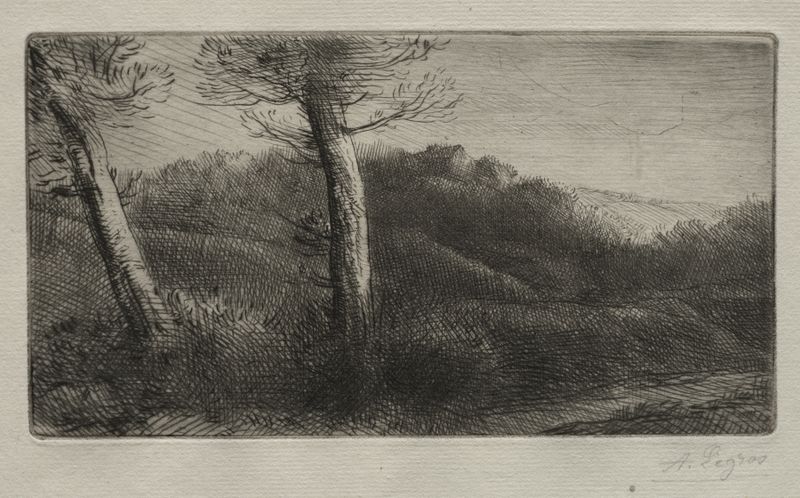
What if beauty was never meant to be finished? In Landscape 6, the essence of nature's fleeting perfection is captured, leaving the viewer in a contemplative space between completion and incompleteness. Look to the left, where soft, muted tones swirl together, creating a horizon that blends seamlessly into a sky drenched in warm, golden hues. The brushwork is both deliberate and spontaneous, inviting you to trace the outlines of trees that stand resolute against the fading light. Notice how the gentle layering of colors gives depth to the landscape, evoking a sense of tranquility, yet hinting at the underlying chaos of a world forever in motion. The tension within the painting lies in its ambiguity.
While the foreground feels serene and inviting, a sense of melancholy seeps through the shadows that linger beneath the trees. The delicate interplay of light and dark suggests a moment suspended in time, where every detail speaks to the transitory nature of existence. It’s a reflection on the beauty found in imperfection, urging us to consider the silent stories woven into the fabric of the scenery. Created during a period when the artist was deeply engaged with the exploration of atmospheric effects and the transcendence of nature, Landscape 6 emerged between 1857 and 1911.
Living in France, Legros navigated the evolving art world marked by Impressionism and Symbolism, embracing their ideals while developing his unique vision. This work reflects his commitment to capturing the ephemeral qualities of light and environment amidst a rapidly changing society.
More Artworks by Alphonse Legros
Browse all →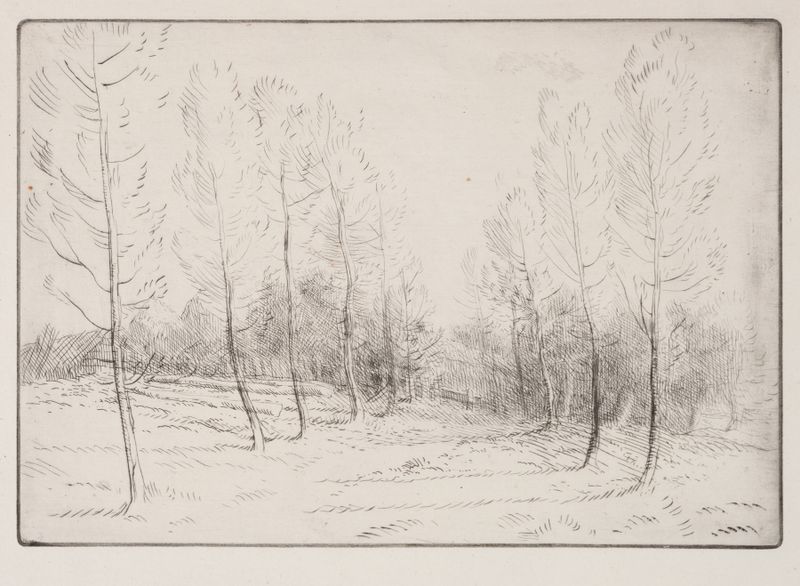
Avenue of Poplars
Alphonse Legros
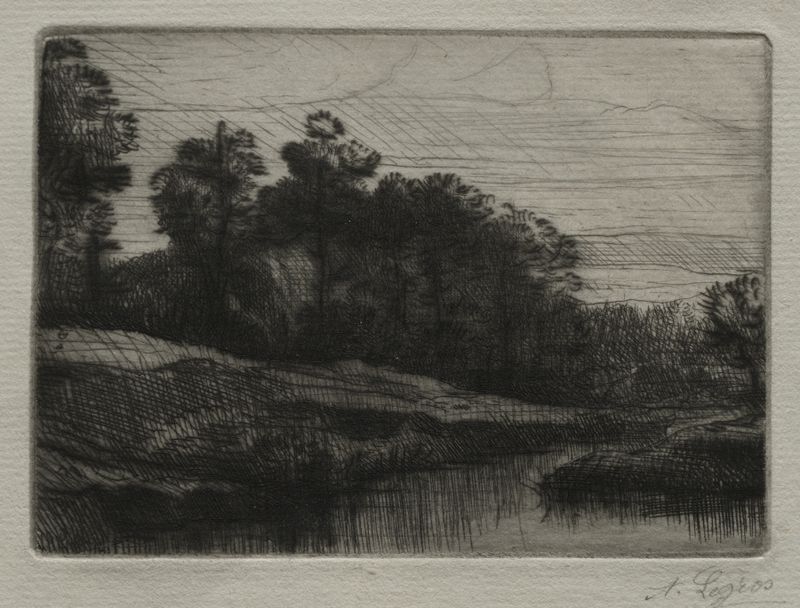
Evening
Alphonse Legros

The Fish in the Hoop Net
Alphonse Legros

The Little Beggar
Alphonse Legros
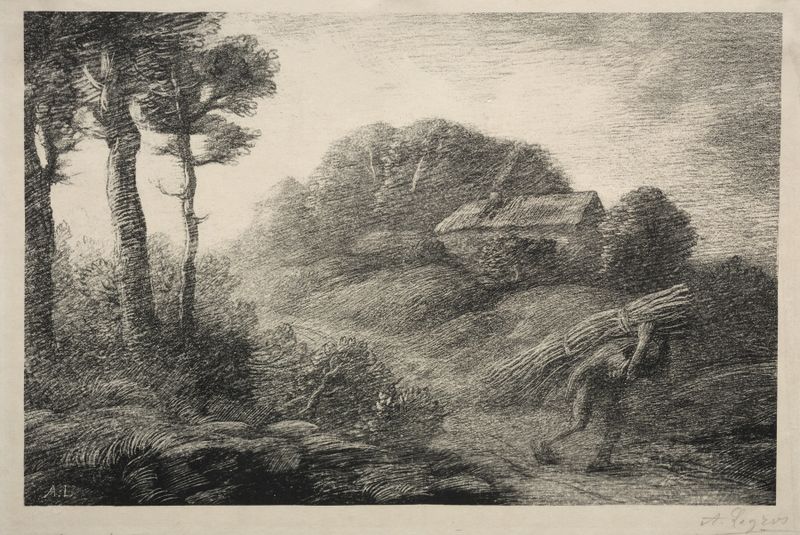
The Return of the Fagot Gatherer
Alphonse Legros

Storm
Alphonse Legros
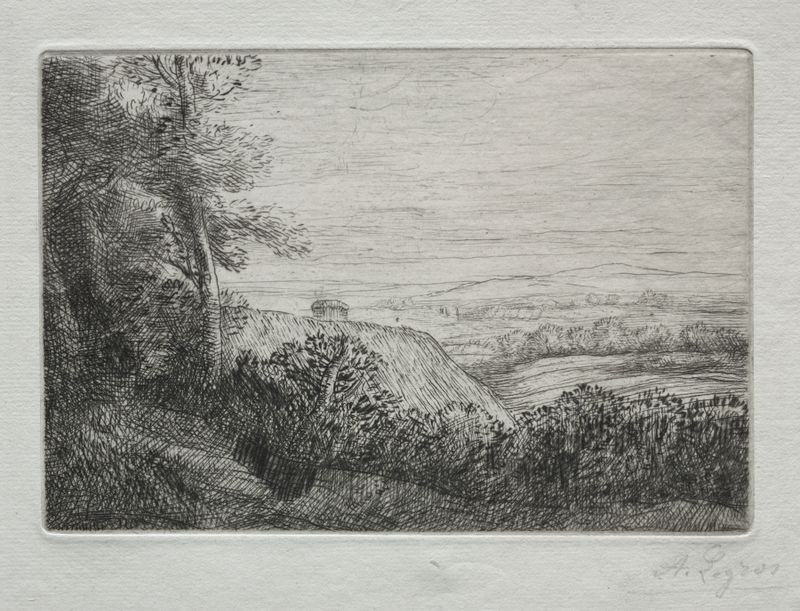
Les dernière Rayons de Soleil
Alphonse Legros
The Traveler Stretched out on the Grass
Alphonse Legros
Guard House
Alphonse Legros

Death of a Vagabond
Alphonse Legros





