
Landscape — History & Facts
In the quiet of a landscape, where hues blend seamlessly into one another, the muted palette whispers the weight of loss. Look to the foreground to see gentle hills undulating beneath a soft wash of muted greens and greys. Notice how the distant trees stand like sentinels against a pale sky, their silhouettes tracing the horizon with an air of solemnity. The brushwork is fluid, creating a sense of movement that evokes both tranquility and restlessness, as if the very earth breathes in and out, holding secrets within its depths. As you delve deeper into the composition, contemplate the interplay of light and shadow—a poignant reminder of the balance between presence and absence.
The subtle variations in color reflect an emotional tension that hints at grief underlying the serene landscape. Each layer of paint seems to echo a lost moment, a fleeting memory suspended in time, inviting contemplation on the nature of what is left behind and what remains. In 1927, while creating this piece, the artist found himself amidst a complex post-war landscape, both literally and metaphorically. Living in a world recovering from upheaval, Čordák was navigating his own artistic voice, seeking solace in the natural world.
The simplicity of this work speaks to a yearning for peace, a longing that resonated deeply in the artistic movements of his time, blending the personal with the universal.
More Artworks by Ľudovít Čordák
Browse all →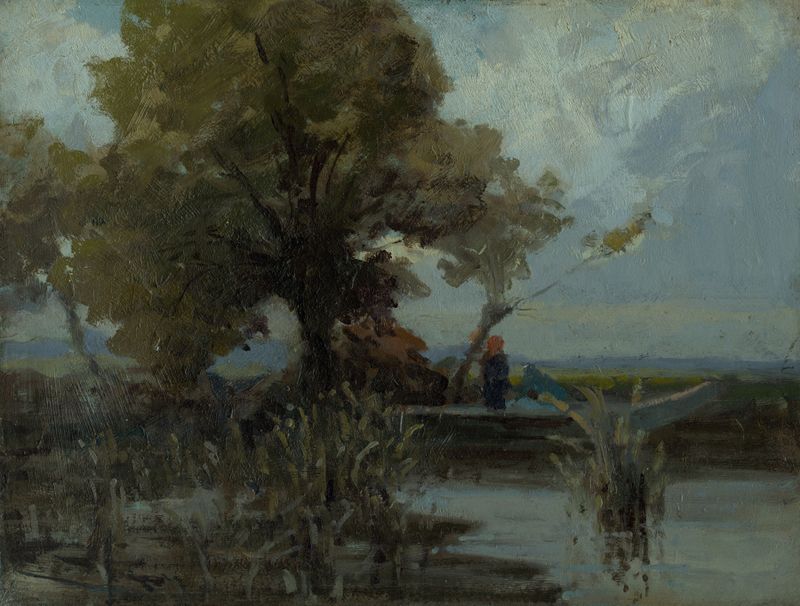
Košatý strom pri jazere
Ľudovít Čordák
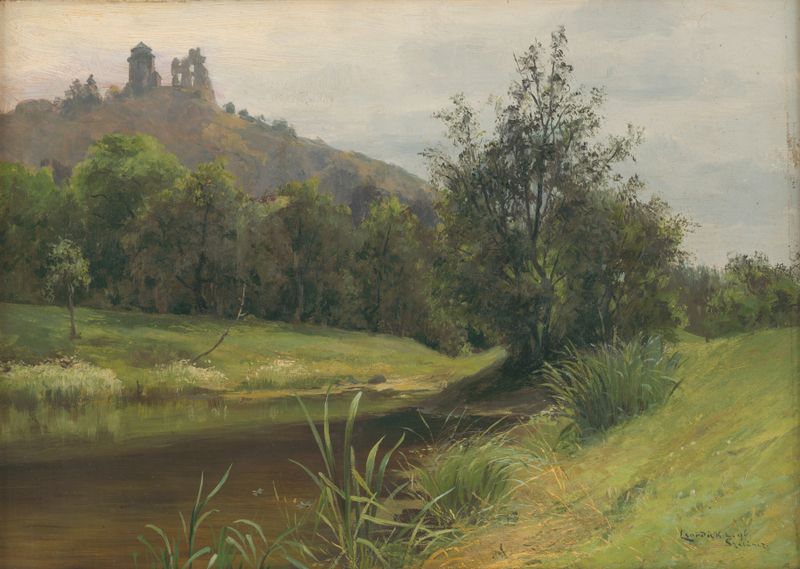
Močarina pod Slaneckým hradom
Ľudovít Čordák
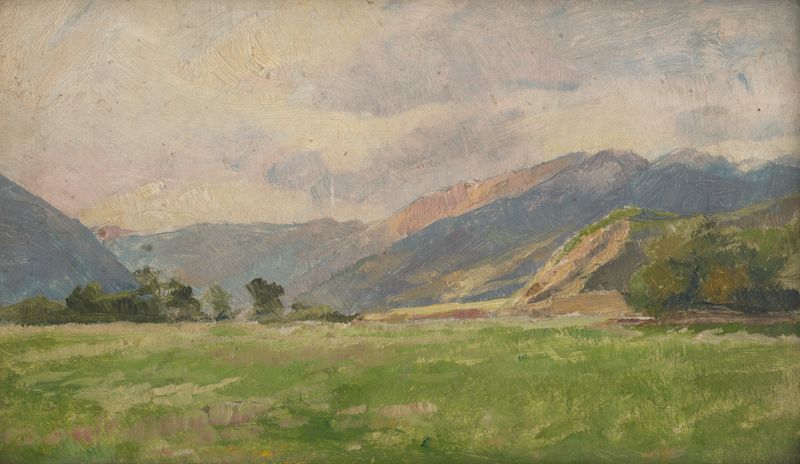
Mountain Meadow
Ľudovít Čordák
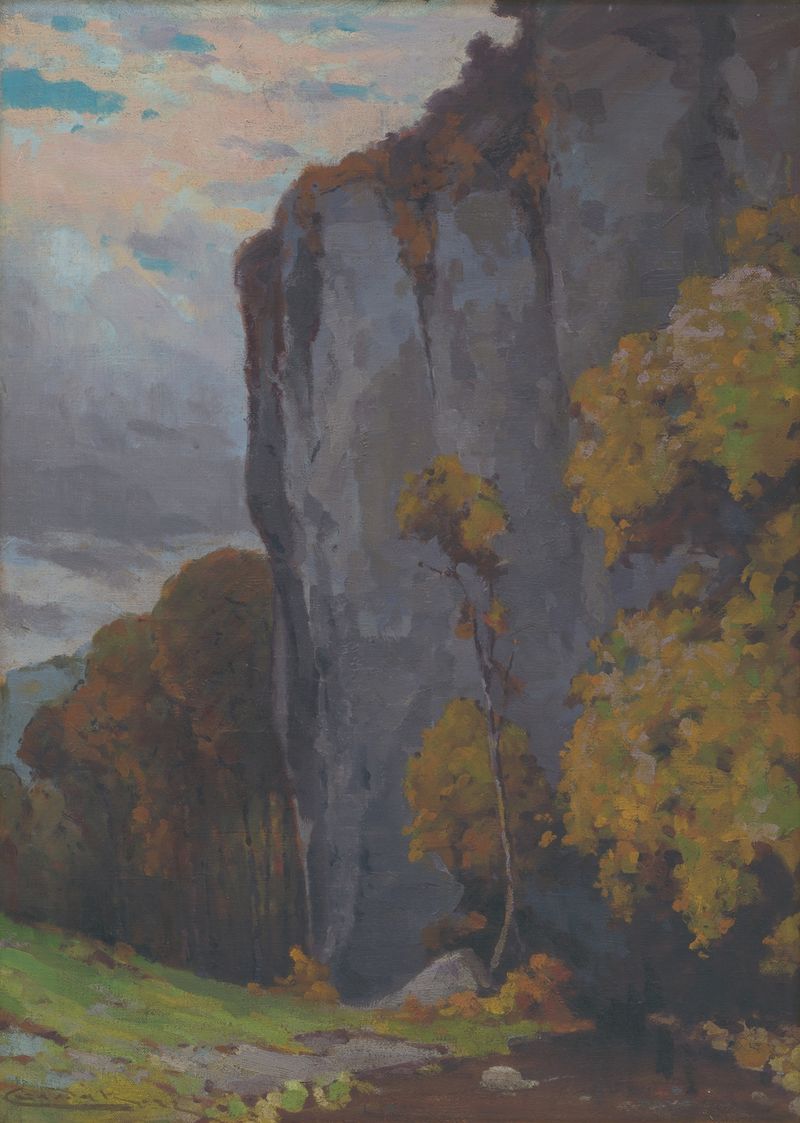
Zádiel
Ľudovít Čordák
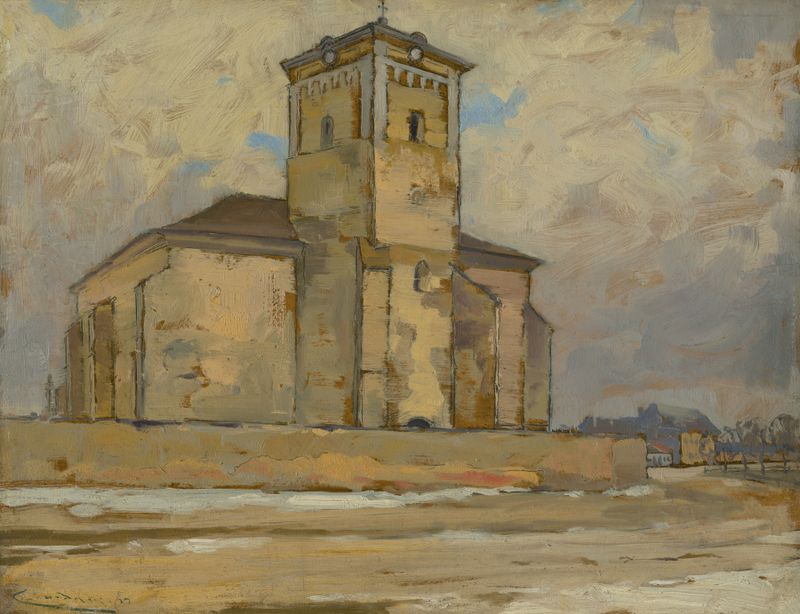
Church in Moldova
Ľudovít Čordák
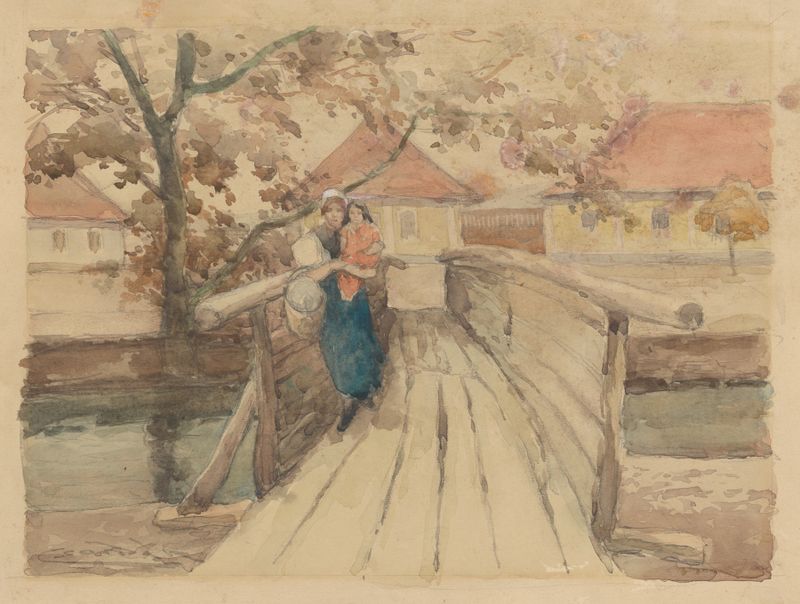
Wooden bridge
Ľudovít Čordák
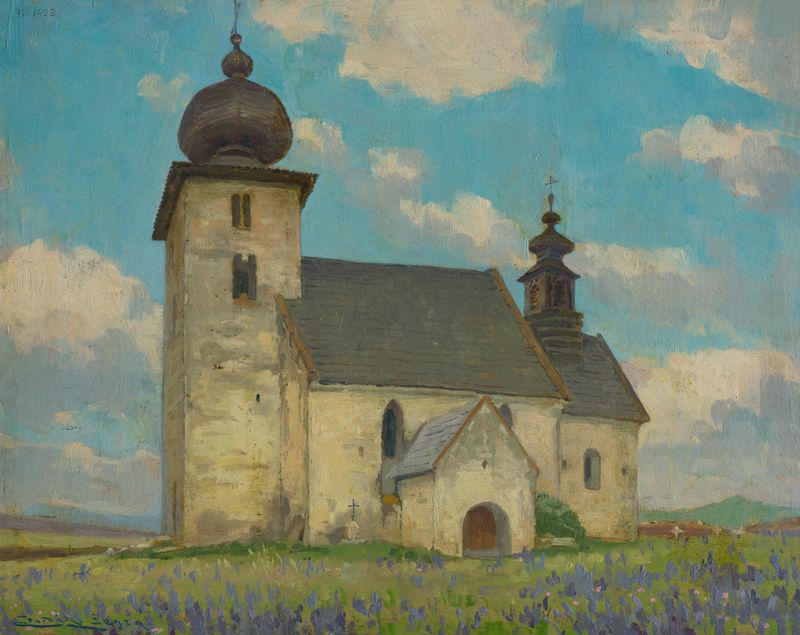
Gothic church in Žehra
Ľudovít Čordák
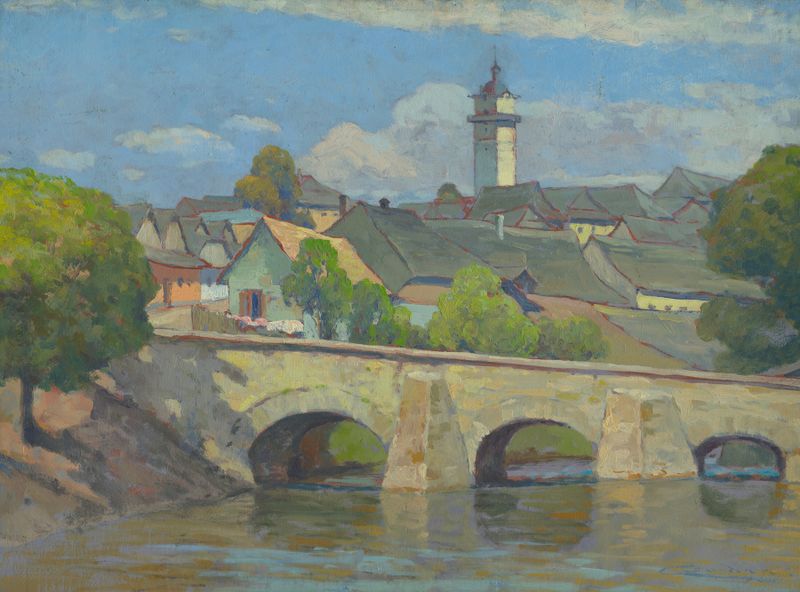
A small town in Spiš
Ľudovít Čordák
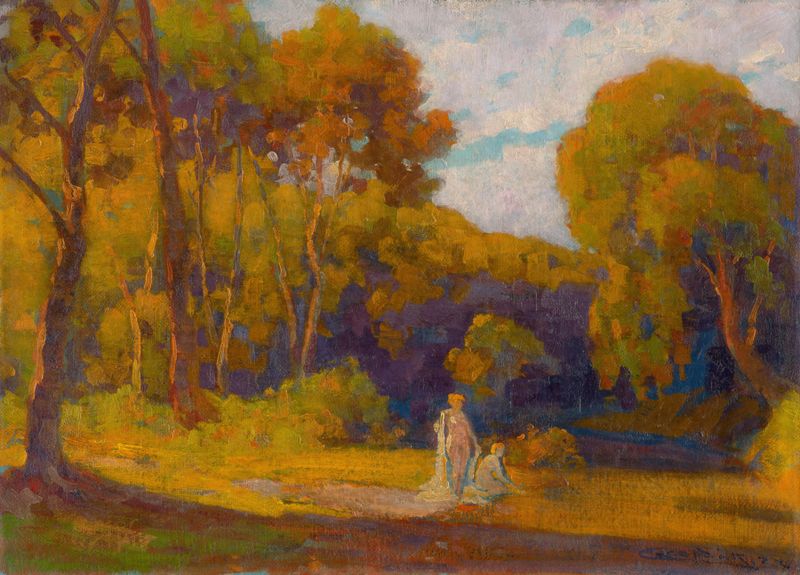
At Sunset
Ľudovít Čordák
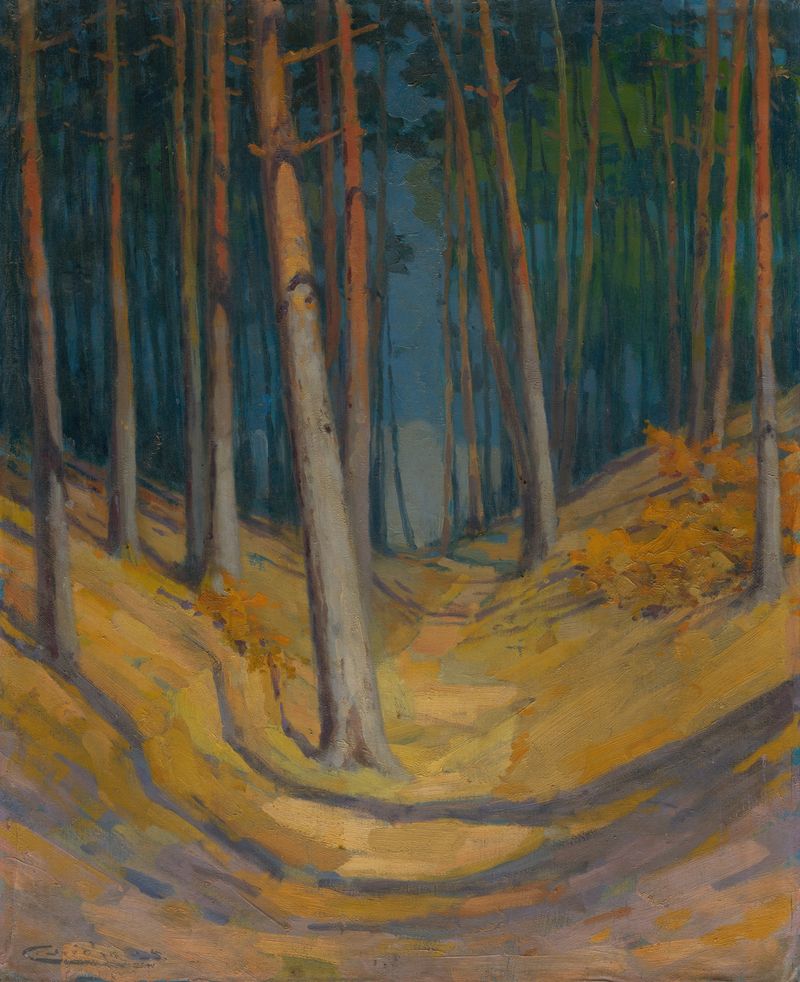
Forest
Ľudovít Čordák





