
Landscape — History & Facts
What secret hides in the quiet of the canvas? The stillness of Landscape invites contemplation, stirring a deep, reflective awakening within the viewer’s soul. Begin your exploration by looking to the expansive horizon, where muted greens and soft grays blend seamlessly. Notice how the brushstrokes create an atmosphere of tranquility, each stroke whispering the intentions of the artist. The simplicity of the composition, devoid of figures, emphasizes the solitude of nature, drawing your gaze toward the delicate play of light that dances across the terrain, hinting at an elusive story waiting to unfold. As you delve deeper, consider the emotional weight carried by the undulating fields.
The gentle slopes evoke a sense of yearning—an unfulfilled desire, while the cloudy sky looms overhead, embodying both promise and uncertainty. This tension between stillness and the potential for movement creates a profound duality, inviting viewers to reflect on their own experiences of awakening amidst silence. Created in 1900, this piece emerges from Hammershøi's deep engagement with light and atmosphere during his time in Denmark, where he was exploring themes of isolation and introspection. This period in art history saw a shift towards modernism, yet he held onto a remarkable sense of serenity and a personal interpretation of the landscape, which would come to define his unique style.
More Artworks by Vilhelm Hammershøi
Browse all →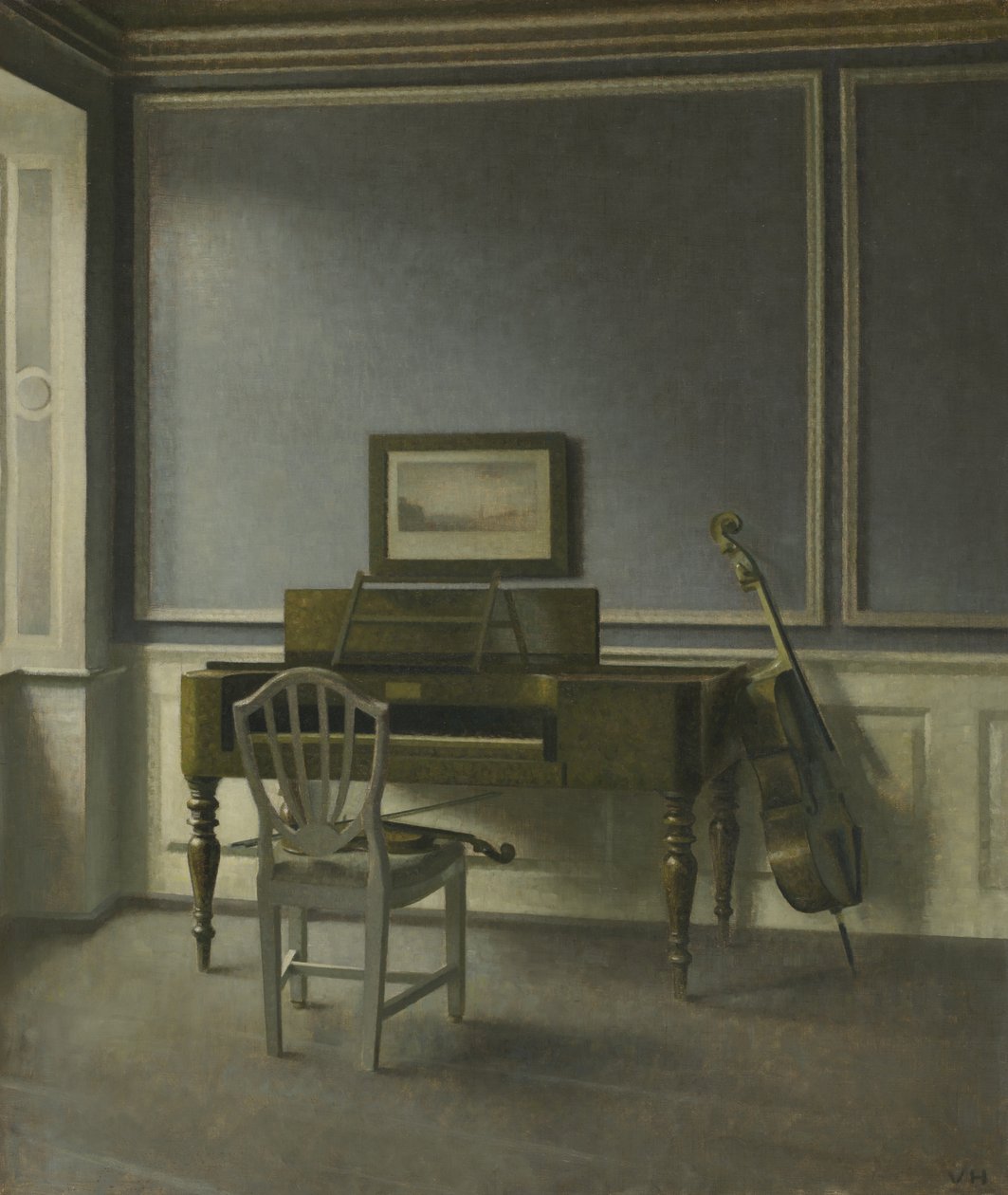
Interior. The Music Room, Strandgade 30
Vilhelm Hammershøi
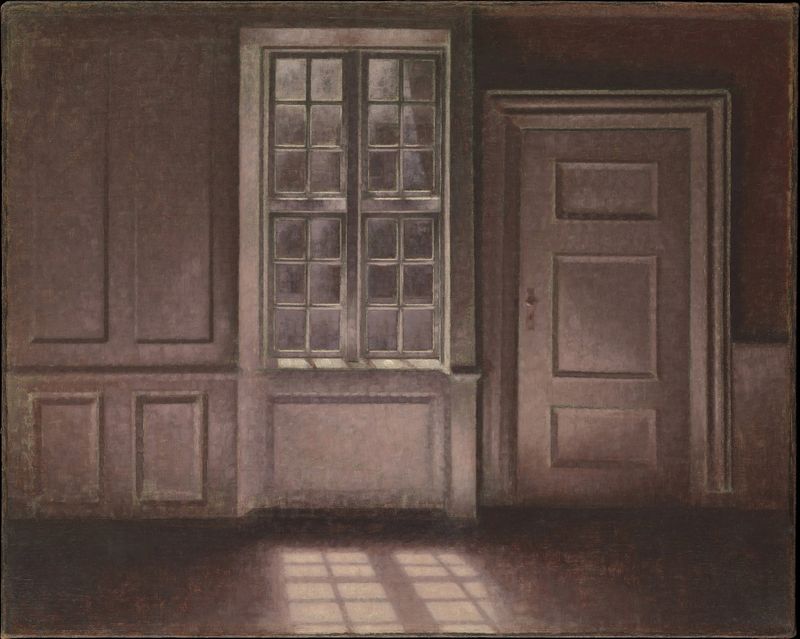
Moonlight, Strandgade 30
Vilhelm Hammershøi
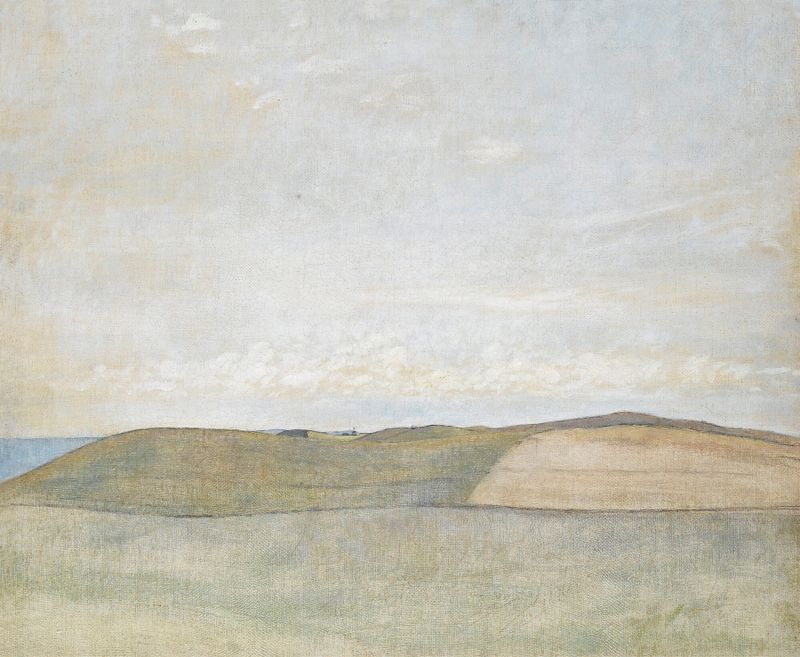
From Refsnæs
Vilhelm Hammershøi

Interior with the Artist’s Easel
Vilhelm Hammershøi

Amalienborg Square, Copenhagen
Vilhelm Hammershøi
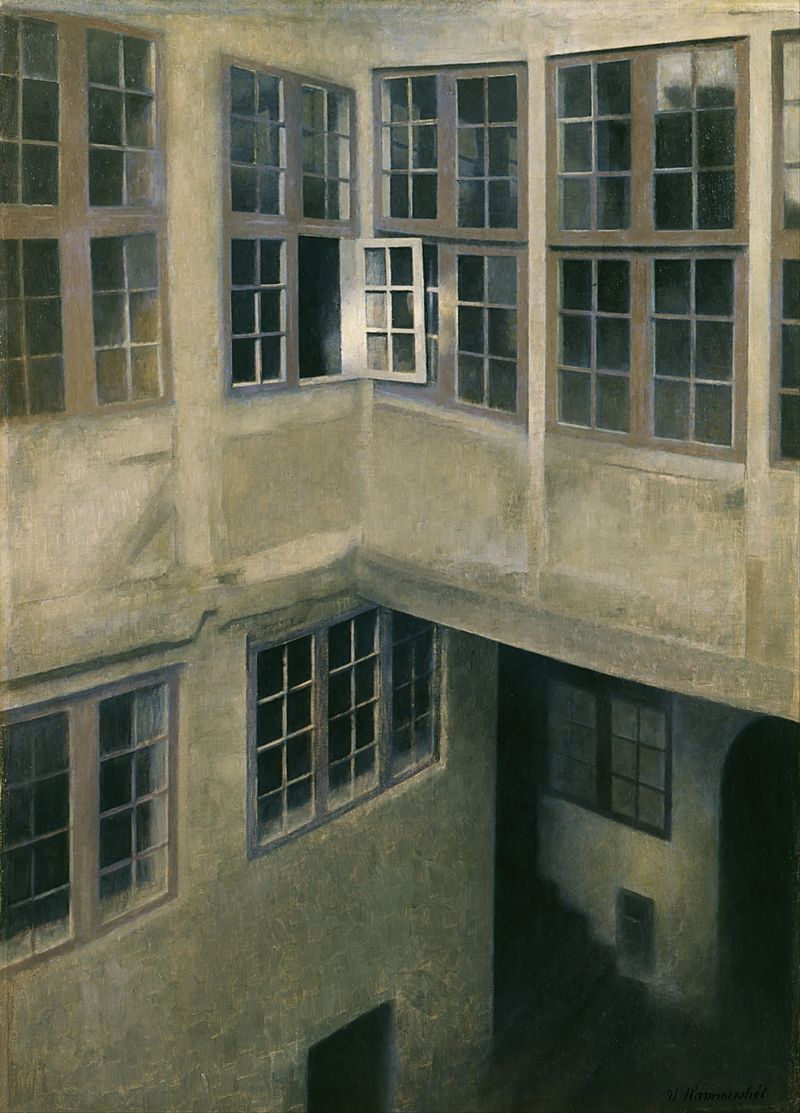
Interior of Courtyard, Strandgade 30
Vilhelm Hammershøi

Søndermarken Park in winter
Vilhelm Hammershøi
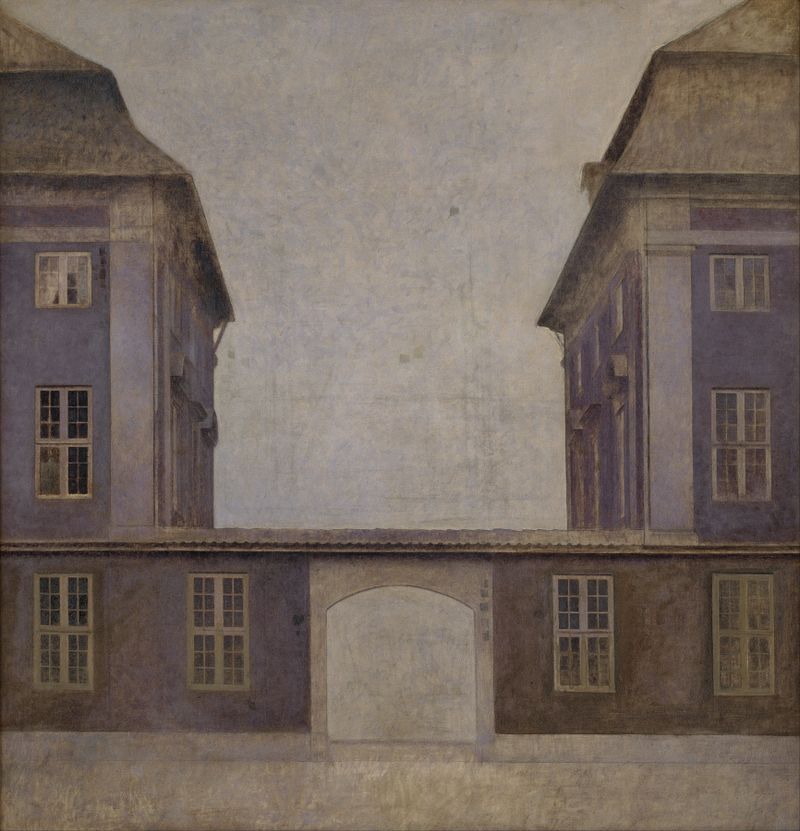
The Buildings of the Asiatic Company, seen from St. Annæ Street
Vilhelm Hammershøi

From Christianshavn’s Canal, Copenhagen
Vilhelm Hammershøi
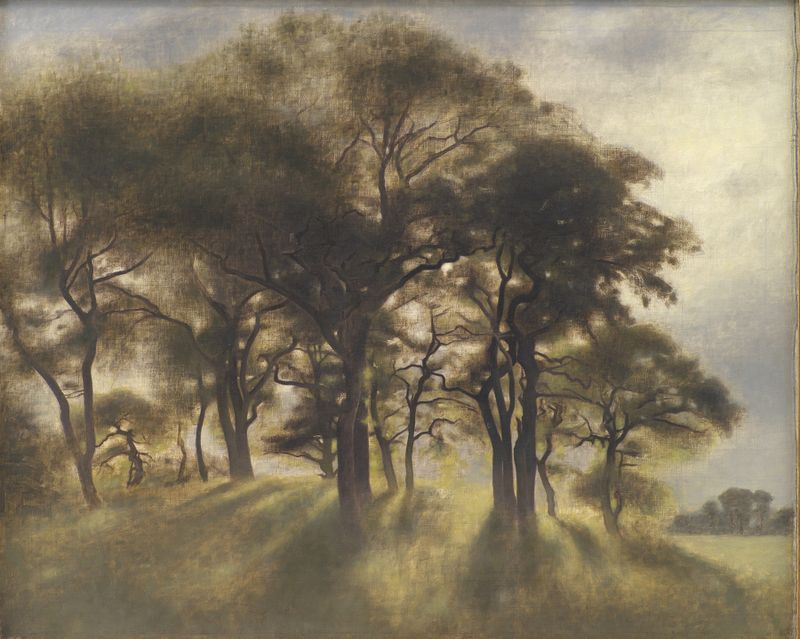
Near Fortunen, Jægersborg Deer Park, North of Copenhagen
Vilhelm Hammershøi





