
Landscape, Courrières, France — History & Facts
When Jules Breton first exhibited Landscape, Courrières, France in 1854, critics immediately recognized it as a turning point in his career—a departure from his earlier academic style toward the realism that would define his legacy. This painting marks one of the earliest instances where Breton turned his gaze to his native village of Courrières, capturing not just the land but the spirit of rural France on the eve of sweeping industrial change. The work stands out because, unlike his later, more populous scenes, it presents the landscape itself as the protagonist, foreshadowing the artist’s lifelong devotion to the dignity of rural life.
Some contemporary viewers were startled by the painting’s directness; as one 1854 review noted, "Breton has given us not an ideal, but the earth itself, as it lives and breathes." In the scene, the fields of Courrières stretch beneath a broad, cloud-laden sky, their furrows and hedgerows rendered with meticulous care. There are no heroic figures or mythic narratives—just the land, quietly worked and weathered by unseen hands. The low horizon and expansive sky draw the eye upward, while the subtle play of light across the fields suggests both the promise and hardship of agricultural labor.
Unlike the romanticized landscapes of Jean-Baptiste-Camille Corot, Breton’s vision is rooted in observation, favoring the honest textures of soil and sky over poetic mist. The painting’s restrained palette and careful composition invite viewers to contemplate the enduring relationship between people and place, even when the people themselves remain out of sight. The precise history of this painting’s ownership remains unclear, as records from the 1850s are fragmentary, and the medium itself is not definitively documented. What is certain is that Landscape, Courrières, France occupies a key place in Breton’s development, bridging his early academic work and the celebrated rural scenes that would later bring him international acclaim.
The painting has appeared in several retrospectives of Breton’s work, valued for its quiet radicalism and its role in shaping the course of French Realism. Today, it is preserved in an online collection, allowing new audiences to appreciate the moment when Breton first found his true subject in the fields of his childhood home.
More Artworks by Jules Breton

The Song of the Lark
Jules Breton
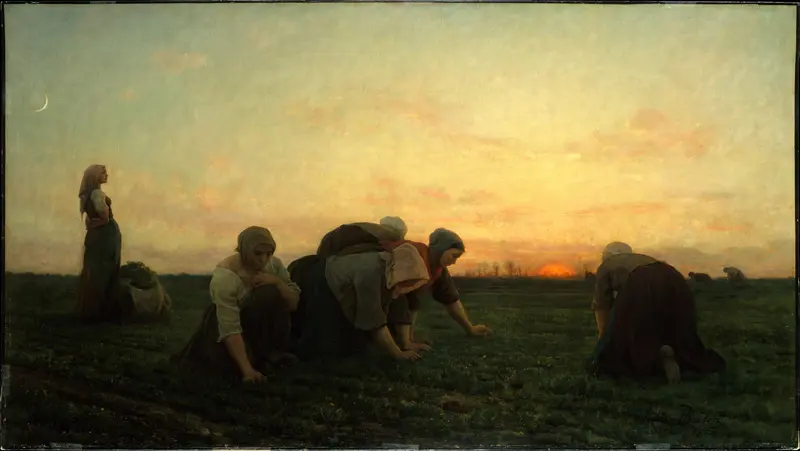
The Weeders
Jules Breton
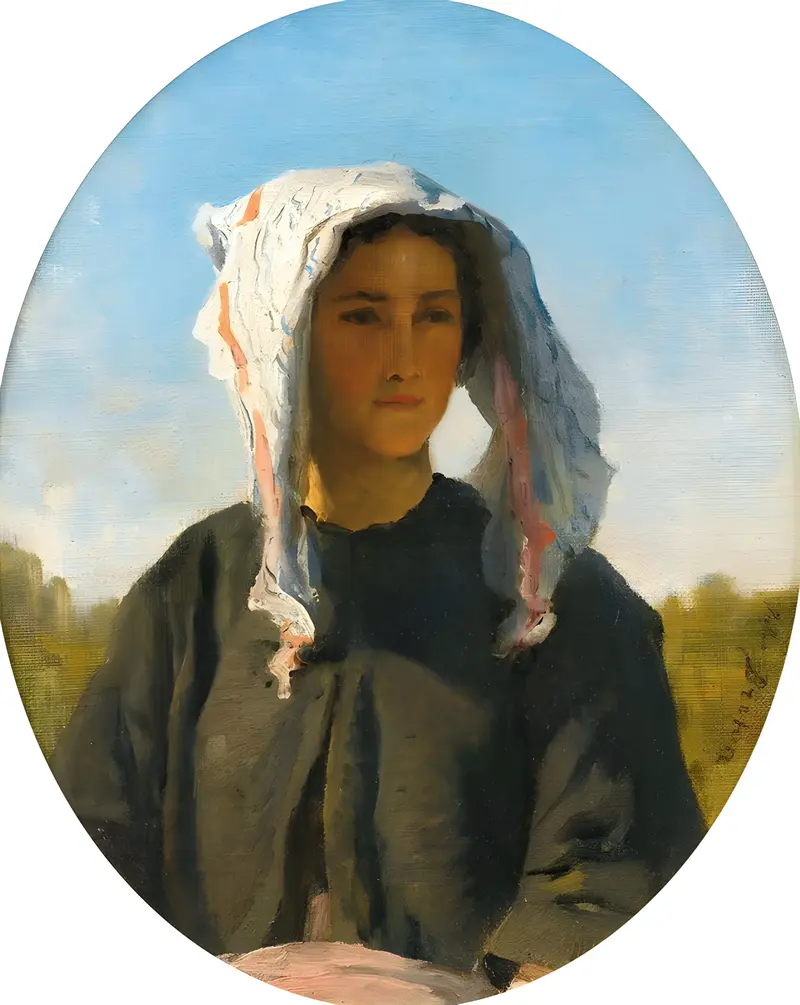
Portrait de jeune Paysanne Bordelaise
Jules Breton
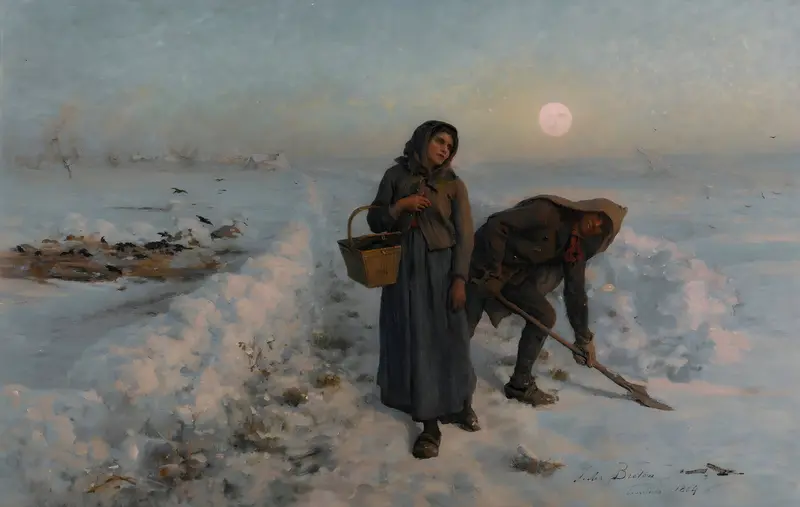
Sur la route en hiver; artois
Jules Breton
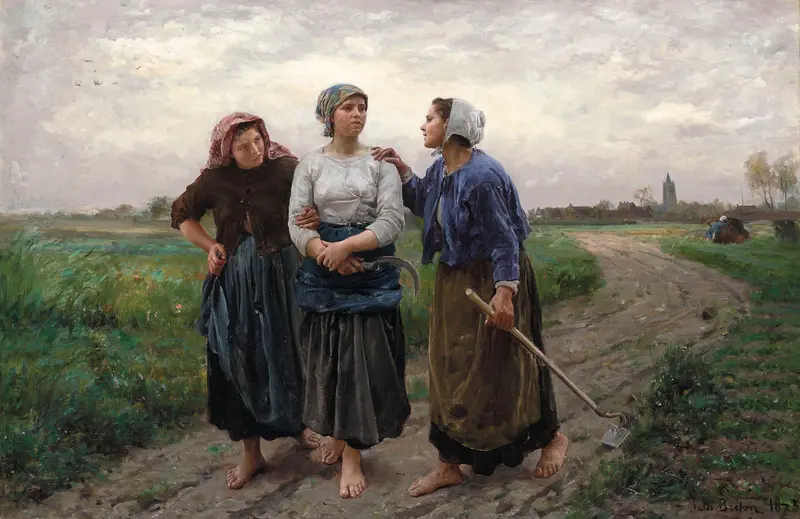
Les amies
Jules Breton
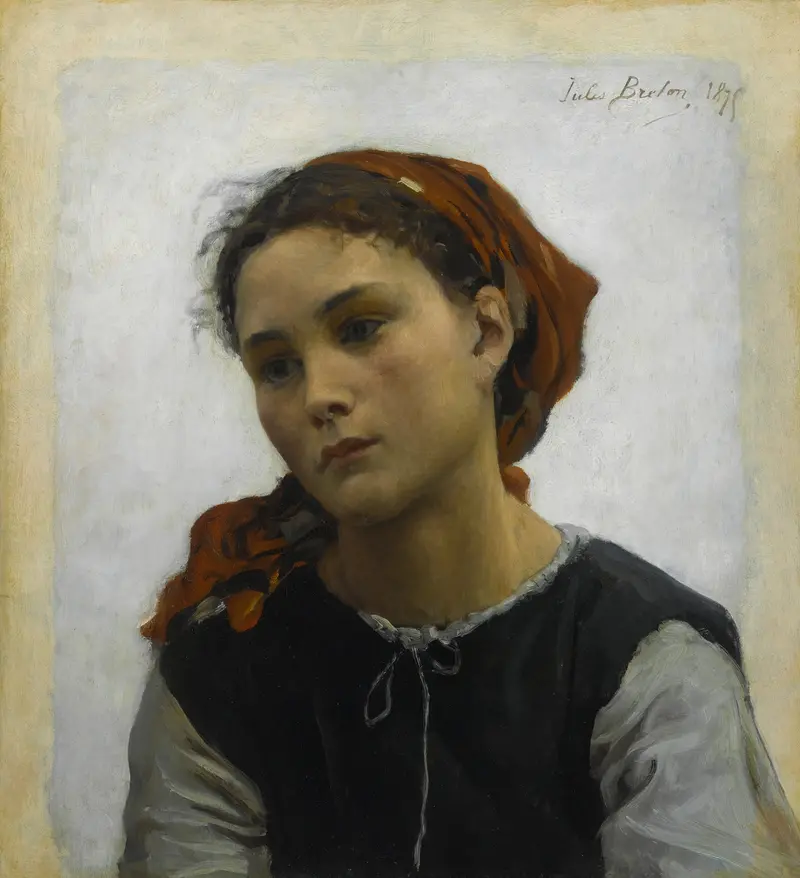
Innocente
Jules Breton
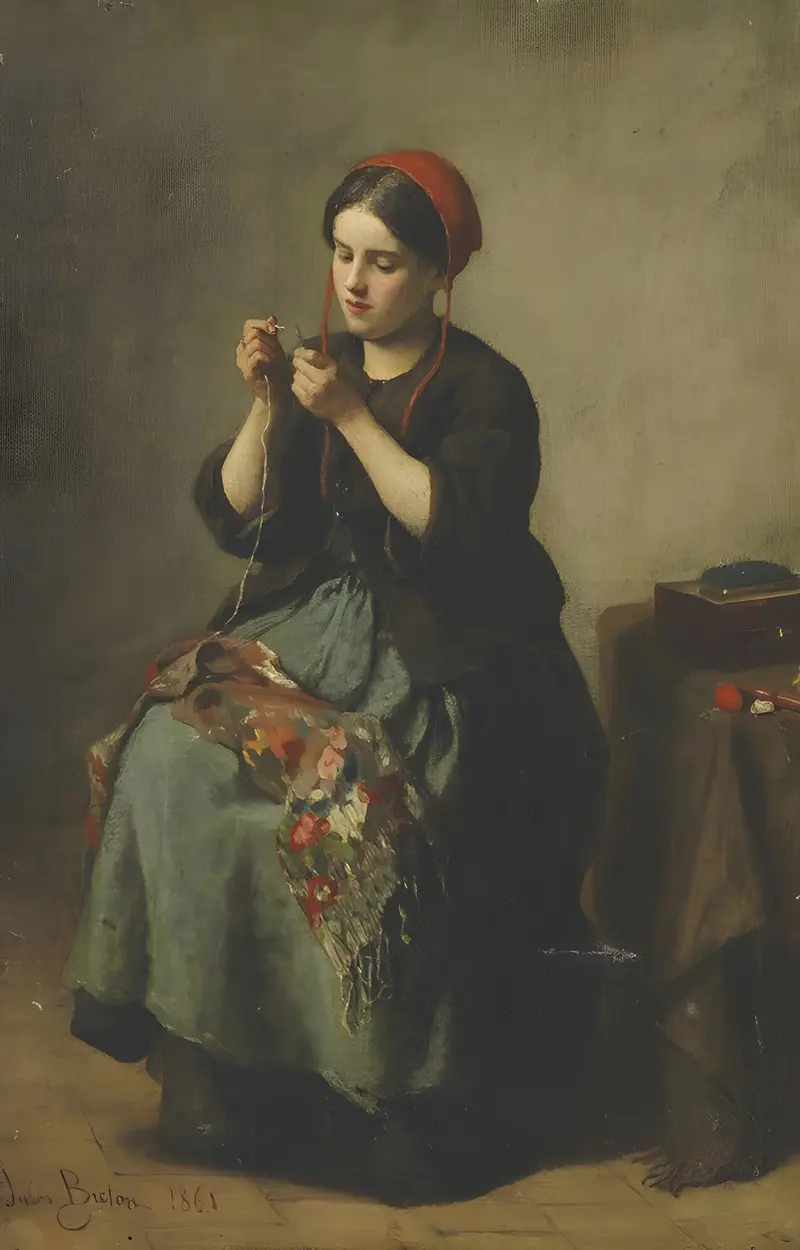
Peasant woman threading a needle
Jules Breton
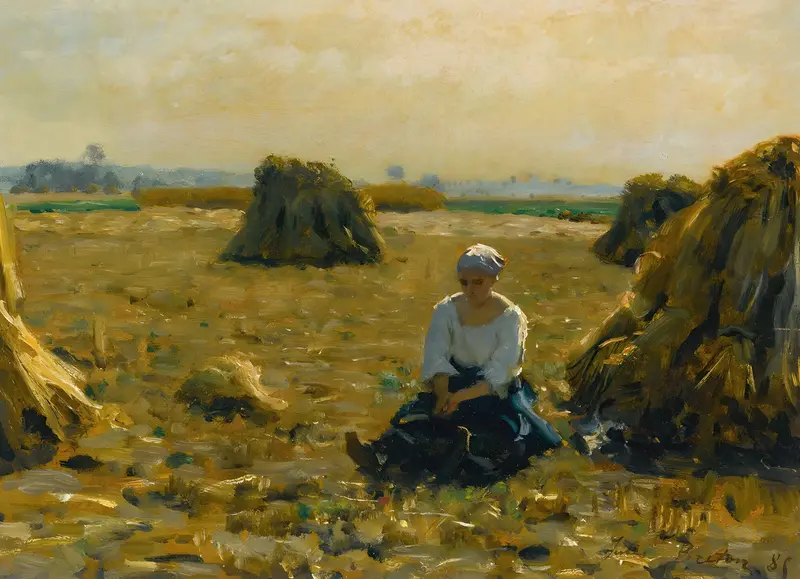
Jeune femme dans les champs
Jules Breton
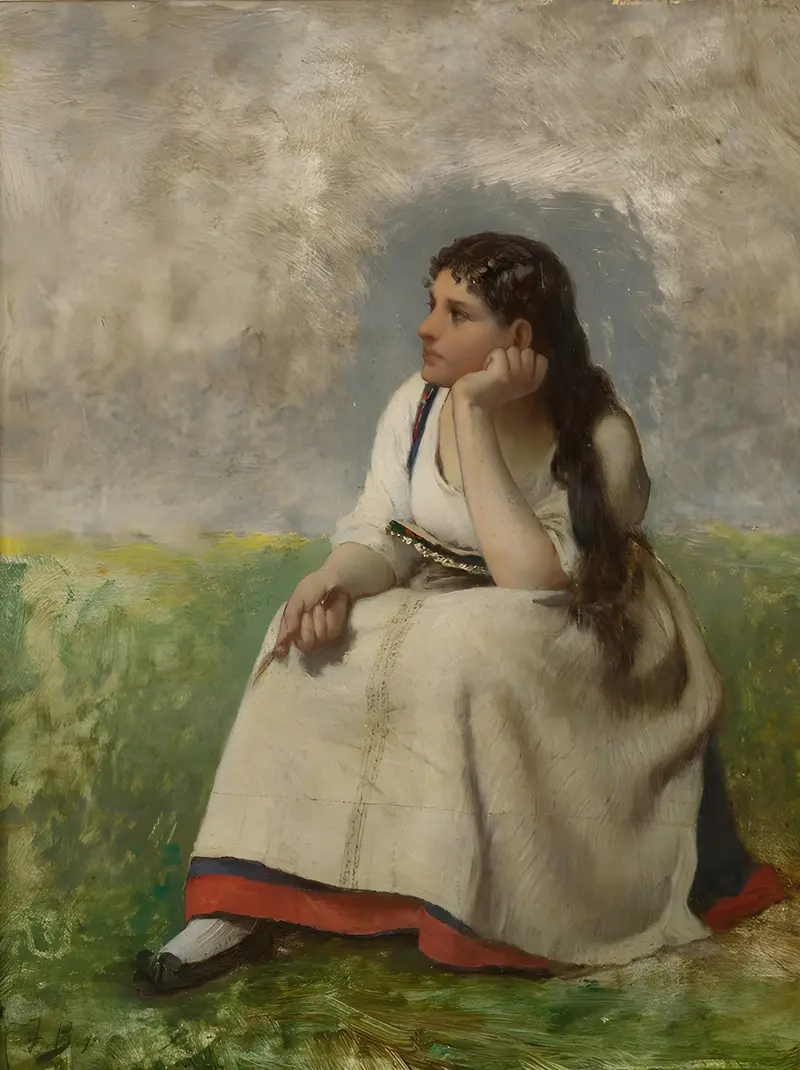
Jeune Fille Pensive
Jules Breton
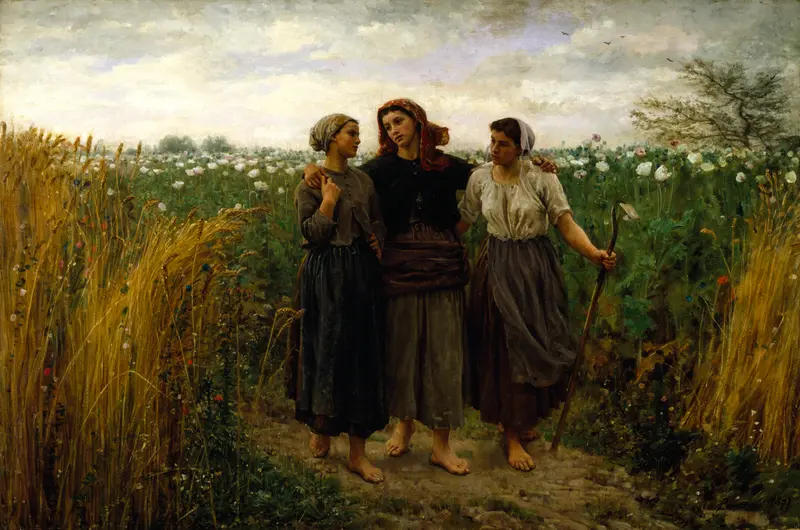
Returning from the Fields
Jules Breton
More Landscape Art

The Starry Night
Vincent van Gogh

View of Delft
Johannes Vermeer

Water Lilies
Claude Monet

The Grand Canal, Venice, looking north-west from the Ca' Corner to the Ca' Contarini degli Scrigni, with the campanile of Santa Maria della Carità
Canaletto

Windsor Castle
Canaletto

The Grand Canal looking North-East from the Palazzo Dolfin-Manin to the Rialto Bridge
Canaletto