
Landscape from Padasjoki — History & Facts
Where does light end, and longing begin? The delicate balance between dawn and dusk can evoke a powerful sense of awakening within the soul. In Landscape from Padasjoki, this interplay captivates the viewer, urging contemplation of nature’s quiet beauty and its deep emotional resonance. Look to the left at the soft blues and vibrant greens that seamlessly blend into one another, evoking a fresh spring morning. Notice how the light falls upon the landscape, illuminating the gentle undulations of the hills and casting elongated shadows that dance across the canvas.
The brushstrokes are fluid and expressive, capturing not just the scenery, but the spirit of the moment itself. The palette radiates warmth, reflecting an idyllic harmony that invites viewers to immerse themselves in this serene environment. As you explore the painting further, subtle tensions emerge. The stark contrast between the luminous sky and the dense, shadowy foreground hints at a world teetering between hope and melancholy.
The vibrant colors suggest renewal, yet the muted undertones of the earth evoke a sense of nostalgia, as if the land itself remembers the passage of time. Each element beckons us to reflect on our own journey, as nature stands as a witness to the cycles of life and the emotions they stir. In 1918, Alfred William Finch painted this work during a time of personal and global upheaval. Despite the remnants of World War I casting a long shadow over society, this period also sparked a renewed interest in nature and a yearning for peace.
Creating this landscape in Finland allowed him to connect with his surroundings, capturing an essence of tranquility amidst the chaos, and emphasizing the transformative power of art in healing and reflection.
More Artworks by Alfred William Finch
Browse all →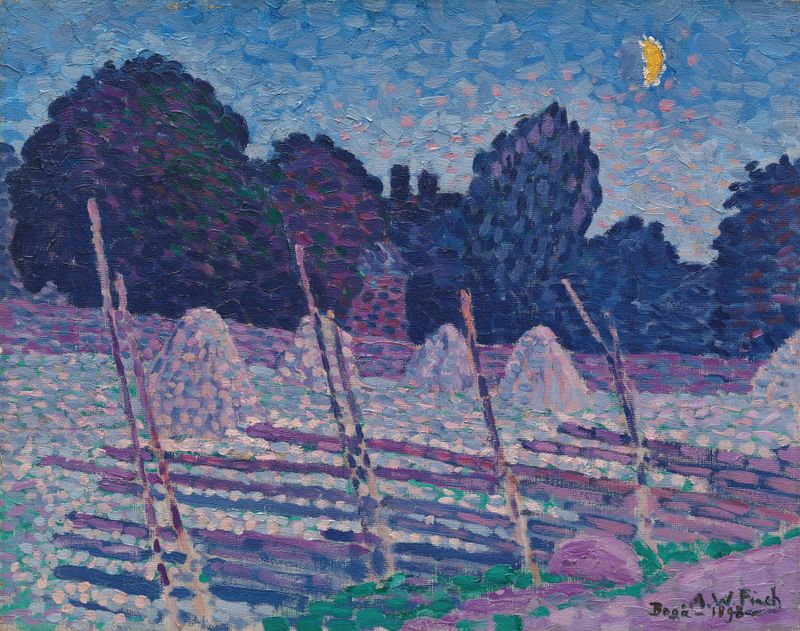
An August’s Night
Alfred William Finch
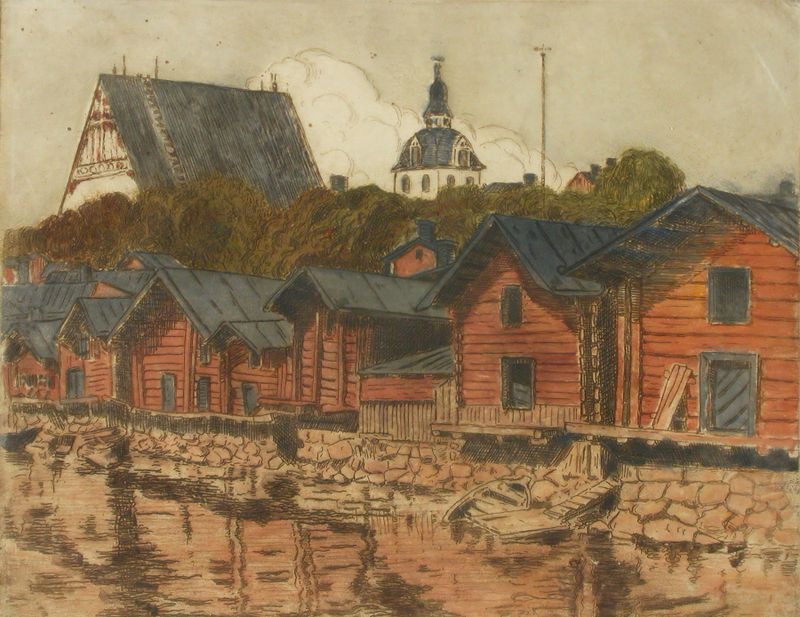
Porvoon ranta-aittoja
Alfred William Finch
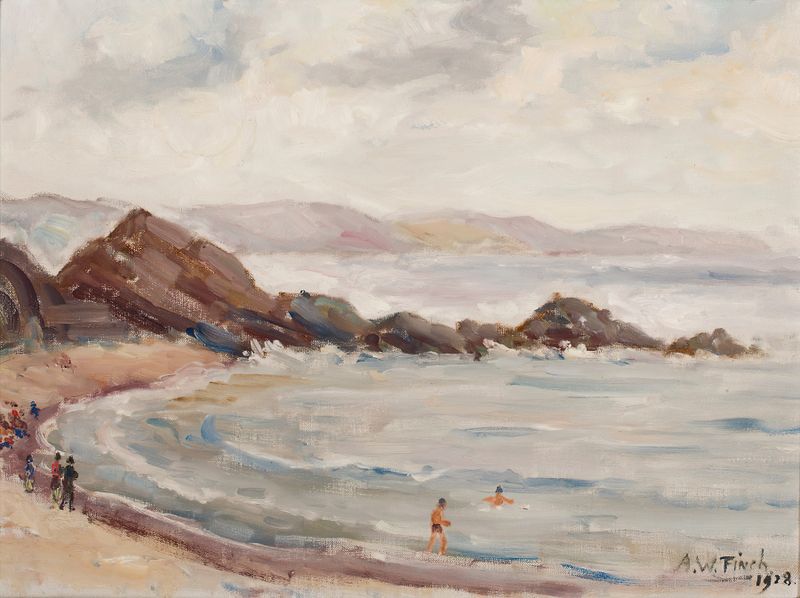
Looen rantaa
Alfred William Finch

Richmond, a River Landscape
Alfred William Finch
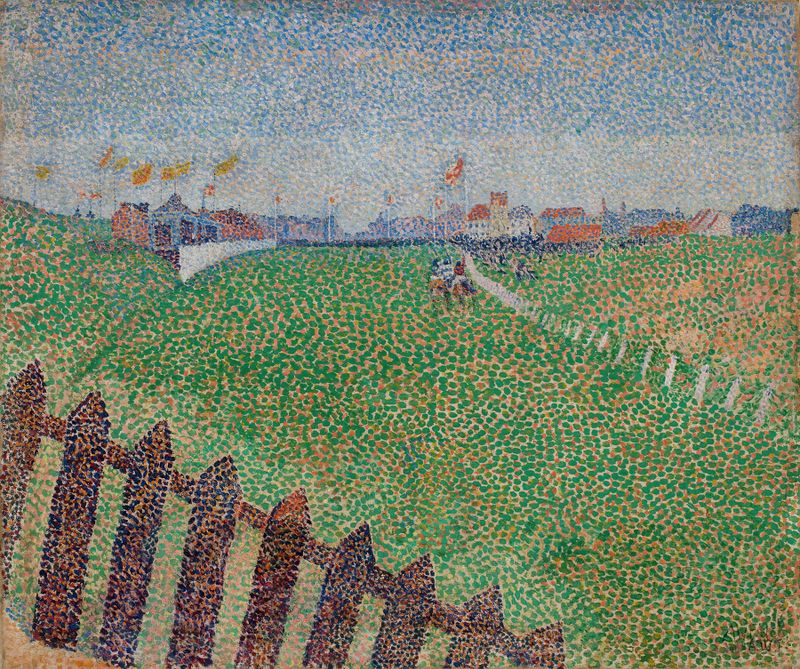
The Wellington Racecourse in Drizzle (Ostende)
Alfred William Finch
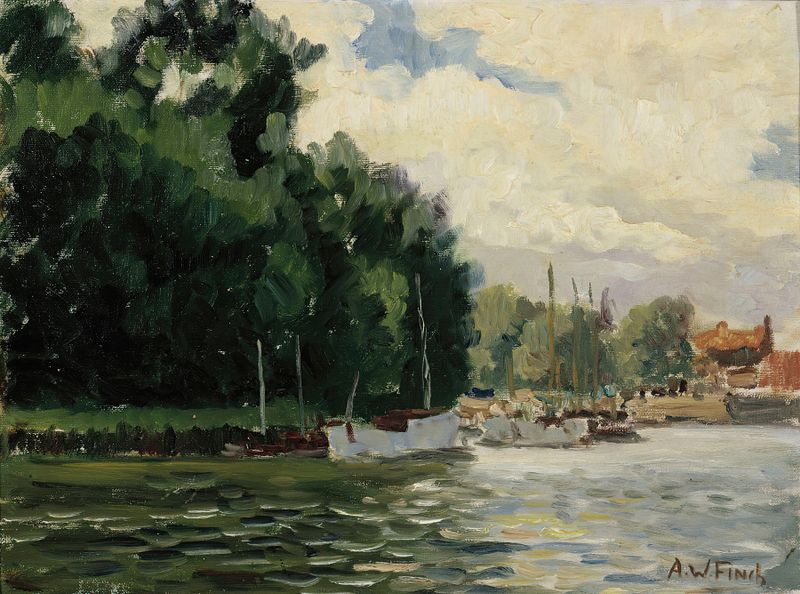
Richmond, Thames
Alfred William Finch
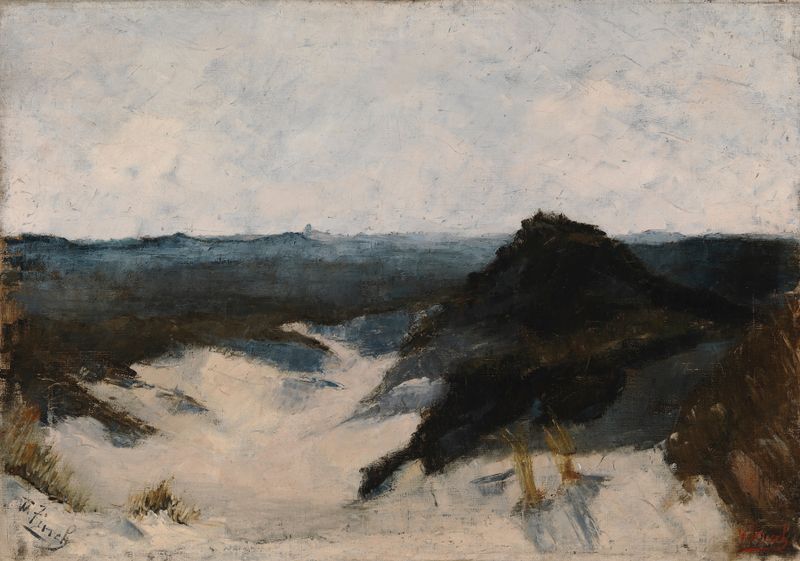
Shore View, Knocke
Alfred William Finch
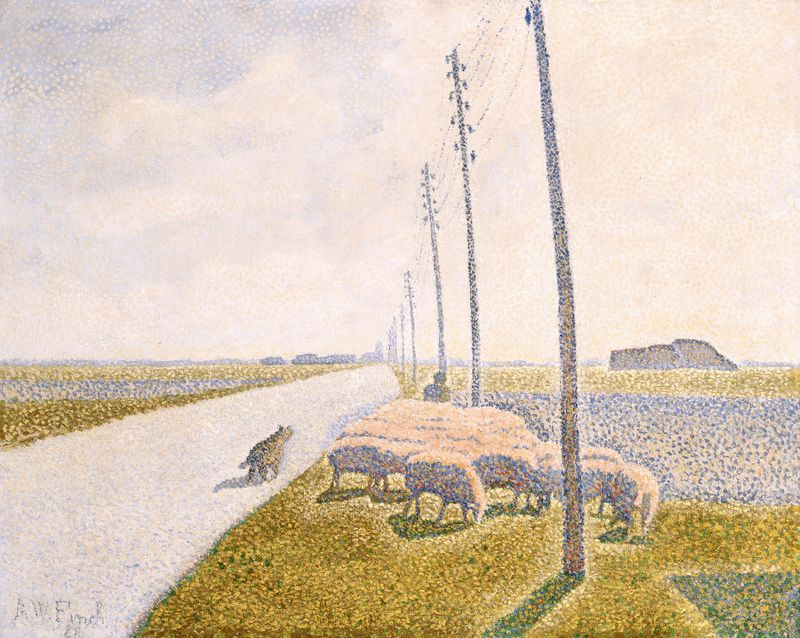
The Road to Nieuport
Alfred William Finch

Bushes
Alfred William Finch
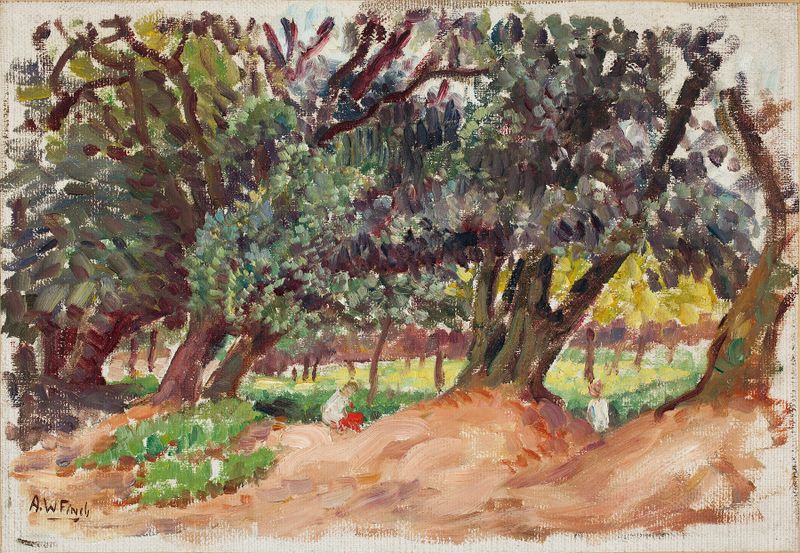
Puistokuva Englannista
Alfred William Finch





