
Landscape — History & Facts
The most intriguing fact about Landscape by Jules Schmalzigaug is that its date and even its medium remain uncertain, a rarity for an artist associated with the early 20th-century European avant-garde. This ambiguity has fueled ongoing debate among art historians, who attempt to situate the work within Schmalzigaug's brief but restless career. The painting’s elusive details mirror the artist’s own life, marked by constant movement across European capitals and a search for new forms of expression.
The lack of documentation has made Landscape a touchstone for discussions about lost or undocumented works from the period. At first glance, Landscape does not present a literal scene but rather an energetic play of color and form, suggesting a landscape reimagined through the lens of Futurism, the movement with which Schmalzigaug is most closely associated. Swirling lines and fractured planes seem to dissolve the boundaries between earth and sky, inviting the viewer to experience motion and light rather than a static view. This approach recalls the dynamic cityscapes of Umberto Boccioni, yet Schmalzigaug applies the same principles to nature, transforming trees and fields into rhythms of color.
The absence of figures or clear landmarks shifts the focus to sensation and perception, making the viewer an active participant in the act of seeing. Little is known about the early history of Landscape; no records of its commission or first exhibition have survived. It is likely that the painting was created during Schmalzigaug's years in Italy or Belgium, where he absorbed the innovations of the Futurists before returning to Antwerp. The work’s uncertain provenance and lack of signature have led to occasional doubts about its attribution, though most experts now agree on its authenticity.
Today, Landscape is recognized as a rare example of Schmalzigaug's engagement with landscape, standing apart from his more familiar urban and abstract compositions. Its presence in the online gallery offers a glimpse into a lesser-known facet of an artist whose career was cut short by war and illness.
More Artworks by Jules Schmalzigaug

A View of Scheveningen
Jules Schmalzigaug
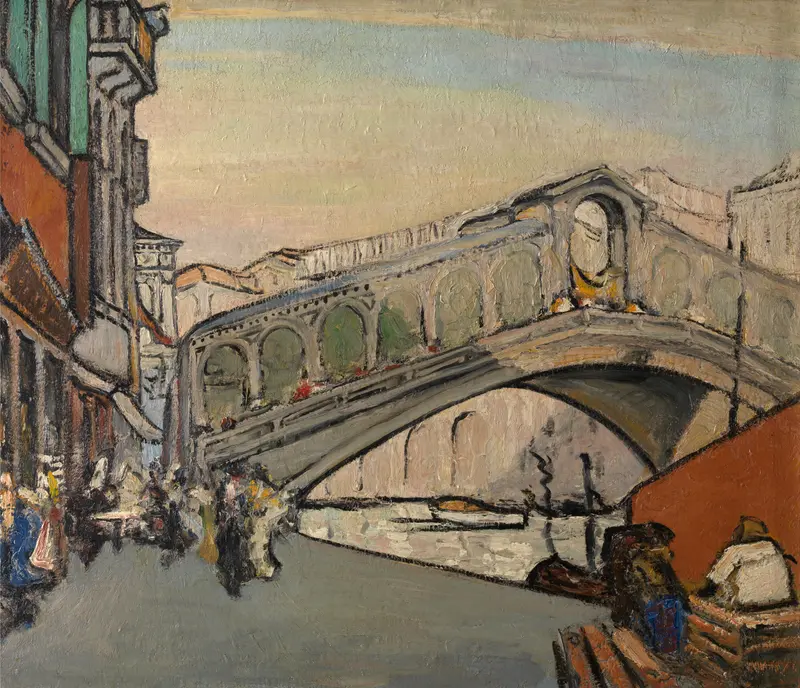
The Rialto Bridge in Venice
Jules Schmalzigaug

Abstract Bouquet
Jules Schmalzigaug
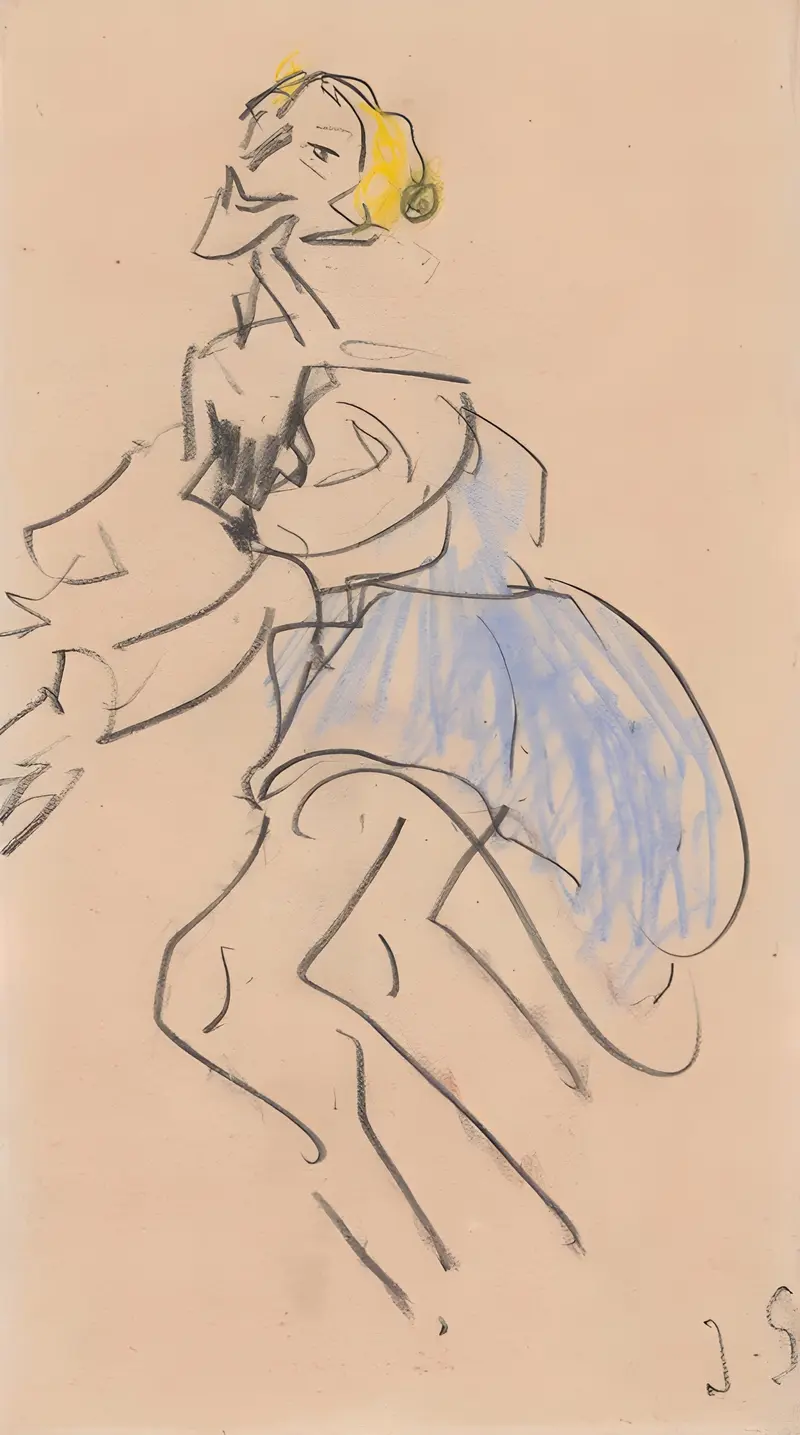
Dancer
Jules Schmalzigaug
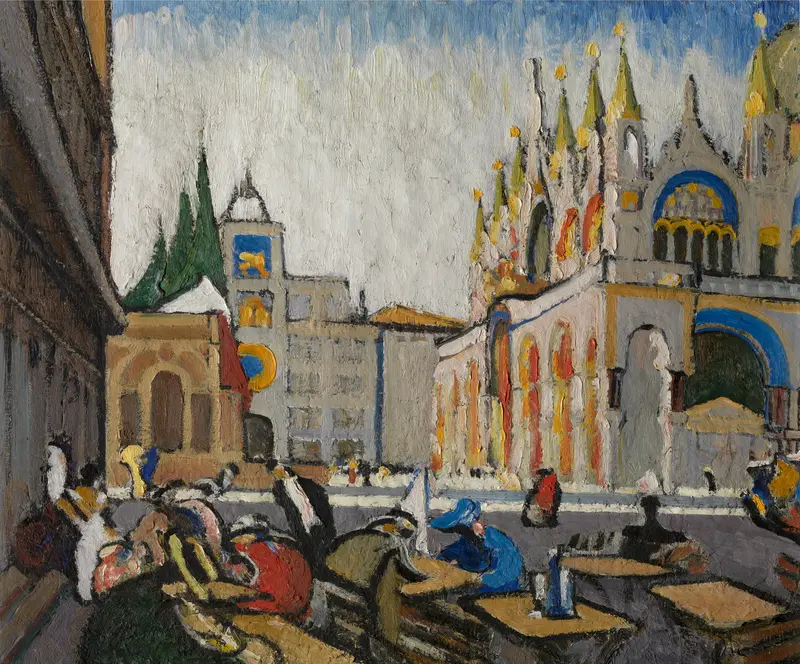
San Marco from the Piazetta
Jules Schmalzigaug
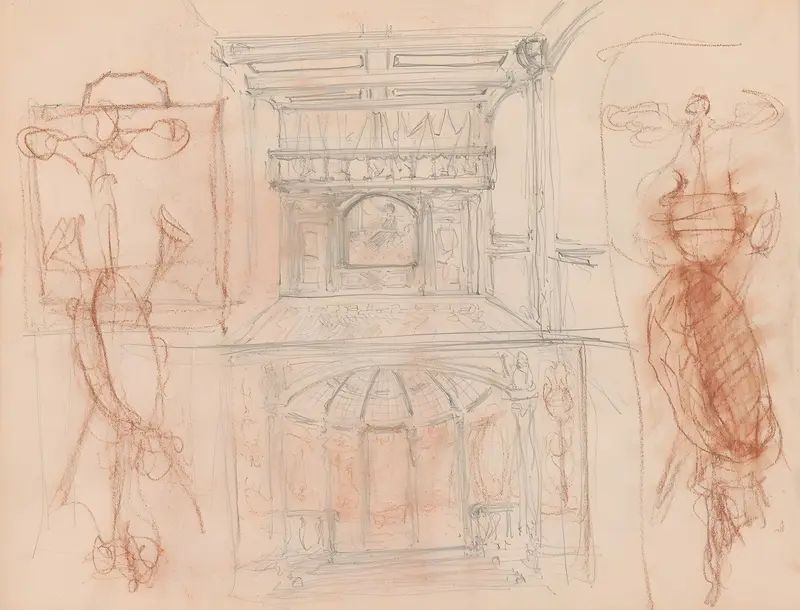
Architectural Elements
Jules Schmalzigaug
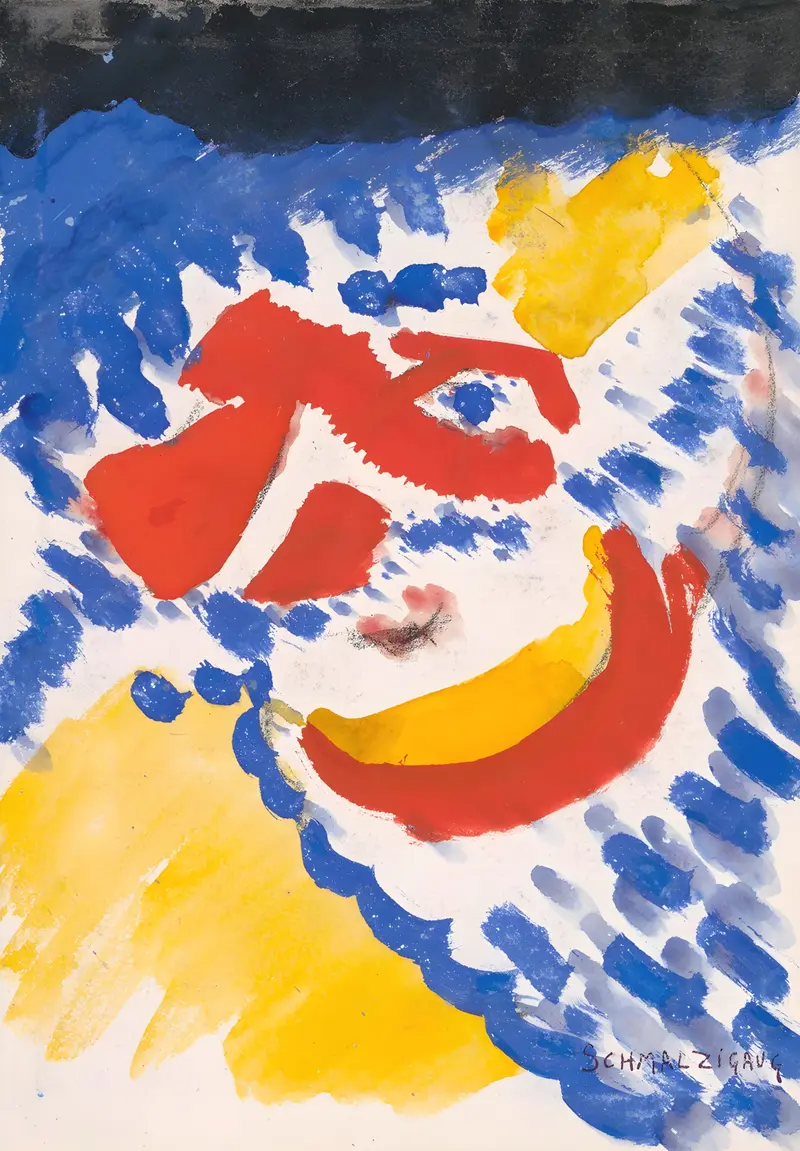
Blue, Red and Yellow Figures
Jules Schmalzigaug
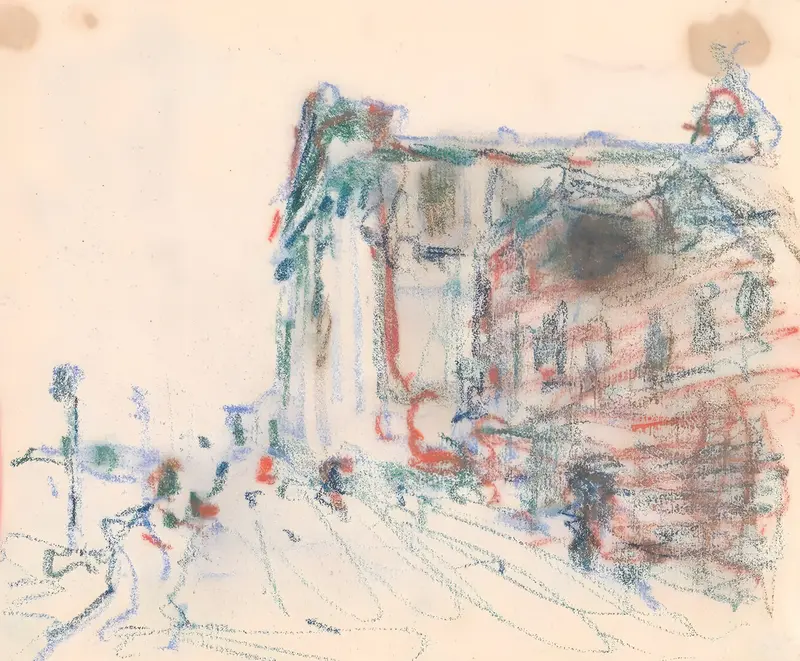
Chiesa dei Gesuati in Venice
Jules Schmalzigaug
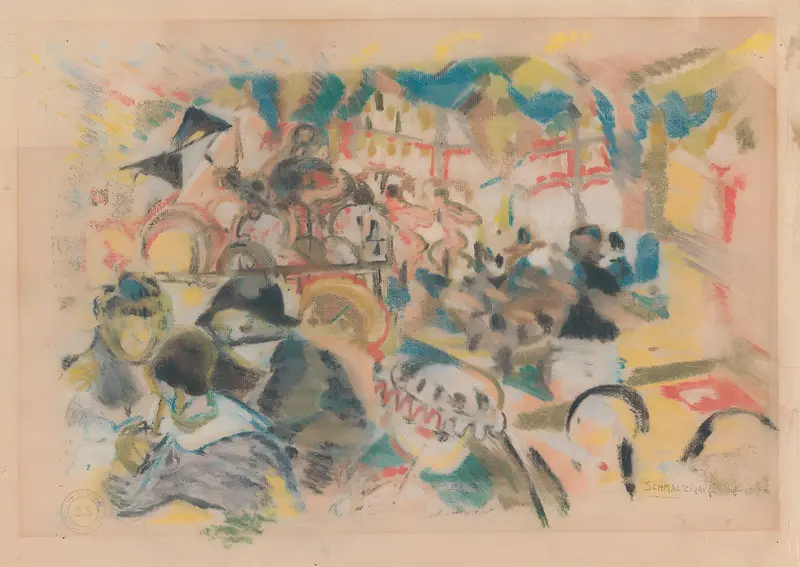
Café-chantant
Jules Schmalzigaug
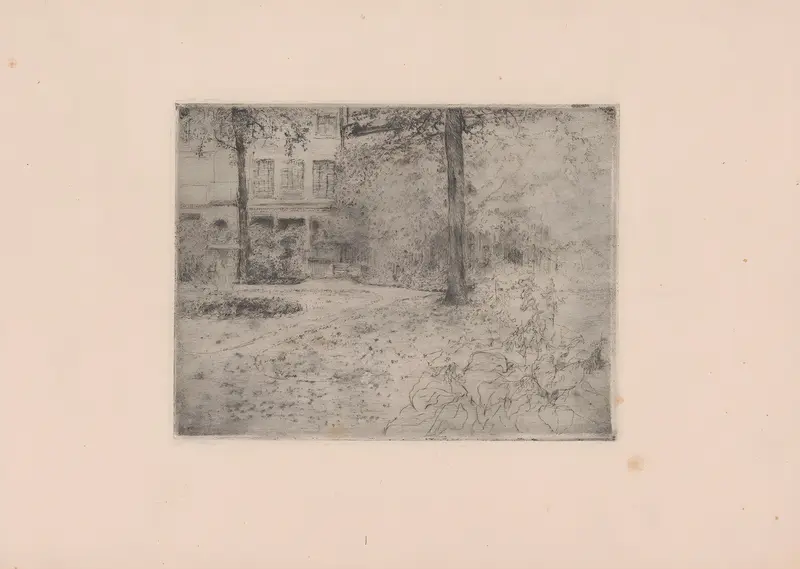
Backyard
Jules Schmalzigaug
More Landscape Art

The Starry Night
Vincent van Gogh

View of Delft
Johannes Vermeer

Water Lilies
Claude Monet

The Grand Canal, Venice, looking north-west from the Ca' Corner to the Ca' Contarini degli Scrigni, with the campanile of Santa Maria della Carità
Canaletto

Windsor Castle
Canaletto

The Grand Canal looking North-East from the Palazzo Dolfin-Manin to the Rialto Bridge
Canaletto