
Landscape on a River — History & Facts
What if beauty was never meant to be finished? Instead, it unfolds like a river, constantly flowing, shifting, and revealing the quiet inevitability of decay. Look to the left at the gently sloping banks, where soft greens intermingle with muted browns, the colors whispering of life and the passage of time. Notice how the light reflects off the water’s surface, creating a shimmering path that draws the eye toward the horizon. The brushwork, both fluid and deliberate, captures a moment of stillness in nature, punctuated by the delicate strokes that outline the trees and their shadows. In this landscape, contrasts abound: the vibrant life of the foreground battles the fading light of the background, suggesting an ever-present tension between vitality and decline.
The river, a metaphor for existence itself, winds through the canvas, hinting at moments of beauty and decay alike. Small details, such as a solitary bird in the sky or the weathered roots of a tree, serve as reminders of nature’s resilience amidst the inevitable cycle of life and death. In 1863, the artist created this serene vision in France, during a time when the art world was embracing Impressionism. Daubigny was deeply influenced by his surroundings, reflecting both personal introspection and broader artistic movements.
His work during this period aimed to capture fleeting moments in nature, a departure from the grand historical themes that had dominated earlier art, allowing viewers to see beauty in the mundane and ephemeral.
More Artworks by Charles François Daubigny
Browse all →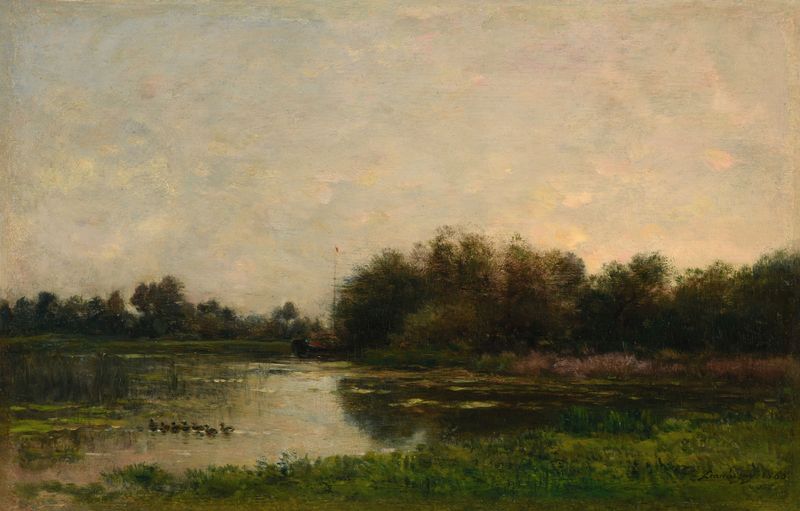
Bords de l’Oise
Charles François Daubigny
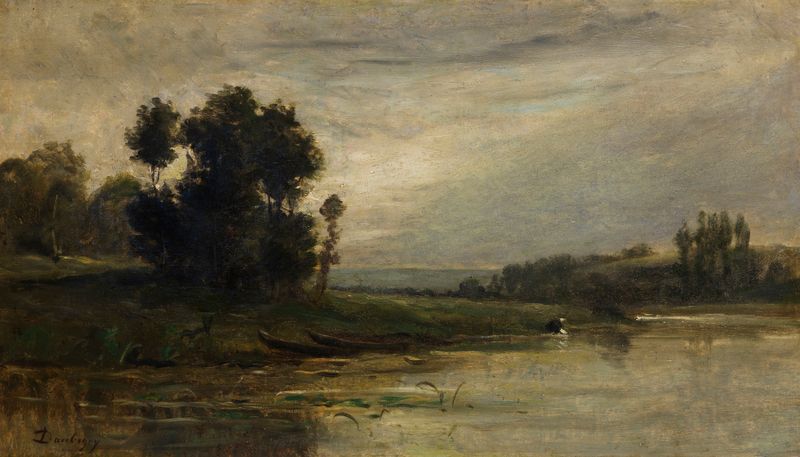
Bords de l’Oise
Charles François Daubigny
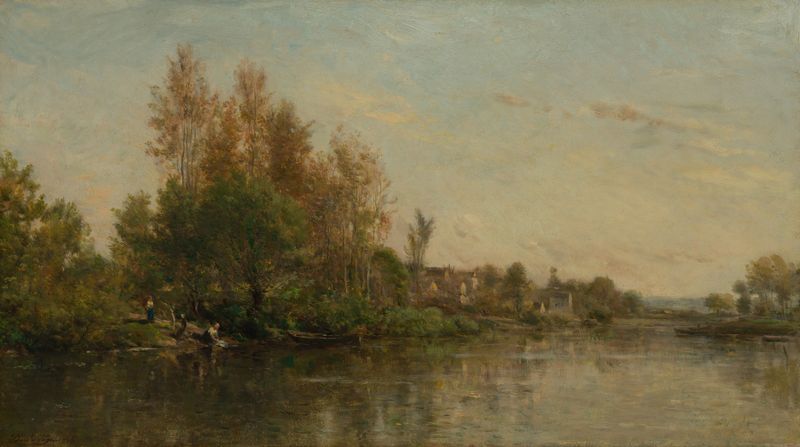
The Banks of the Oise
Charles François Daubigny
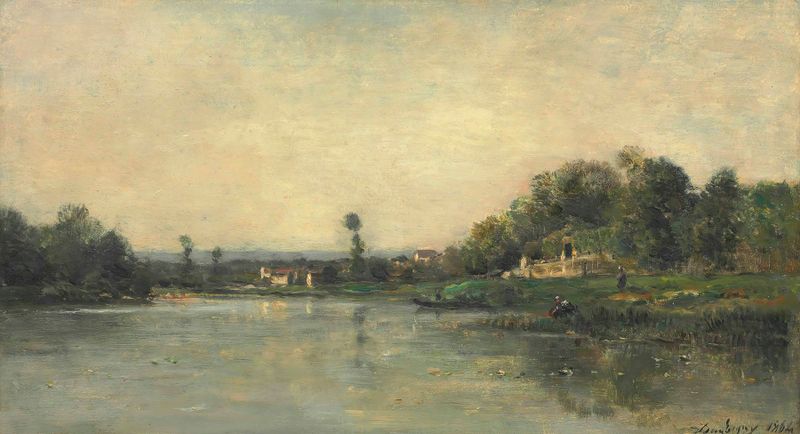
Les Bords De L’oise
Charles François Daubigny
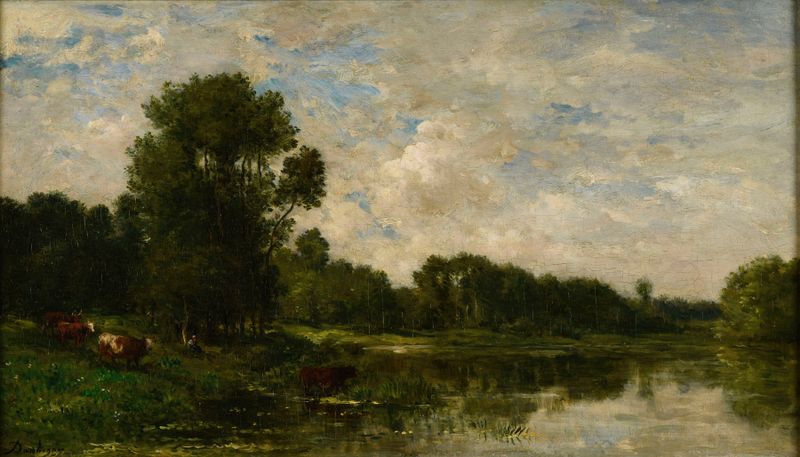
Bords de l’Oise
Charles François Daubigny
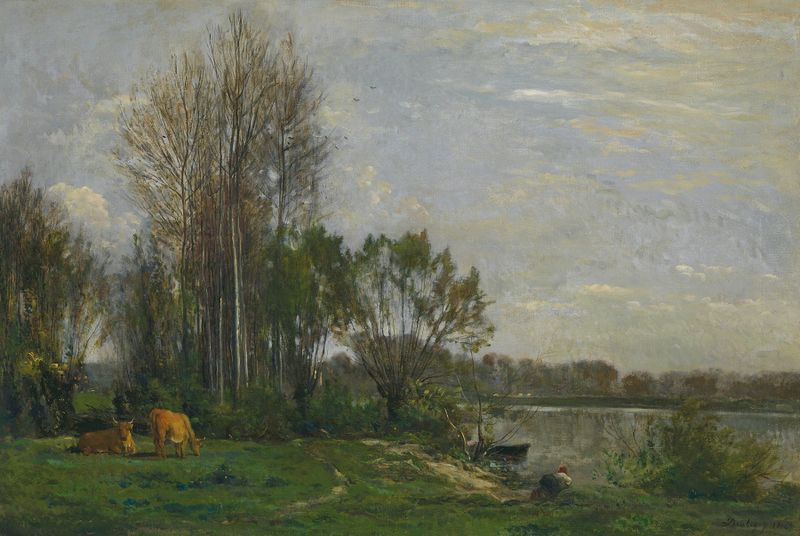
Les Bord De L’oise
Charles François Daubigny
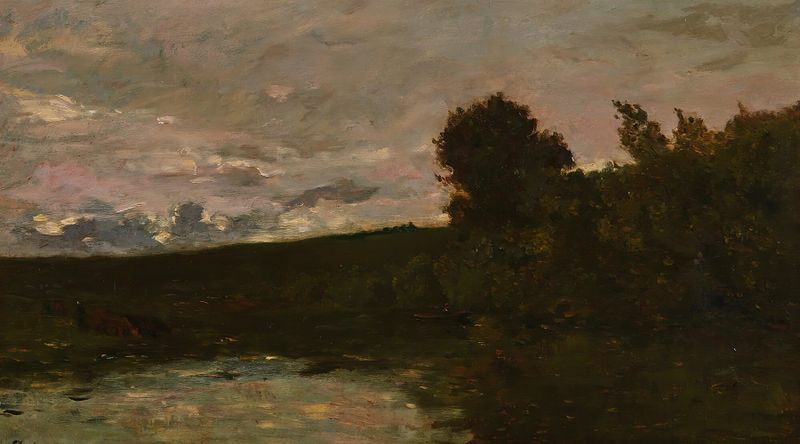
Bord De Riviére
Charles François Daubigny
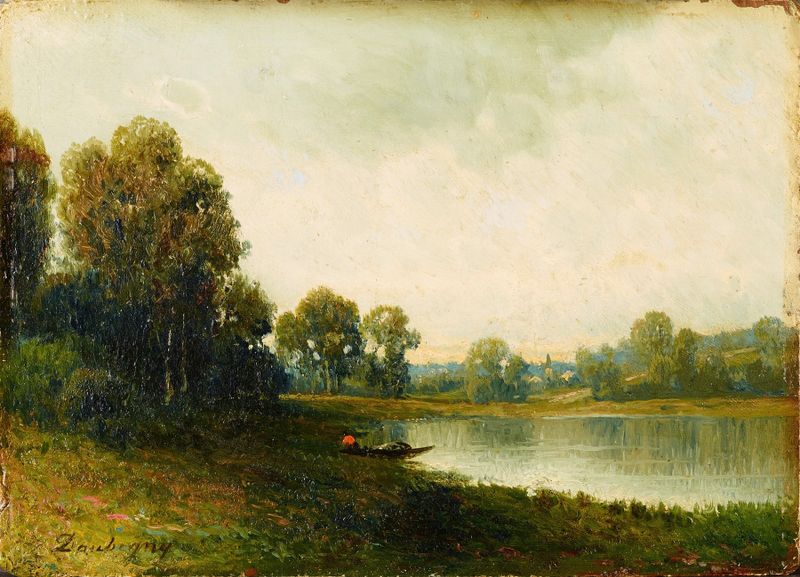
Landscape
Charles François Daubigny
Herbstliche Aulandschaft Abendstimmung
Charles François Daubigny
Landscape near Crémieu
Charles François Daubigny





