
Landscape on the Oise — History & Facts
In the tranquil expanse of nature, where the horizon meets the sky, whispers of life and death coexist harmoniously, revealing the fragility of existence. The brushstrokes linger between the living hues of green and the muted tones of decay, reminding us of the cycles that bind us to the earth. Look to the left at the gentle curve of the river, its surface flickering with dappled sunlight, guiding your gaze across the canvas. Notice how the artist uses a palette of soft greens and blues that blend seamlessly, inviting you to roam the landscape.
The trees, sturdy yet silhouetted against a fading sky, stand as guardians of the scene, while the wisps of clouds suggest an impending change, hinting at the transience of time. In the foreground, delicate wildflowers blossom, their fleeting beauty contrasting sharply with the enduring earth around them. The interplay of light and shadow creates a depth that evokes not just the serenity of nature, but also the inevitability of decay. Each element in the composition speaks to the tension between life’s vibrancy and its ephemeral nature, prompting reflection on our own existence and mortality. Charles François Daubigny painted Landscape on the Oise in 1872, during a transformative period for the art world.
Living in France, he was part of the Barbizon School, which sought to depict nature with sincerity and emotional depth. This era was marked by shifting artistic movements, as artists began to break free from academic traditions, embracing Impressionism and the beauty of the natural world, which profoundly influenced Daubigny’s work.
More Artworks by Charles François Daubigny
Browse all →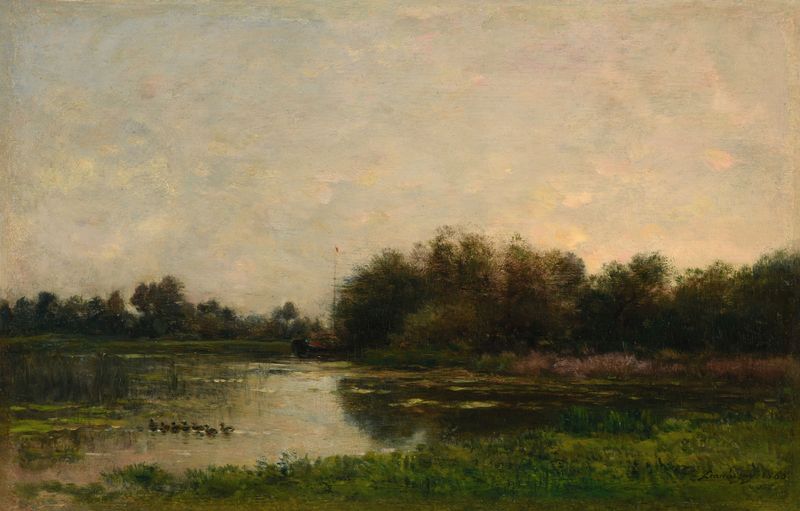
Bords de l’Oise
Charles François Daubigny
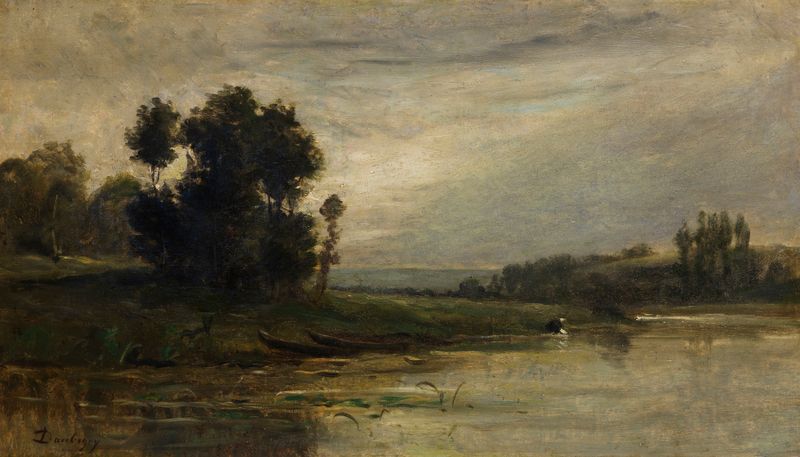
Bords de l’Oise
Charles François Daubigny
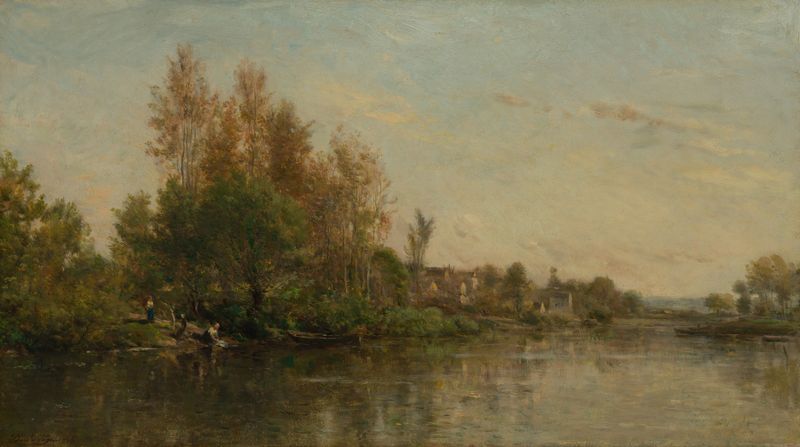
The Banks of the Oise
Charles François Daubigny
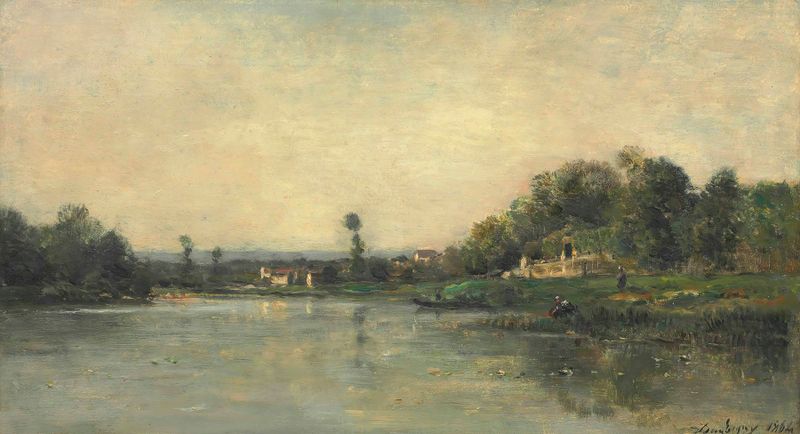
Les Bords De L’oise
Charles François Daubigny
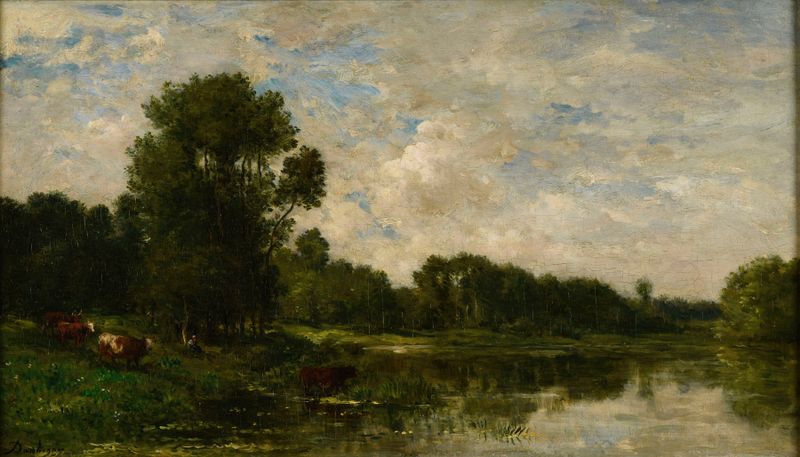
Bords de l’Oise
Charles François Daubigny
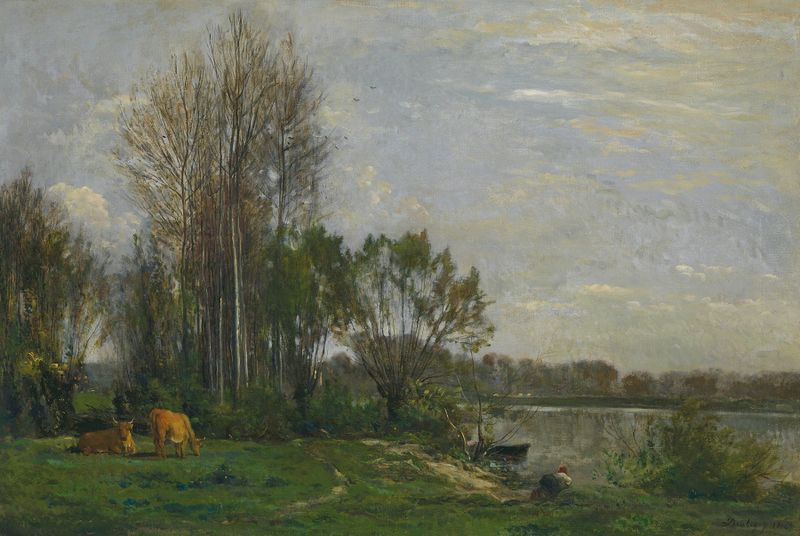
Les Bord De L’oise
Charles François Daubigny
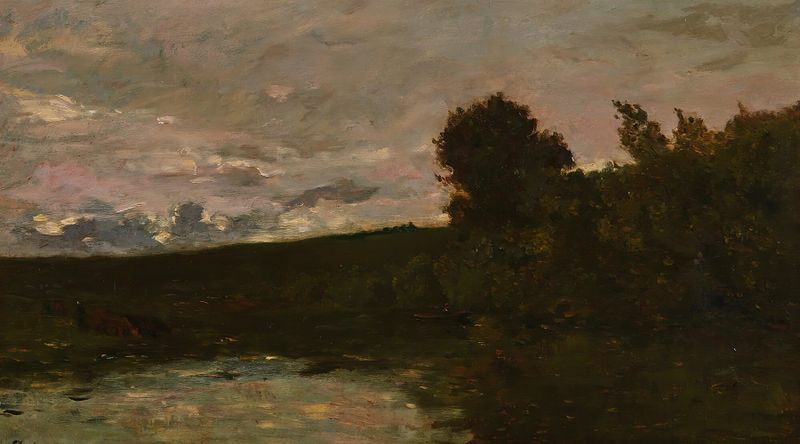
Bord De Riviére
Charles François Daubigny
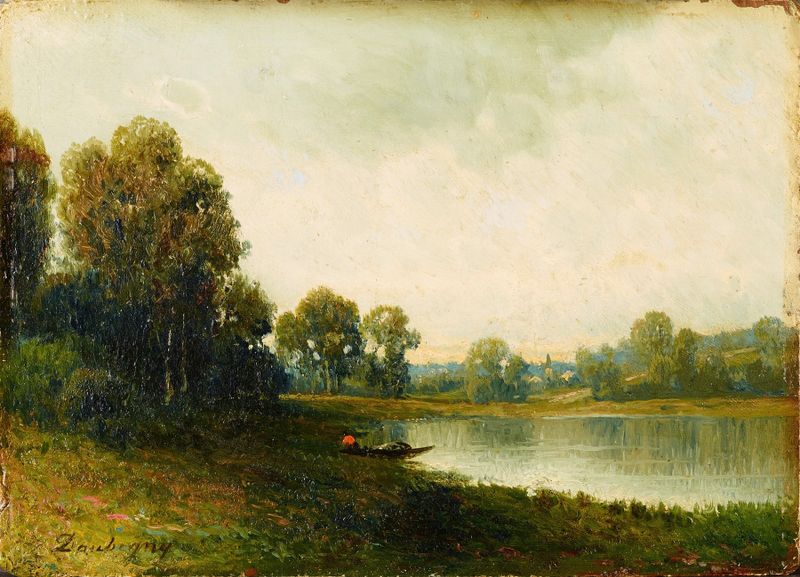
Landscape
Charles François Daubigny
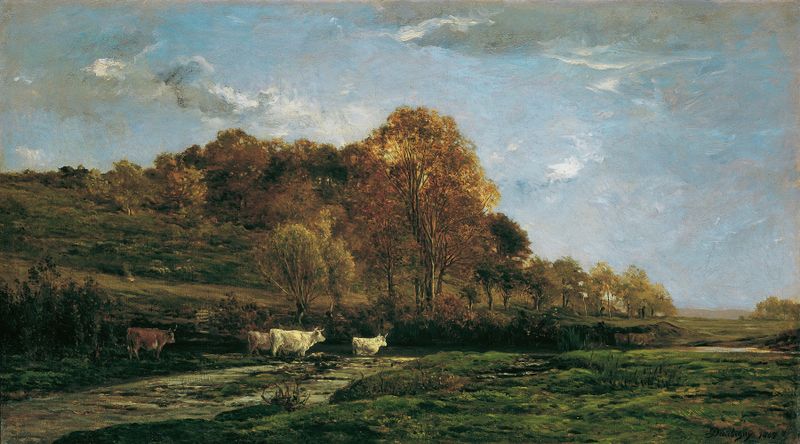
Herbstliche Aulandschaft Abendstimmung
Charles François Daubigny
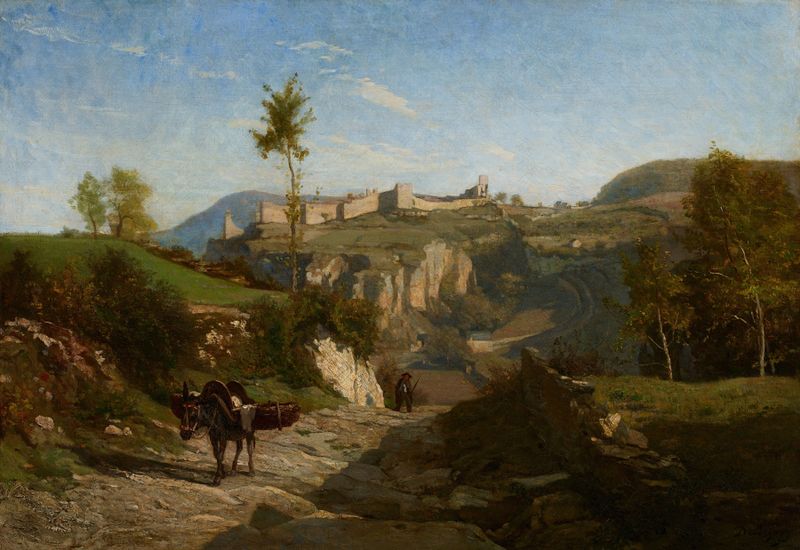
Landscape near Crémieu
Charles François Daubigny





