
Landscape With A Canal In Holland — History & Facts
In the vastness of nature, what do we find beneath the quiet surface? Look to the lower right corner where a gentle canal meanders, its waters reflecting the soft hues of twilight. The interplay of deep greens and muted blues creates a tranquil depth, pulling your gaze into the serene embrace of the landscape. Notice how Daubigny masterfully captures the soft, diffused light spilling across the scene, highlighting the fragile balance between land and water, solitude and connection. Yet, beneath this idyllic facade lies a profound sense of emptiness.
The absence of human presence enhances the feeling of isolation, inviting contemplation on nature’s quiet resilience. The subtle brushstrokes convey a fleeting moment, perhaps a reminder of time's passage, while the stillness of the canal evokes a longing for stillness amidst the chaos of life. This interplay of presence and absence unveils a tension that resonates deeply within the viewer. During this period, the artist painted landscapes that were inspired by his observations of the French countryside, often capturing fleeting moments of beauty.
Daubigny was actively contributing to the Barbizon School's emphasis on naturalism and outdoor painting, which sought to bridge the gap between academic art and the realities of nature. In the world of art at that time, he was navigating a landscape of shifting styles and philosophies, embracing the essence of the ordinary while elevating its significance.
More Artworks by Charles François Daubigny
Browse all →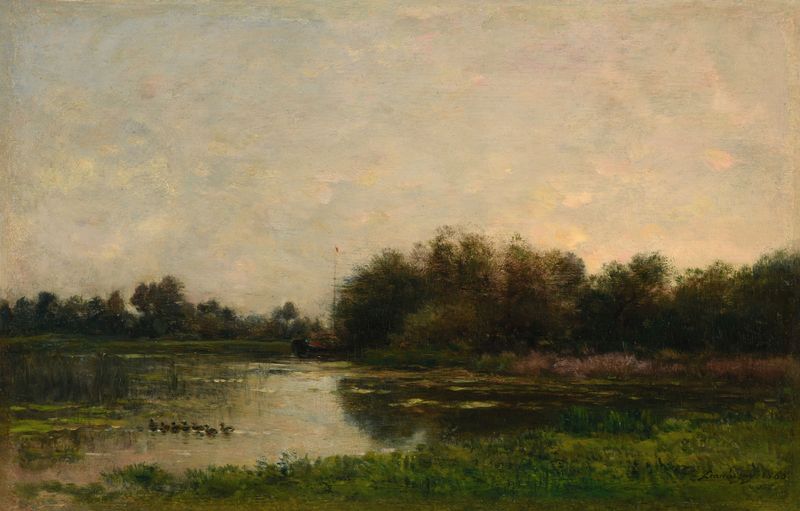
Bords de l’Oise
Charles François Daubigny
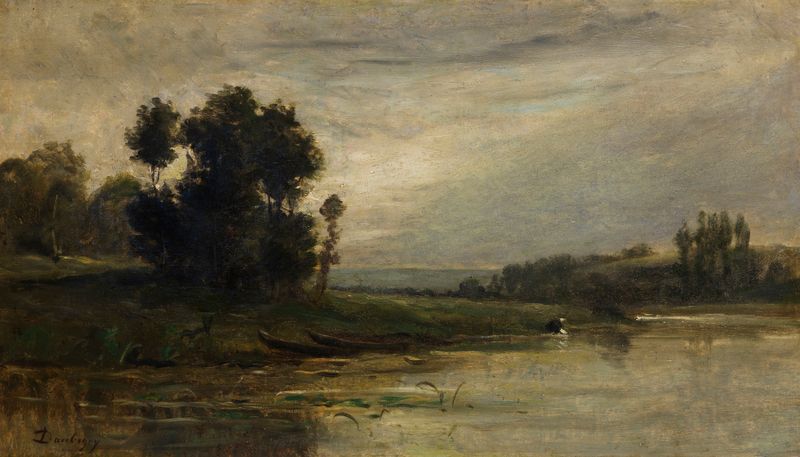
Bords de l’Oise
Charles François Daubigny
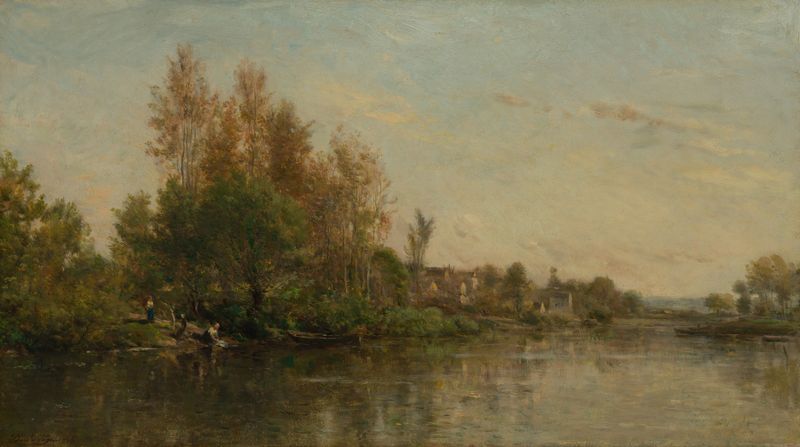
The Banks of the Oise
Charles François Daubigny
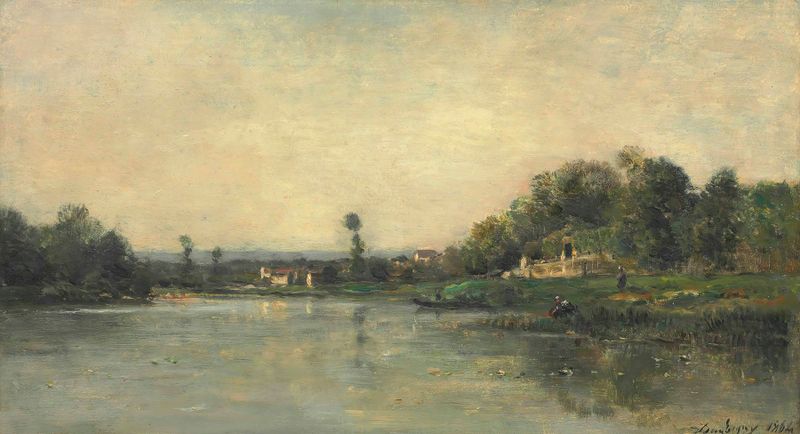
Les Bords De L’oise
Charles François Daubigny
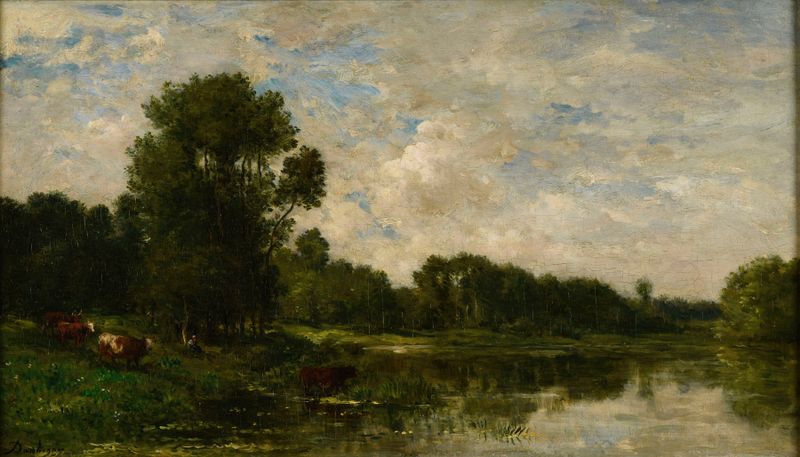
Bords de l’Oise
Charles François Daubigny
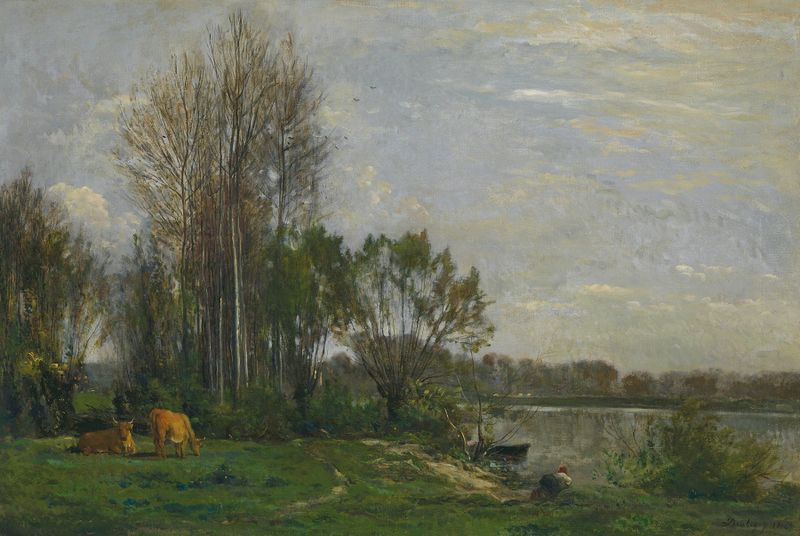
Les Bord De L’oise
Charles François Daubigny
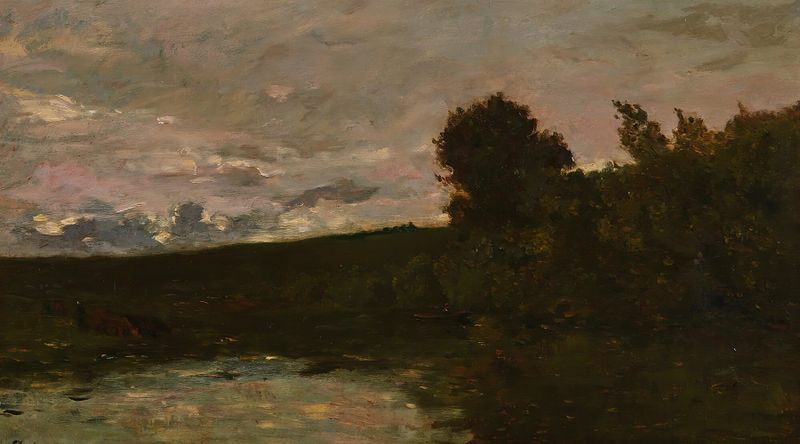
Bord De Riviére
Charles François Daubigny
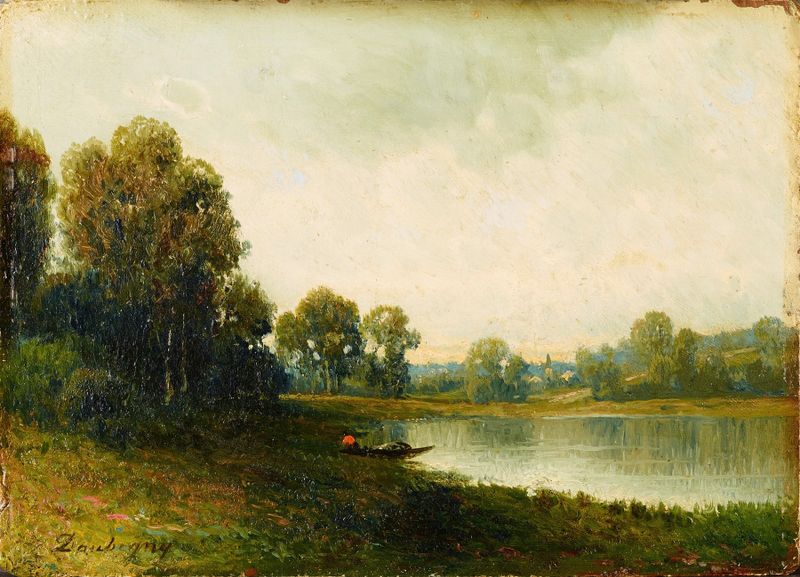
Landscape
Charles François Daubigny
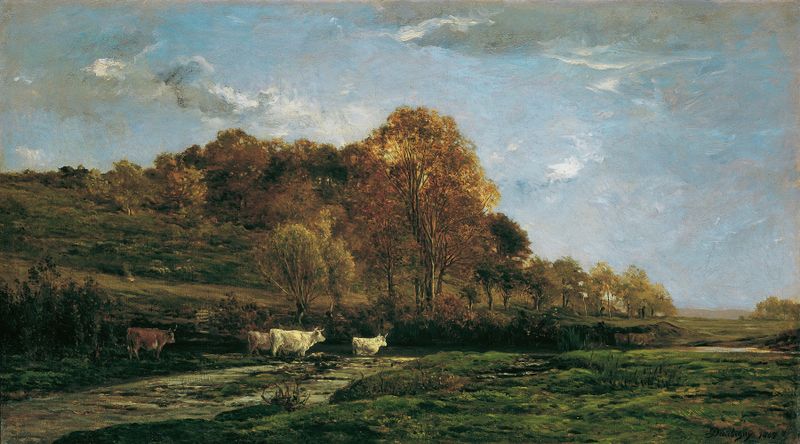
Herbstliche Aulandschaft Abendstimmung
Charles François Daubigny
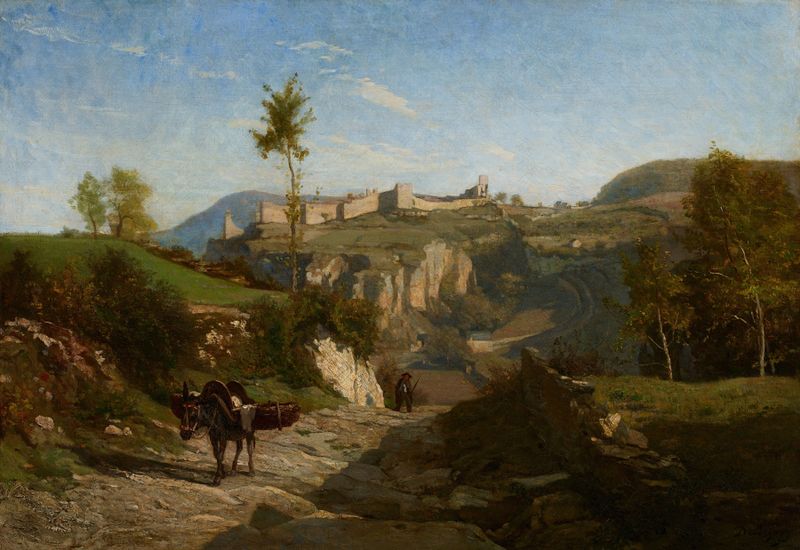
Landscape near Crémieu
Charles François Daubigny





