
Landscape with a swamp — History & Facts
Could beauty survive in a century of chaos? This question lingers as one gazes upon the serene yet haunting imagery of a secluded swamp. Look to the center of the canvas where a still, reflective body of water captures the surrounding wilderness. The painter’s brushwork renders the trees with intricate detail, their gnarled roots jutting into the water like fingers grasping at forgotten sorrows. Soft hues of green and blue intermingle with the subtle browns of the earth, creating a harmonious yet unsettling palette that hints at the fragility of this natural refuge. As you explore the edges of the painting, the juxtaposition of life and decay becomes apparent.
Wisps of fog cling to the water’s surface, suggesting a sense of mystery and perhaps foreboding. The presence of decaying branches and the faint ripples in the otherwise tranquil water evoke feelings of betrayal—a reminder that even the most beautiful landscapes are not immune to the passage of time and the scars of human impact. In 1898, when this piece emerged, Ľudovít Čordák was navigating a burgeoning art scene in Hungary, grappling with the transition from romanticism to modernism. The world outside was marked by political turmoil and the lingering shadows of industrialization, which cast a pall over the natural beauty that the artist so lovingly captured.
Yet amid the chaos, his work stands as a testament to the enduring power of nature, inviting viewers to reflect on the delicate balance between beauty and despair.
More Artworks by Ľudovít Čordák
Browse all →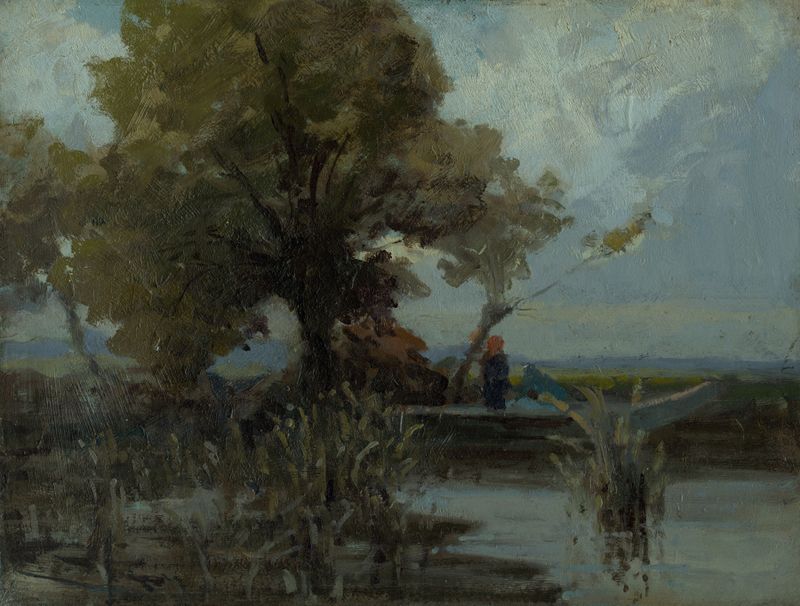
Košatý strom pri jazere
Ľudovít Čordák
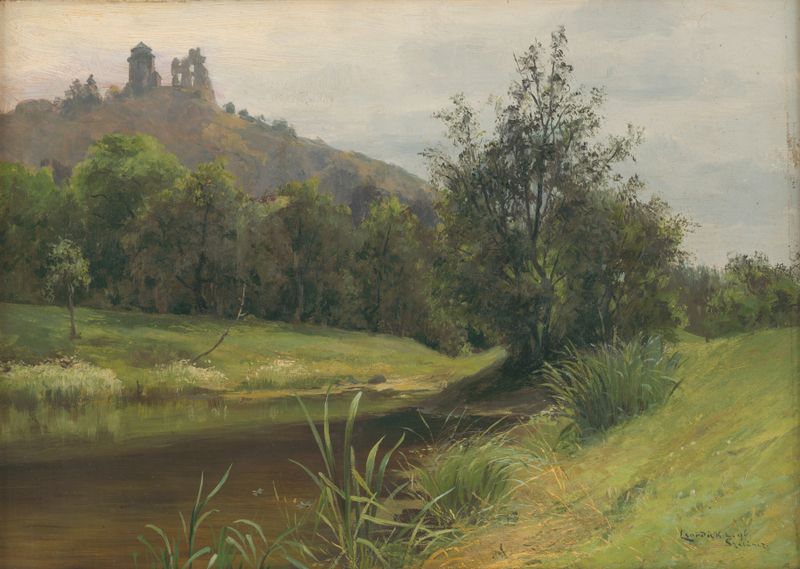
Močarina pod Slaneckým hradom
Ľudovít Čordák
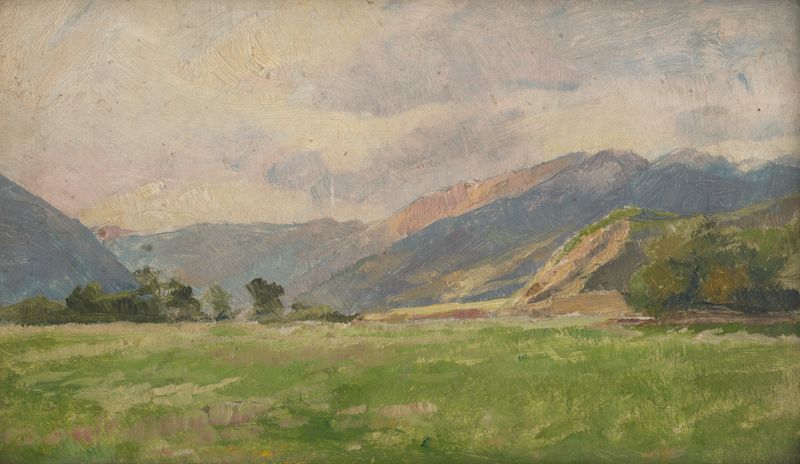
Mountain Meadow
Ľudovít Čordák
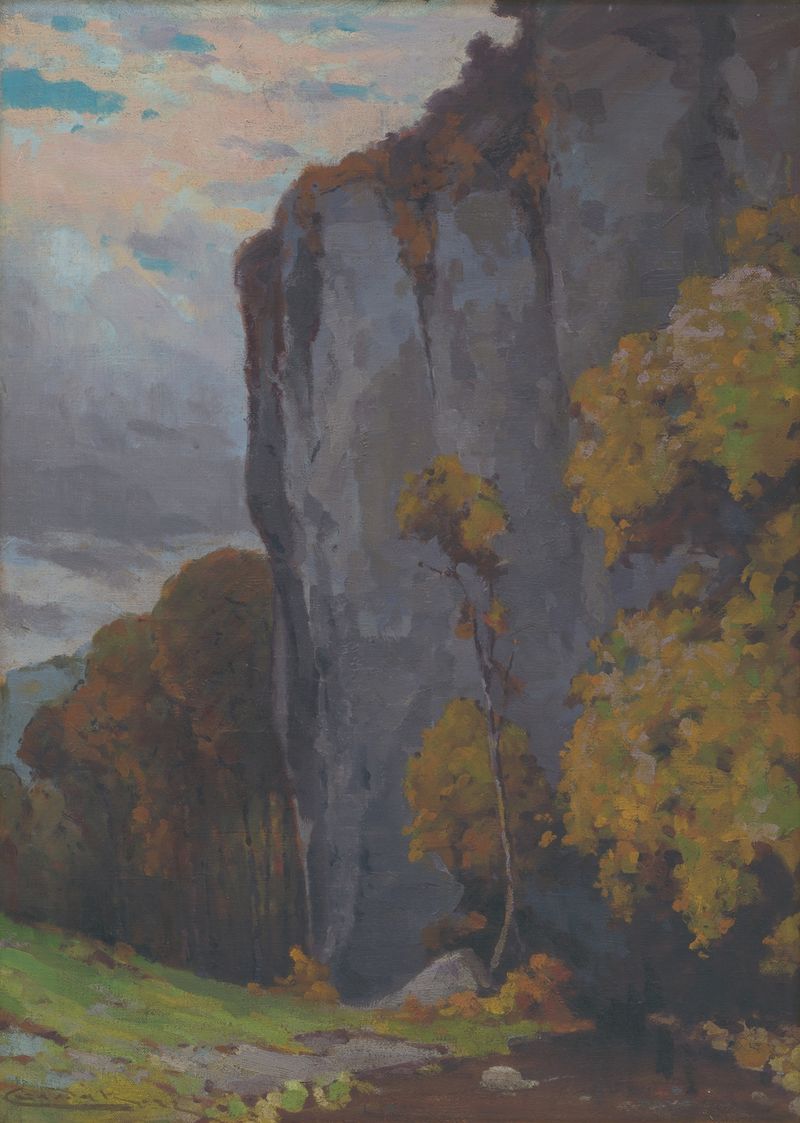
Zádiel
Ľudovít Čordák
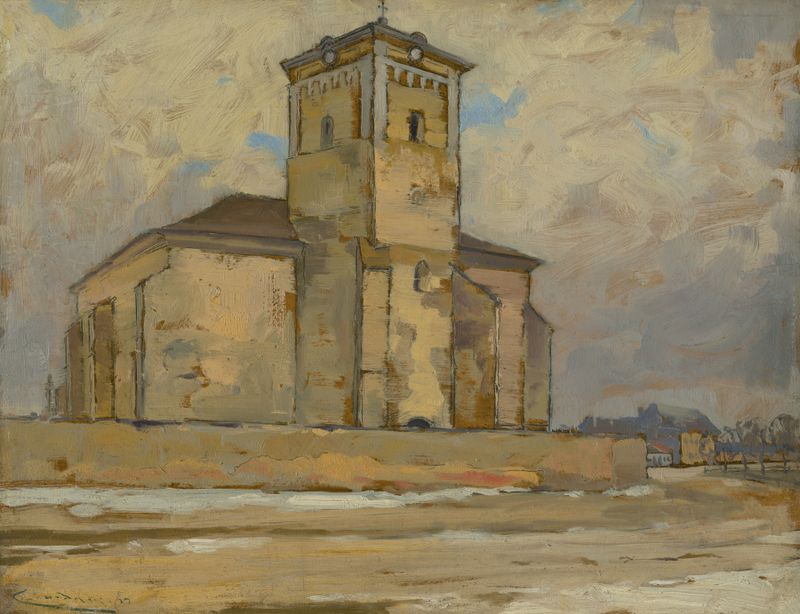
Church in Moldova
Ľudovít Čordák
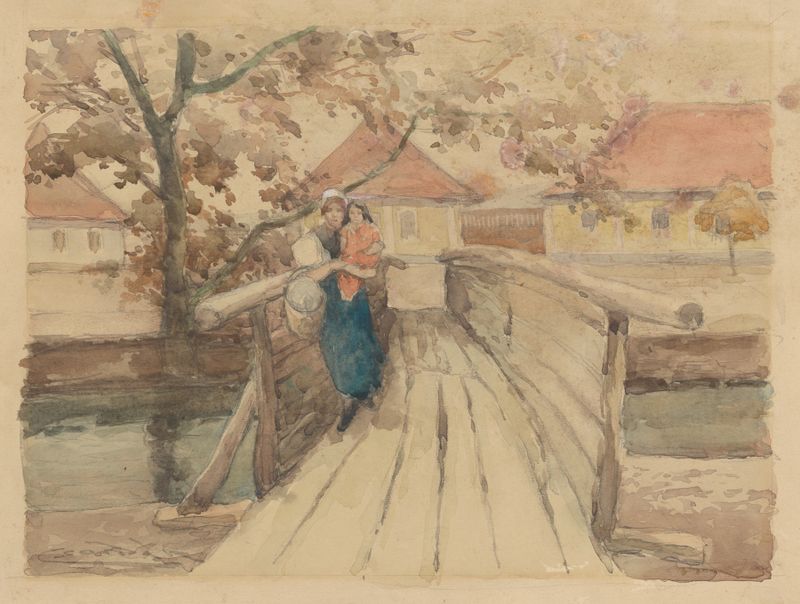
Wooden bridge
Ľudovít Čordák
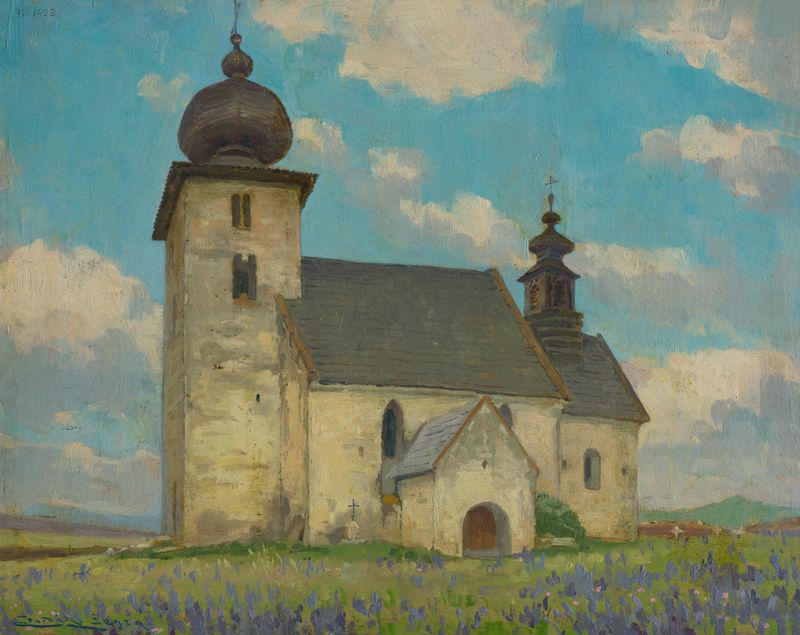
Gothic church in Žehra
Ľudovít Čordák
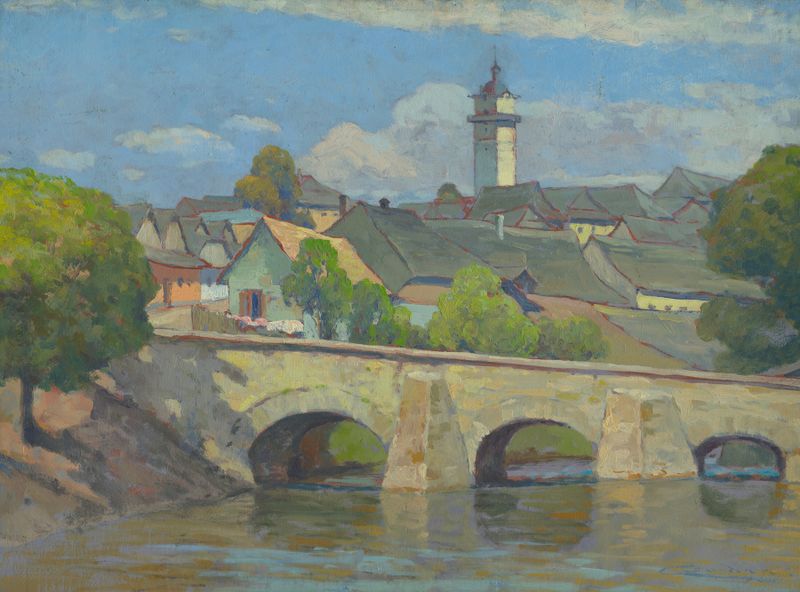
A small town in Spiš
Ľudovít Čordák
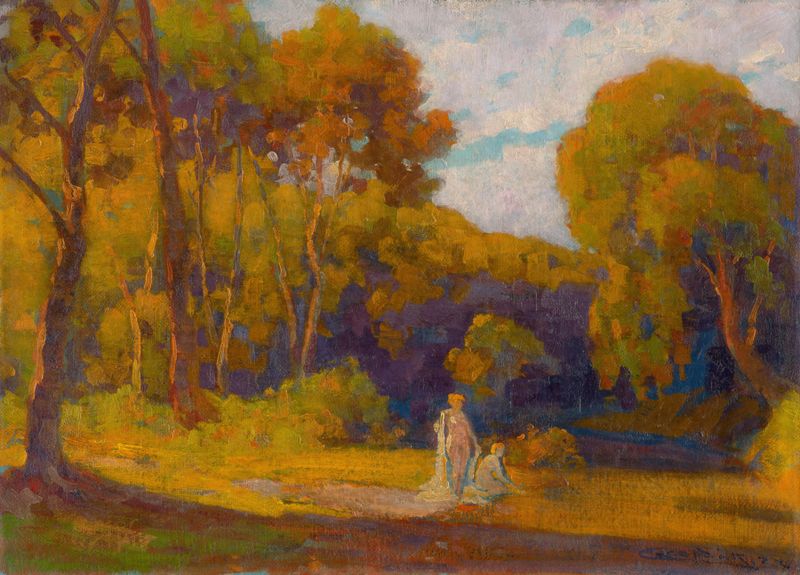
At Sunset
Ľudovít Čordák
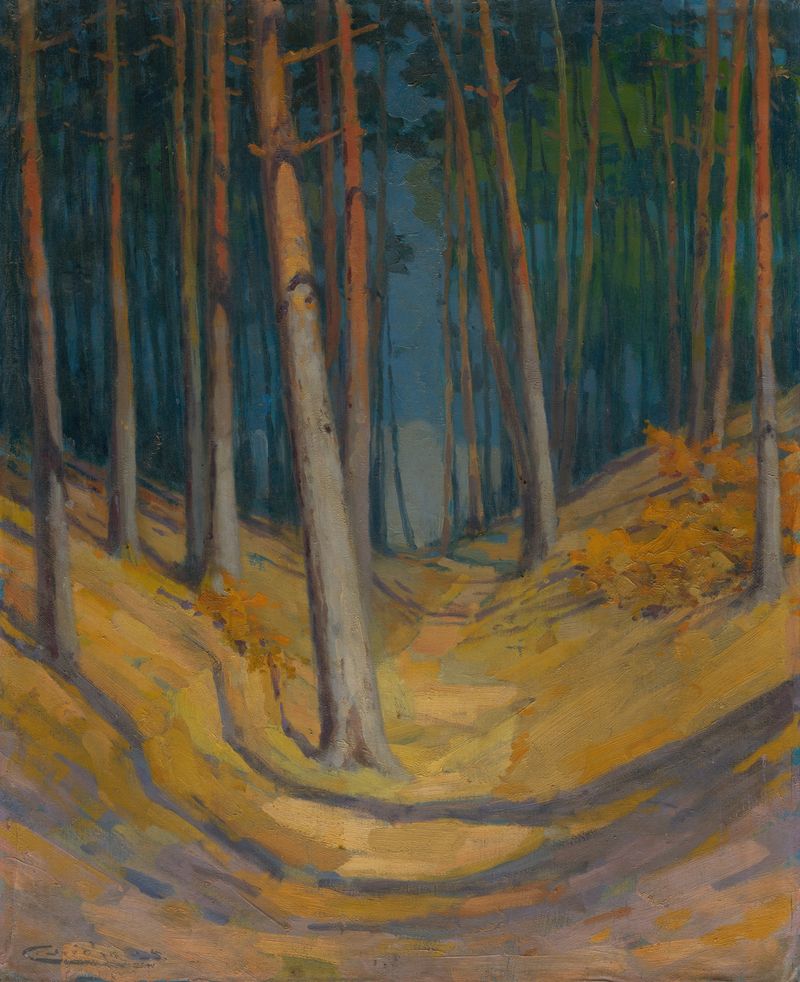
Forest
Ľudovít Čordák





