
Landscape with figures and a village kermis — History & Facts
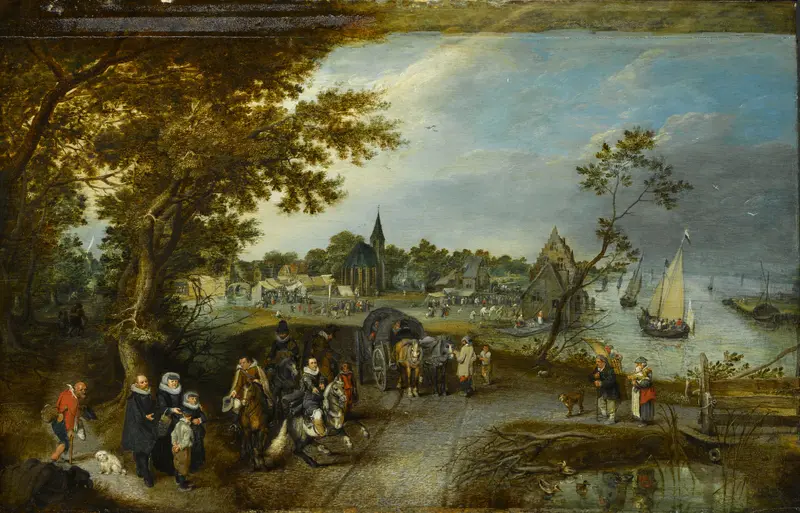
A gentle commotion draws the eye across Landscape with figures and a village kermis by Adriaen Pietersz van de Venne, painted in 1615. The scene unfolds like a living tapestry: a beggar in red pauses at the edge of shadow, while a family in somber black, their faces turned in conversation, steps forward with measured dignity. The path curves, drawing us past horsemen and a covered wagon whose passengers peer out at the world, toward the distant fair.
There, the village square bursts into life beneath the spire of a church, white tents and bustling crowds signaling festivity and commerce. The palette shifts from the earthy shelter of the trees to the open, airy blues and greens of the fairground, guiding the viewer from private moments to public celebration. This painting belongs to the world of early seventeenth-century Dutch and Flemish art, when scenes of daily life—kermises, markets, and village gatherings—became favored subjects for a new class of collectors. Artists like van de Venne captured the mingling of social types: the poor and the prosperous, the travelers and the townsfolk, all sharing the same landscape.
Painted in 1615, this work now belongs to the Rijksmuseum collection, a testament to the era’s fascination with both the ordinary and the communal. Look again at the figures on the road, and notice how each gesture and glance draws you deeper into the rhythms of a world both distant and familiar.
More Artworks by Adriaen Pietersz van de Venne
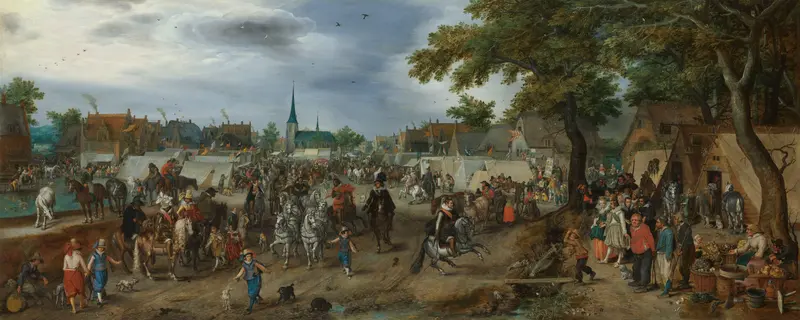
Princes Maurice and Frederick Henry at the Valkenburg Horse Fair
Adriaen Pietersz van de Venne
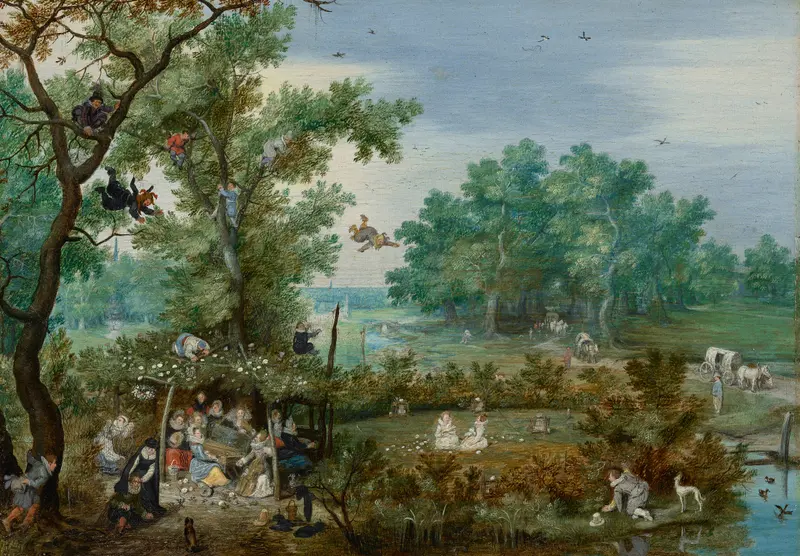
Merry Company in an Arbor
Adriaen Pietersz van de Venne
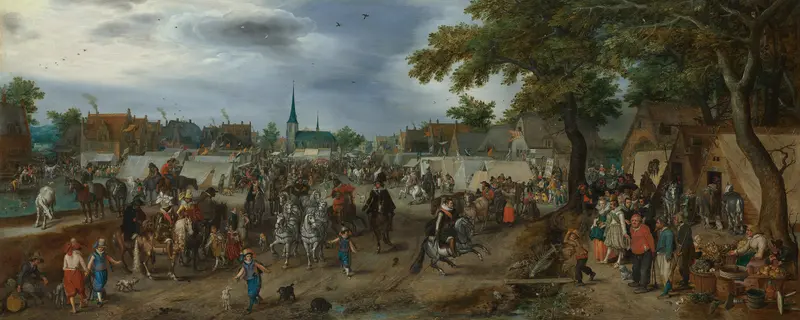
Princes Maurice and Frederick Henry at the Valkenburg Horse Fair
Adriaen Pietersz van de Venne
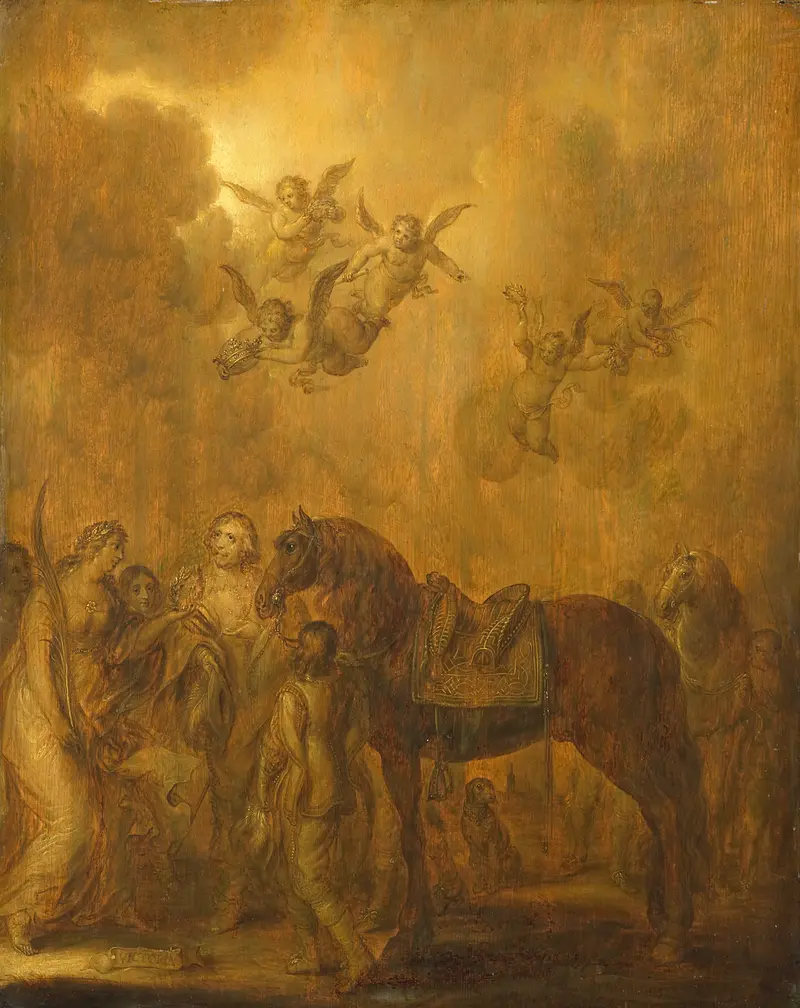
Allegory of the Stadtholdership of Prince Frederick Henry
Adriaen Pietersz van de Venne
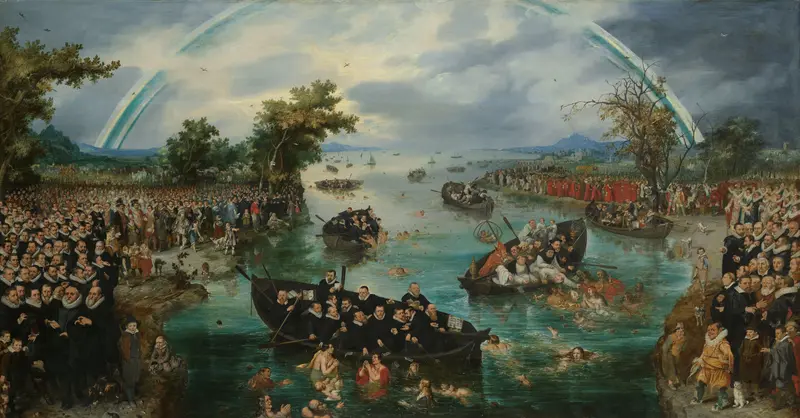
Fishing for Souls
Adriaen Pietersz van de Venne
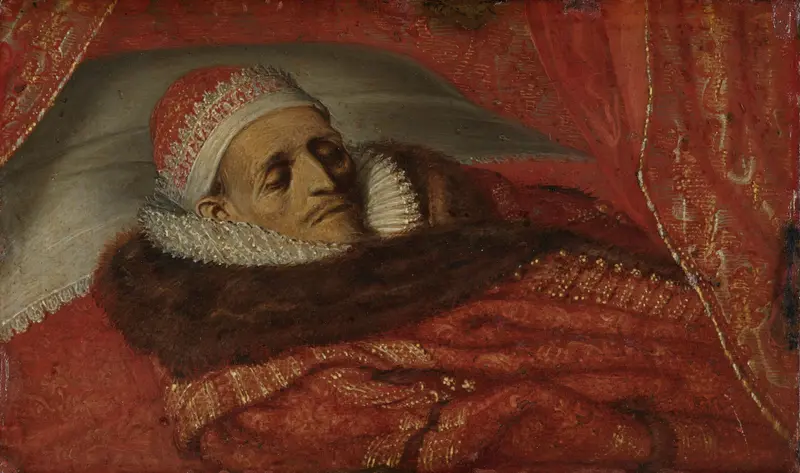
Stadtholder Prince Maurice Lying in State
Adriaen Pietersz van de Venne
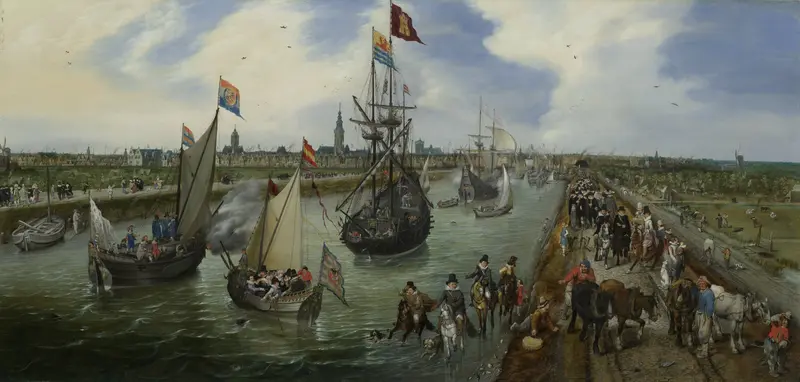
The Departure of a Dignitary from Middelburg
Adriaen Pietersz van de Venne
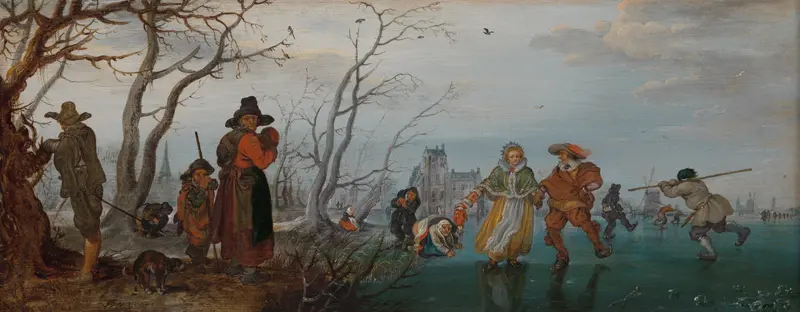
Winter
Adriaen Pietersz van de Venne

A Jeu de Paume Before a Country Palace
Adriaen Pietersz van de Venne
Landscape with Figures and a Village Fair (Village Kermesse)
Adriaen Pietersz van de Venne
More Genre Scene Art

Banquet of the Officers of the St George Civic Guard
Frans Hals

Rembrandt and Saskia in the Scene of the Prodigal Son
Rembrandt van Rijn

Bal du moulin de la Galette
Pierre-Auguste Renoir

Quadrille at the Moulin Rouge
Henri de Toulouse-Lautrec

A Burial at Ornans
Gustave Courbet

When Will You Marry?
Paul Gauguin