Landscape with Shepherd — History & Analysis
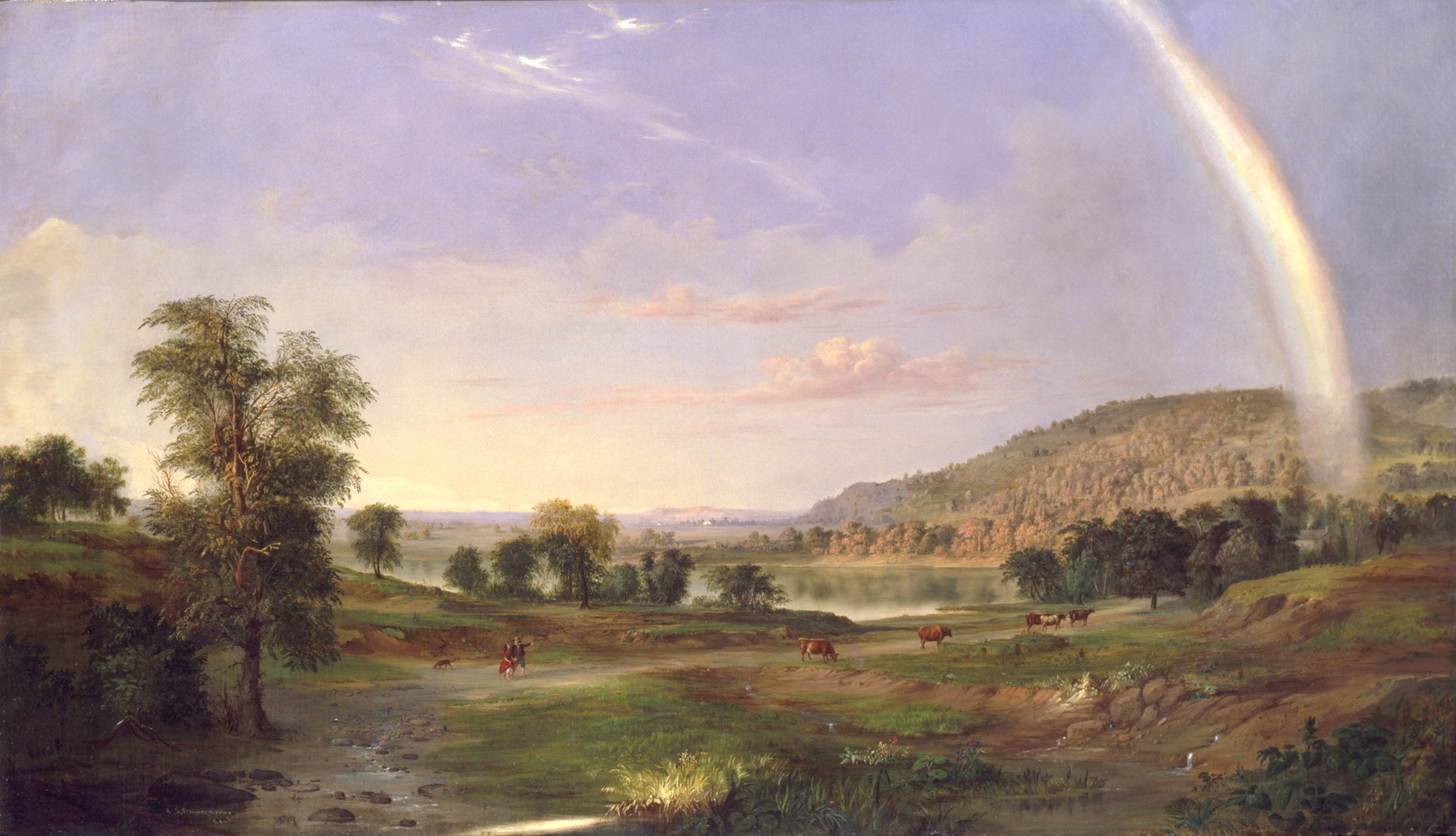
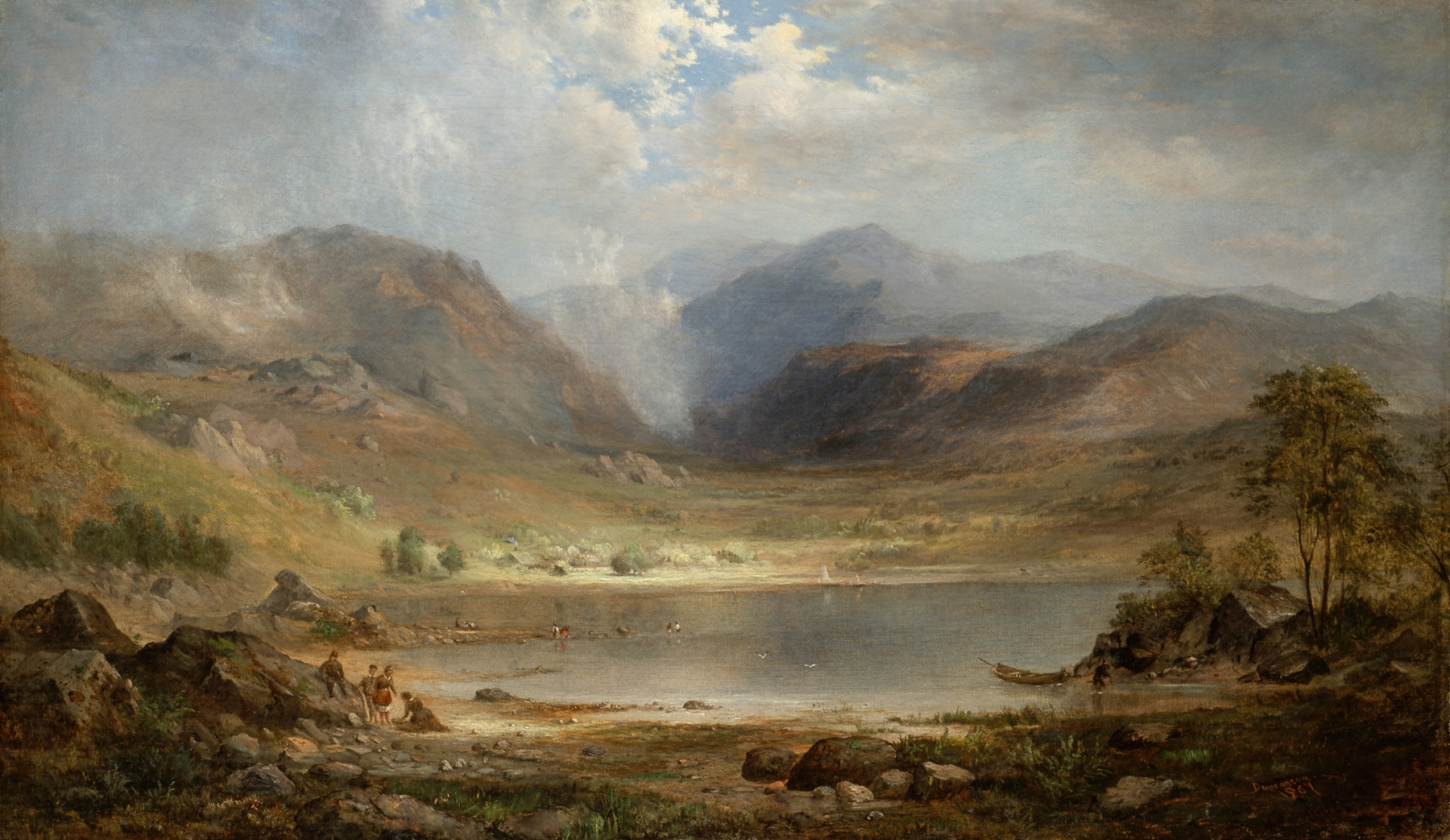
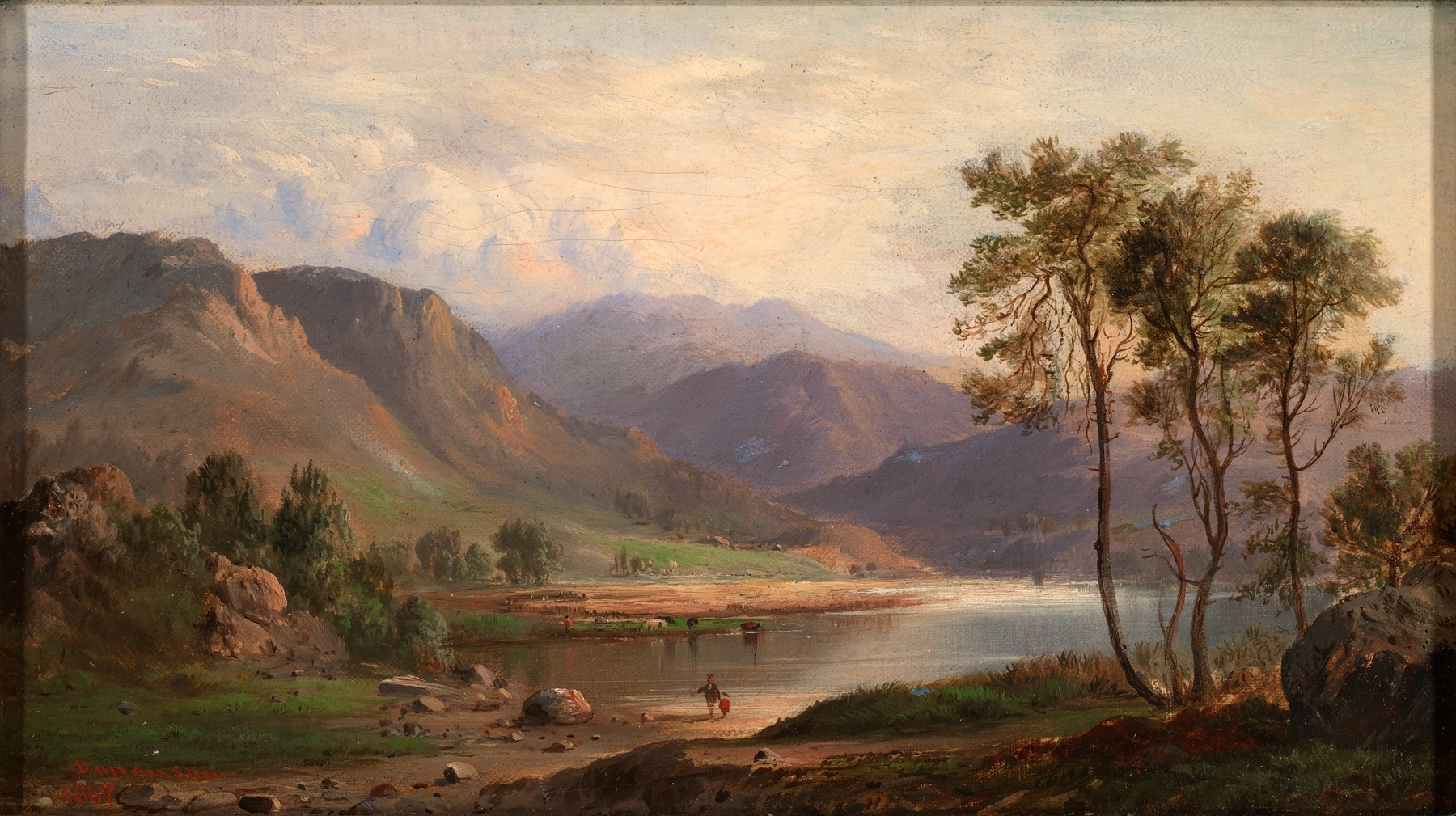
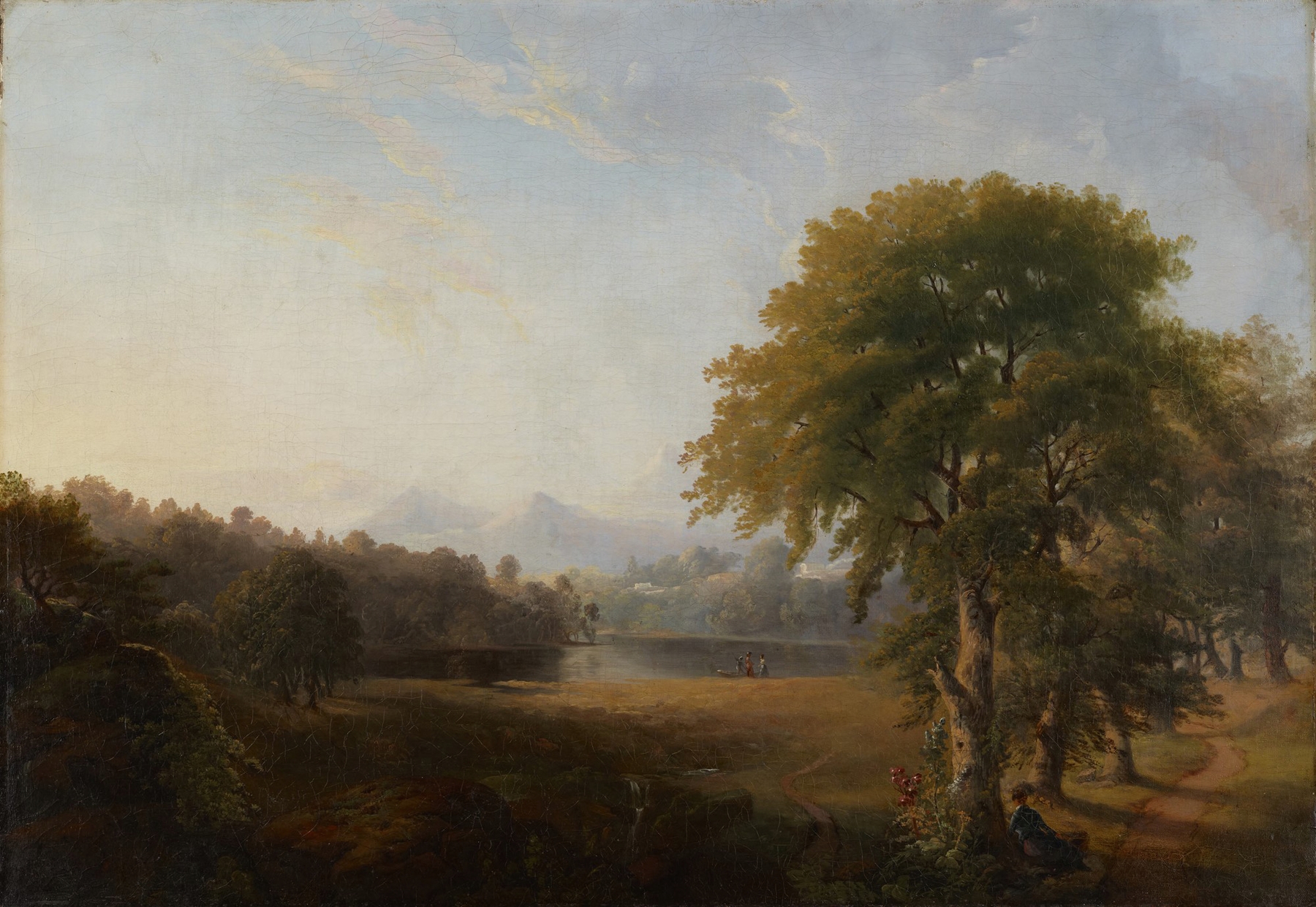
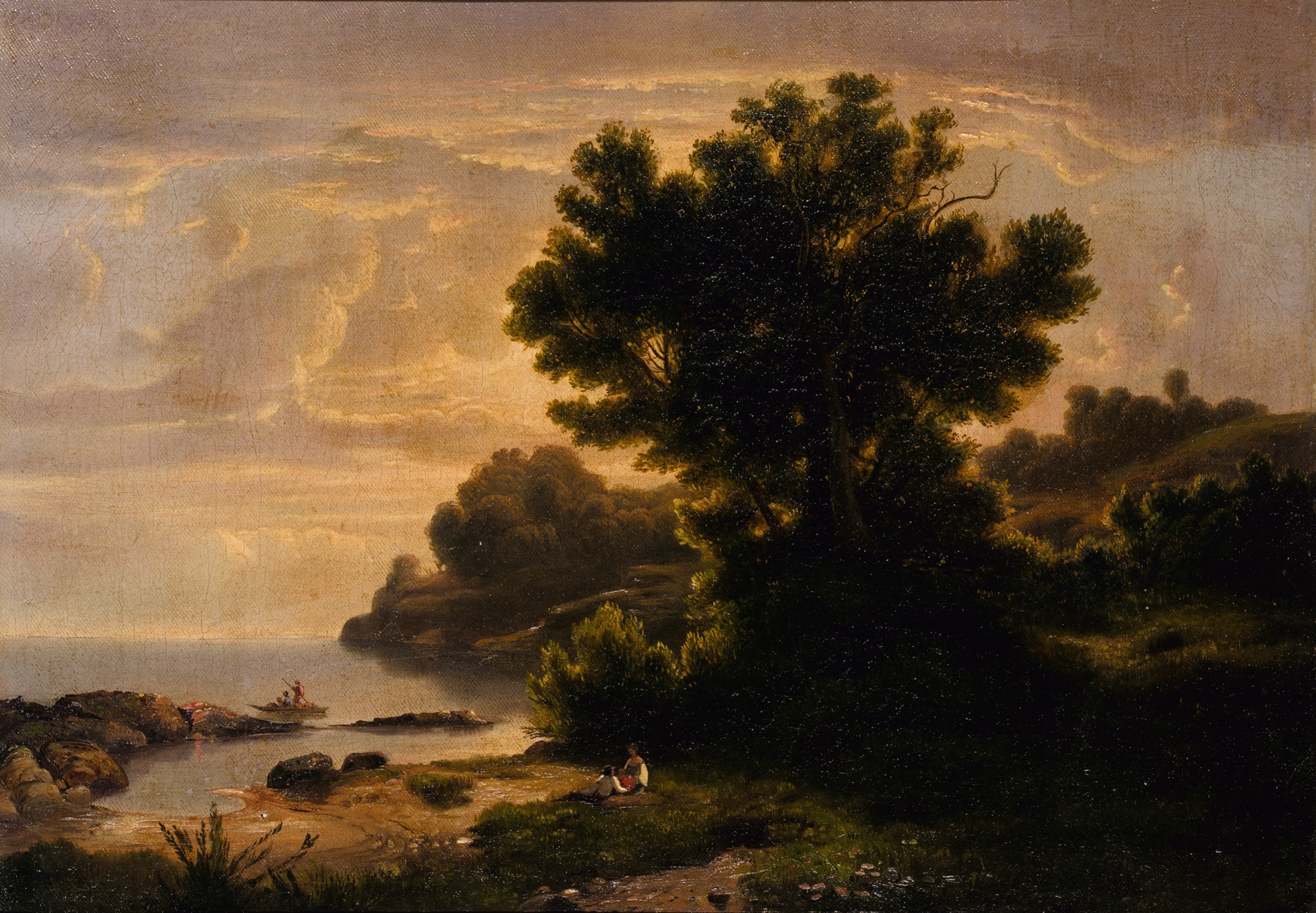
When did color learn to lie? In the vibrant strokes of a pastoral scene, hues whisper of a world beyond mere representation, inviting contemplation on the nature of reality and illusion. Look to the left at the lush greens of the rolling hills, where Duncanson masterfully layers shades of emerald and jade, creating a sense of depth that draws the viewer into a tranquil yet surreal landscape. Notice how the light falls upon the solitary shepherd, casting a gentle glow that softens his figure amidst the sweeping terrain.
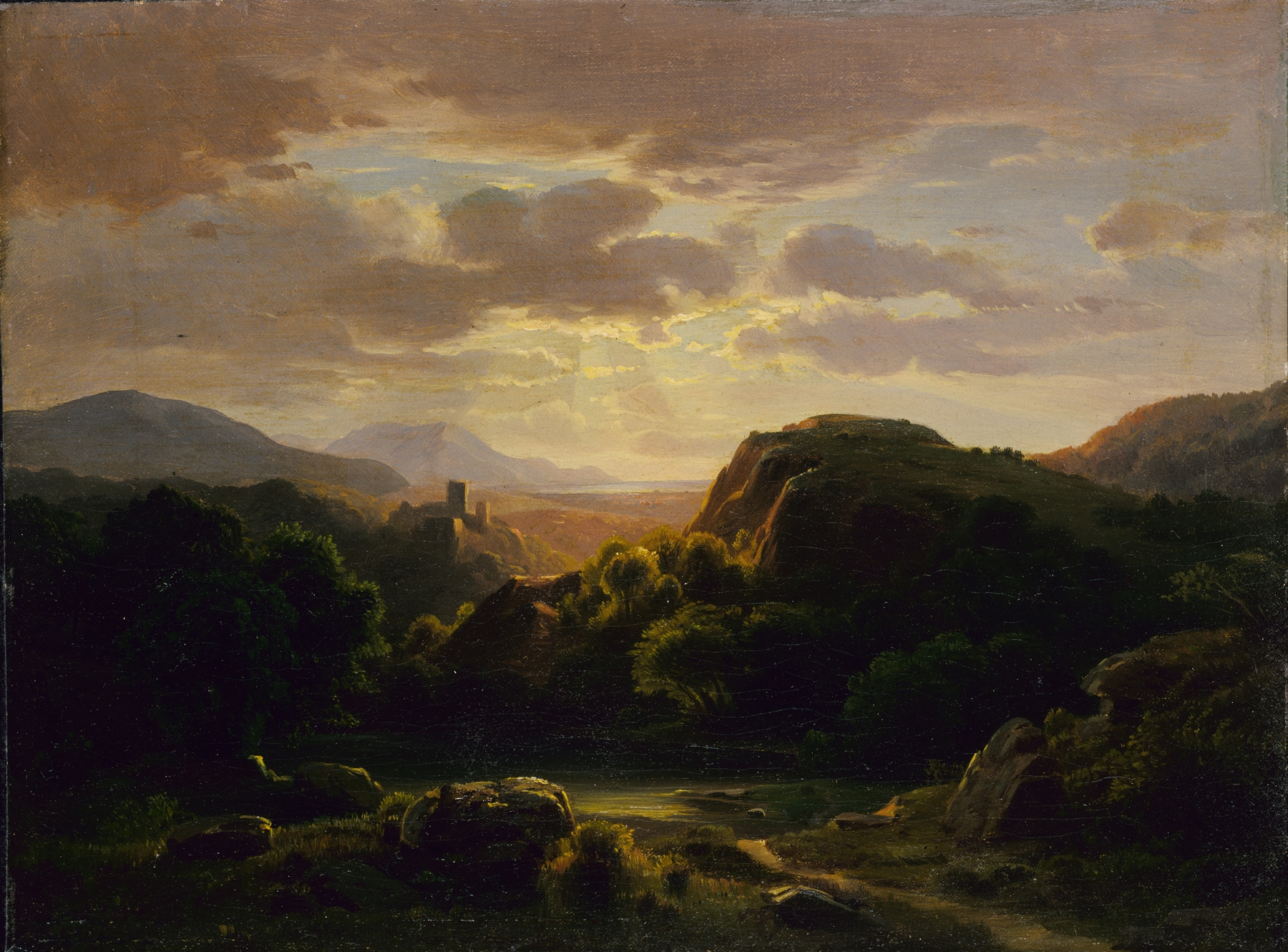
The palette dances with contrasts—warm yellows and cool blues—reflecting the delicate balance between serenity and the untamed beauty of nature. In the foreground, the shepherd's quiet demeanor suggests a profound connection to the land, as if he embodies its essence. Yet, the distant mountains loom with a hint of foreboding, their shadowy forms contrasting the bright tranquility of the foreground. This tension speaks to the duality of existence—man’s pursuit of peace juxtaposed against the chaotic forces of nature, urging viewers to ponder their own place within this vast landscape.
Created in 1852, this piece emerged during a significant period in Duncanson's life as he navigated the complexities of being an African American artist in a predominantly white milieu. Working primarily in Ohio, he found inspiration in the natural beauty of the American landscape and the broader transcendental ideas of the time. The art world was evolving, embracing Romantic ideals, and Landscape with Shepherd exemplifies this shift, inviting viewers to experience the sublime through the artist's unique lens.