Landschaft aus dem Almtal — History & Analysis
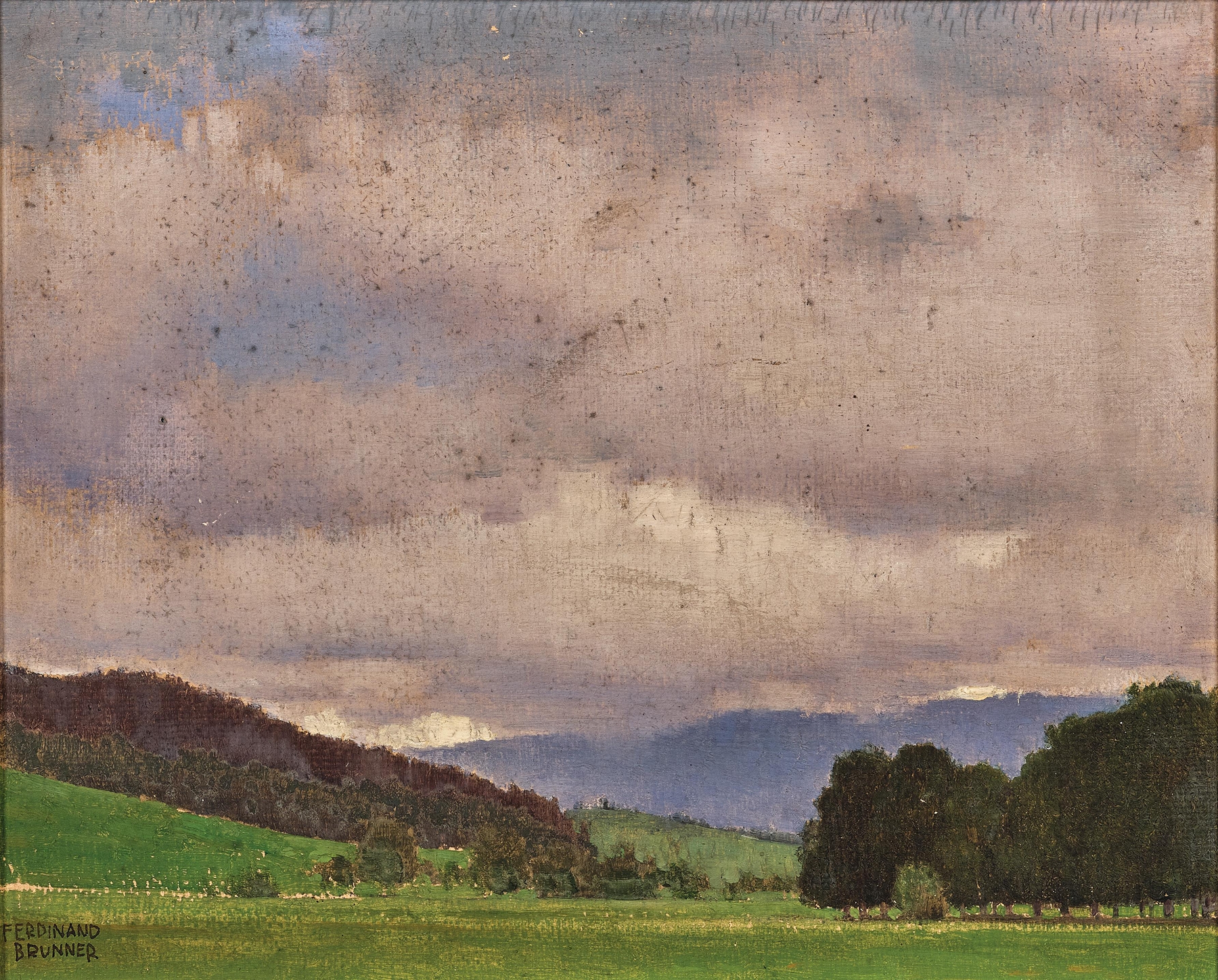
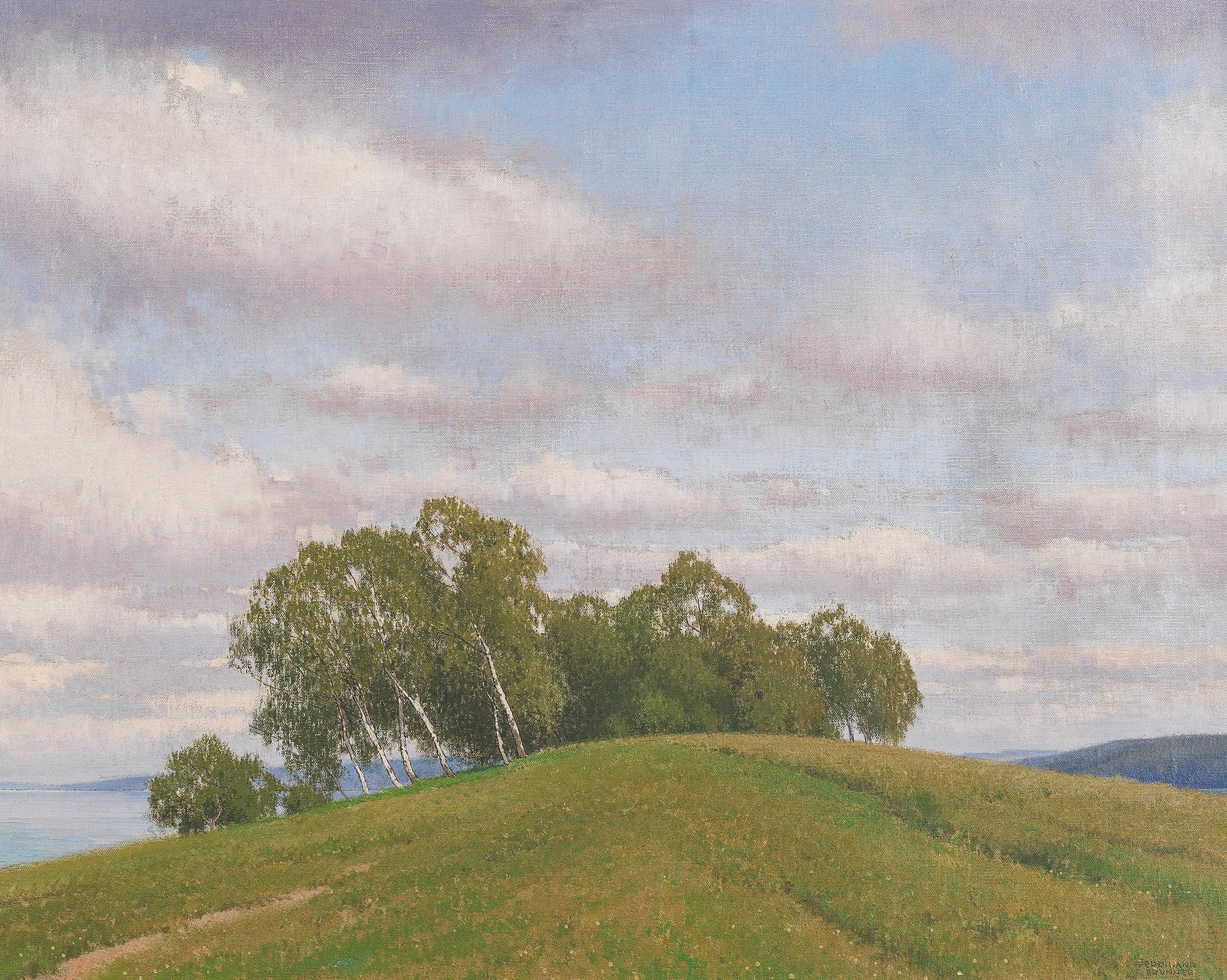
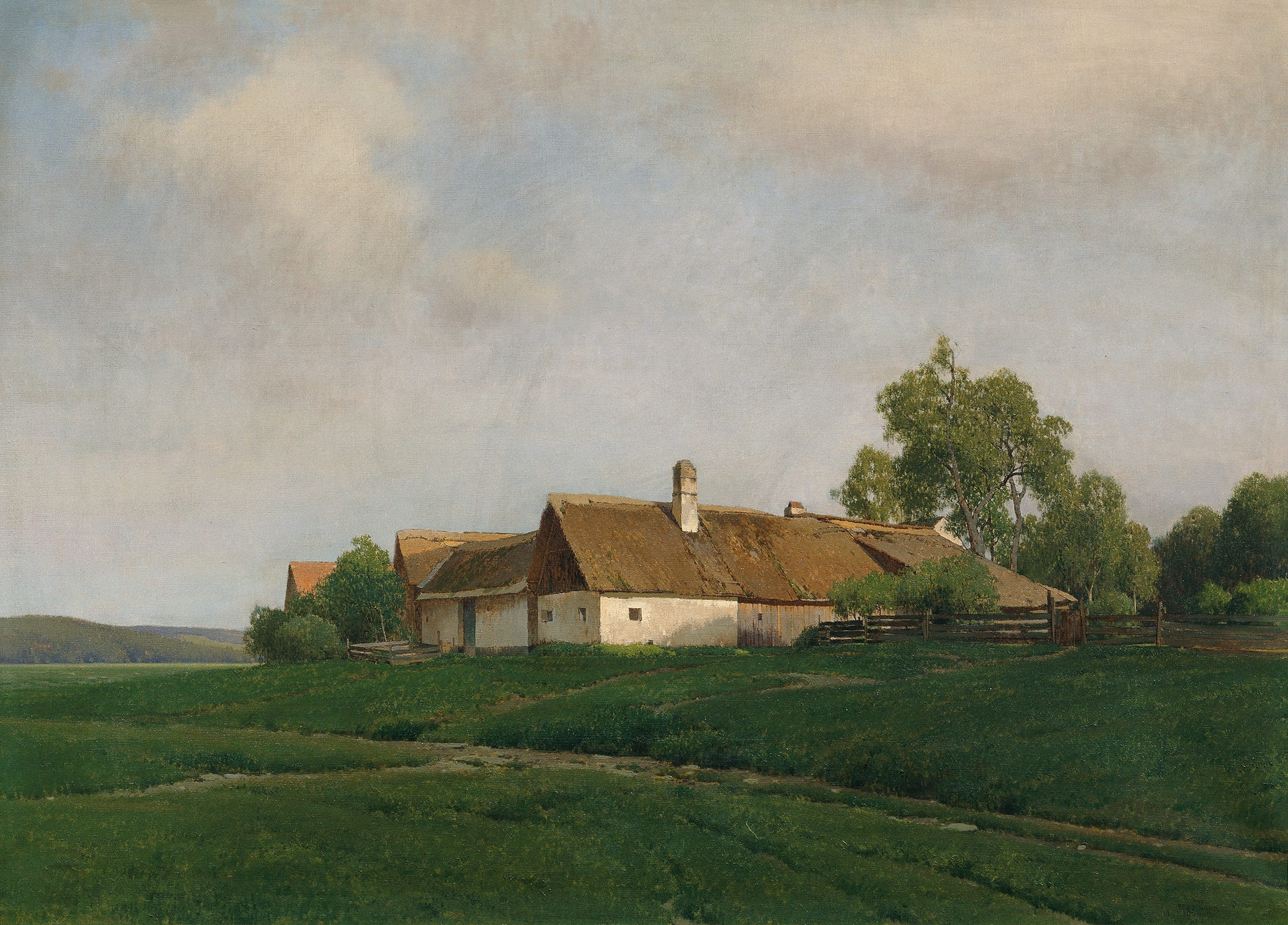
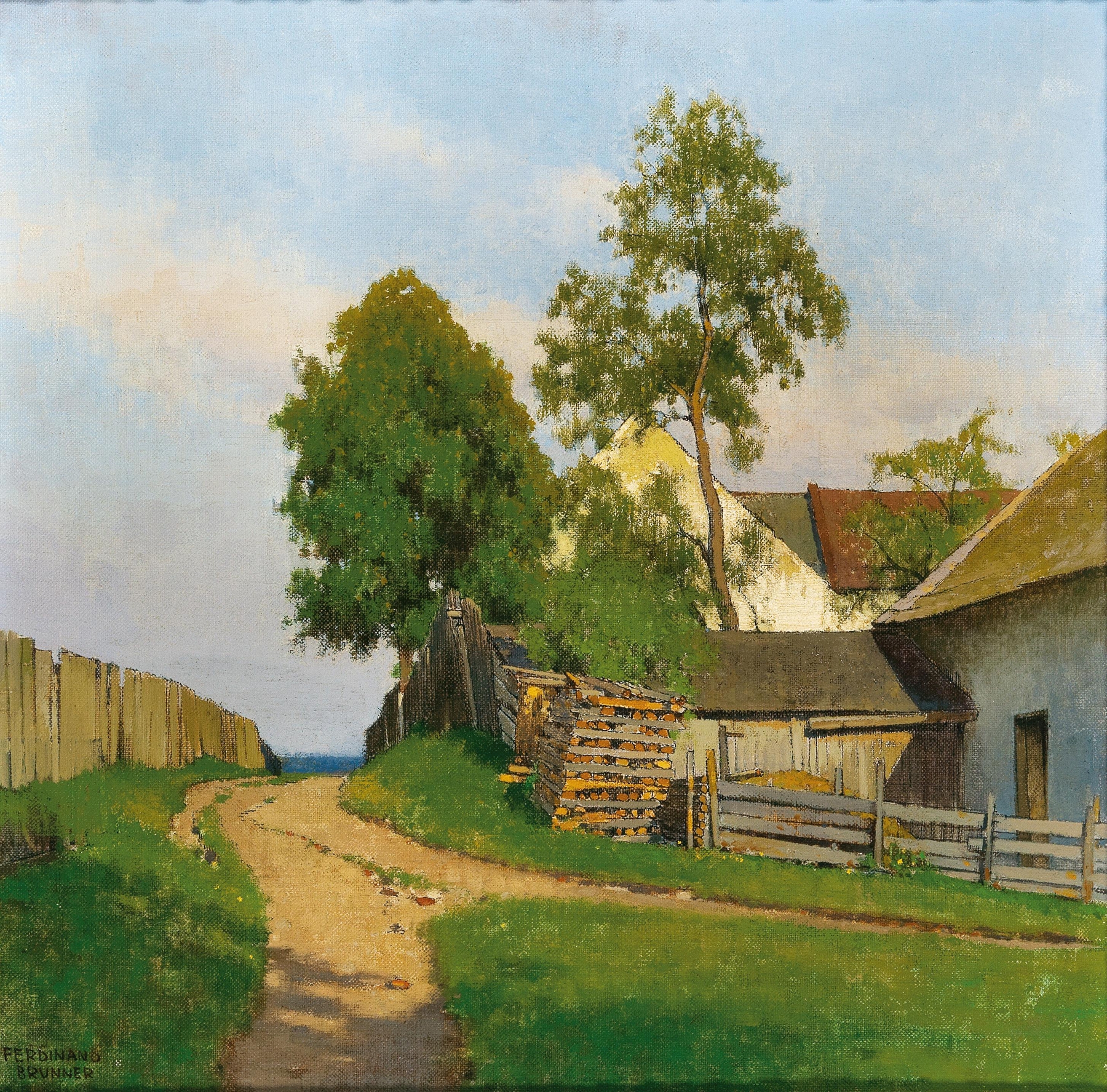
“Every silence here is a confession.” In the vibrant embrace of nature, truths whisper through the landscape, inviting introspection and reflection. Look to the foreground, where lush green hills rise gently against the cobalt sky. The meticulous strokes of Brunner's brush bring life to each blade of grass and leaf, creating a sense of movement that dances with the wind. Notice how the light spills softly over the rolling hills, casting delicate shadows that define the contours of a peaceful valley.
The palette, rich and verdant, evokes a sense of tranquility, encouraging viewers to linger and absorb the serene beauty. Yet beneath this idyllic façade lies a powerful tension—the interplay between stillness and unexpressed emotion. The expansive sky, vast and open, hints at both freedom and solitude, prompting questions about what lies beyond the horizon. Hidden details, such as the faint path winding through the hills, suggest a journey yet to be taken, symbolizing the quest for truth amidst nature's calm.
This contrast encapsulates the essence of existence—the balance between serenity and the underlying complexities of life. Brunner painted this landscape during a time of personal exploration and artistic development. In the late 19th century, he was immersed in the Romantic movement, which sought to highlight the beauty and emotional depth of the natural world. This period shaped his vision, allowing him to infuse Landschaft aus dem Almtal with a sense of contemplation reflective of both his internal struggles and the broader search for authenticity in art.