
L’arc de Titus Rome — History & Facts
Could beauty survive in a century of chaos? This question lingers in the air, weighted by the echoes of history that surround the grand arches of Rome, which stand as timeless witnesses to both triumph and tragedy. Look closely at the intricate carvings of L’arc de Titus, where every chisel mark tells a story. The arch towers majestically, its stonework bathed in a warm, golden light that accentuates the delicate reliefs of soldiers in procession, celebrating victory. Notice how the play of shadow enhances the depth of the figures, pulling your gaze into the narrative woven into the stone.
The soft hues surrounding the arch contrast with the boldness of the narrative depicted, inviting contemplation of both the past and the present. Delve deeper into the emotional tension captured in this piece. The arch, a symbol of ancient power, stands against the backdrop of modern uncertainty, suggesting a fragile connection between remembrance and oblivion. The soldiers’ expressions reveal a poignant mix of pride and sorrow, as victory carries the weight of loss.
In this juxtaposition, Bosch captures the duality of glory, creating an evocative commentary on the cyclical nature of history and memory. Etienne Bosch painted L’arc de Titus during a transformative period in art, between 1873 and 1931, amidst shifting artistic movements and the rise of modernity. Living in France, he was influenced by the interplay of classical forms and contemporary thought, reflecting a world on the brink of tumult. This era, marked by both enduring beauty and the chaos of change, resonates deeply in his work, revealing how memory can be both a refuge and a burden.
More Artworks by Etienne Bosch
Browse all →
Gezicht op de achterkant van de Notre Dame in Parijs Notre Dame
Etienne Bosch
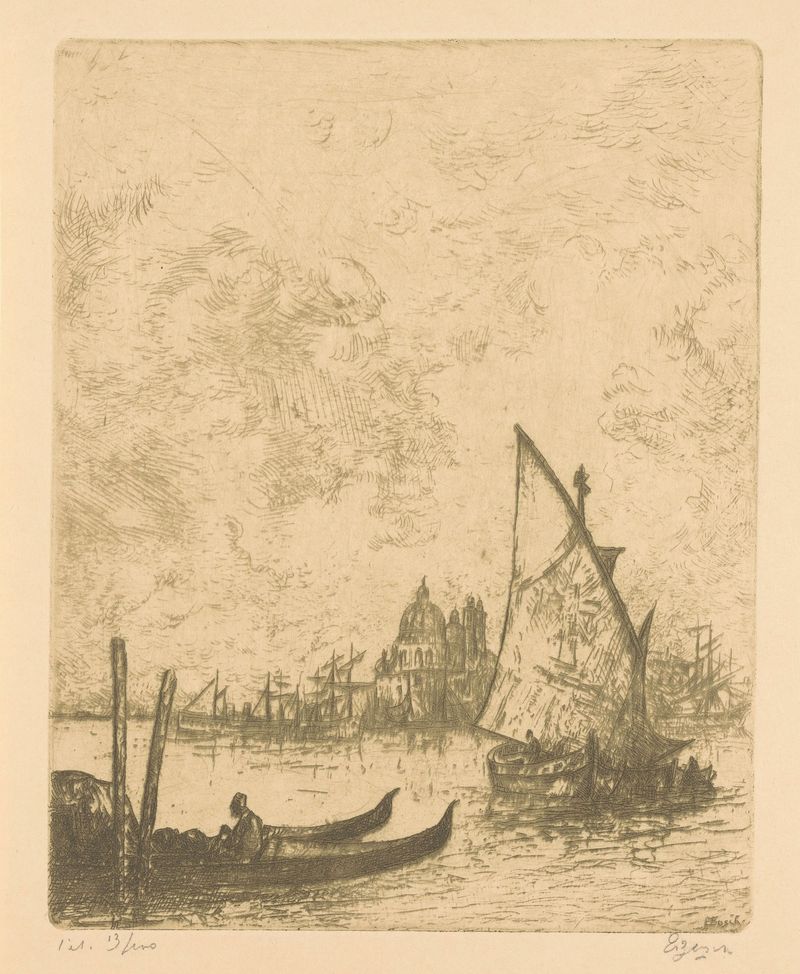
Venetië
Etienne Bosch

Amsterdamse poort te Haarlem
Etienne Bosch

Le Palatin Rome
Etienne Bosch

Landschap bij Rome
Etienne Bosch
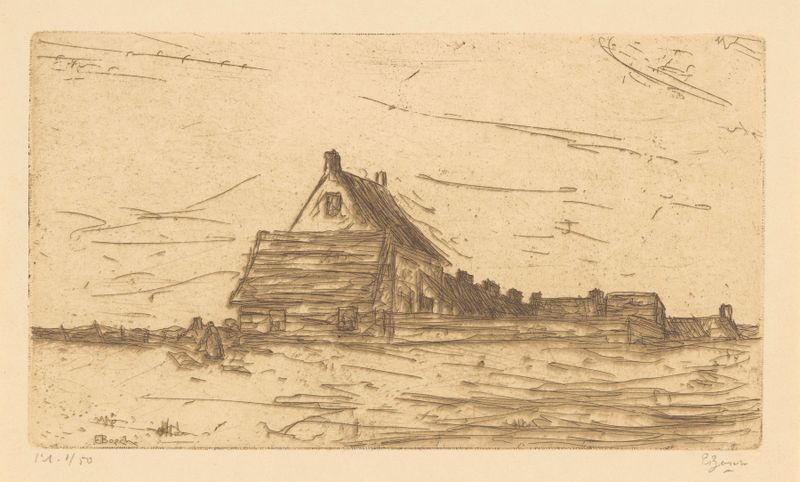
Boerenwoning
Etienne Bosch

Scheveningen
Etienne Bosch
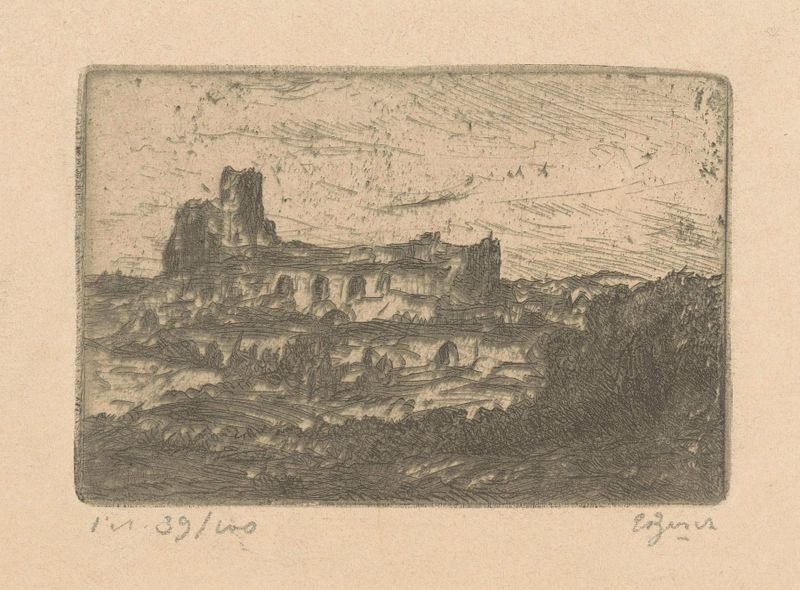
Ruïne Rome
Etienne Bosch
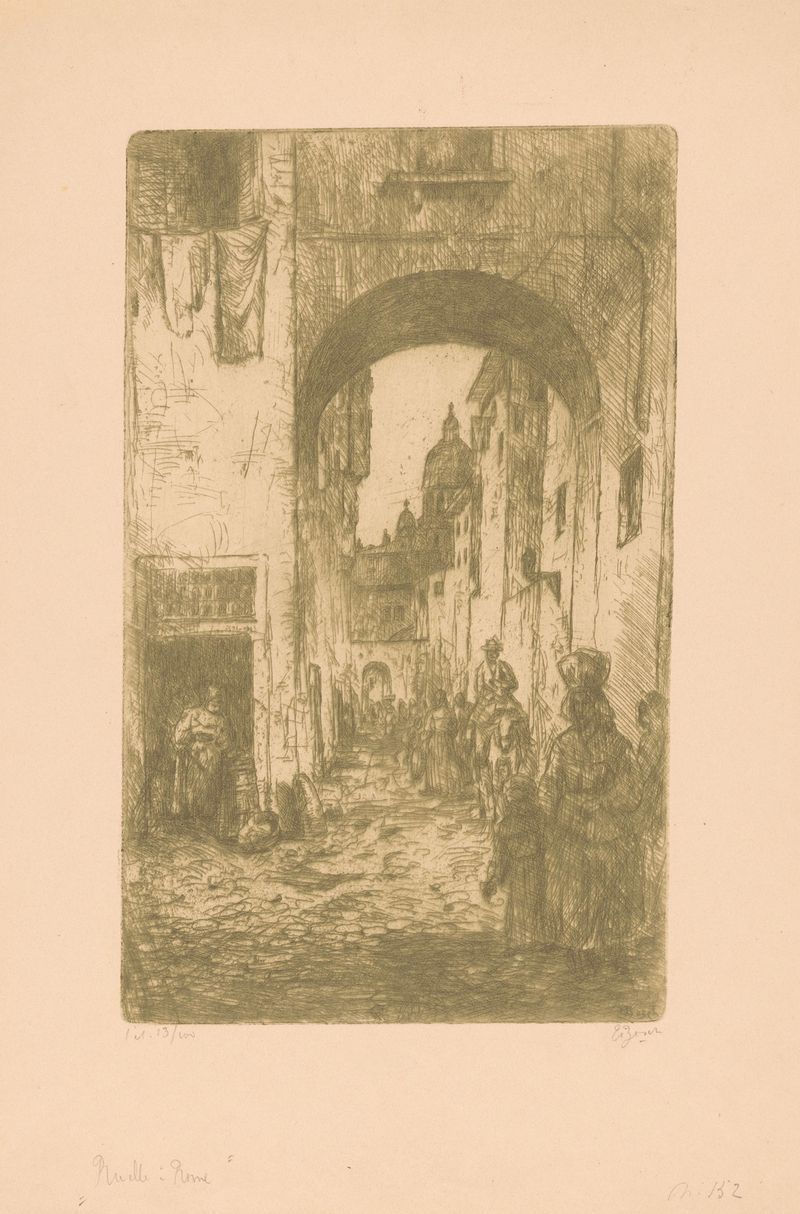
Ruelle, Rome
Etienne Bosch
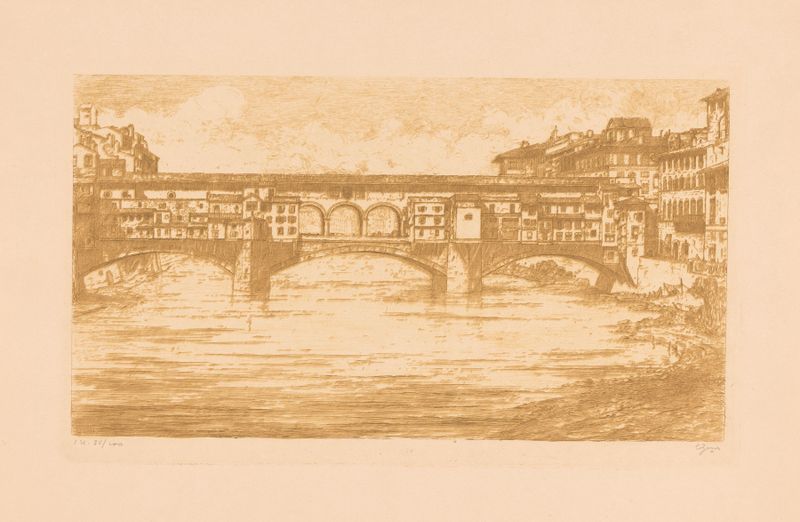
Ponte Vecchio in Florence
Etienne Bosch
More Architecture Art
Browse all →
The statue of Liberty
Frédéric Auguste Bartholdi

View of Houses in Delft, Known as ‘The Little Street’
Johannes Vermeer

View of Houses in Delft, Known as ‘The Little Street’
Johannes Vermeer

The Cathedral in Rouen. The portal, Grey Weather
Claude Monet

The yellow house
Vincent van Gogh

The Church in Auvers-sur-Oise, View from the Chevet
Vincent van Gogh