
Lasarraz — History & Facts
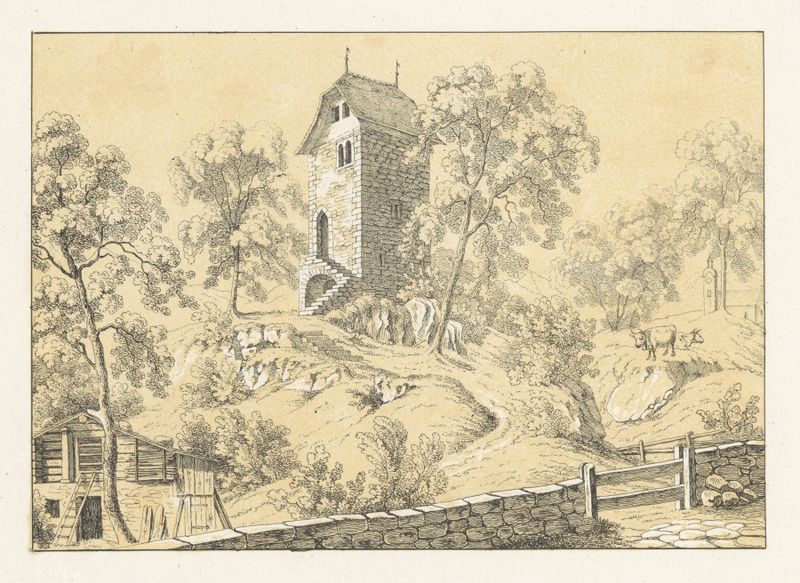
In the quietude of Lasarraz, serenity unfolds like a whispered secret, inviting us to pause and reflect amidst life’s chaos. Focus first on the soft, subdued palette that envelops the canvas, drawing you into the realm of tranquility. Look at the gentle interplay of muted greens and blues, evoking a sense of calm that blankets the viewer. The composition is masterfully balanced, with subtle forms suggesting both solidity and the ethereal—every stroke deliberate, every shadow a quiet reminder of stillness. Hidden within this tranquil landscape lies a complex dialogue between presence and absence.
The figures, though seemingly at ease, carry a weight of unspoken thoughts and emotions, hinting at the tranquility that often masks deeper struggles. The delicate brushwork reveals a juxtaposition between nature’s peacefulness and the inherent turmoil of human experience, urging us to confront the layers beneath the surface. Created between 1840 and 1844, the artist painted Lasarraz during a period of significant transition in the art world, as Romanticism began yielding to more modernist approaches. Wagner found himself in a time of exploration, where the ideals of tranquility were challenged by societal shifts.
His work reflects a longing for serenity, a personal response to the upheaval surrounding him, and a testament to the enduring power of art in capturing the human condition.
More Artworks by Johann Friedrich Wagner
Browse all →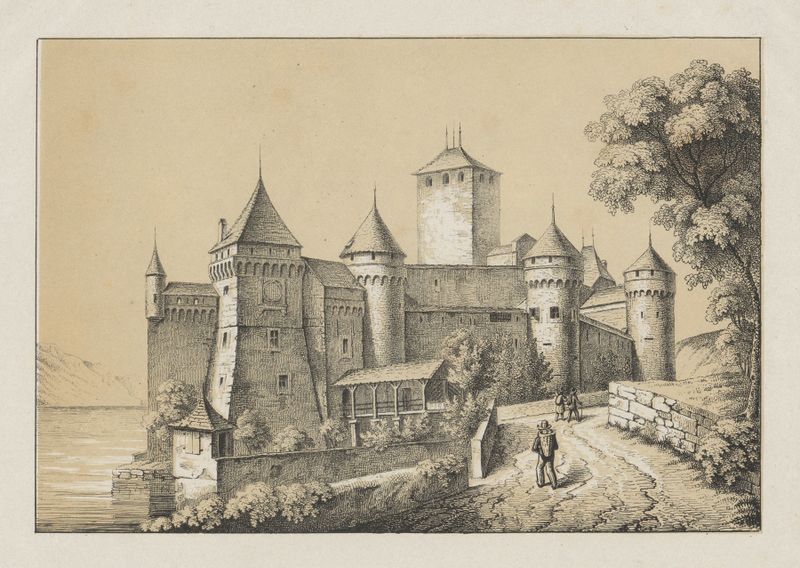
Chillon
Johann Friedrich Wagner

Valangin
Johann Friedrich Wagner
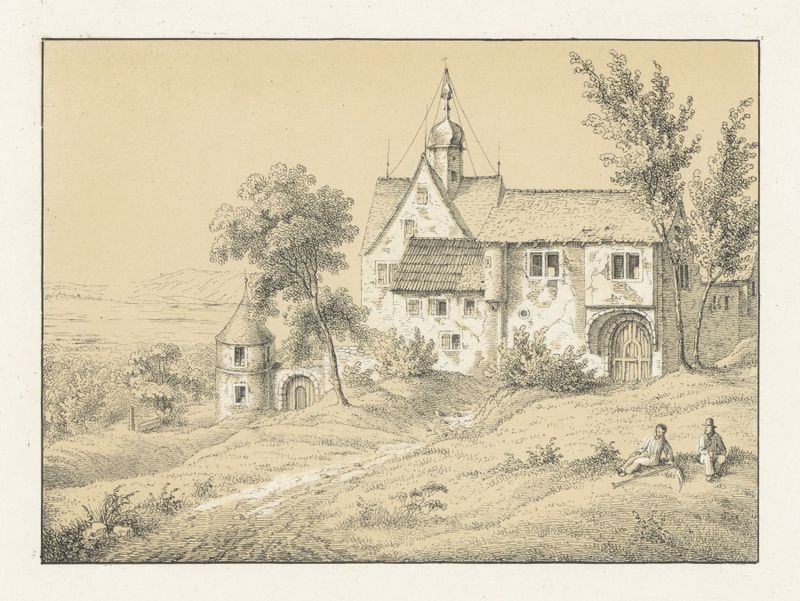
Greifenstein
Johann Friedrich Wagner

Vorburg
Johann Friedrich Wagner
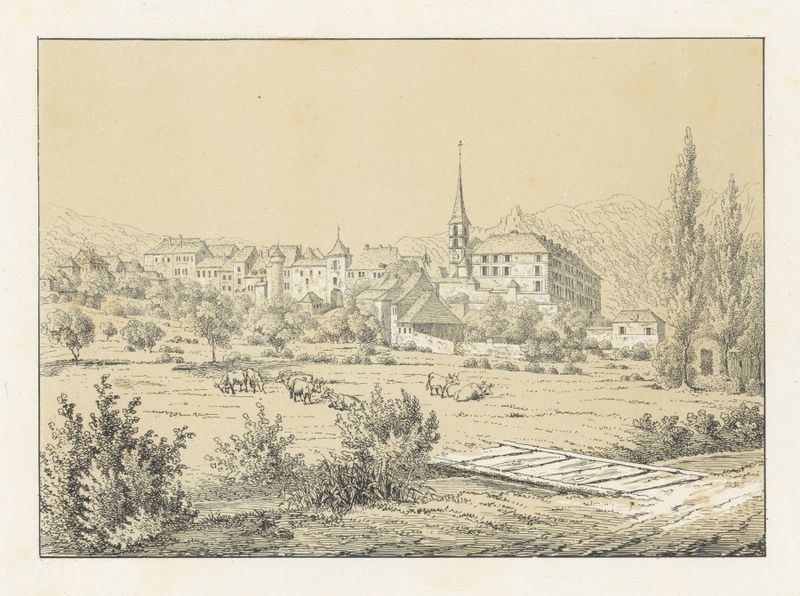
Delémont
Johann Friedrich Wagner

Pleujouse
Johann Friedrich Wagner

Challay
Johann Friedrich Wagner
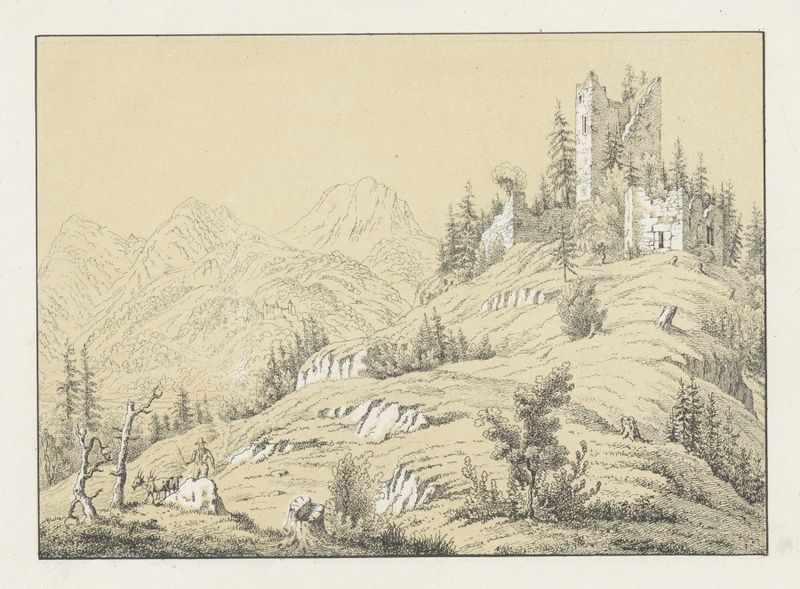
Mont Salvant
Johann Friedrich Wagner
Aha. Od. Untere Burg von Sarnen
Johann Friedrich Wagner
Lausanne
Johann Friedrich Wagner





