
Laufen — History & Facts
Can beauty exist without sorrow? In Laufen, the delicate interplay of movement and stillness invites the viewer to ponder the complexity of emotion captured in time. Look to the center, where the rushing waters cascade, their fluidity contrasting sharply with the solid, ancient rocks that flank them. The vivid blues and whites of the water seem to dance in a fervent rush, while the earthy browns and greys of the stones ground the scene in permanence. Notice how the artist employs a dynamic brushstroke to convey motion, as if the water itself were alive, spirited away from its frozen moment.
The light plays beautifully upon the surface, casting reflections that shimmer and pulse, creating an almost ethereal quality. Yet beneath this vibrant portrayal lies a deeper tension. The juxtaposition of the chaotic flow of the water against the unwavering strength of the rocks speaks to the struggle between impermanence and endurance. Each droplet that plunges into the abyss hints at the fleeting nature of life, while the steadfastness of the stones evokes a sense of stoic resilience.
This contrast resonates with the viewer’s own experiences of joy interwoven with moments of despair, as if the artwork itself is a metaphor for existence. During the years 1840 to 1844, Johann Friedrich Wagner was immersed in the Romantic ideals that celebrated nature’s beauty and power. Working in Germany, he sought to capture the essence of movement in a time when art was shifting toward more emotional resonance. This period marked his exploration of Romanticism, where he sought to evoke feelings through landscapes, embodying both the sublime and the tumultuous aspects of nature.
More Artworks by Johann Friedrich Wagner
Browse all →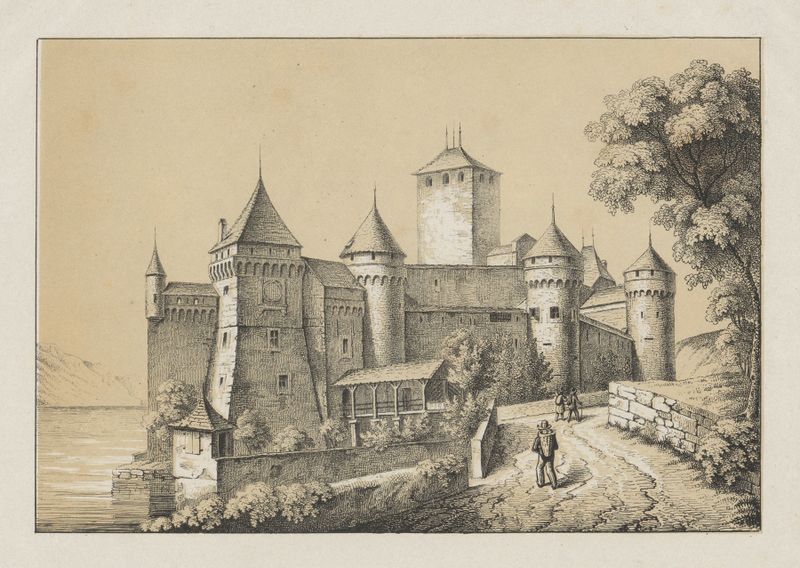
Chillon
Johann Friedrich Wagner

Valangin
Johann Friedrich Wagner
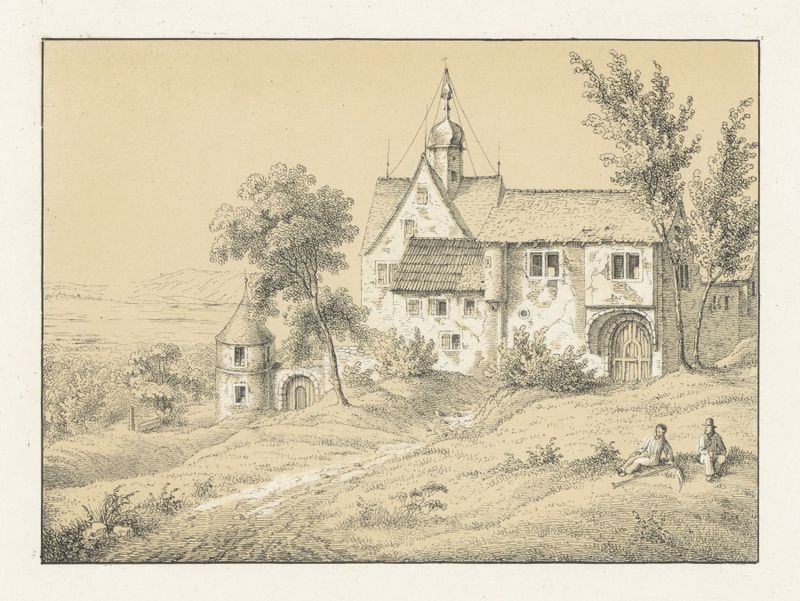
Greifenstein
Johann Friedrich Wagner

Vorburg
Johann Friedrich Wagner
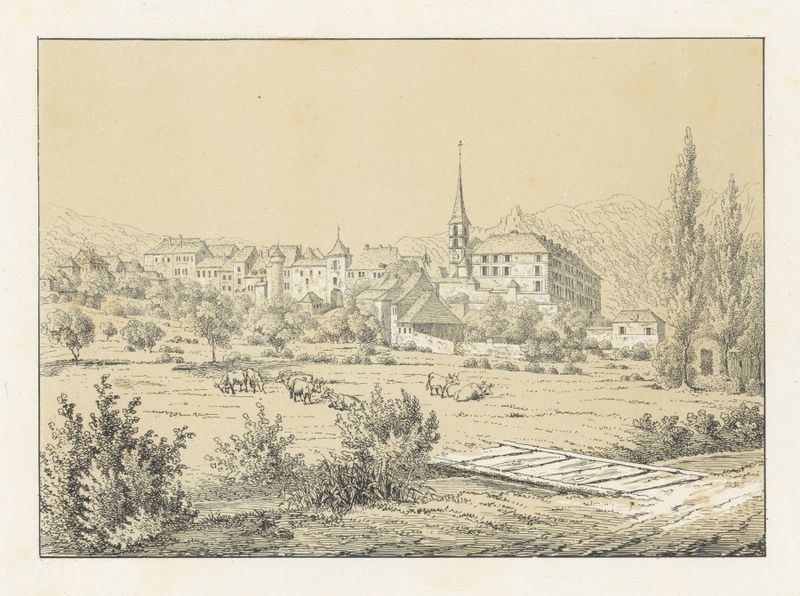
Delémont
Johann Friedrich Wagner

Pleujouse
Johann Friedrich Wagner

Challay
Johann Friedrich Wagner
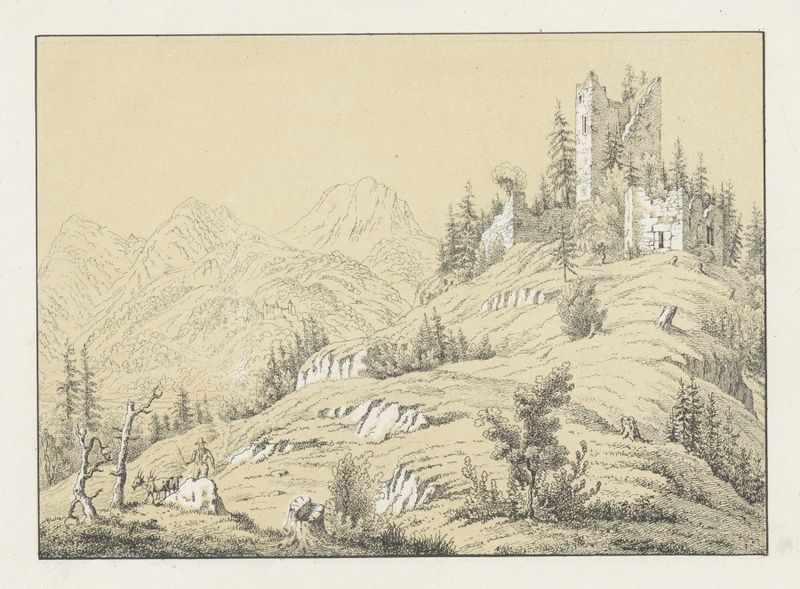
Mont Salvant
Johann Friedrich Wagner
Aha. Od. Untere Burg von Sarnen
Johann Friedrich Wagner
Lausanne
Johann Friedrich Wagner





