
Laughing boy with a flute — History & Facts
Few paintings capture the infectious spirit of youth as vividly as Laughing boy with a flute by Frans Hals. What makes this work especially intriguing is that it belongs to a small but celebrated group of so-called “tronies”—studies of expressive heads—by Hals, whose quick, lively brushwork was so admired that even his contemporaries commented on the “living spirit” in his models. Unlike formal portraits, these paintings were not commissioned but created for the open market, allowing Hals to experiment freely with character and mood.
The identity of the boy remains unknown, and yet his face has become one of the most recognizable in Dutch art. Scholars continue to debate whether this painting is a study from life or a composite, as several similar works by Hals exist, each with subtle variations in pose and costume. Caught mid-laugh, the boy looks out with sparkling eyes, his lips parted in a moment of spontaneous joy. He clutches a simple wooden flute, its pale length contrasting with his dark tunic, while the loose, energetic brushstrokes of his tousled hair and flushed cheeks convey a sense of immediacy and warmth.
The flute, a symbol of music and merriment, hints at the pleasures of ordinary life in 17th-century Haarlem. Unlike the more composed, introspective musicians painted by Judith Leyster, Hals’s contemporary, this boy seems ready to burst into song or laughter at any moment. The light falls softly across his face, illuminating his expression and drawing the viewer into his world of youthful exuberance. The precise journey of Laughing boy with a flute through history is not fully documented, but it is generally accepted that the painting remained in private Dutch collections for centuries before entering the public eye.
Its attribution to Frans Hals has never been seriously challenged, thanks to its unmistakable style and technical bravura. Today, the painting is celebrated as a quintessential example of Hals’s genre scenes, standing alongside works like The Merry Drinker in demonstrating his gift for capturing fleeting human expressions. It remains a highlight of the artist’s career, embodying the lively spirit that made Hals a leading figure of the Dutch Golden Age.
More Artworks by Frans Hals

Banquet of the Officers of the St George Civic Guard
Frans Hals

Portrait of Jacob Pietersz Olycan (1596-1638)
Frans Hals
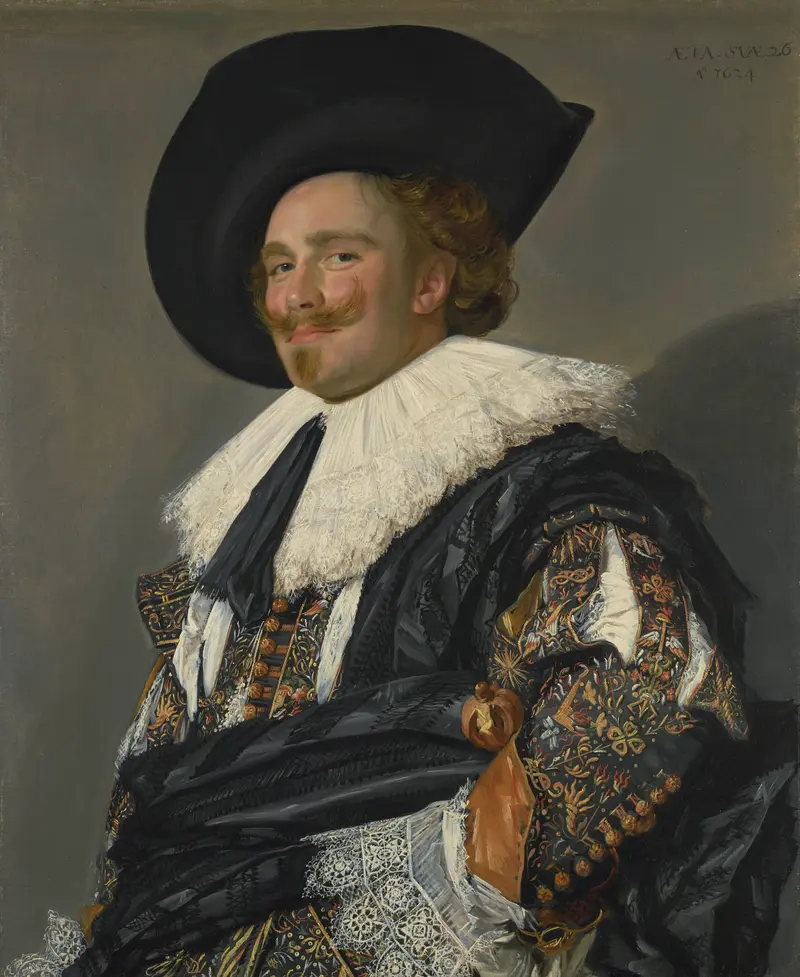
Laughing Cavalier
Frans Hals

Militia Company of District XI under the Command of Captain Reynier Reael, Known as ‘The Meagre Company’
Frans Hals
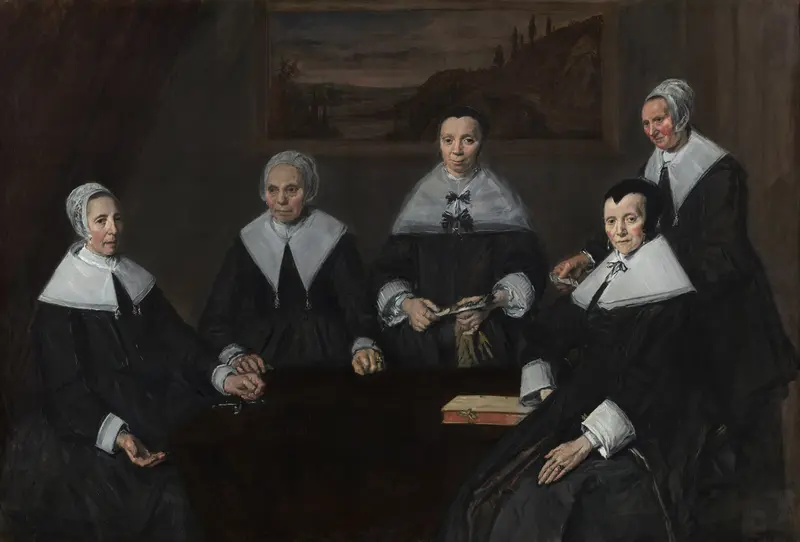
Regentesses of the Old Men's Alms House
Frans Hals
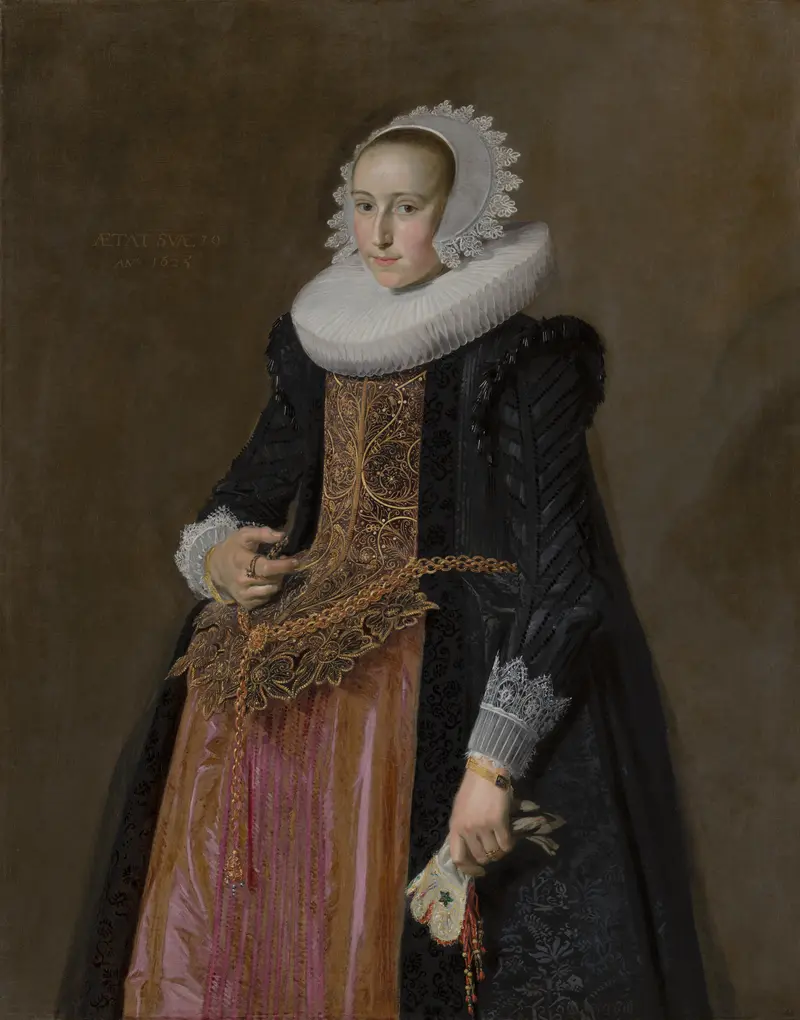
Portrait of Aletta Hanemans (1606–1653)
Frans Hals
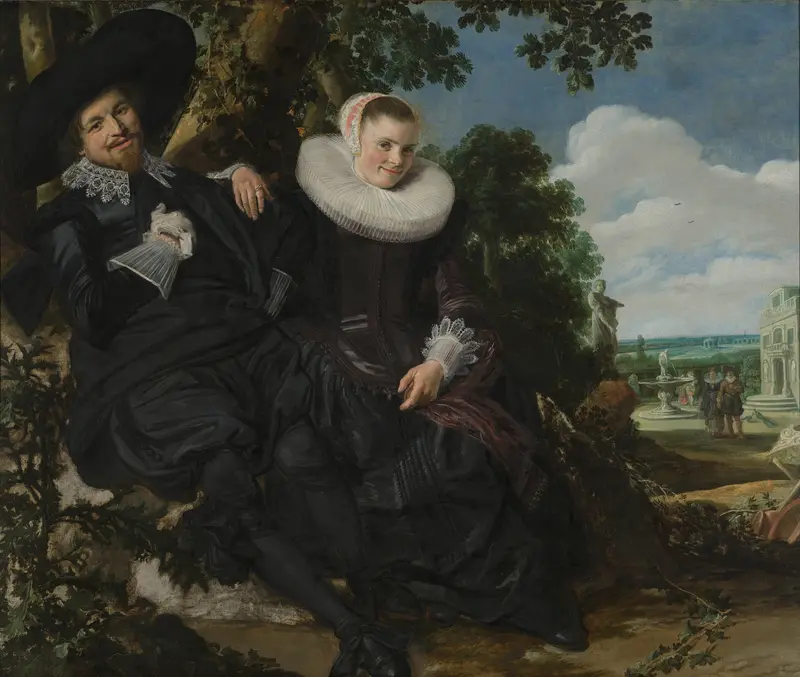
Portrait of a Married Couple, Likely Isaac Abrahamsz Massa and Beatrix van der Laen
Frans Hals
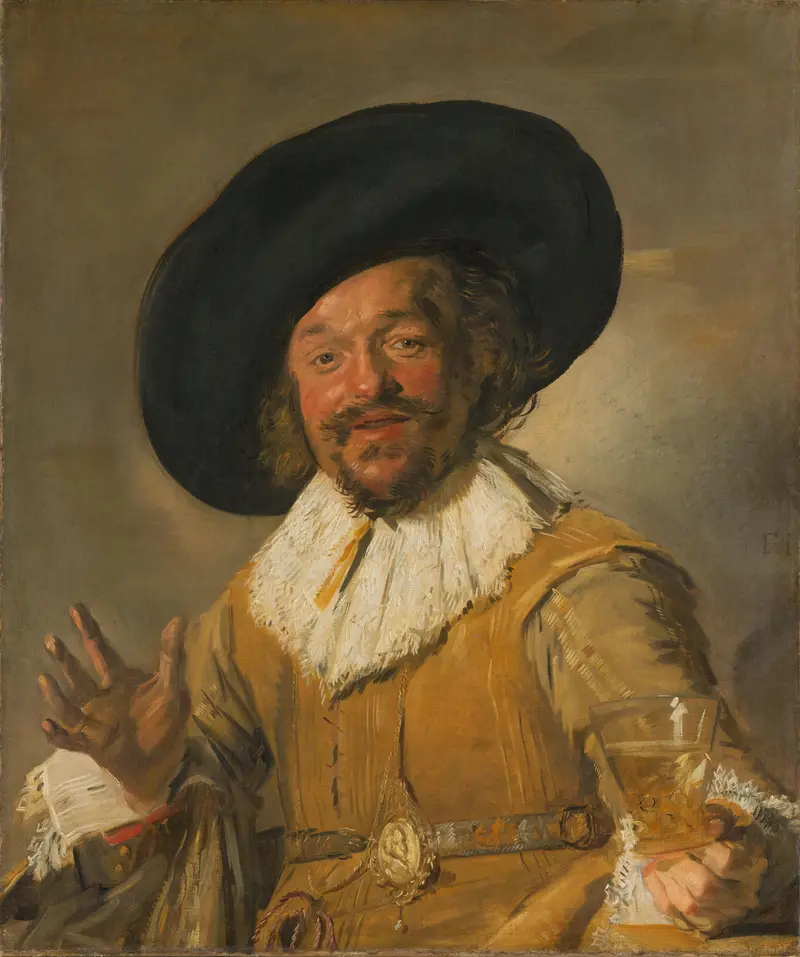
The Merry Drinker
Frans Hals
Portrait of Paulus Verschuur
Frans Hals
Portrait of Pieter van den Broecke
Frans Hals
More Genre Scene Art
Banquet of the Officers of the St George Civic Guard
Frans Hals

Rembrandt and Saskia in the Scene of the Prodigal Son
Rembrandt van Rijn

Bal du moulin de la Galette
Pierre-Auguste Renoir

Quadrille at the Moulin Rouge
Henri de Toulouse-Lautrec

A Burial at Ornans
Gustave Courbet

When Will You Marry?
Paul Gauguin