
Le bac — History & Facts
In the tranquil cadence of nature, hidden beneath its serene façade, betrayal lurks like a shadow waiting to strike. The subtle complexities of human emotions weave through this landscape, revealing a deeper story than mere scenery. Look to the left, where a gentle river stretches across the canvas, its surface shimmering under a delicate embrace of sunlight. The strokes are fluid and tender, guiding the viewer’s gaze towards a modest boat gliding silently over the water.
Notice how the dappled hues of greens and blues contrast with the warm, golden reflections, merging tranquility with an undercurrent of tension. Daubigny’s choice of color and composition expertly captures the fleeting moments of peace that belied the emotional turmoil beneath. Amidst the peaceful riverbanks, the boat embodies a paradox—a vessel of solitude yet filled with a sense of impending loss. The serene environment juxtaposes the notion of betrayal, as one can almost sense the relationships lost to the passage of time.
The subtle ripples in the water evoke feelings of memories stirring just below the surface, hinting at what was once vibrant but now remains unspoken. Each element of the scene plays a role in constructing a narrative steeped in nostalgia and regret. In 1866, while living in France, Daubigny created Le bac during a period of artistic transition, blending Romantic ideals with emerging Impressionist techniques. The art world was shifting towards capturing the ephemeral moments of life, and Daubigny, experiencing both personal and professional growth, embraced this change.
Through his landscapes, he sought to articulate the beauty and profundity found in everyday experiences, as well as the poignant memories they evoke.
More Artworks by Charles François Daubigny
Browse all →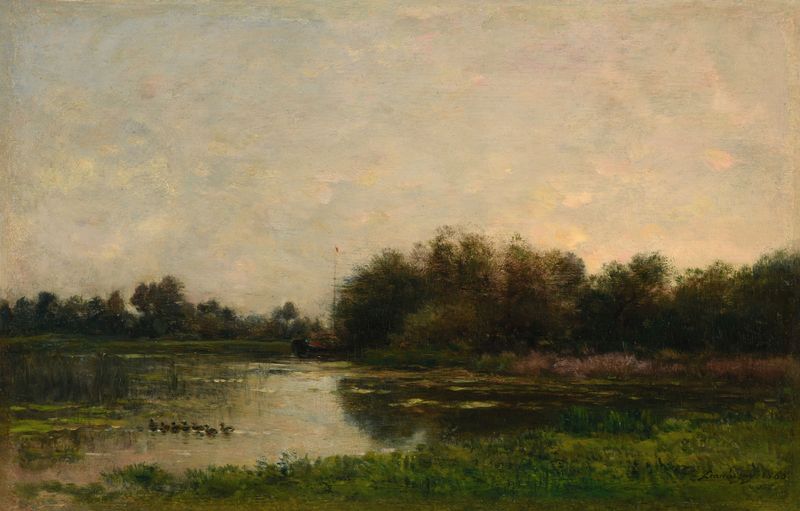
Bords de l’Oise
Charles François Daubigny
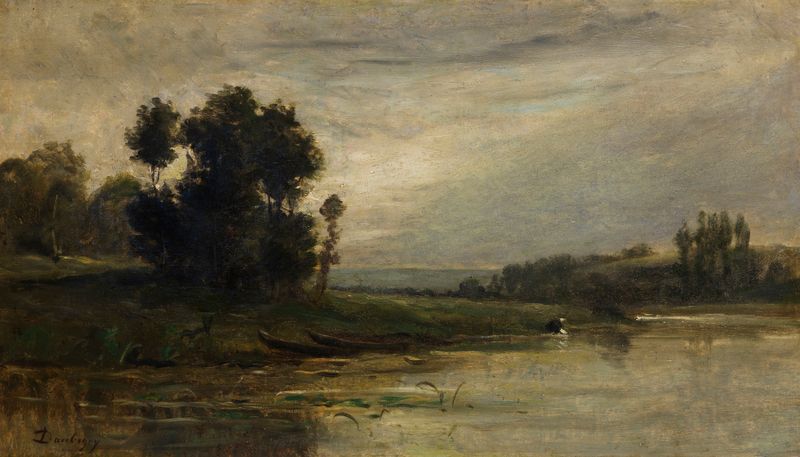
Bords de l’Oise
Charles François Daubigny
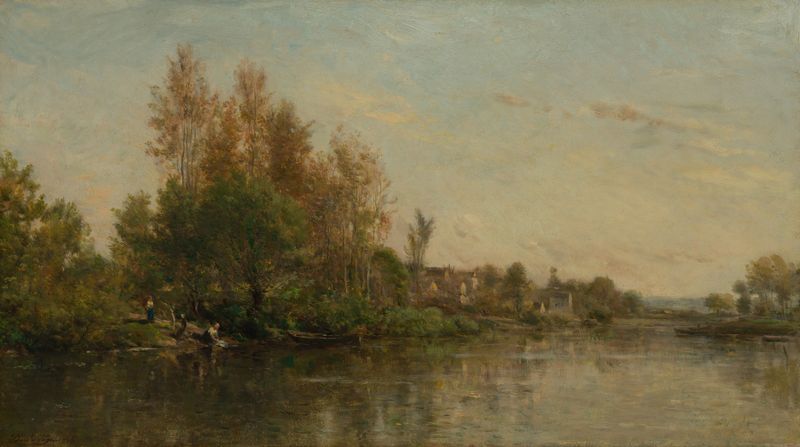
The Banks of the Oise
Charles François Daubigny
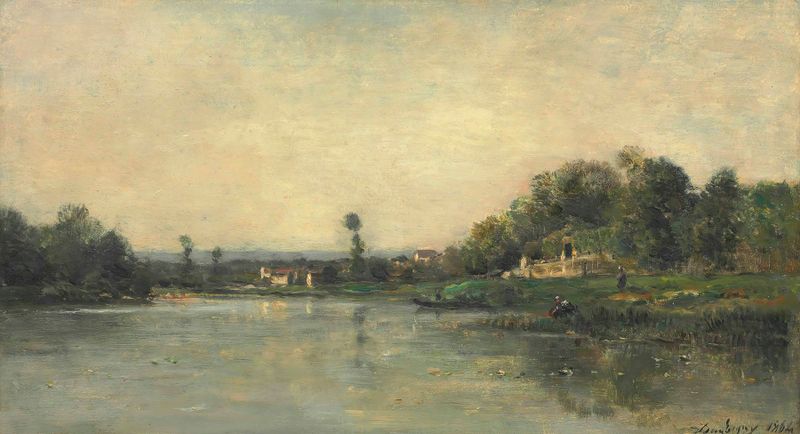
Les Bords De L’oise
Charles François Daubigny
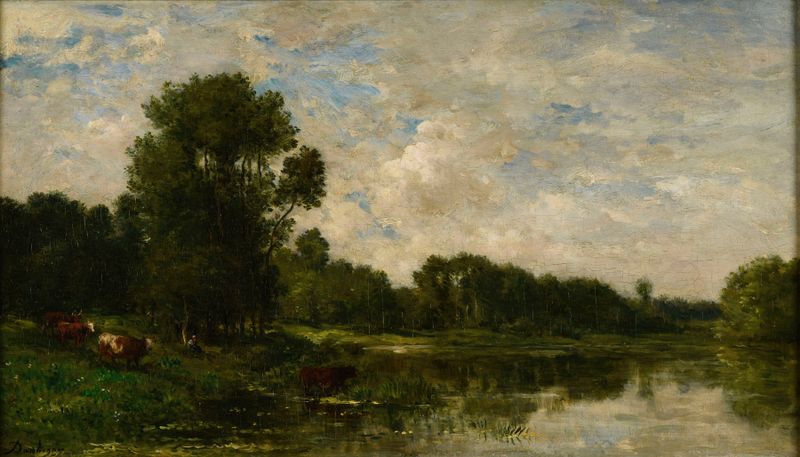
Bords de l’Oise
Charles François Daubigny
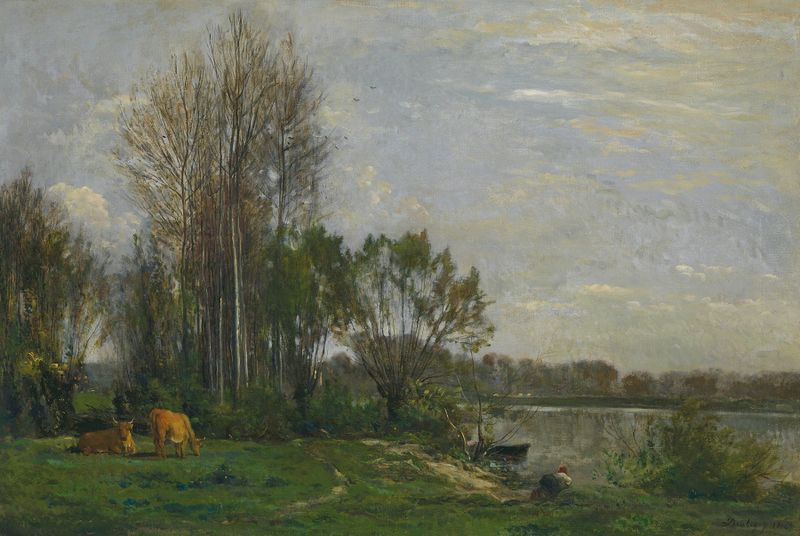
Les Bord De L’oise
Charles François Daubigny
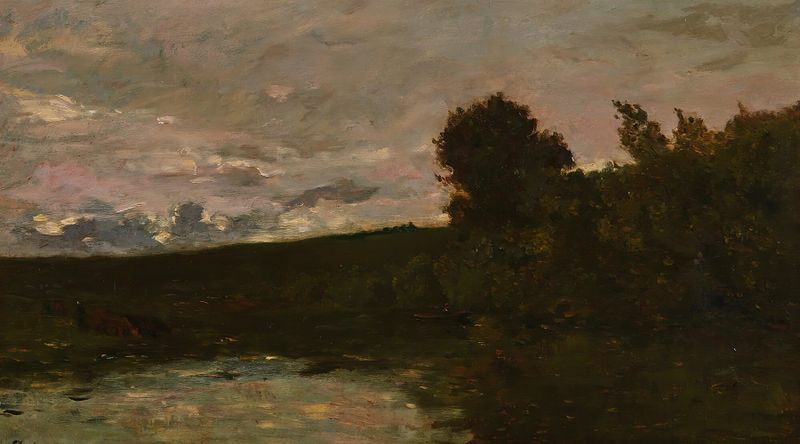
Bord De Riviére
Charles François Daubigny
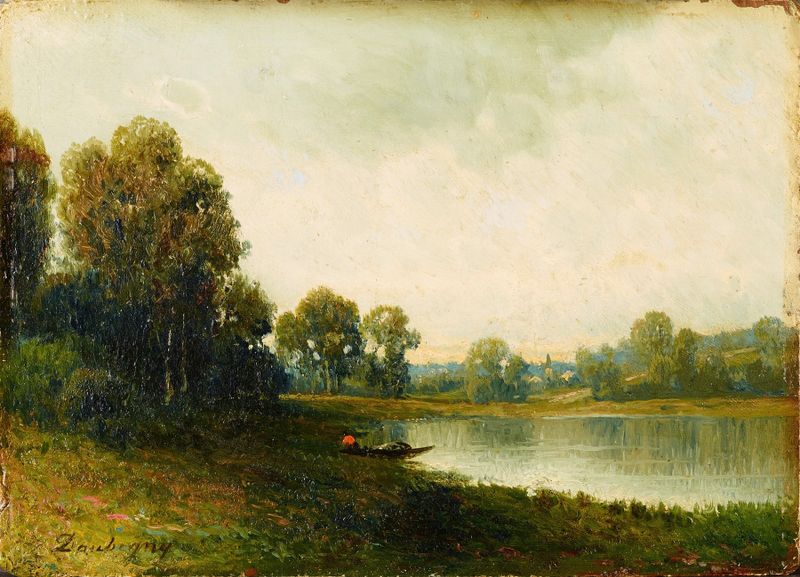
Landscape
Charles François Daubigny
Herbstliche Aulandschaft Abendstimmung
Charles François Daubigny
Landscape near Crémieu
Charles François Daubigny





