
Le bœuf gras devant le Grand Châtelet, un jour de Carnaval — History & Facts
In a world clamoring for attention, it is the quiet nuances of faith that resonate most profoundly. Look closely at the vibrant tableau before you, where a regal bull stands proudly, flanked by a jubilant crowd celebrating Carnaval. Notice how the contrasting hues of the bull’s coat — rich browns and deep blacks — command your gaze, grounding the scene in a visceral reality. The backdrop, with its swift brushstrokes, swells with life, depicting the Grand Châtelet bustling with energy.
Each figure, caught in the frenzy of celebration, exhibits a spectrum of emotions — from overwhelming joy to solemn reflection — all painted with a vivid palette that invites introspection. As you immerse yourself in the chaos, take note of the subtle details: the swirling ribbons and confetti that float in the air, contrasting sharply with the strong, unwavering figure of the bull. The animal symbolizes steadfastness amidst the ephemeral nature of the festivities, a reminder of the faith that underpins life’s fleeting moments. In this depiction, Bénard captures not just a moment of revelry but also the profound tension between exuberance and solemnity, inviting the viewer to ponder what lies beneath the surface. Created during a transformative period in France, this piece emerged between 1801 and 1900 when the nation was navigating the aftermath of the Revolution.
Bénard, an artist with roots in the vibrant culture of Paris, captured the essence of his time through the lens of everyday life. The painting reflects the burgeoning sense of identity and celebration, embodying both the joy and the complexities of a changing society.
More Artworks by Auguste-Sébastien Bénard
Browse all →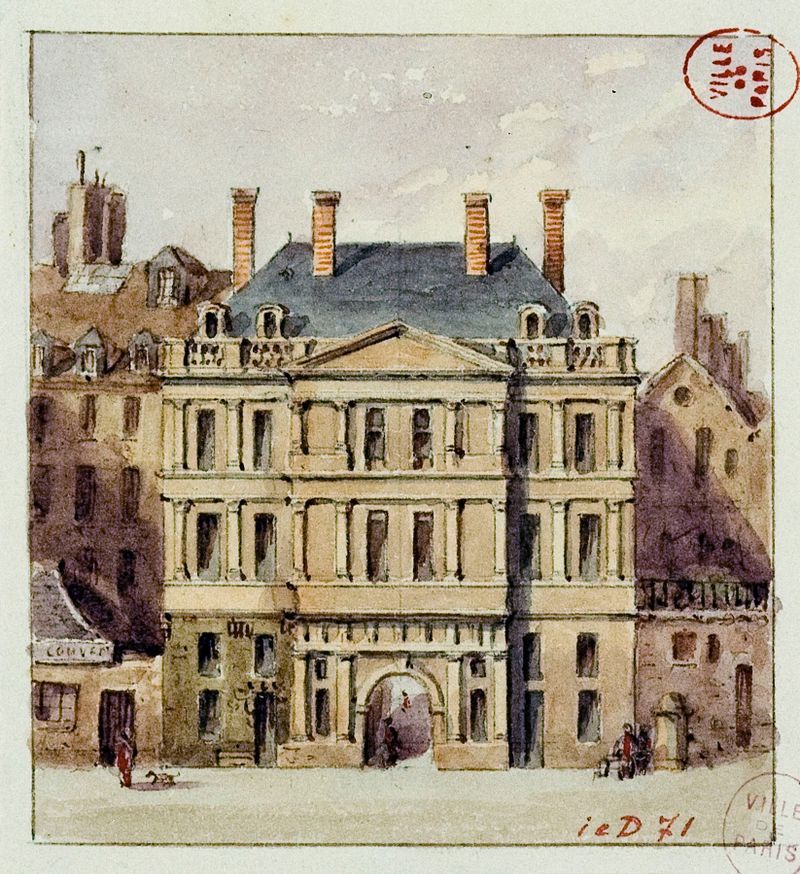
Cour de la Sainte Chapelle.
Auguste-Sébastien Bénard
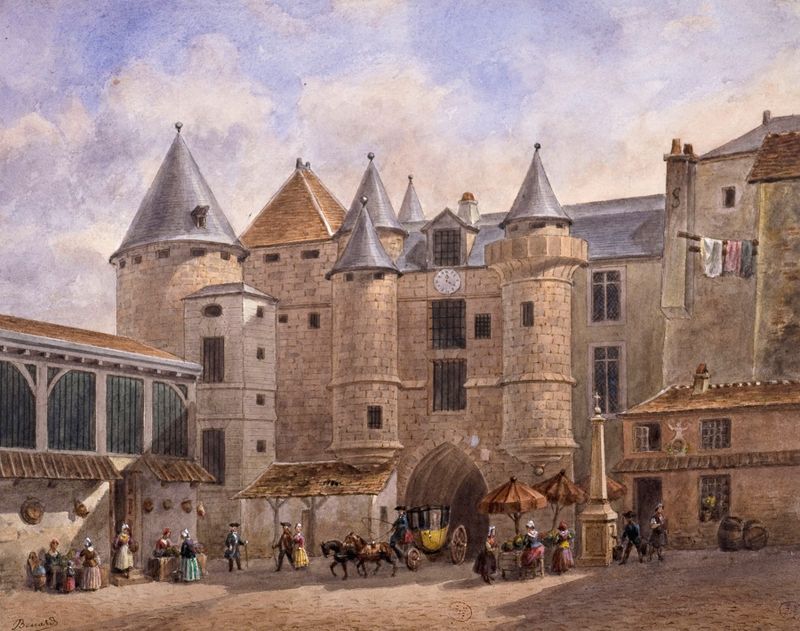
Le Grand Châtelet du XVIIIème siècle.
Auguste-Sébastien Bénard

Place de l’Hôtel de Ville.
Auguste-Sébastien Bénard

Salle souterraine du Palais de Justice.
Auguste-Sébastien Bénard

Voûtes du quai de Gesvres
Auguste-Sébastien Bénard

Monument expiatoire élevé à la mémoire du duc de Berry, à l’emplacement de l’ancien Opéra
Auguste-Sébastien Bénard
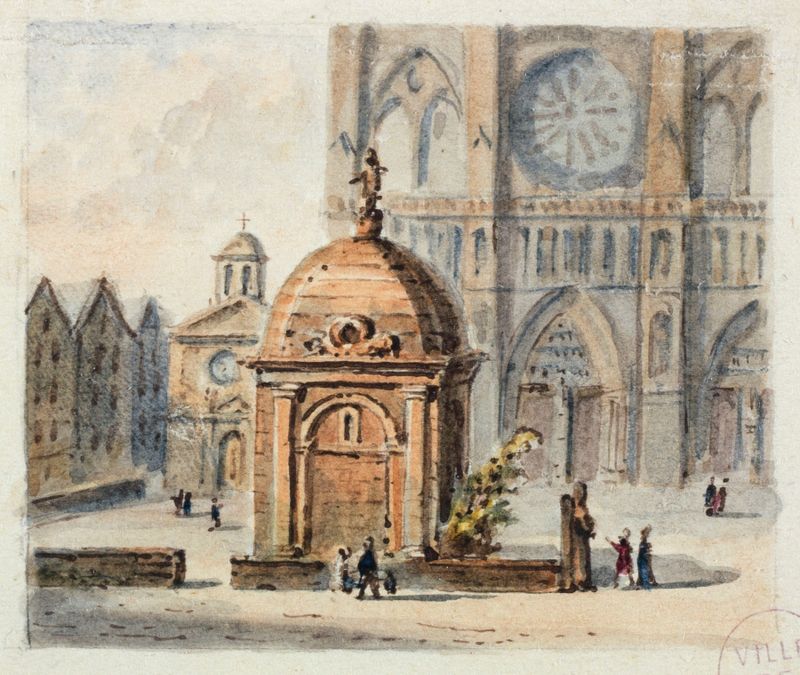
Le parvis de Notre-Dame de Paris
Auguste-Sébastien Bénard

Rue des chantres (entre le quai aux fleurs et la rue Chanoinesse).
Auguste-Sébastien Bénard

L’entrée de l’ancienne forteresse du Grand Châtelet, un jour de Carnaval
Auguste-Sébastien Bénard
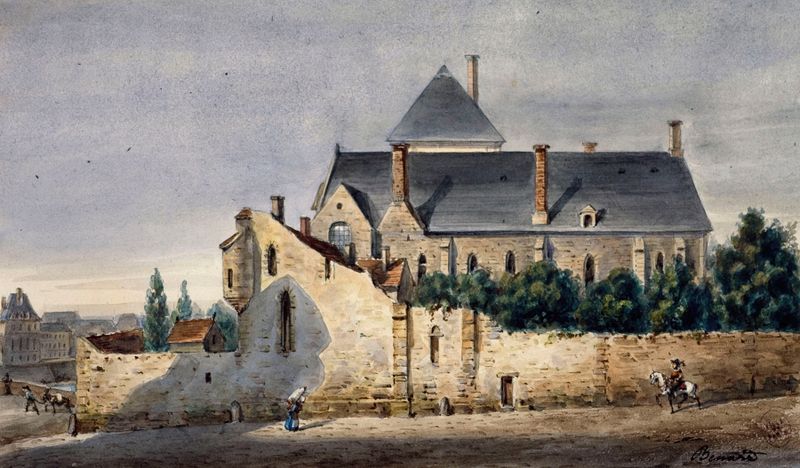
Les restes des bâtiments de l’hôtel du Petit Bourbon.
Auguste-Sébastien Bénard





