
Le Cap Martin — History & Facts
When did color learn to lie? The vibrant hues of the Mediterranean whisper secrets, yet speak with the authority of the natural world, inviting every viewer to uncover their truth. Look at the bold strokes that shape the coastline, where azure meets golden sands. The horizon stretches wide, dotted with wispy clouds that capture the light in a playful dance. Focus on the delicate interplay between the greens and blues, where the setting sun infuses the scene with warmth, creating a tapestry of life that feels at once ethereal and grounded.
Each brushstroke reveals the artist’s skilled technique, differing in tempo and pressure, as though the landscape itself breathes beneath his hand. Yet, amidst this idyllic beauty lies a deeper tension. The juxtaposition of the vibrant cliffs against the tranquil sea reflects the dichotomy between man and nature, a legacy of exploration and temporality. The vibrant colors evoke nostalgia for a world untouched, while the soft, fading light suggests the inevitability of change.
In this frame, Harpignies captures not just a location, but a moment suspended in time, evoking a bittersweet longing for permanence in a fleeting world. In 1910, the artist found himself in a France transitioning through modernism, with the Impressionist movement shifting into a new wave of expression. Working in the charming setting of Cap Martin, he sought to create landscapes that resonated with emotional depth, reflecting both personal and collective experiences. This period marked a significant moment in his career, where he blended observation with feeling, leaving behind a legacy of works that continue to speak to the soul.
More Artworks by Henri-Joseph Harpignies
Browse all →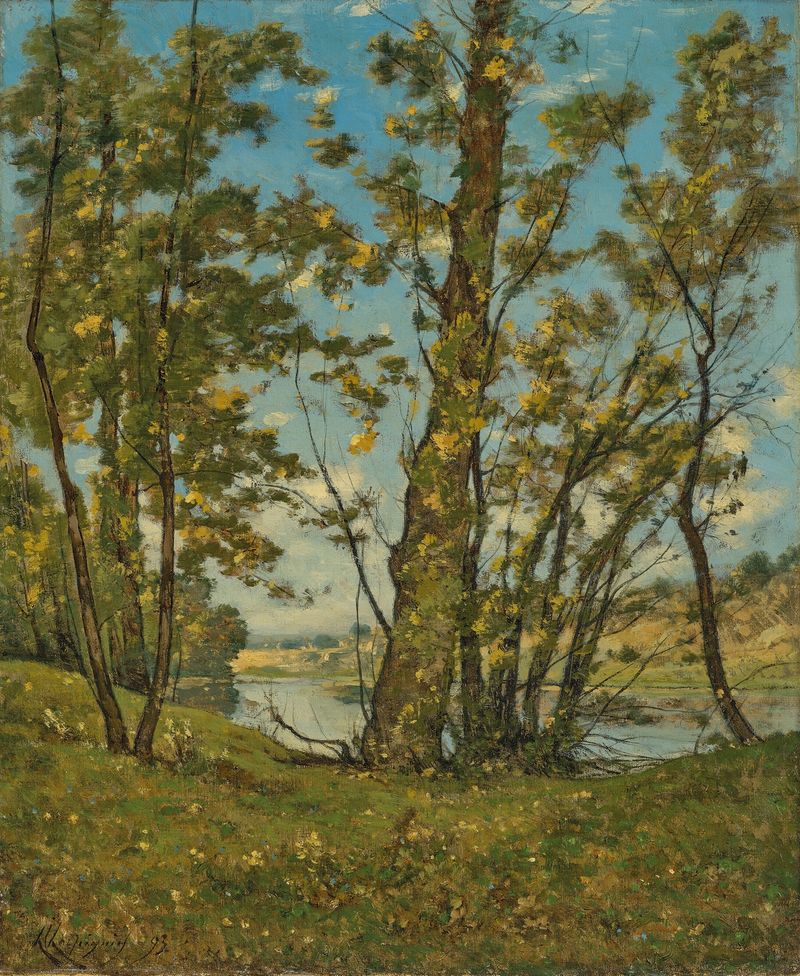
La Loire à Bonny
Henri-Joseph Harpignies
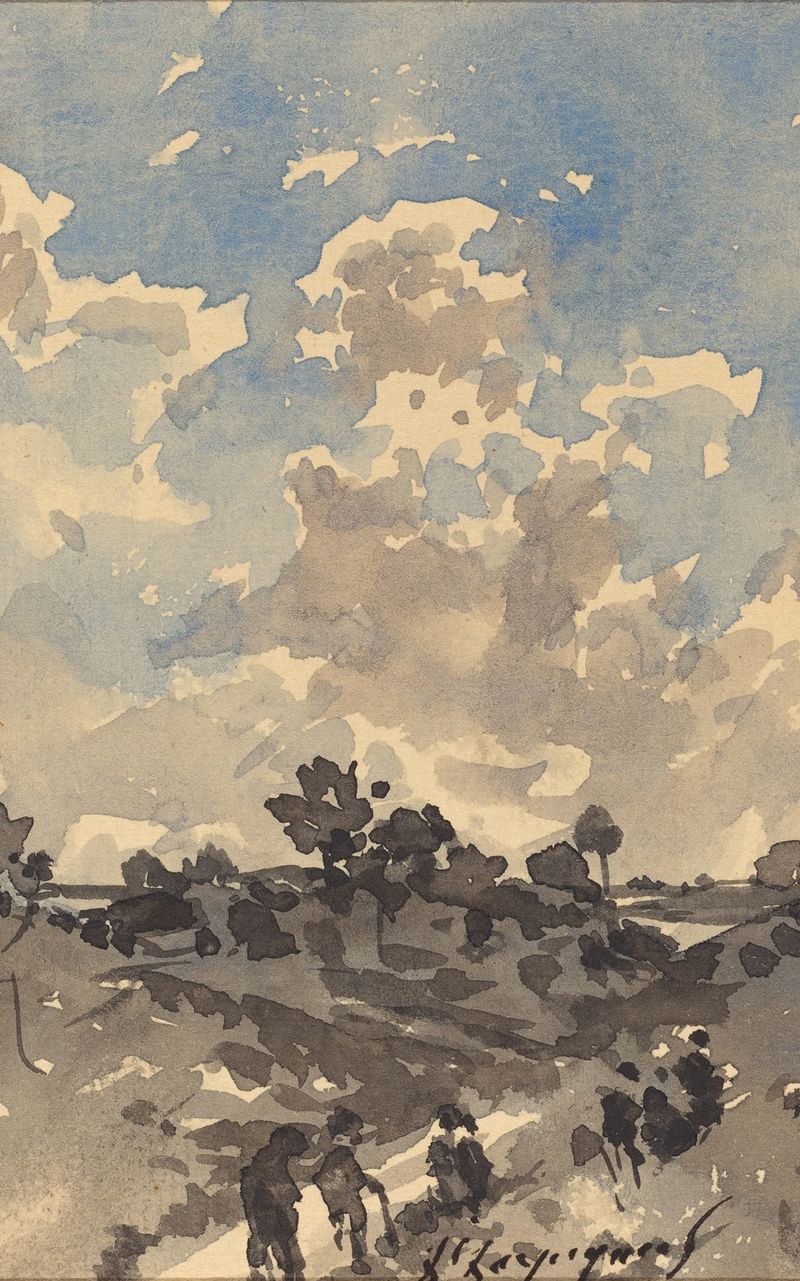
A Landscape with Figures Walking along a Path
Henri-Joseph Harpignies
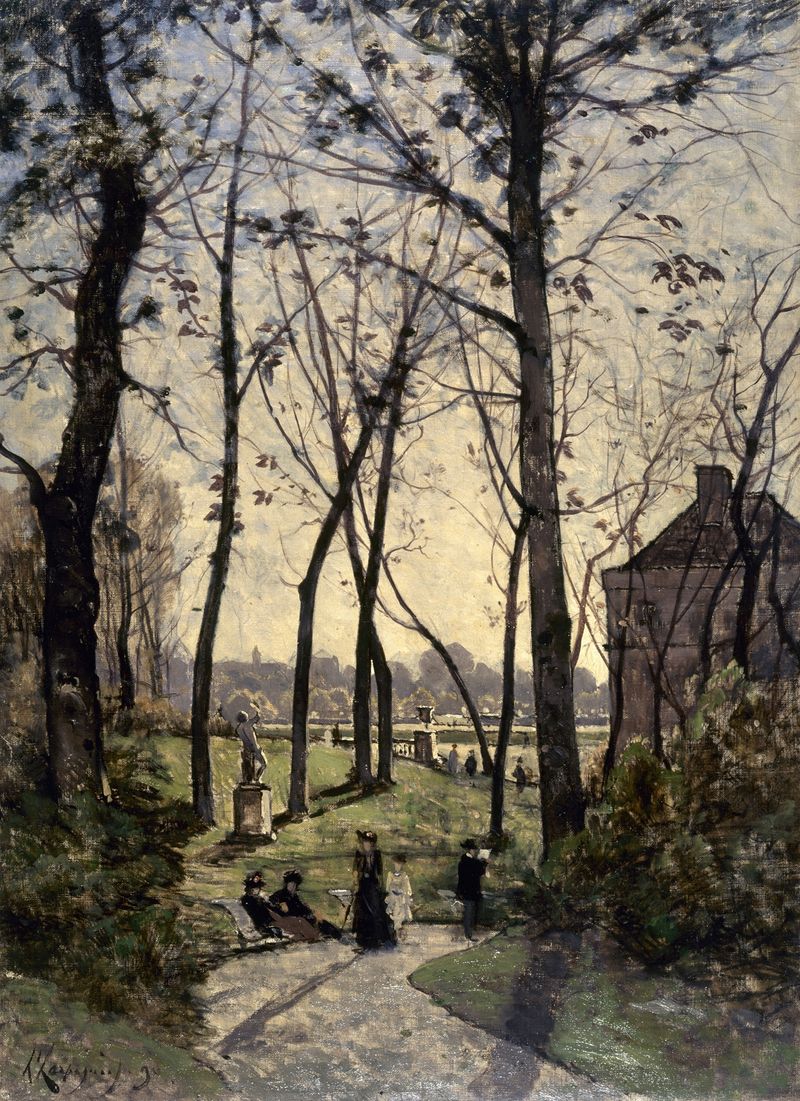
Le jardin du Luxembourg
Henri-Joseph Harpignies
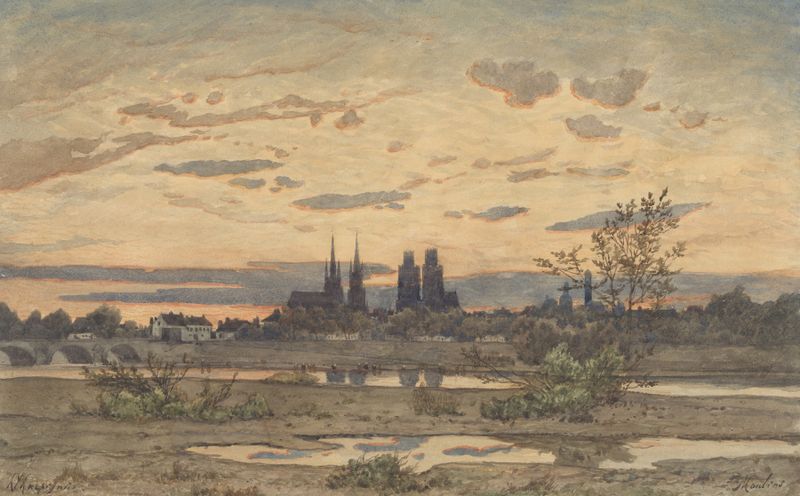
A View of Moulins
Henri-Joseph Harpignies
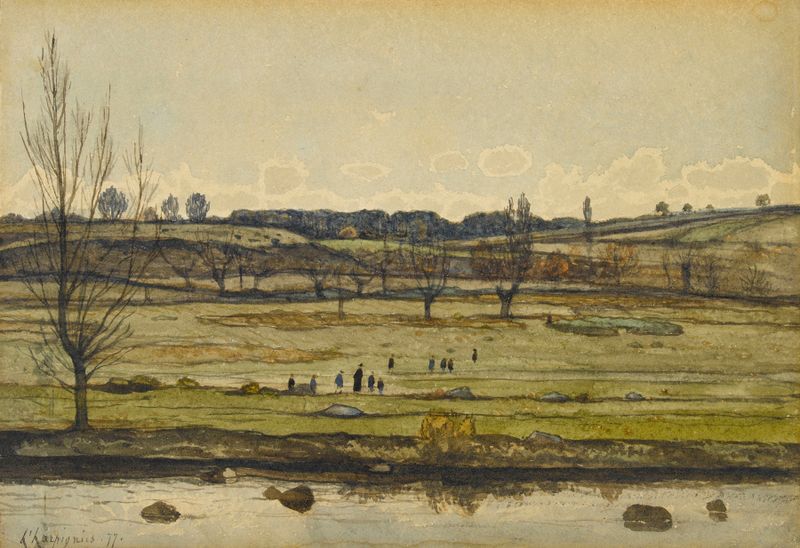
Paysage
Henri-Joseph Harpignies
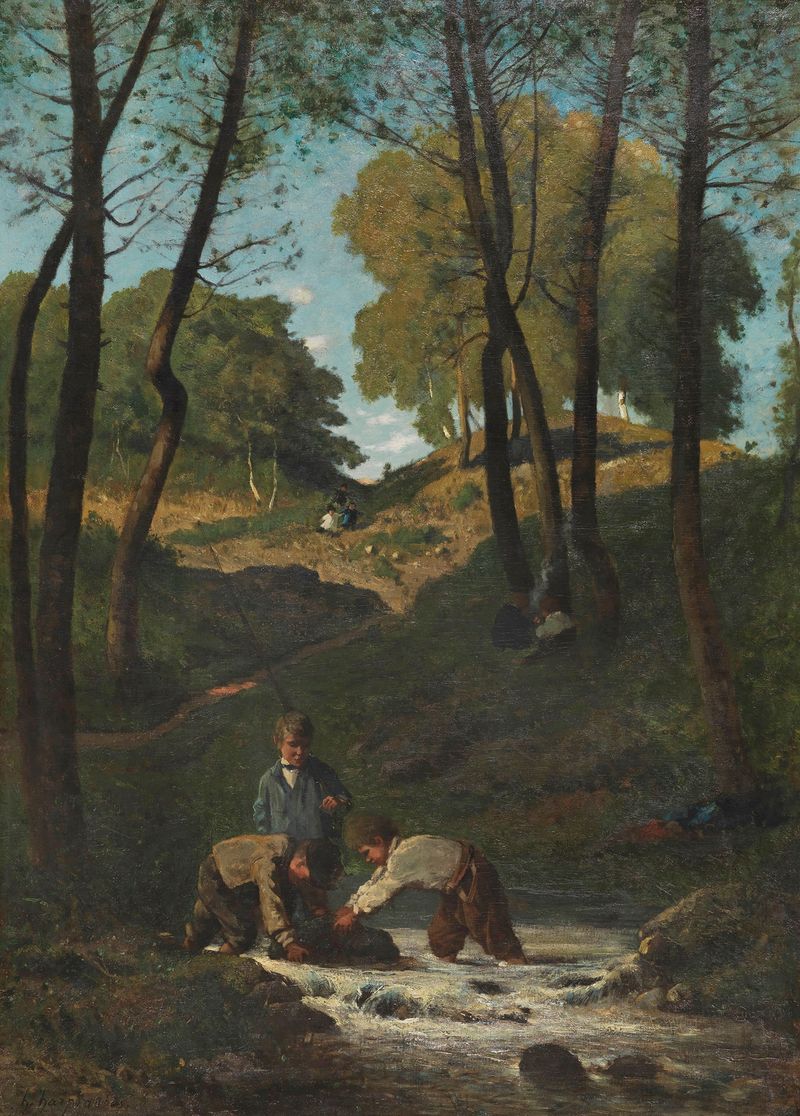
Chercheurs d’écrevisses
Henri-Joseph Harpignies
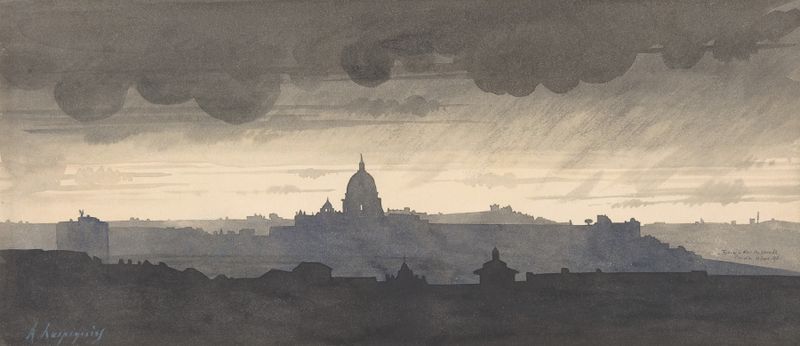
Saint Peter’s Seen From the Pincio, Rome
Henri-Joseph Harpignies
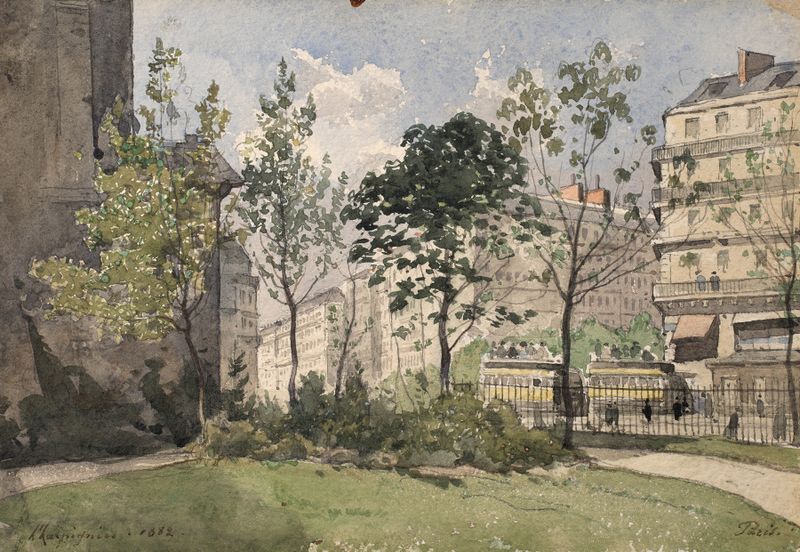
View of the forecourt of the Saint-Germain-des-Prés church
Henri-Joseph Harpignies
Le Colisée à Rome
Henri-Joseph Harpignies

Villefranche
Henri-Joseph Harpignies





