
Le Colisée à Rome — History & Facts
In the haunting stillness of Le Colisée à Rome, the ancient ruins whisper secrets of time, evoking a profound sense of nostalgia and loss. A void permeates the canvas, challenging us to confront the echoes of history that linger in the shadows of grandeur. Look to the left at the crumbling arches, where warm sunlight spills over the stone, illuminating its texture and age. The palette is a soft blend of ochres and blues, capturing a moment when light dances across the Colosseum's weathered facade.
The artist’s brushwork is fluid, drawing our gaze through the open spaces where life once flourished, now filled with silence and reverie. Beneath the surface, there lies a tension between beauty and decay. The vibrant colors and soft light may suggest renewal; however, the ruins themselves speak to the relentless passage of time and the inevitability of absence. The juxtaposition of life and desolation invites viewers to ponder the fleeting nature of existence and the stories lost within these walls. Created in 1878, this painting emerged during a period of artistic exploration in France, as movements like Impressionism began to redefine perceptions of light and landscape.
Harpignies, influenced by the changing tastes of the art world, sought to capture both the ethereal beauty of nature and the remnants of history. As he painted in Rome, he grappled with his own artistic identity, merging his romantic vision with the reality of decay, creating a work that resonates deeply with the passage of time.
More Artworks by Henri-Joseph Harpignies
Browse all →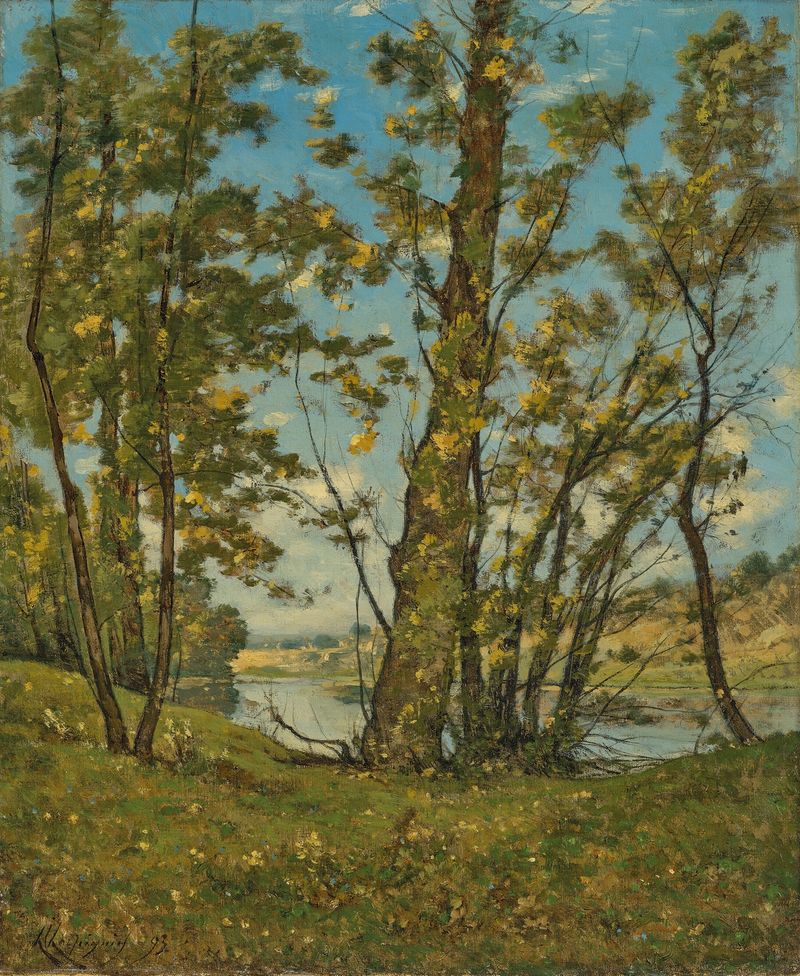
La Loire à Bonny
Henri-Joseph Harpignies
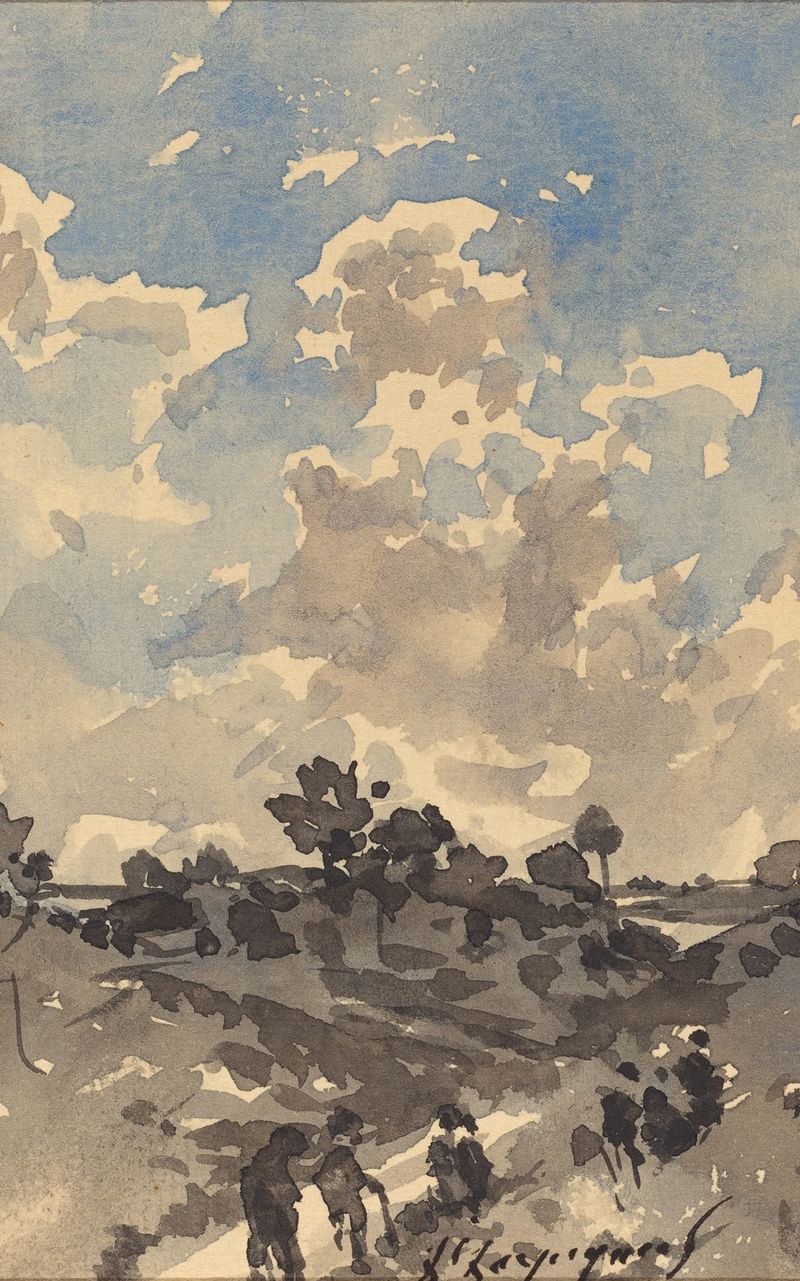
A Landscape with Figures Walking along a Path
Henri-Joseph Harpignies
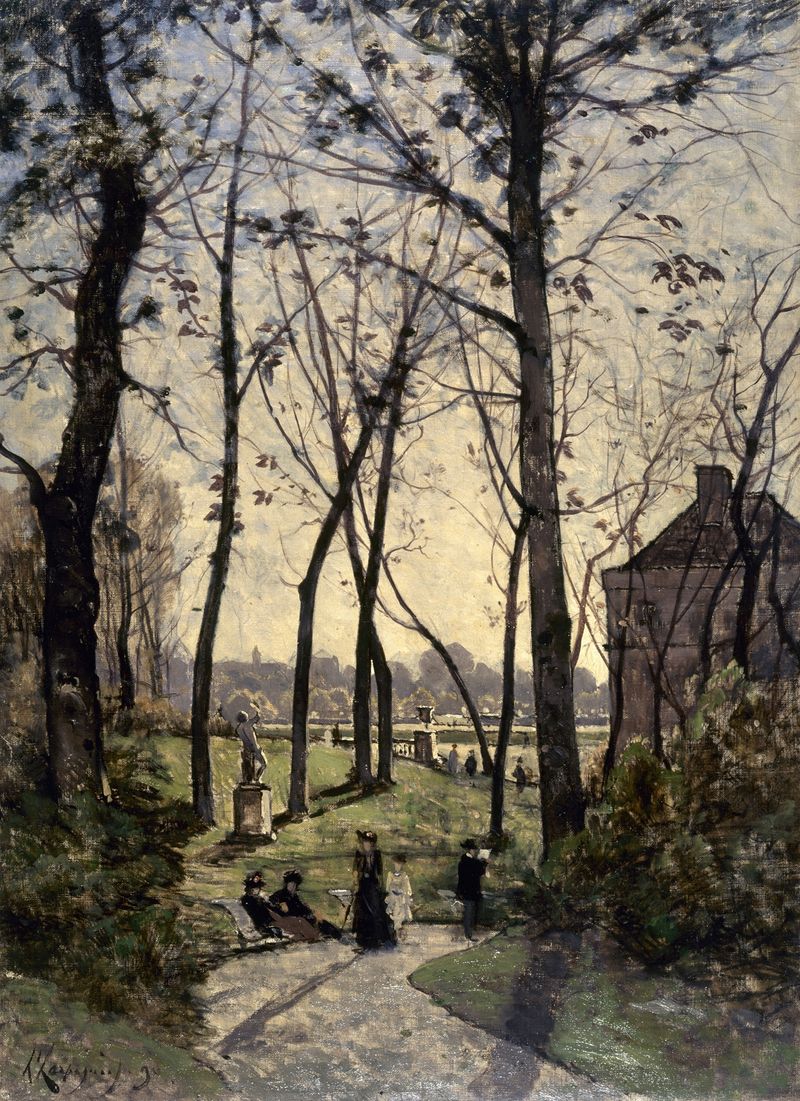
Le jardin du Luxembourg
Henri-Joseph Harpignies
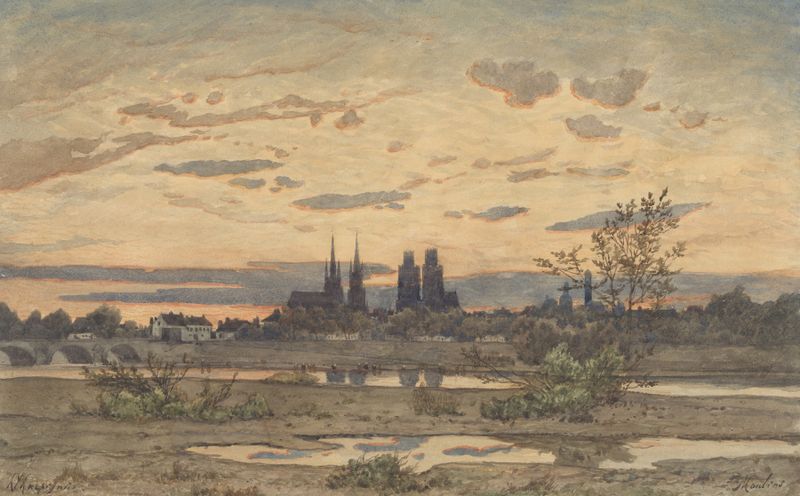
A View of Moulins
Henri-Joseph Harpignies
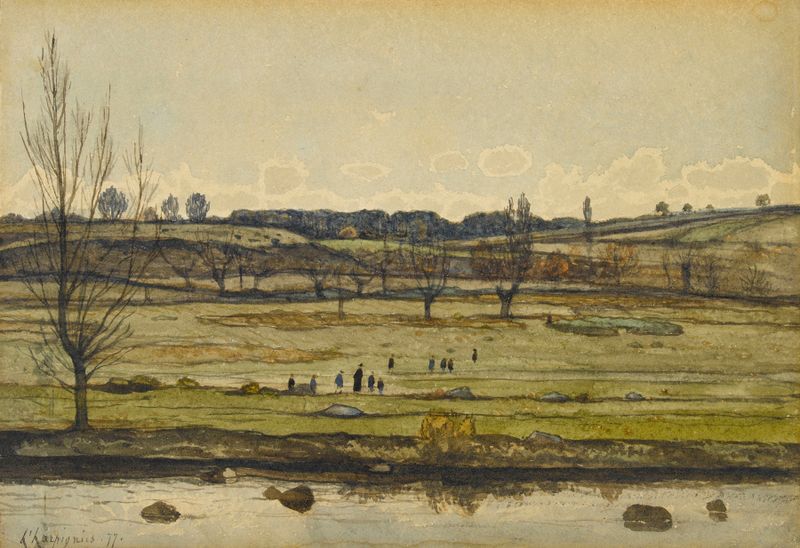
Paysage
Henri-Joseph Harpignies
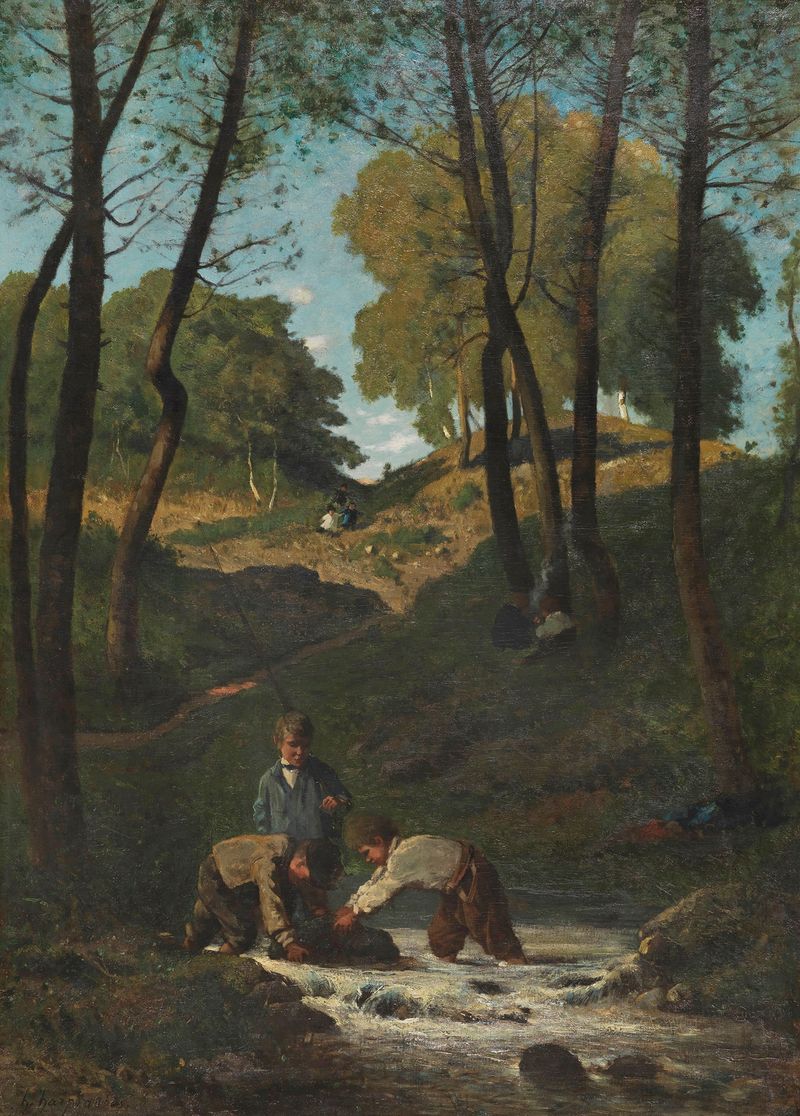
Chercheurs d’écrevisses
Henri-Joseph Harpignies
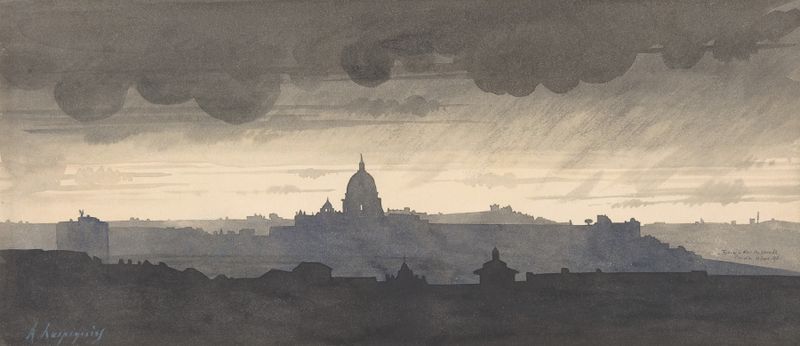
Saint Peter’s Seen From the Pincio, Rome
Henri-Joseph Harpignies
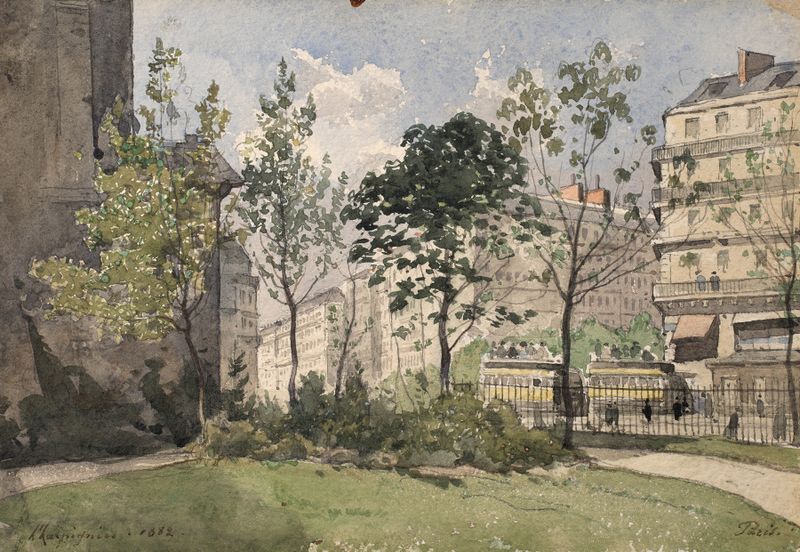
View of the forecourt of the Saint-Germain-des-Prés church
Henri-Joseph Harpignies
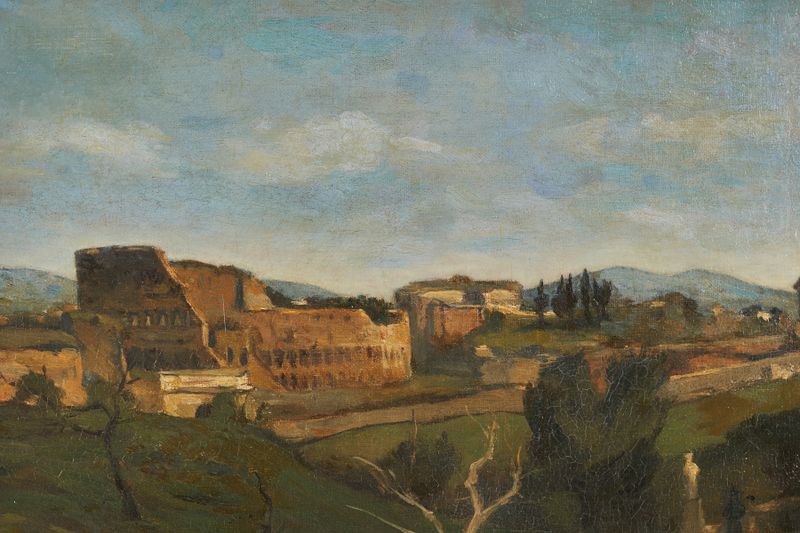
Le Colisée à Rome
Henri-Joseph Harpignies

Villefranche
Henri-Joseph Harpignies
More Architecture Art
Browse all →
The statue of Liberty
Frédéric Auguste Bartholdi

View of Houses in Delft, Known as ‘The Little Street’
Johannes Vermeer

View of Houses in Delft, Known as ‘The Little Street’
Johannes Vermeer

The Cathedral in Rouen. The portal, Grey Weather
Claude Monet

The yellow house
Vincent van Gogh

The Church in Auvers-sur-Oise, View from the Chevet
Vincent van Gogh