
Le Faubourg sous la neige ou Scène de rue en hiver — History & Facts
Could a single brushstroke hold eternity? In Le Faubourg sous la neige, the weight of winter carries both beauty and betrayal, whispering secrets of fleeting moments beneath its frosted veil. Look to the left at the delicate outlines of quaint houses, their roofs burdened with snow, invoking a sense of stillness. The muted palette of whites and soft blues contrasts with the warm, earthy tones of the figures trudging through the scene, their forms enveloped in thick layers. Notice how the light dances subtly on the snow, illuminating the lonely path, while shadowy figures blend into the background, emphasizing the isolation that winter often brings. There’s a tension within the painting, where the vibrant life of the street clashes with the cold, indifferent landscape.
Each passerby seems both connected yet distanced, embodying a sense of betrayal—betrayed by the warmth of companionship, now replaced with the chill of solitude. The snow blankets the ground, a deceptive facade that masks the life beneath, just as the passing figures hide their true emotions beneath their winter garb. Alfred William Finch painted this scene in 1886, during a period when France was experiencing a shift in artistic expression, moving towards Impressionism. Living in Paris, he found inspiration in the everyday lives of the urban populace, capturing fleeting moments of beauty in a rapidly changing world, emphasizing the juxtaposition of warmth and cold in both environment and emotional landscape.
More Artworks by Alfred William Finch
Browse all →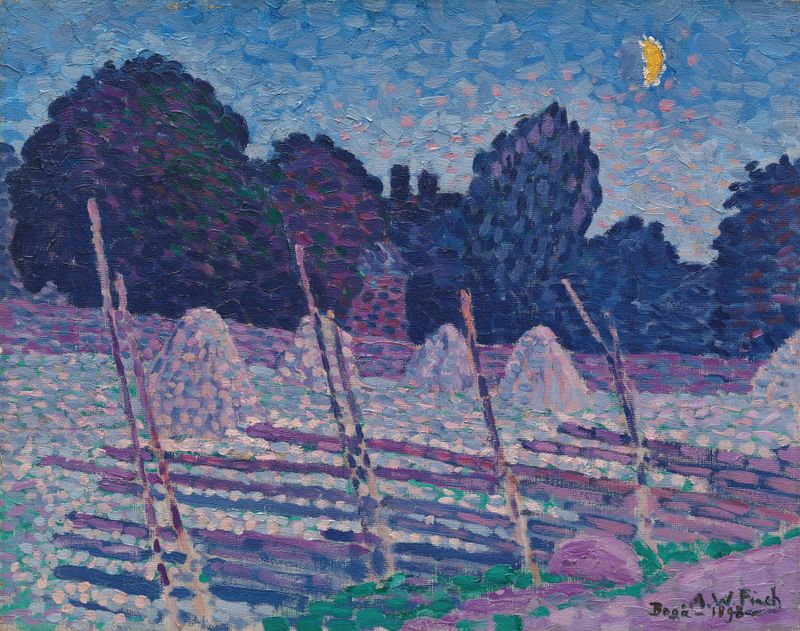
An August’s Night
Alfred William Finch
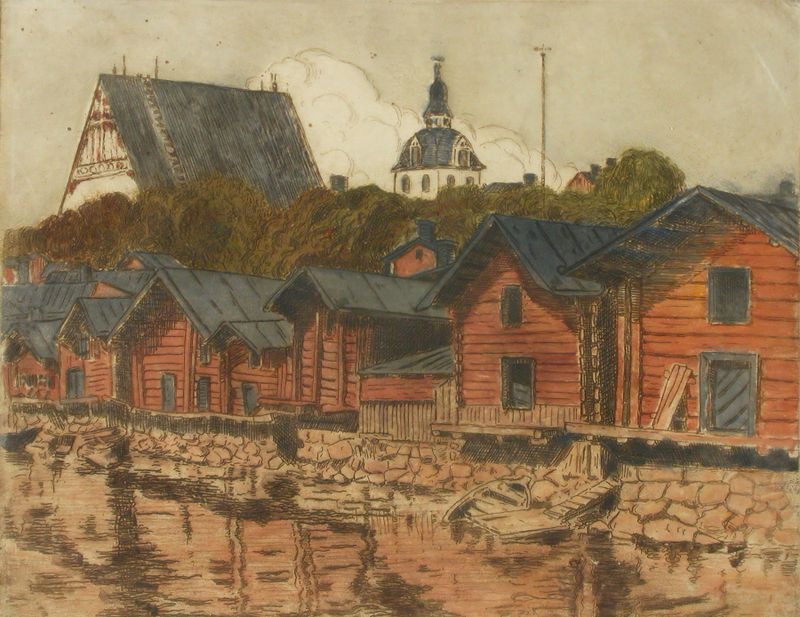
Porvoon ranta-aittoja
Alfred William Finch

Looen rantaa
Alfred William Finch

Richmond, a River Landscape
Alfred William Finch
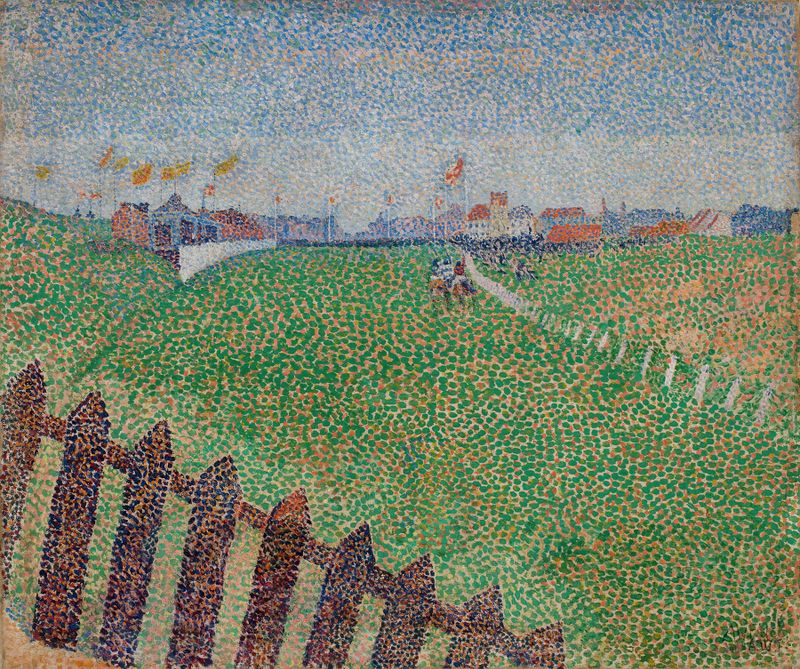
The Wellington Racecourse in Drizzle (Ostende)
Alfred William Finch
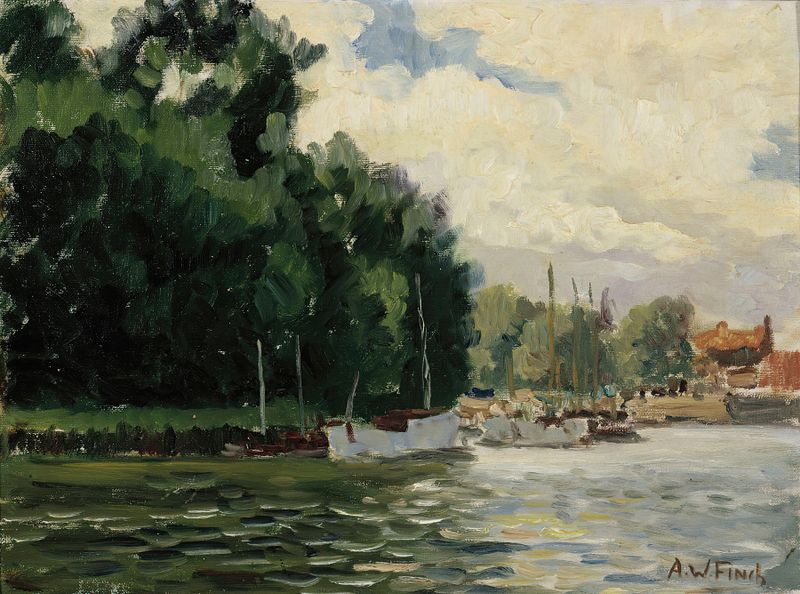
Richmond, Thames
Alfred William Finch
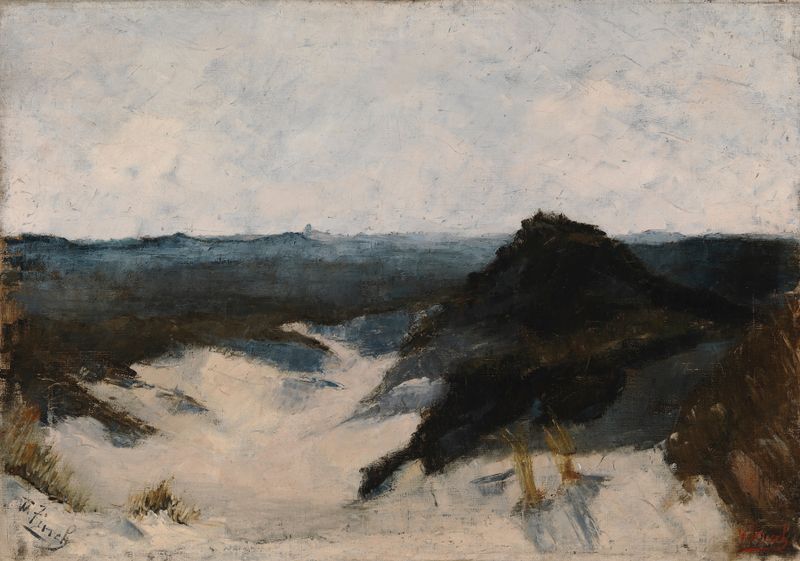
Shore View, Knocke
Alfred William Finch
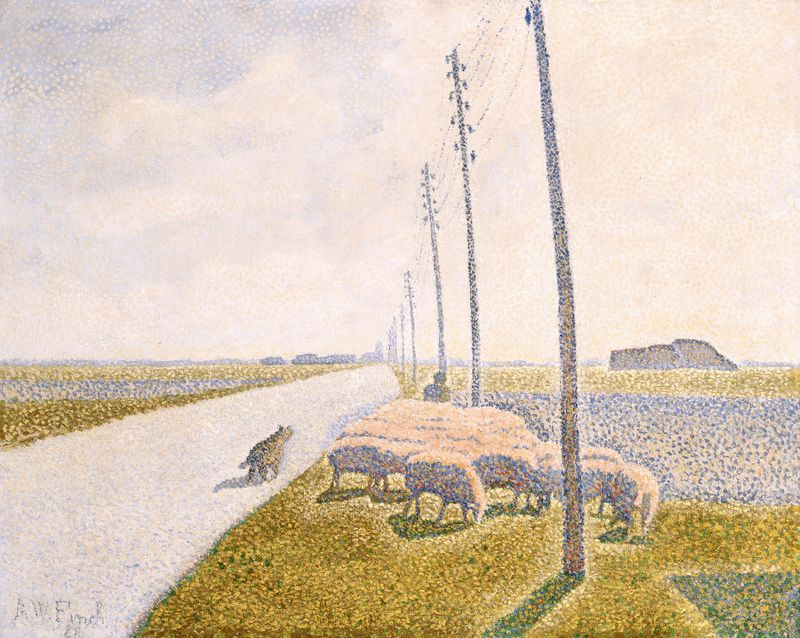
The Road to Nieuport
Alfred William Finch

Bushes
Alfred William Finch
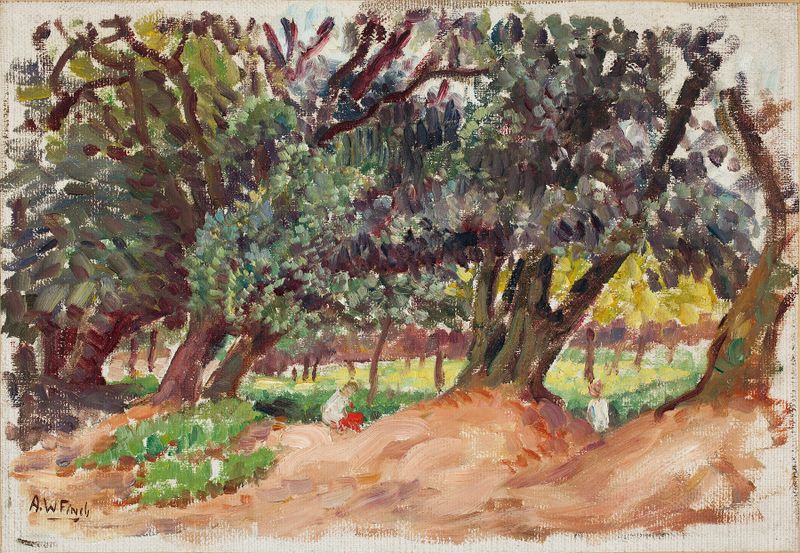
Puistokuva Englannista
Alfred William Finch





