
Le mendiant — History & Facts
In Le mendiant, Henri Fantin-Latour presents a somber scene featuring a beggar. The colors are muted, dominated by browns and grays, which evoke a sense of hardship. The figure of the beggar is hunched, suggesting weariness and despair.
The background is simple, focusing attention on the subject's plight. The painting is executed in oil on canvas, a common medium for the period. The brushwork is detailed yet retains a sense of realism, capturing the textures of the beggar's clothing and the roughness of his skin. The composition is balanced, with the beggar positioned centrally, drawing the viewer's eye.
This work exemplifies the Realism movement, emphasizing everyday subjects. Henri Fantin-Latour was known for his still lifes and portraits, but Le mendiant showcases his ability to depict human emotion. This work reflects the social issues of 19th-century France, particularly the struggles of the poor. Interestingly, Fantin-Latour often painted in the company of other artists, including the Impressionists, although he remained distinct in his style.
This painting is a poignant reminder of the human condition.
More Artworks by Henri Fantin-Latour
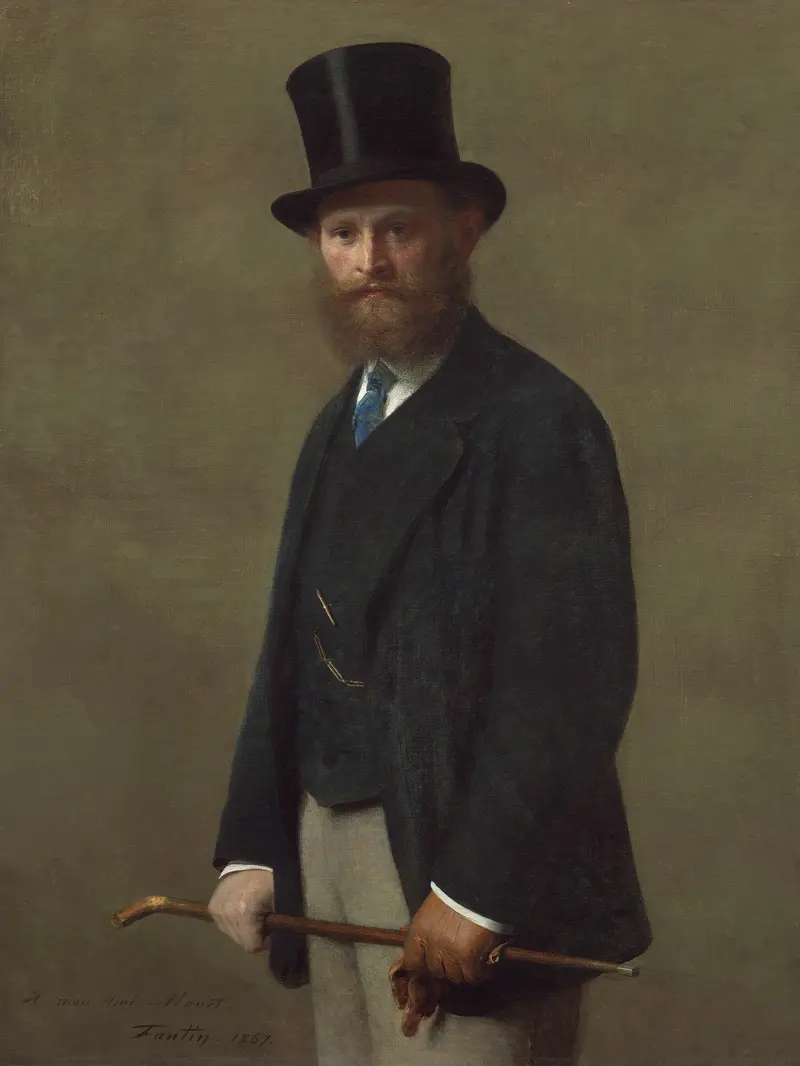
Édouard Manet
Henri Fantin-Latour
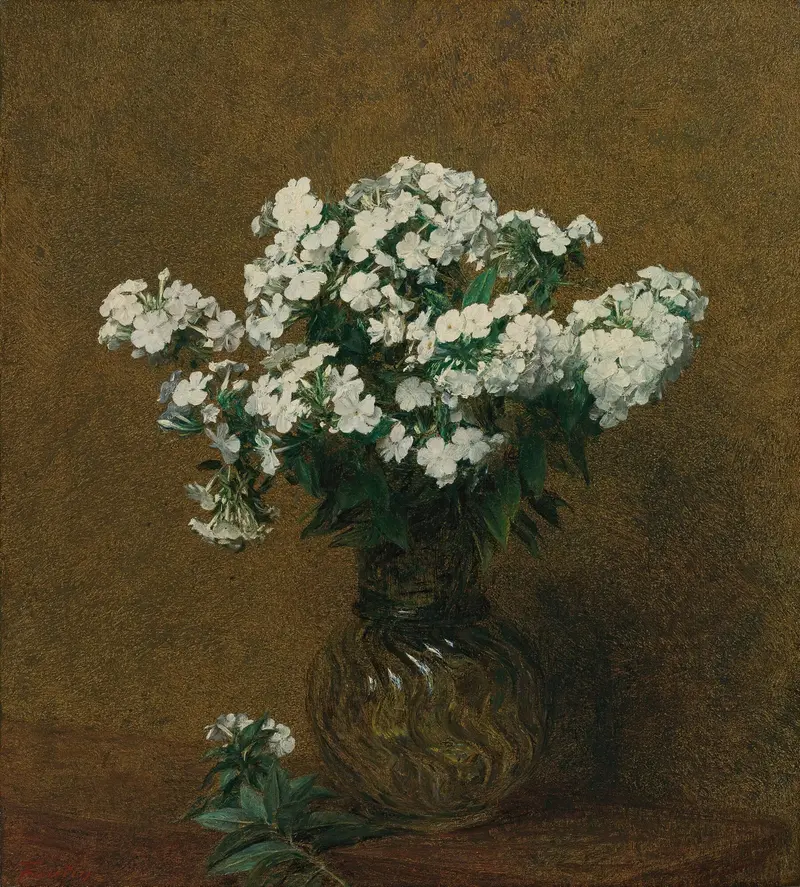
Phlox Blancs Dans Un Vase
Henri Fantin-Latour
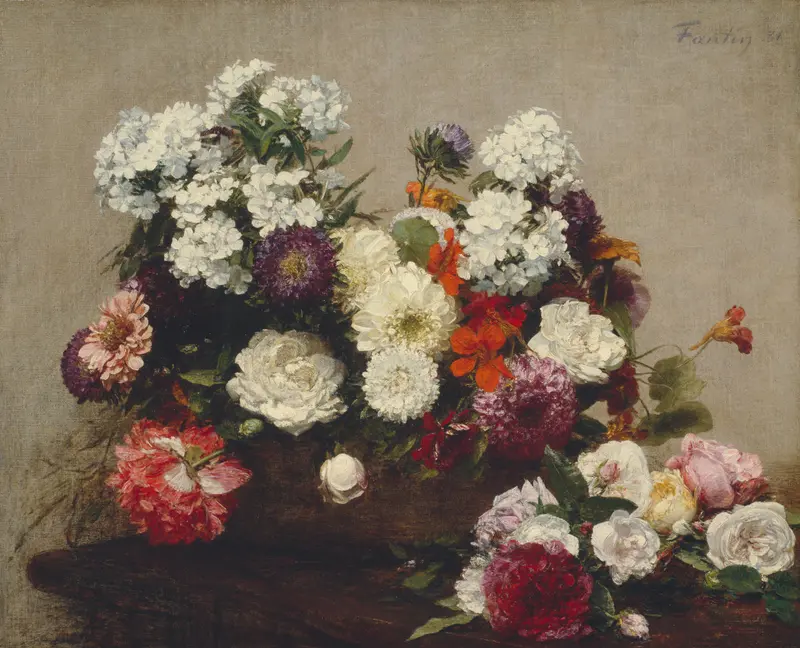
Still Life with Flowers
Henri Fantin-Latour
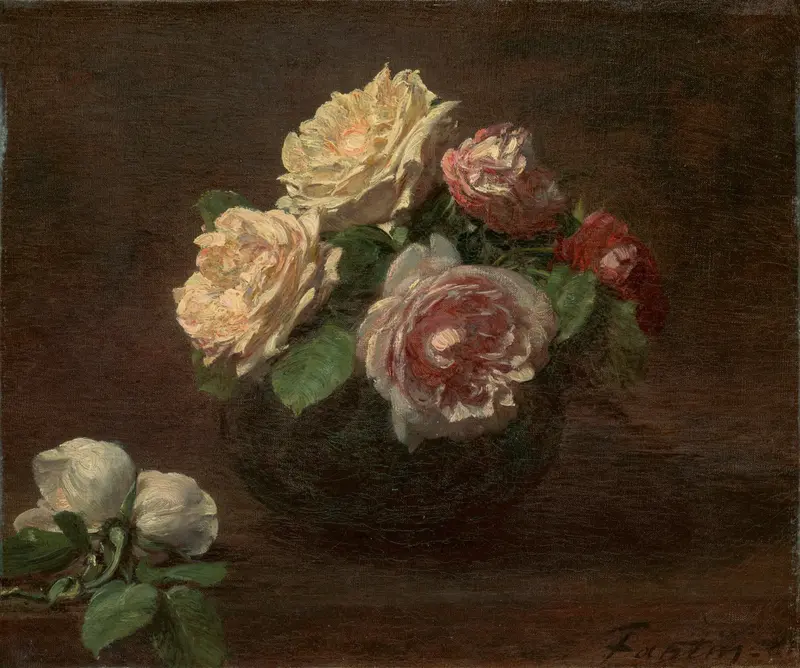
Roses in a Bowl
Henri Fantin-Latour
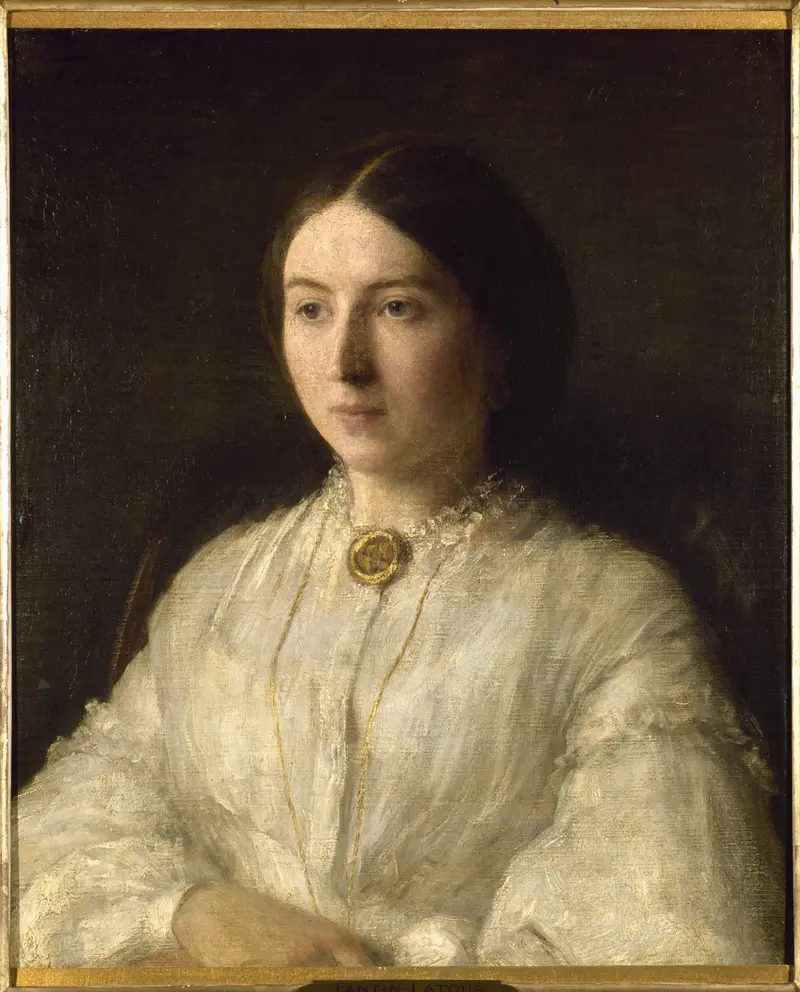
Portrait de Mme Edwin Edwards
Henri Fantin-Latour
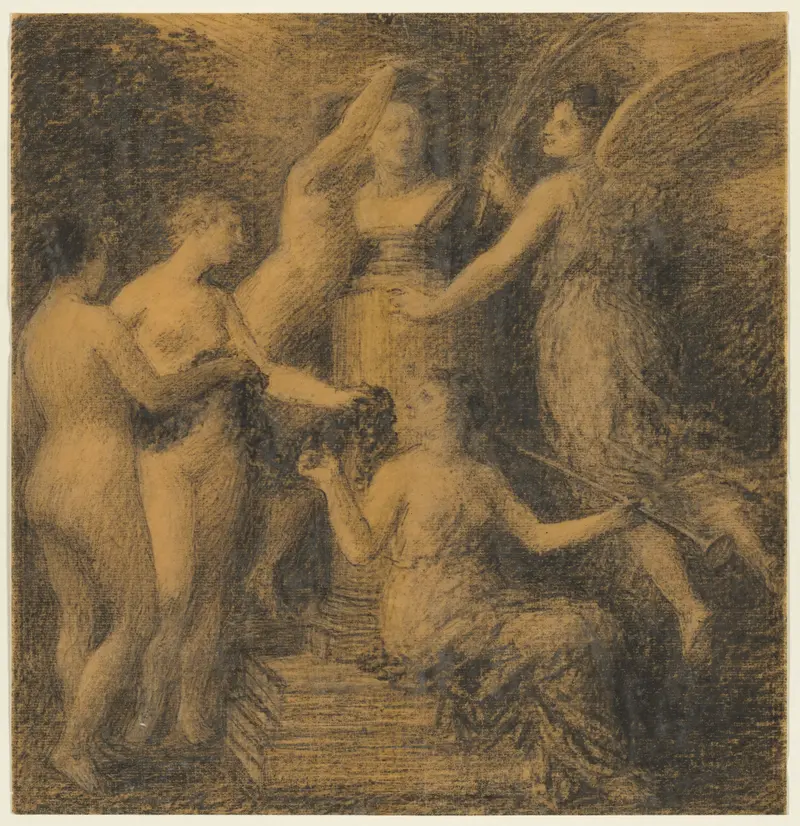
Homage to Rossini
Henri Fantin-Latour
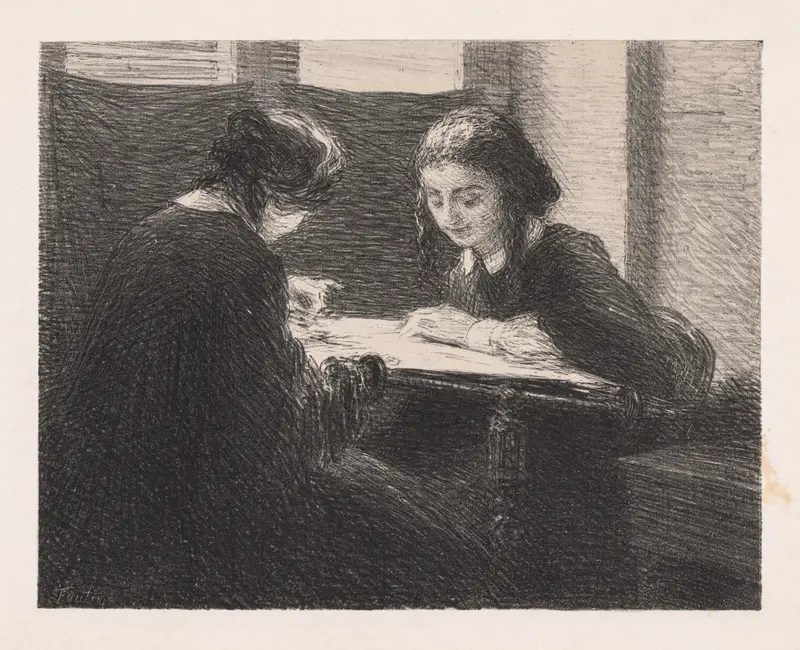
The Embroideres (Les Brodeuses)
Henri Fantin-Latour
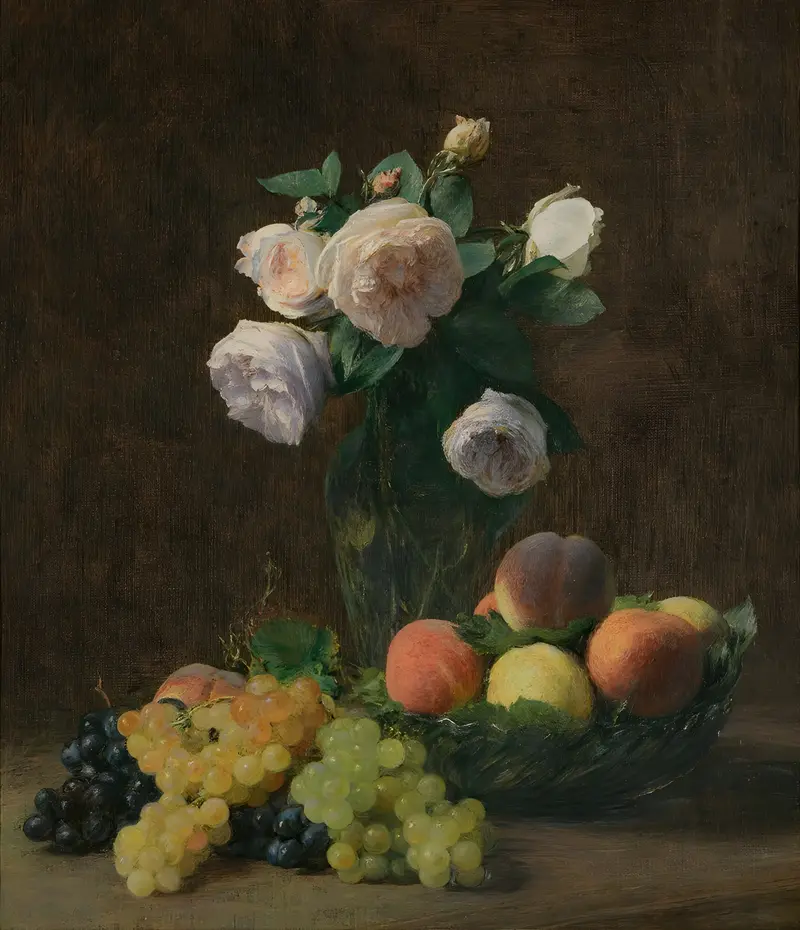
Nature Morte; Vase De Roses, Pêches Et Raisins
Henri Fantin-Latour
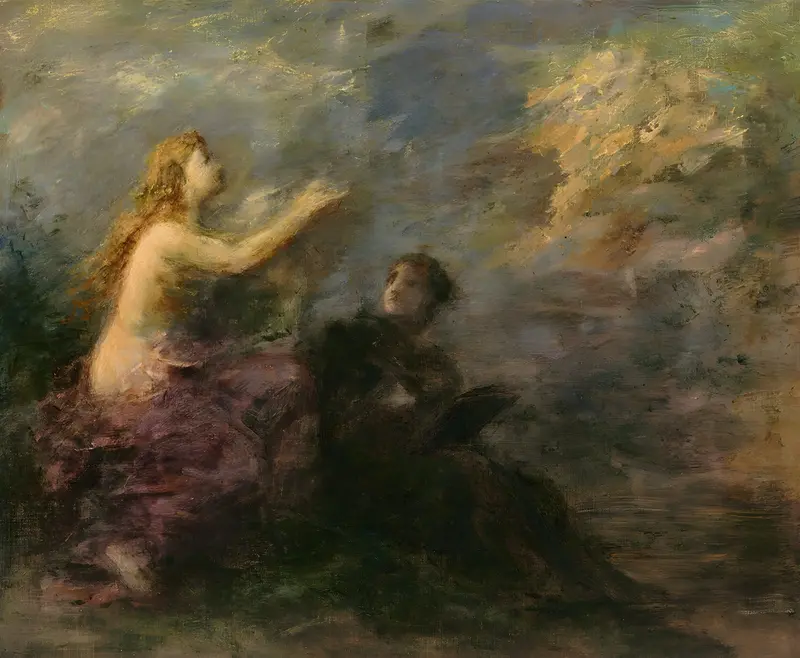
Inspiration
Henri Fantin-Latour
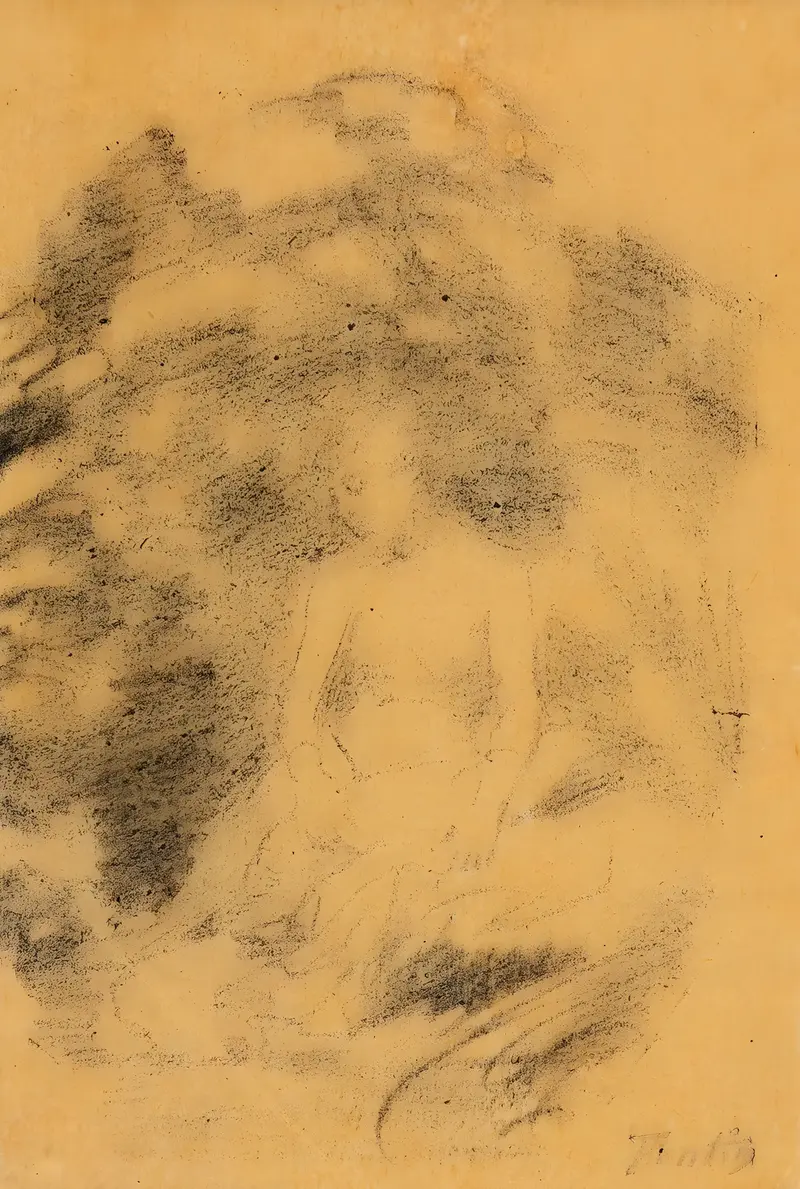
Nude study
Henri Fantin-Latour
More Genre Scene Art

Banquet of the Officers of the St George Civic Guard
Frans Hals

Rembrandt and Saskia in the Scene of the Prodigal Son
Rembrandt van Rijn

Bal du moulin de la Galette
Pierre-Auguste Renoir

Quadrille at the Moulin Rouge
Henri de Toulouse-Lautrec

A Burial at Ornans
Gustave Courbet

When Will You Marry?
Paul Gauguin