
Le Paddock — History & Facts
In Le Paddock, Henri de Toulouse-Lautrec presents a vibrant scene filled with lively colors. The painting depicts a bustling horse racing event, with figures animatedly interacting in the foreground. Bright greens and blues dominate the background, suggesting a sunny day at the racetrack.
The energy of the crowd is palpable, drawing the viewer into the excitement of the moment. The painting is executed in oil on canvas, a medium that allows for rich color and texture. Toulouse-Lautrec's brushwork is loose and expressive, capturing the movement of both the horses and the spectators. The dimensions of the work are approximately 65 x 81 cm, making it a medium-sized piece that invites close inspection.
The composition is dynamic, with diagonal lines leading the eye through the scene. Henri de Toulouse-Lautrec was known for his depictions of Parisian nightlife, and Le Paddock reflects his fascination with the social aspects of horse racing. This work was created around 1899, during a time when horse racing was a popular pastime among the French elite. Interestingly, Toulouse-Lautrec often frequented the racetracks, where he would sketch and paint the vibrant scenes he encountered.
This painting exemplifies his ability to merge art with the lively atmosphere of contemporary culture.
More Artworks by Henri de Toulouse-Lautrec
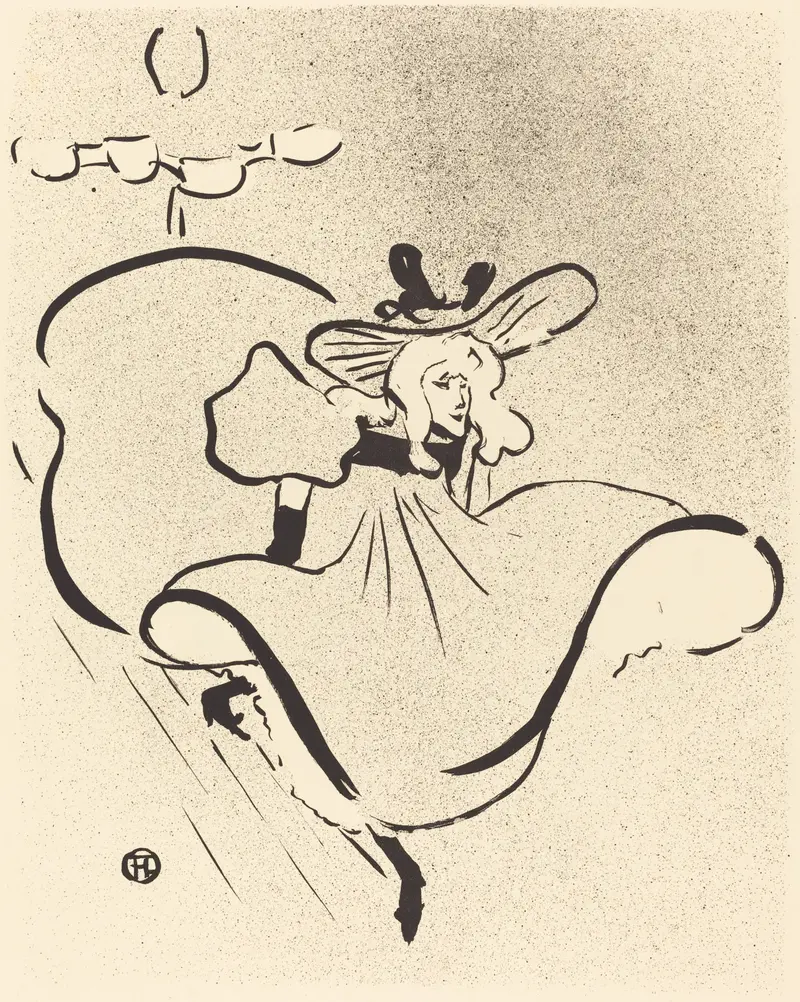
Jane Avril
Henri de Toulouse-Lautrec
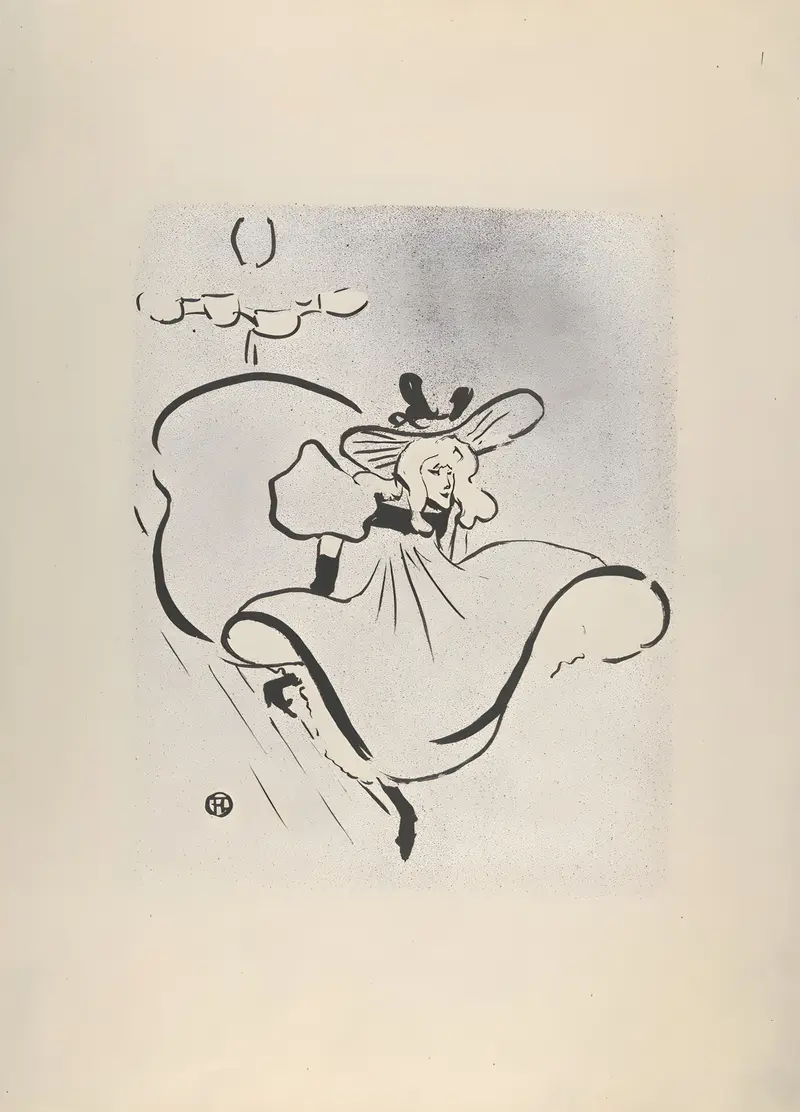
Jane Avril.
Henri de Toulouse-Lautrec

Quadrille at the Moulin Rouge
Henri de Toulouse-Lautrec
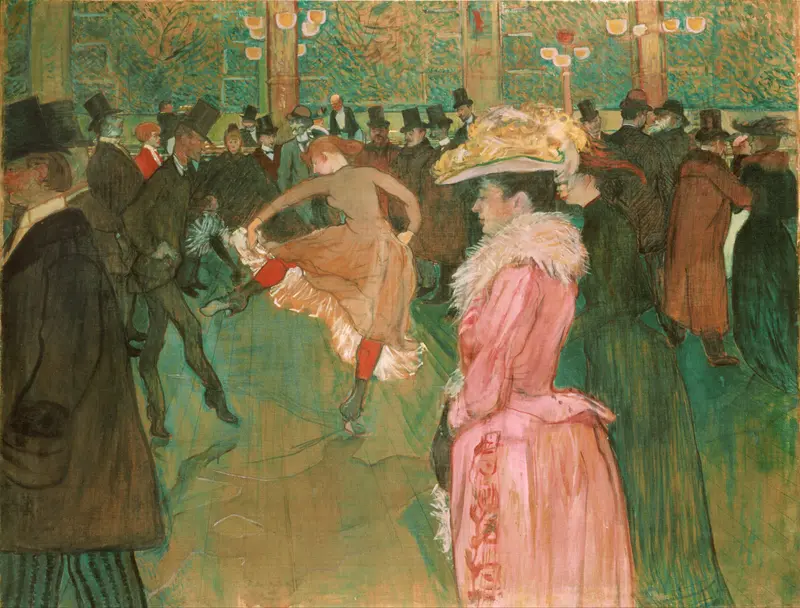
At the Moulin Rouge- The Dance
Henri de Toulouse-Lautrec
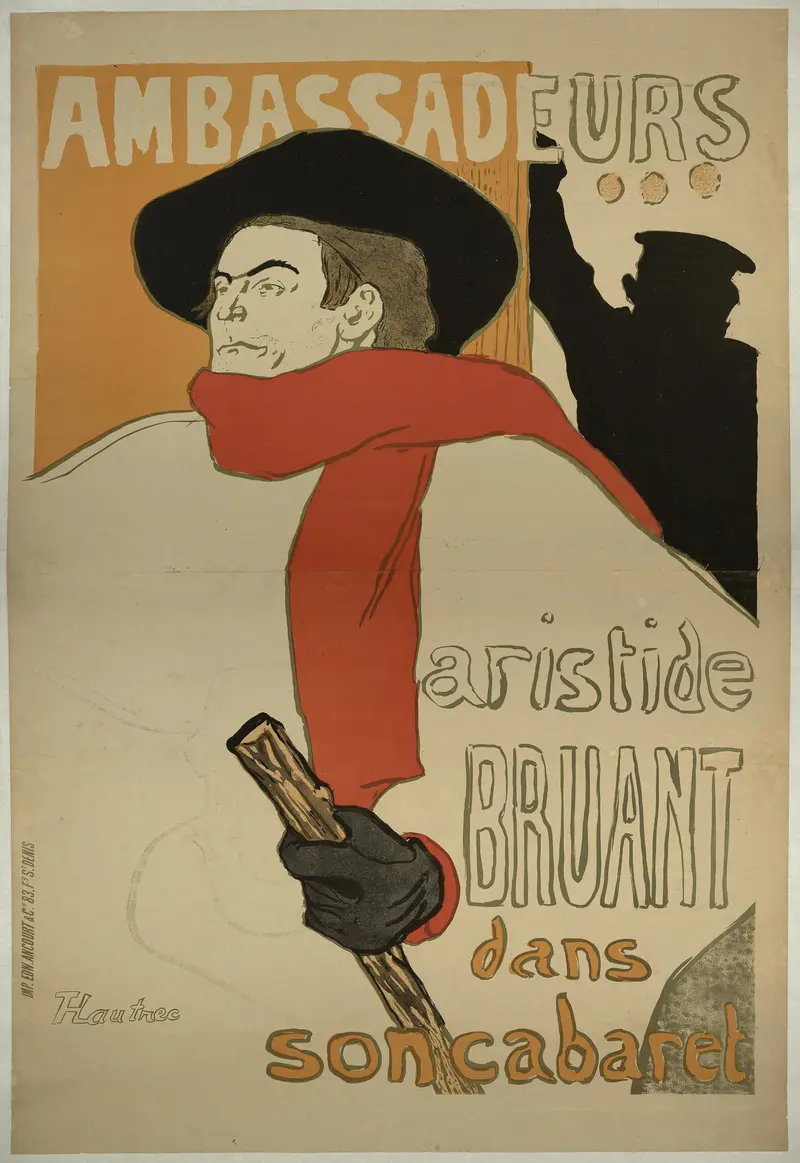
Ambassadeurs. Aristide Bruant dans son cabaret
Henri de Toulouse-Lautrec
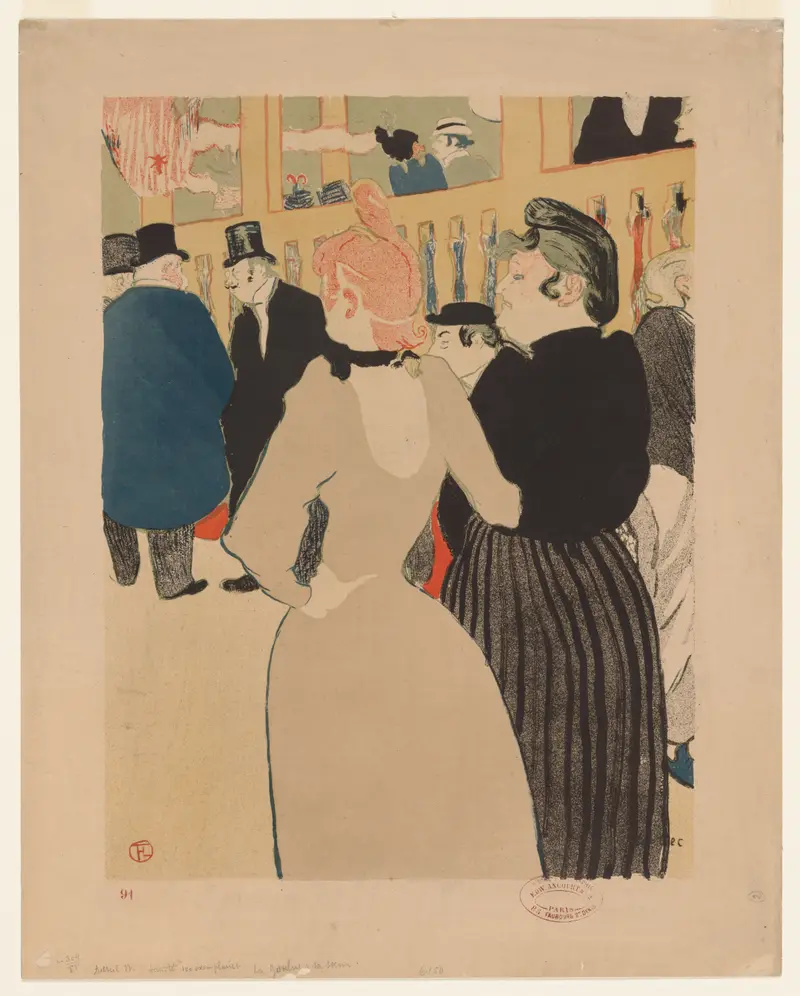
At the Moulin Rouge; La Goulue and Her Sister
Henri de Toulouse-Lautrec
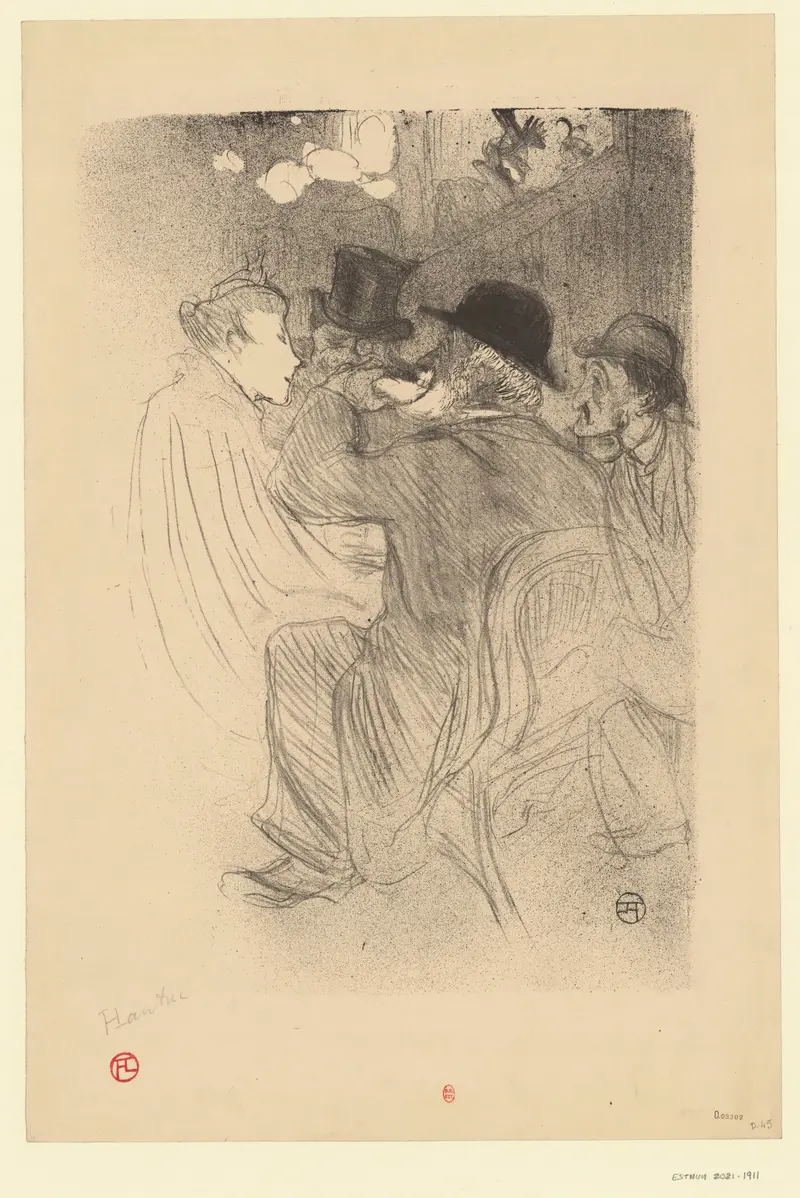
Au Moulin Rouge;Un Rude! Un Vrai Rude!
Henri de Toulouse-Lautrec
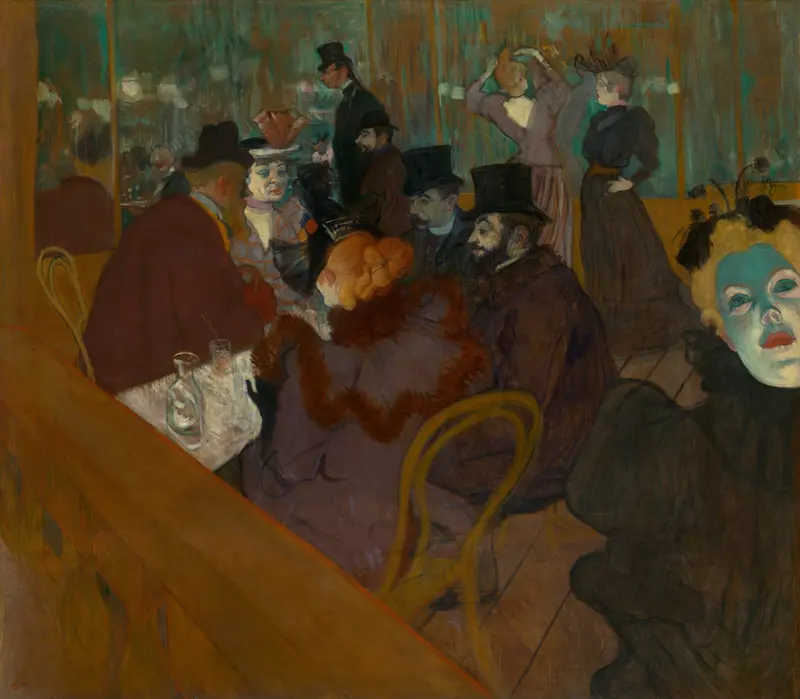
At the Moulin Rouge
Henri de Toulouse-Lautrec
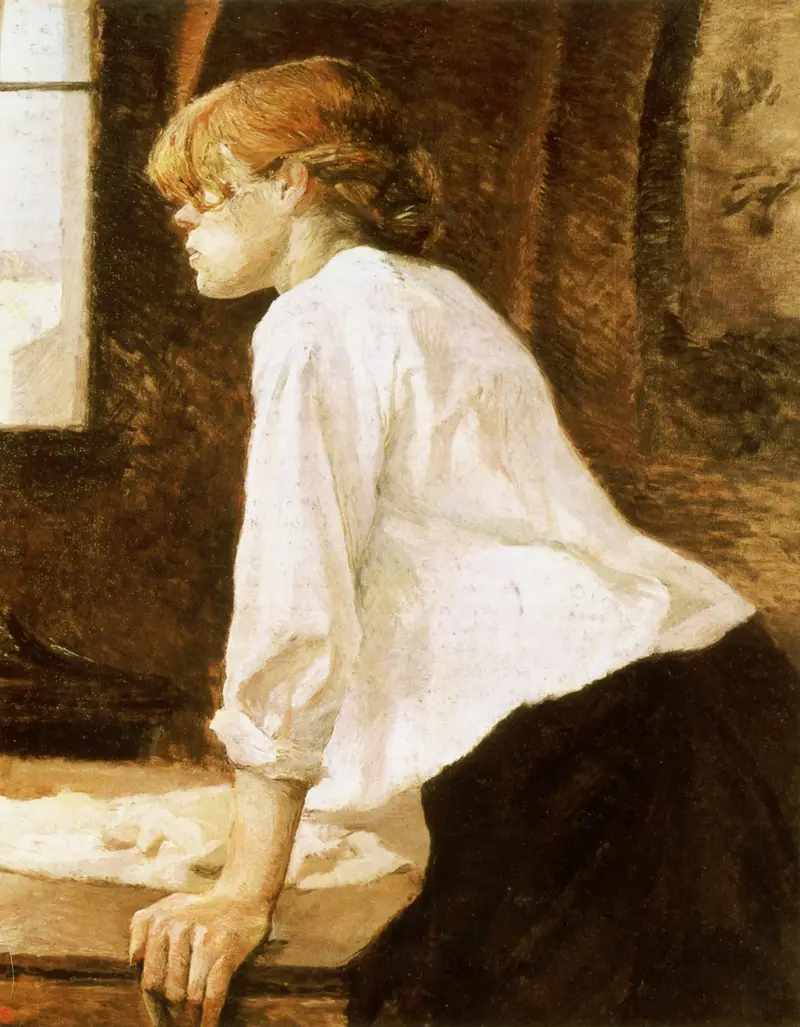
La Blanchisseuse
Henri de Toulouse-Lautrec
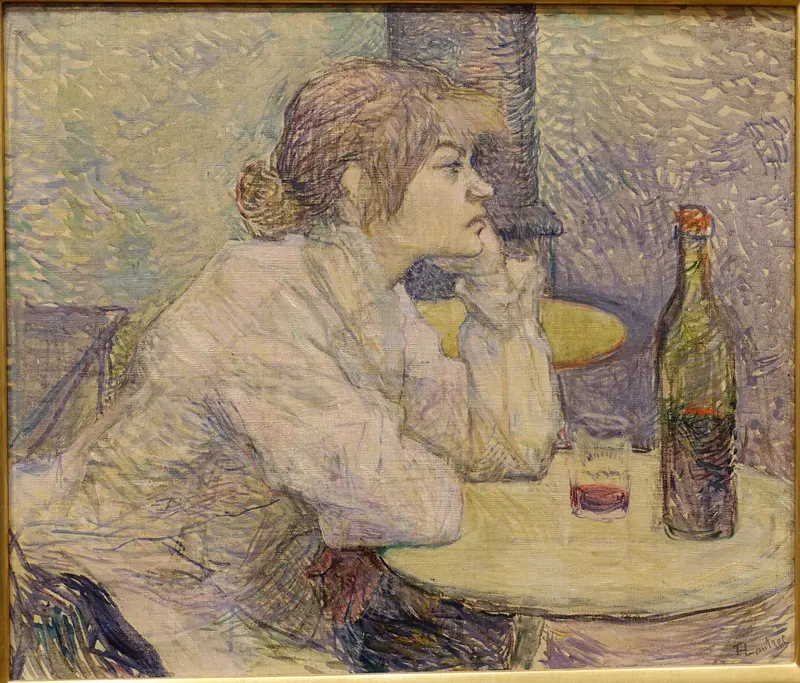
The Hangover (Suzanne Valadon)
Henri de Toulouse-Lautrec
More Genre Scene Art

Banquet of the Officers of the St George Civic Guard
Frans Hals

Rembrandt and Saskia in the Scene of the Prodigal Son
Rembrandt van Rijn

Bal du moulin de la Galette
Pierre-Auguste Renoir
Quadrille at the Moulin Rouge
Henri de Toulouse-Lautrec

A Burial at Ornans
Gustave Courbet

When Will You Marry?
Paul Gauguin