
Le palais et les jardins du Luxembourg — History & Facts
What secret hides in the quiet of the canvas? Within this tranquil portrayal, the essence of hope gently unfurls amid the lush gardens and stately palace, inviting contemplation and serenity. Look to the left at the delicate interplay of greens, where lush foliage envelops the garden paths. The brushwork is both fluid and precise, capturing the sunlight filtering through the leaves, casting intricate patterns upon the ground. The rich colors harmonize, creating a symphony of life, while the distant palace looms majestically, its architectural details softened by the peaceful atmosphere.
This composition balances shadow and light, guiding the viewer’s gaze through the tranquility of nature and architecture. Beneath the surface of this idyllic scene lies a yearning for connection and renewal. The near-silence of the garden suggests a pause in time—a moment suspended in anticipation, reflective of life's pauses before growth. The meticulous details of the garden symbolize cultivation, hinting at the potential for blossoming amidst stillness.
Lépine masterfully contrasts the solidity of the palace with the ephemeral beauty of nature, evoking a sense of harmony between the constructed and the organic. Created during a period of artistic exploration in France, Lépine's work reflects his deep appreciation for the beauty of urban landscapes, particularly in the midst of changing social dynamics. Working in Paris in the late 19th century, he was influenced by the Realism movement, which sought to depict the everyday with authenticity. This painting embodies the serene elegance of the Luxembourg Gardens, an emblem of hope and tranquility amidst the bustling life of the city.
More Artworks by Stanislas Lépine
Browse all →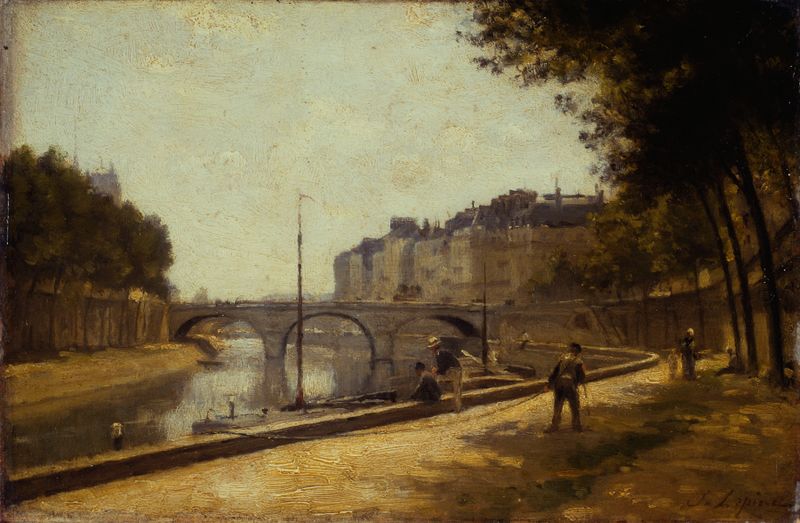
Le pont Saint-Michel
Stanislas Lépine
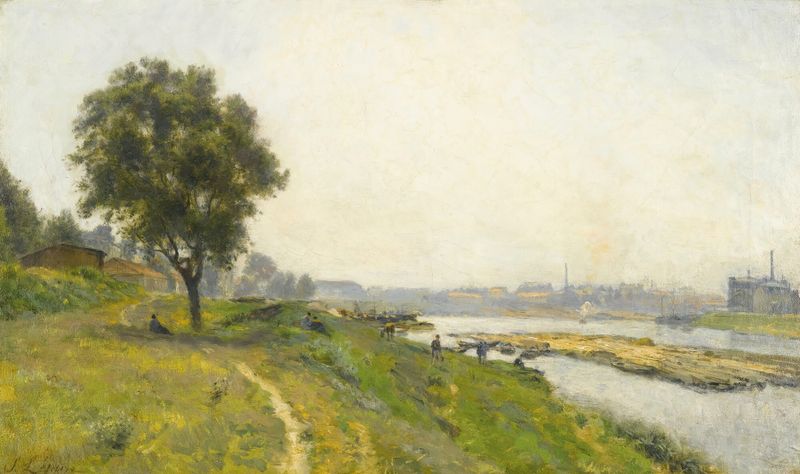
Ivry-Sur-Seine. Le Confluent Avec La Marne
Stanislas Lépine

View on the Seine, Paris
Stanislas Lépine
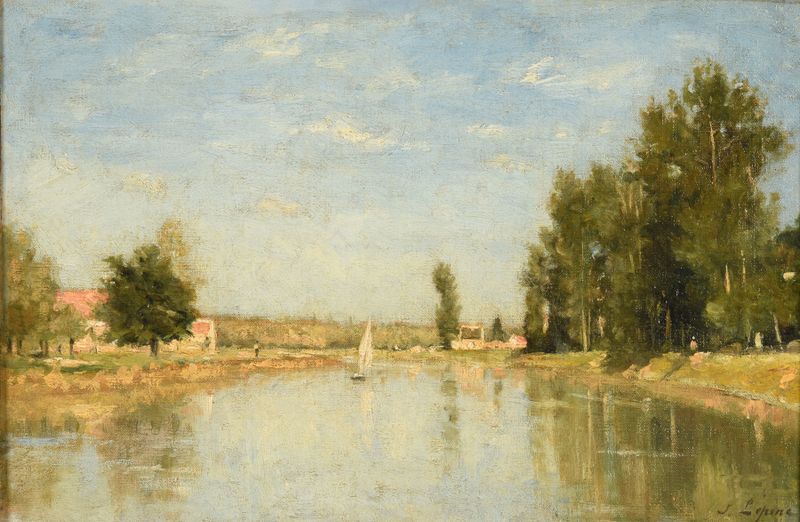
Les Bords de la Marne
Stanislas Lépine

L’île de la Cité et l’île Saint-Louis, vues du pont d’Austerlitz
Stanislas Lépine
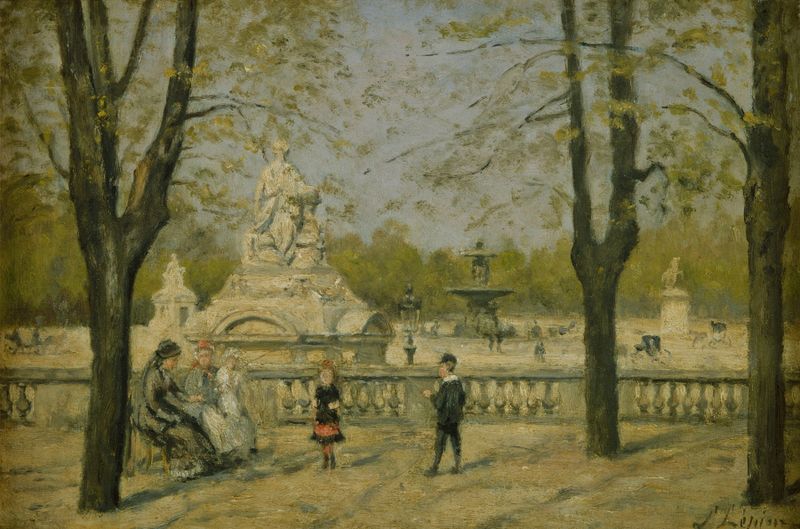
La place de la Concorde, vue de la terrasse des Tuileries
Stanislas Lépine
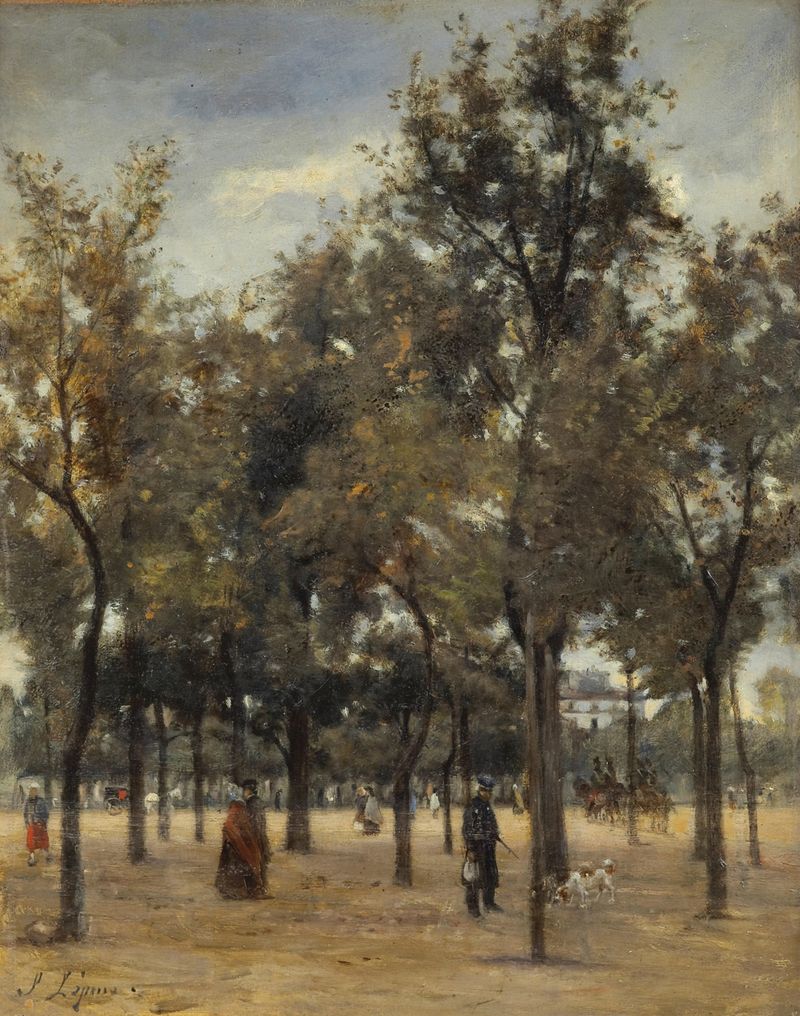
L’esplanade des Invalides
Stanislas Lépine
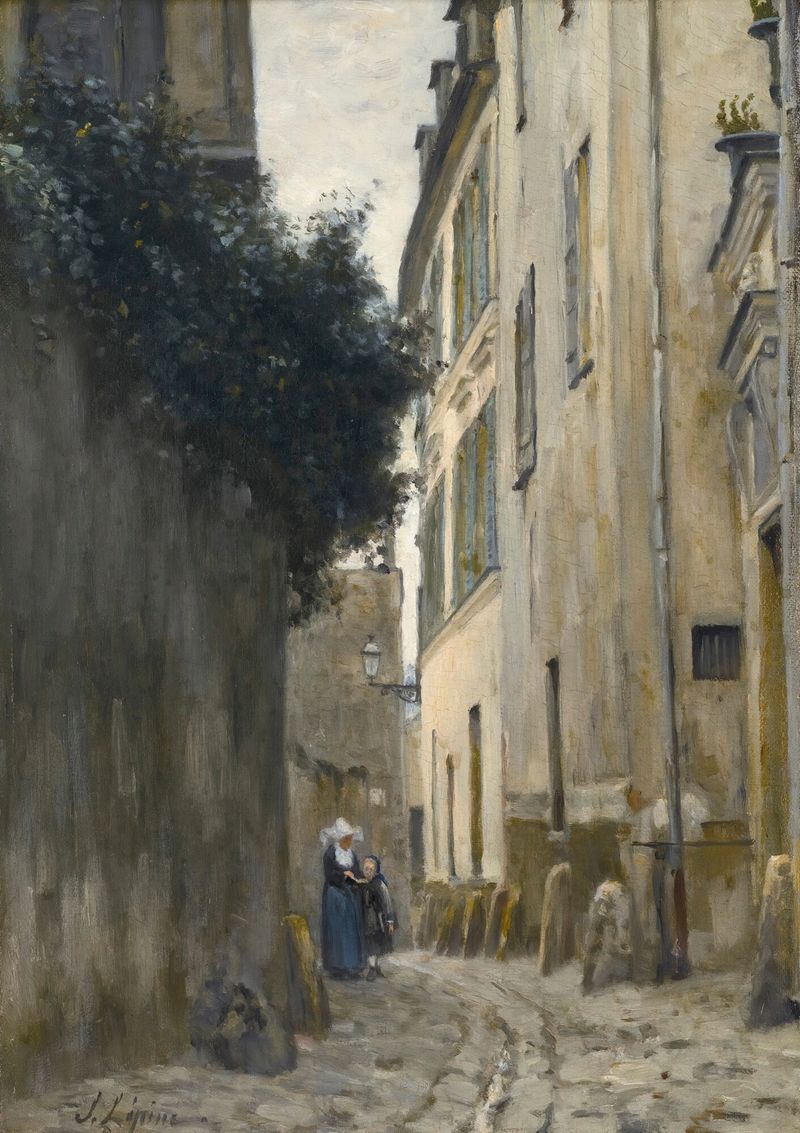
Montmartre. La Rue Saint-Vincent
Stanislas Lépine

Le Bassin de la Villette en hiver
Stanislas Lépine
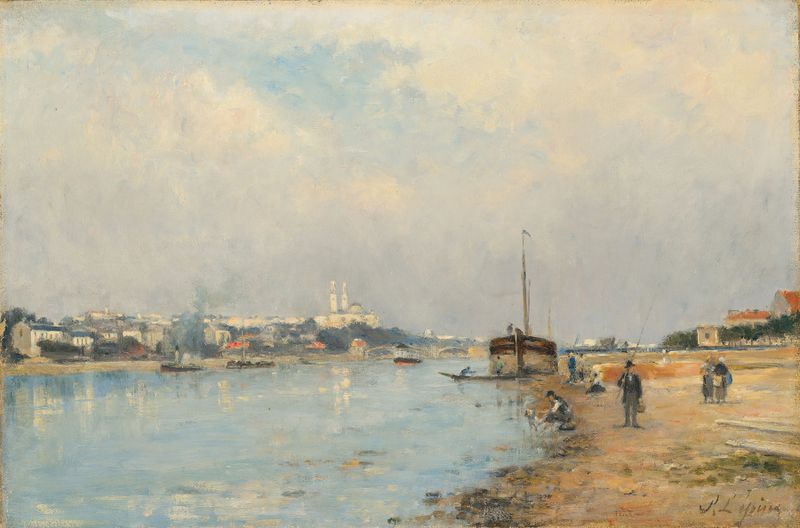
La Seine. Le Trocadéro et le pont de Grenelle, vus du quai de Javel
Stanislas Lépine





