
Le Petit Pont — History & Facts
In Le Petit Pont, vibrant colors dance with abandon, weaving a tapestry of emotions that beckons the viewer to pause and reflect. Look to the upper left, where tender hues of blue blend seamlessly into the rich greens of foliage, creating a serene backdrop for the bridge that arcs gracefully below. Notice how the dappled sunlight creates a shimmering path across the water, drawing your eye towards the tiny figures who linger on the bridge. The careful strokes and soft textures bring a sense of movement, as if the scene breathes with the gentle rustle of leaves and the quiet lapping of water. Yet, beneath this serene exterior lies a poignant contrast.
The central bridge, a symbol of connection, juxtaposes the isolated figures who seem lost in their own worlds, hinting at themes of solitude amidst nature’s beauty. The warm and cool colors interact, suggesting a balance between joy and melancholy, evoking a bittersweet nostalgia that resonates deeply. Each brushstroke captures the essence of the moment, inviting contemplation of the interplay between human existence and the natural world. Alphonse Legros painted Le Petit Pont between 1857 and 1911, during his time in England.
As an artist, he was navigating a period marked by the transition from Romanticism to Impressionism, and his work reflected a growing interest in the subtleties of light and color. In this piece, he masterfully captures the tranquil beauty of the landscape, while also engaging with the themes of connection and solitude that defined an era of artistic evolution.
More Artworks by Alphonse Legros
Browse all →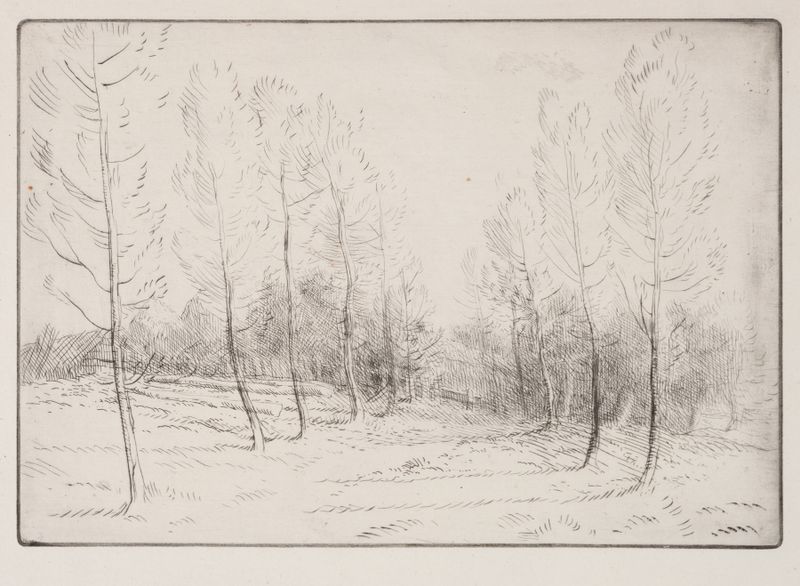
Avenue of Poplars
Alphonse Legros
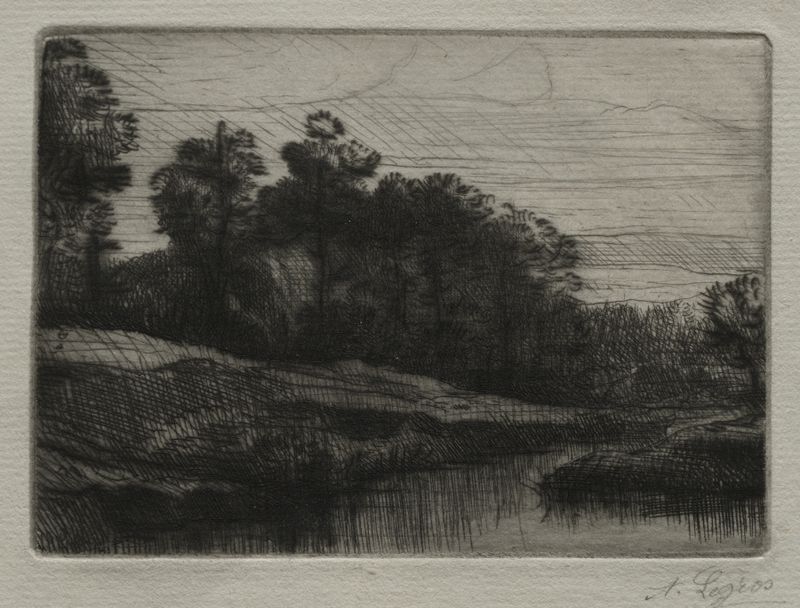
Evening
Alphonse Legros

The Fish in the Hoop Net
Alphonse Legros

The Little Beggar
Alphonse Legros
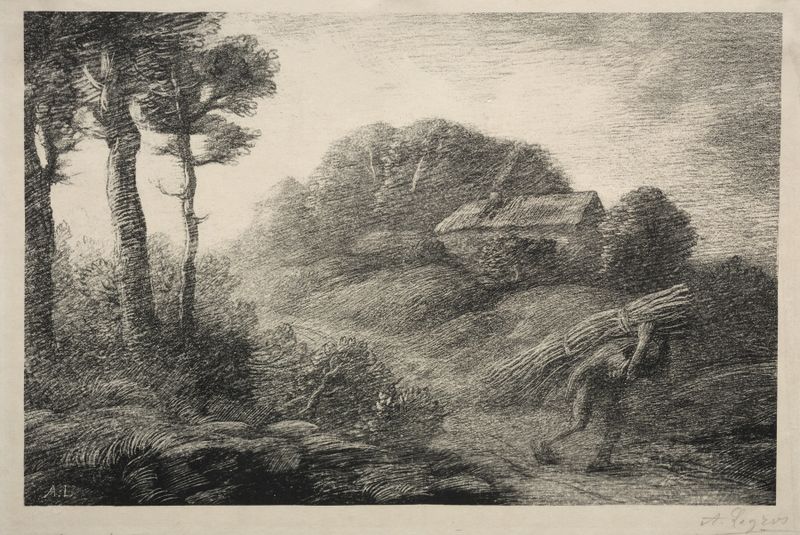
The Return of the Fagot Gatherer
Alphonse Legros

Storm
Alphonse Legros
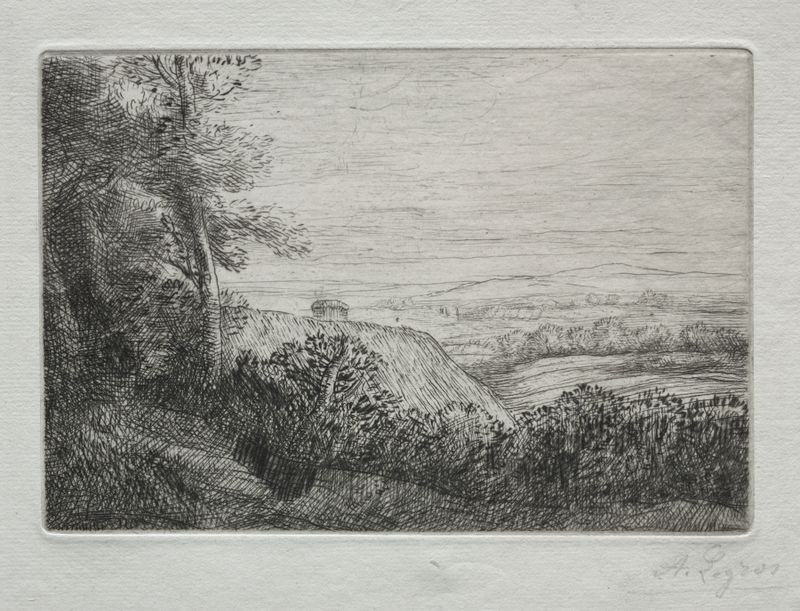
Les dernière Rayons de Soleil
Alphonse Legros
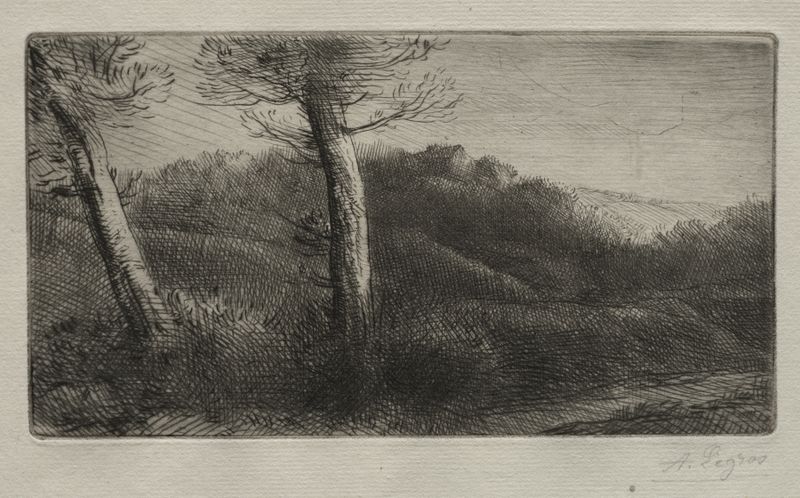
The Traveler Stretched out on the Grass
Alphonse Legros
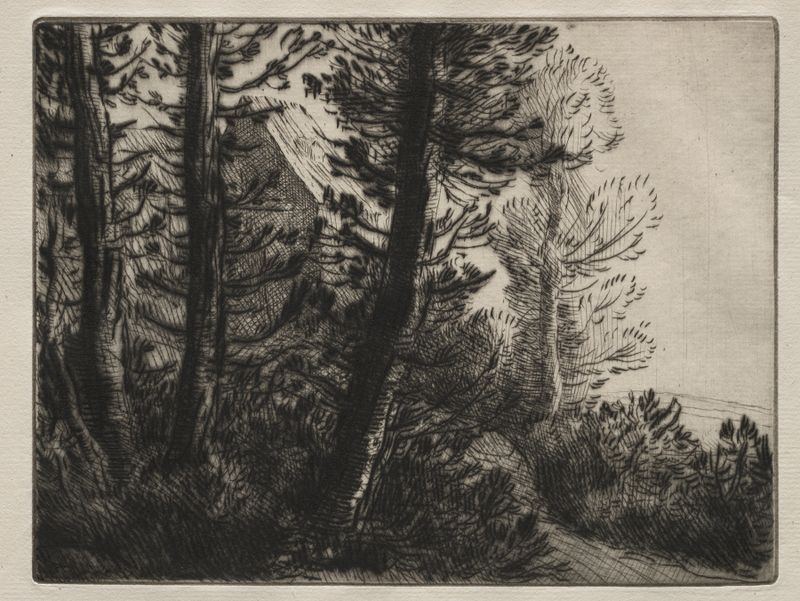
Guard House
Alphonse Legros

Death of a Vagabond
Alphonse Legros





