
Le Pont-Neuf et la berge du quai de Conti — History & Facts
In a world rife with chaos, art delves into the depths of serenity, revealing the complexities beneath the surface. The visual language of this piece compels us to explore the interplay between tumultuous emotions and tranquil beauty. Focus on the vivid hues that dominate the canvas. The artist captures the vibrant blues and greens of the water, contrasting sharply with the soft, muted tones of the buildings lining the riverbank.
Notice how the light dances across the water's surface, reflecting an intricate tapestry of color that simultaneously calms and disturbs. The composition draws the eye toward the iconic bridge, a steadfast symbol amid a dynamic landscape, creating a visual anchor in the midst of swirling forms. Beneath the surface lies a tension between the bustling life of the city and the stillness of the water. Look closely at the figures scattered along the banks; their postures evoke a sense of urgency, yet they remain enveloped in the soothing embrace of the river.
The artist subtly conveys the dichotomy of urban chaos and the quiet refuge water offers, suggesting both the inevitability of change and the solace found in nature. During the years this artwork was created, between 1915 and 1945, the world faced monumental upheaval, with wars reshaping societies and experiences. The artist, deeply engaged with the artistic movements of his time, sought to document these transitions while preserving the essence of tranquility found in everyday life. In the throes of chaos, he reminds us through his brushstrokes that peace can be found in the most unexpected places.
More Artworks by Henri Jean Baptiste Levis
Browse all →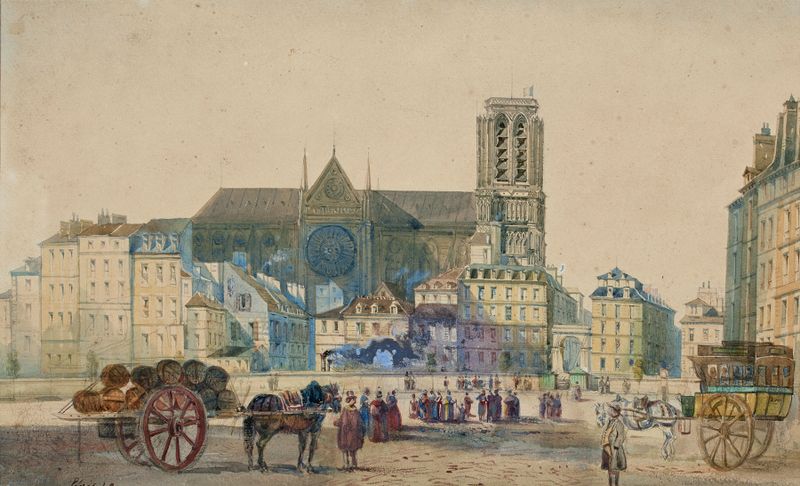
Notre-Dame et le pont d’Arcole vus de la place de l’Hôtel de Ville en 1845
Henri Jean Baptiste Levis
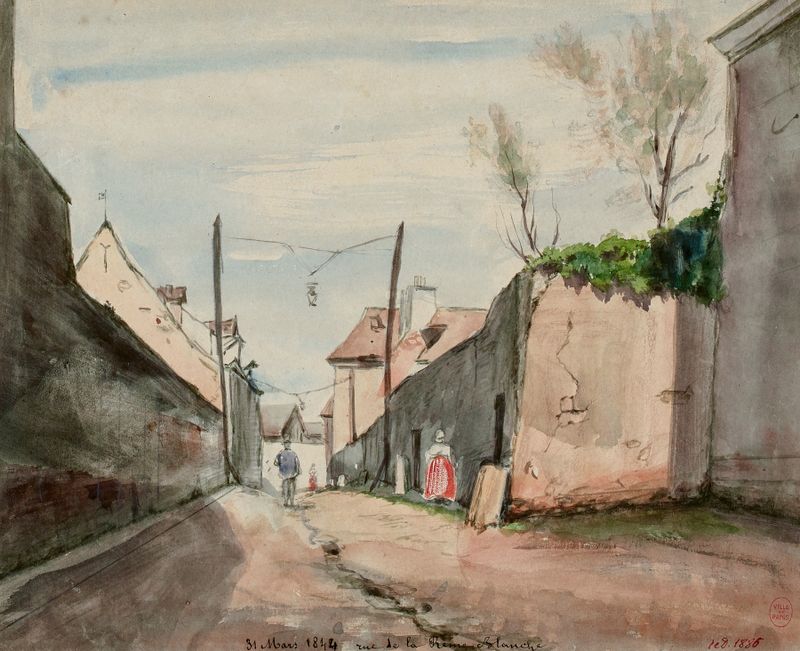
Rue de la Reine Blanche
Henri Jean Baptiste Levis

Pont Neuf et la Cité vue prise devant l’Institut de France
Henri Jean Baptiste Levis
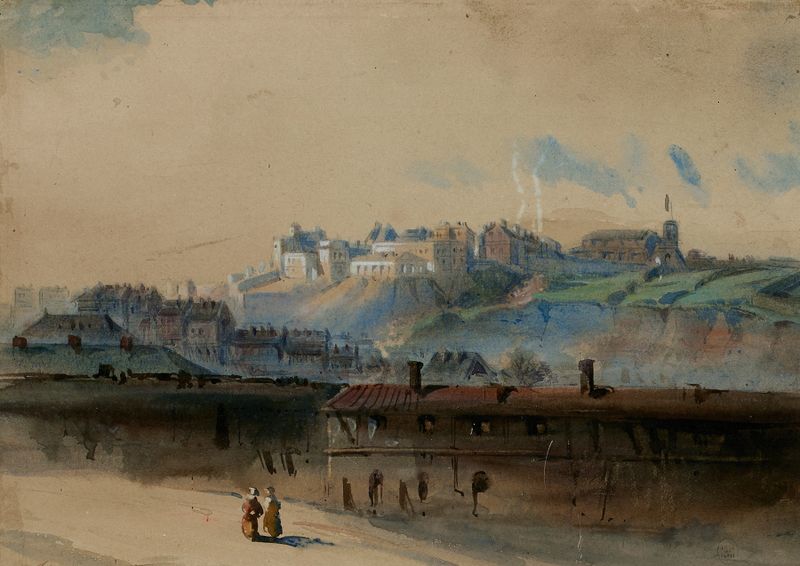
Vue générale des buttes Montmartre et de la tour du télégraphe
Henri Jean Baptiste Levis
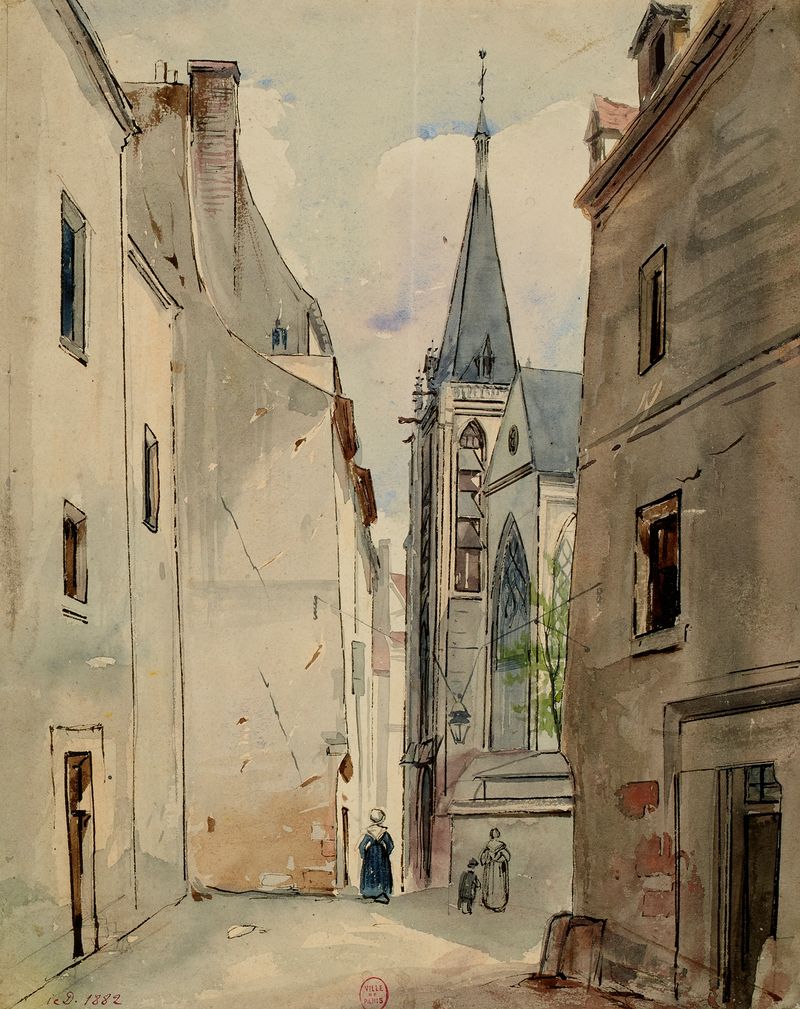
Eglise Saint-Séverin
Henri Jean Baptiste Levis
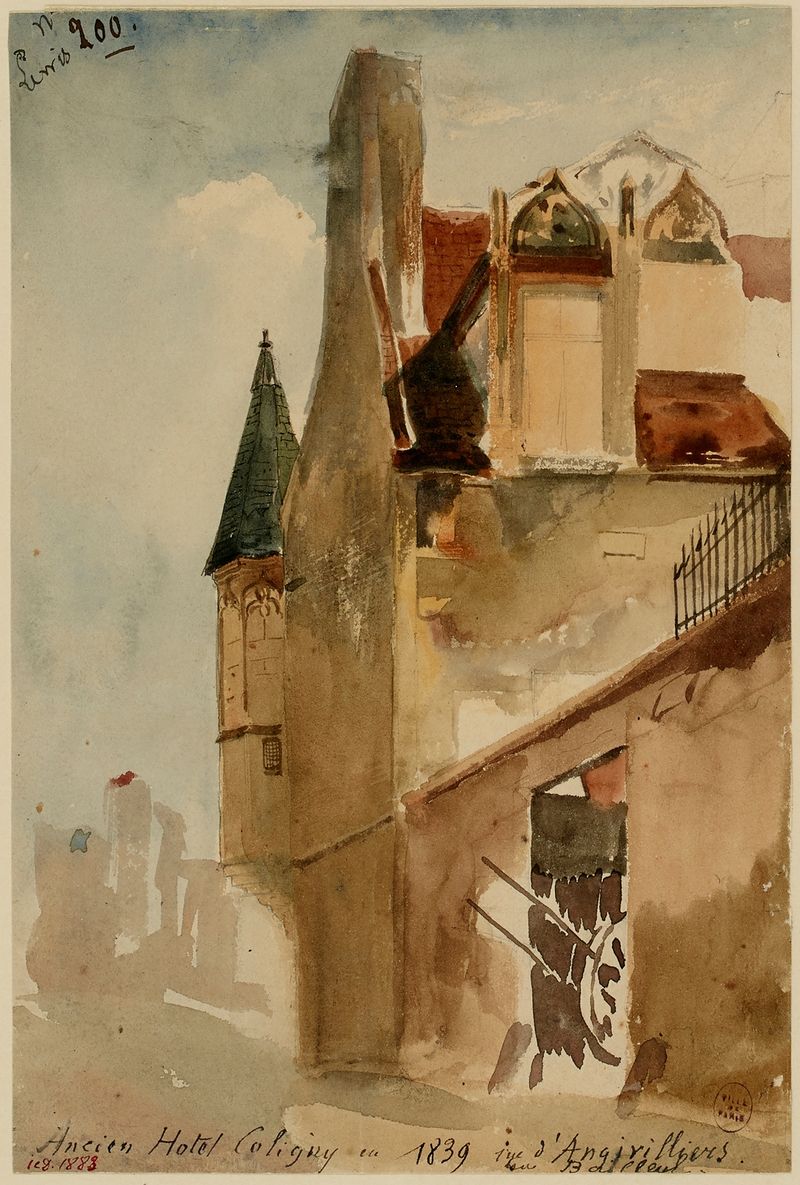
Ancien hôtel Coligny, rue d’Angivilliers en 1839
Henri Jean Baptiste Levis
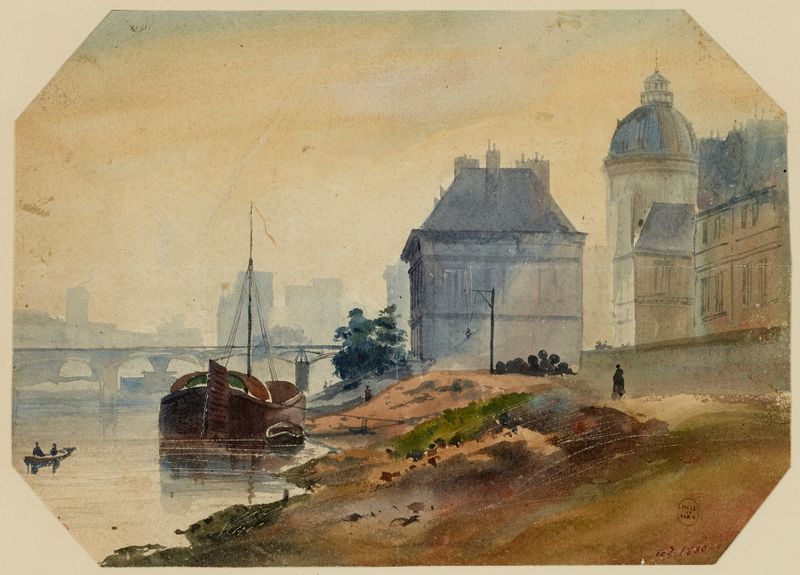
Seine devant l’Institut de France
Henri Jean Baptiste Levis
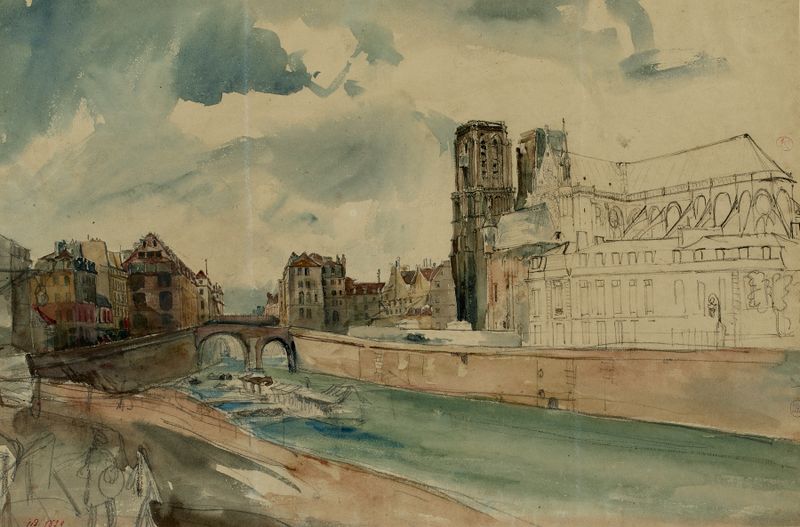
Seine devant l’archevêché et la cathédrale Notre-Dame vers 1840
Henri Jean Baptiste Levis
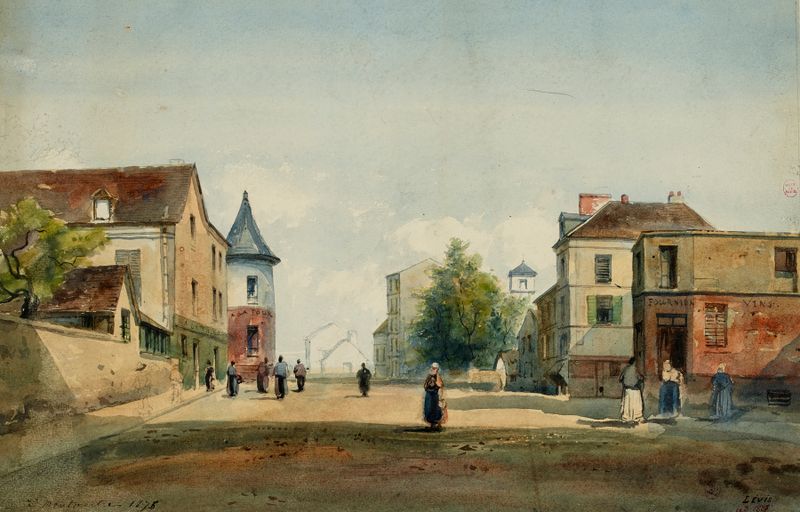
Rue Marcadet et rue du Mont-Cenis en 1876, 18ème arrondissement, Paris
Henri Jean Baptiste Levis
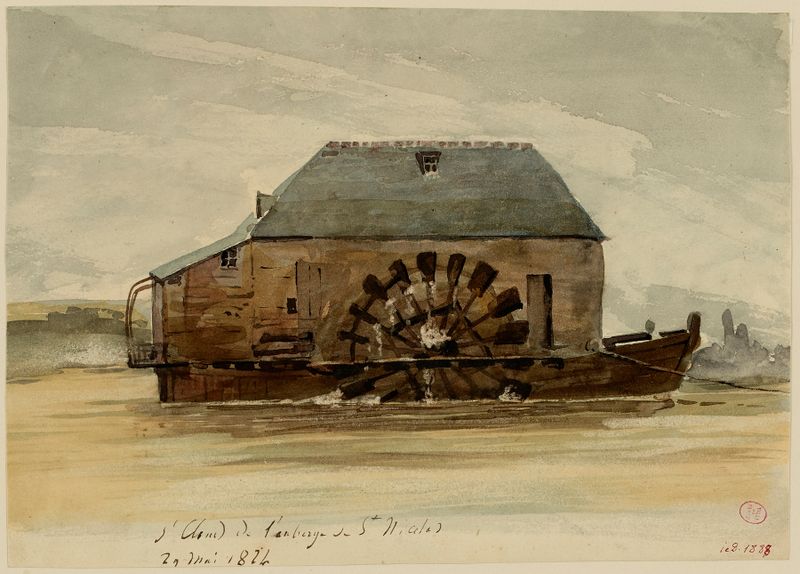
Machine à eau à Saint-Cloud auberge Saint-Nicolas en 1824
Henri Jean Baptiste Levis





