
Seine devant l’Institut de France — History & Facts
What if silence could speak through light? In a world where beauty often feels ephemeral, some moments capture a stillness that resonates deeply within us. Look to the left at the gentle curve of the Seine, its waters reflecting the soft hues of twilight. The fading light casts a warm glow upon the Institut de France, creating a striking interplay of shadow and illumination. Notice how the silvery blue of the river contrasts with the golden shades of the building, creating a harmonious balance that draws the eye into this serene composition.
The brushwork is delicate yet confident, with fluid strokes that evoke both the movement of water and the stillness of time. Within this tranquil setting lies a profound emotional tension. The river, a symbol of continuity, suggests the passage of time, while the sturdy, architectural presence of the Institut stands as a monument to knowledge and culture. The contrast between the flowing water and the solid structure evokes a dialogue between nature and civilization, beauty and permanence.
Each ripple of light on the Seine whispers stories of fleeting moments that echo across the years, inviting introspection about our own experiences of beauty and solitude. The painting was created during a tumultuous period in the early to mid-20th century, a time when Europe was grappling with the devastation of two World Wars. Henri Jean Baptiste Levis, working in France during this era, sought solace in the harmonious landscapes that surrounded him. As the world outside was filled with chaos, his brush captured the peace of the Seine, reflecting a yearning for beauty amidst uncertainty and a deep appreciation for the enduring elements of life.
More Artworks by Henri Jean Baptiste Levis
Browse all →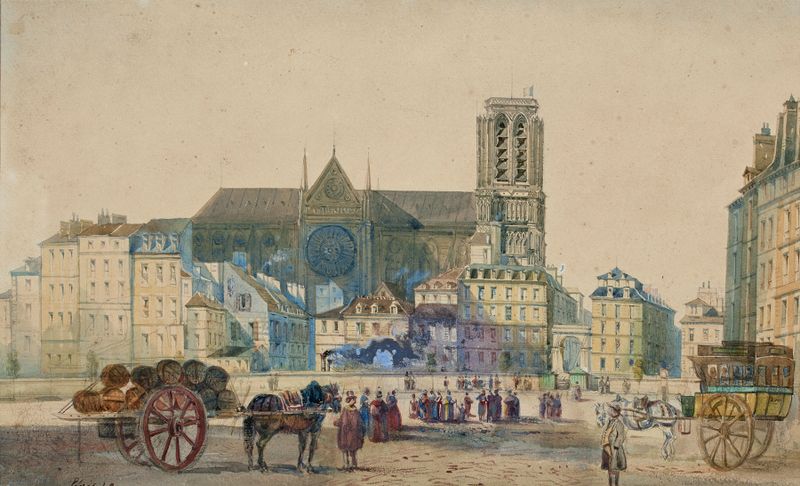
Notre-Dame et le pont d’Arcole vus de la place de l’Hôtel de Ville en 1845
Henri Jean Baptiste Levis

Le Pont-Neuf et la berge du quai de Conti
Henri Jean Baptiste Levis
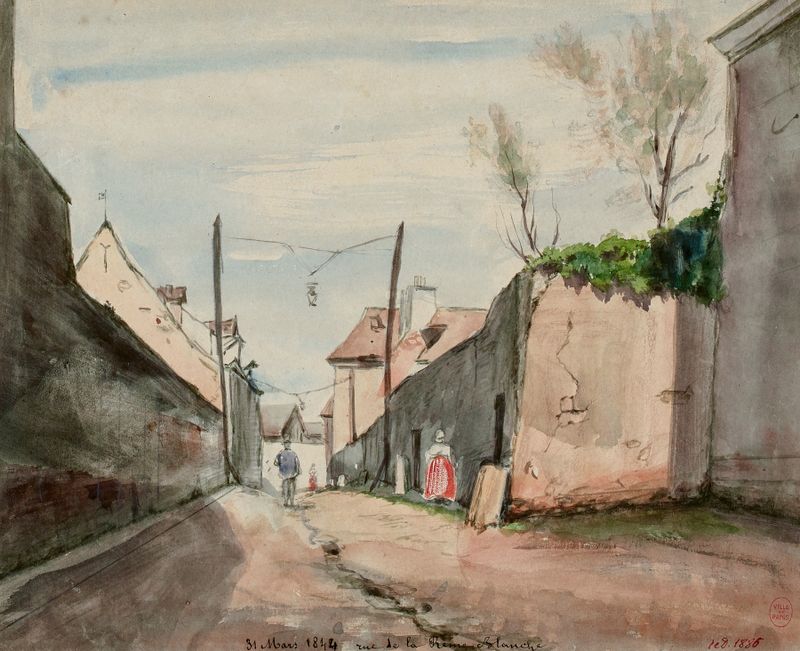
Rue de la Reine Blanche
Henri Jean Baptiste Levis

Pont Neuf et la Cité vue prise devant l’Institut de France
Henri Jean Baptiste Levis
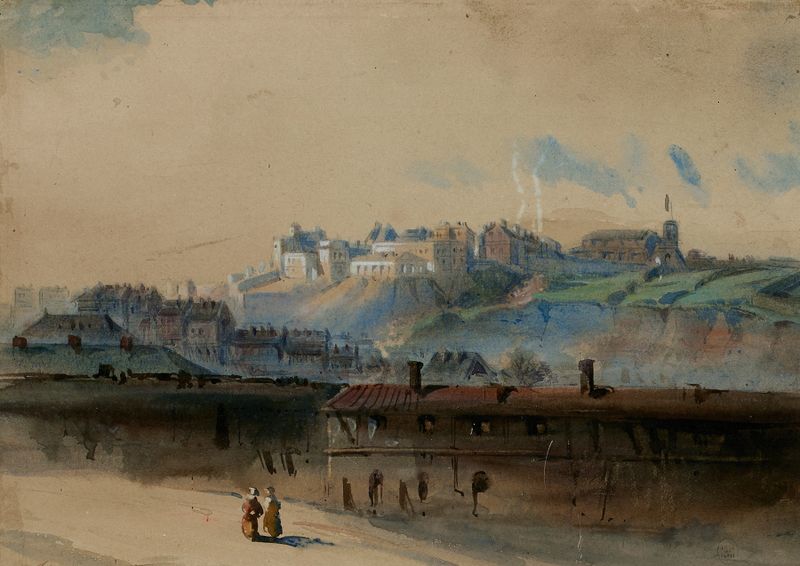
Vue générale des buttes Montmartre et de la tour du télégraphe
Henri Jean Baptiste Levis
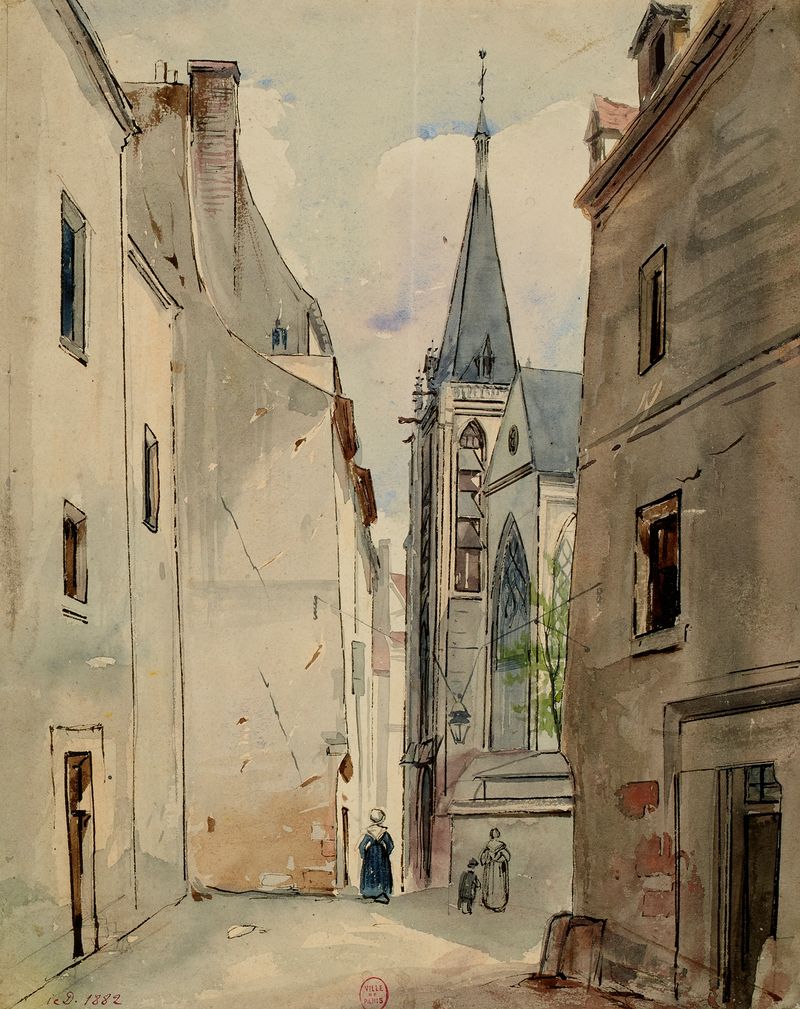
Eglise Saint-Séverin
Henri Jean Baptiste Levis
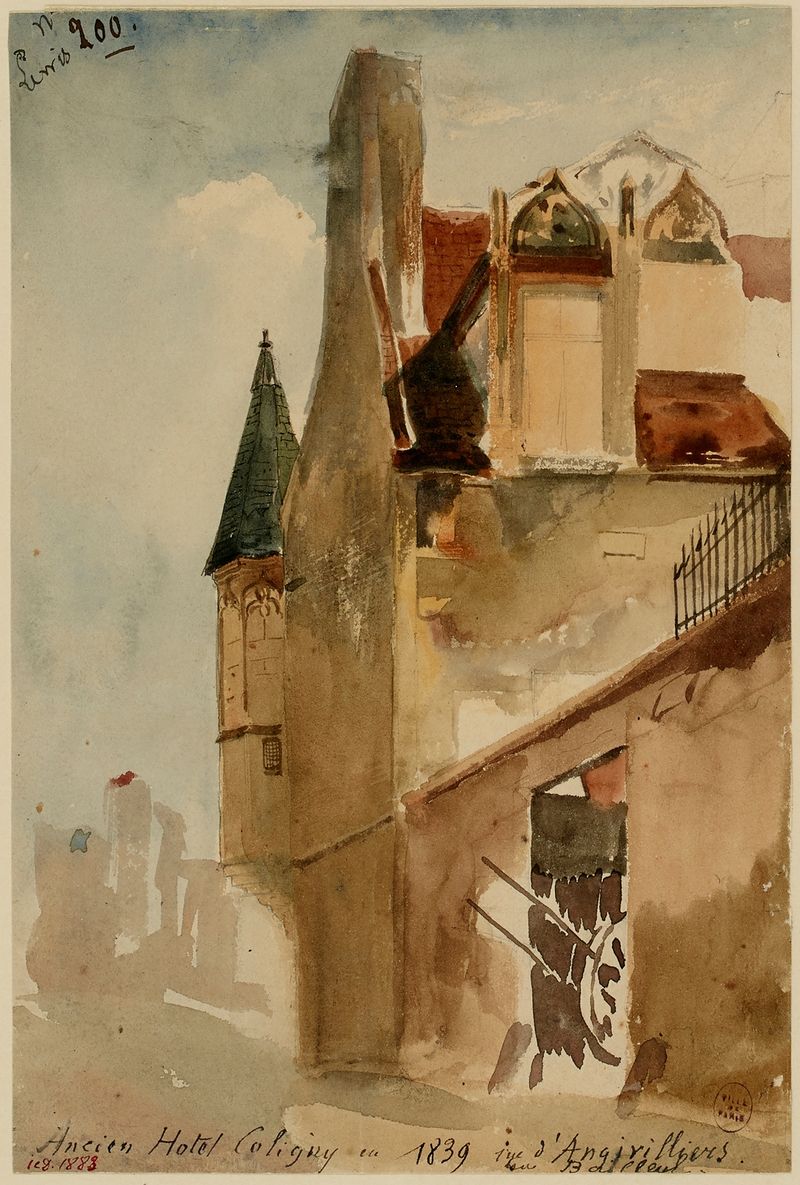
Ancien hôtel Coligny, rue d’Angivilliers en 1839
Henri Jean Baptiste Levis
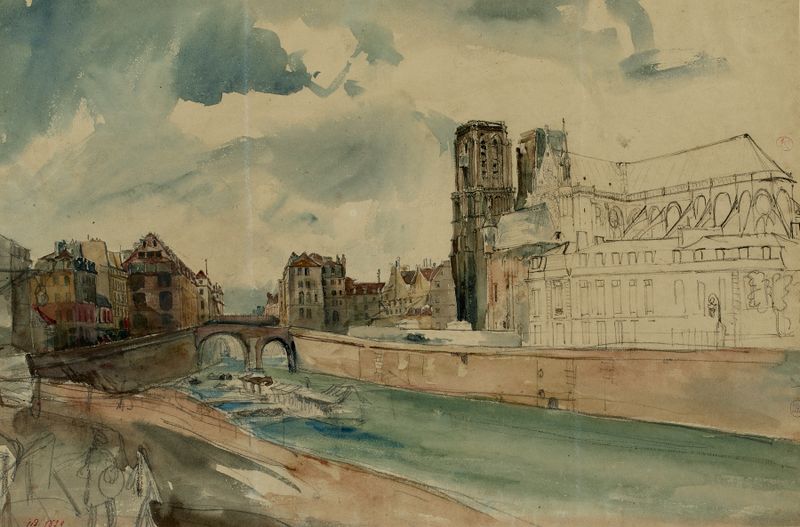
Seine devant l’archevêché et la cathédrale Notre-Dame vers 1840
Henri Jean Baptiste Levis
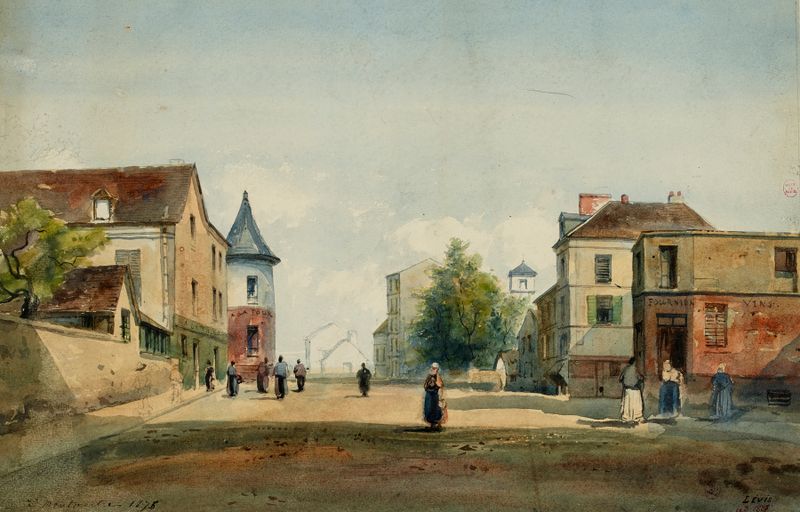
Rue Marcadet et rue du Mont-Cenis en 1876, 18ème arrondissement, Paris
Henri Jean Baptiste Levis
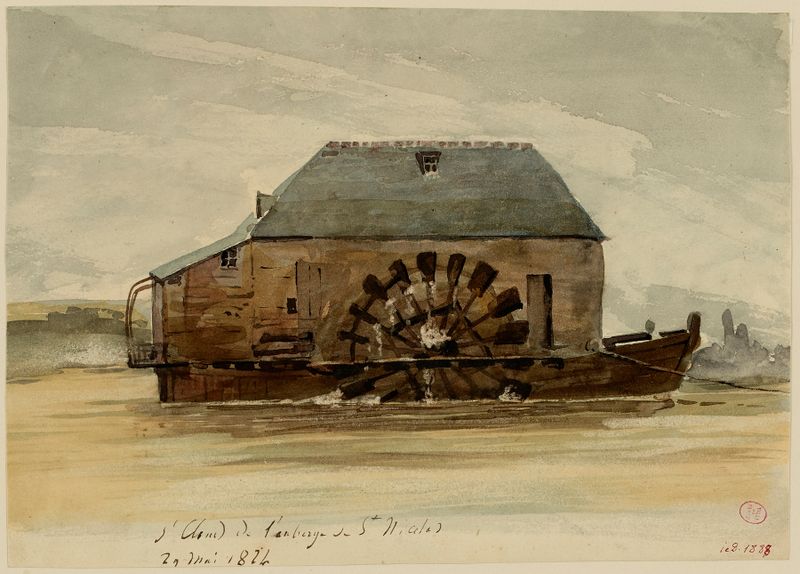
Machine à eau à Saint-Cloud auberge Saint-Nicolas en 1824
Henri Jean Baptiste Levis





