
Machine à eau à Saint-Cloud auberge Saint-Nicolas en 1824 — History & Facts
When did color learn to lie? In Machine à eau à Saint-Cloud auberge Saint-Nicolas en 1824, desire drips from the canvas; it beckons with an allure that teeters on the brink of reality and illusion. Look to the left at the intricately detailed water machine, its metallic surface shimmering with hues of blue and silver. The artist employs a masterful interplay of light and shadow that creates depth, drawing the eye towards the pulsating heart of the scene. Notice how the warm sunlight bathes the auberge, illuminating its rustic charm while casting a gentle glow on the figures gathered nearby, their expressions a mix of curiosity and longing. Beneath the surface, the painting reveals emotional tensions between industry and nature, innovation and nostalgia.
The water machine stands as a symbol of human ambition, yet the serene landscape hints at a desire for simpler times. The contrast between the mechanical and the pastoral encourages reflection on the impact of progress, evoking both admiration and a sense of loss. Created during a period marked by the turmoil of World War I, the artist found himself in France between 1915 and 1945, a time when art was a refuge and a means of commentary. As society grappled with change, the depiction of a seemingly tranquil scene belies an undercurrent of urgency, capturing the tension of a world yearning for both advancement and continuity.
More Artworks by Henri Jean Baptiste Levis
Browse all →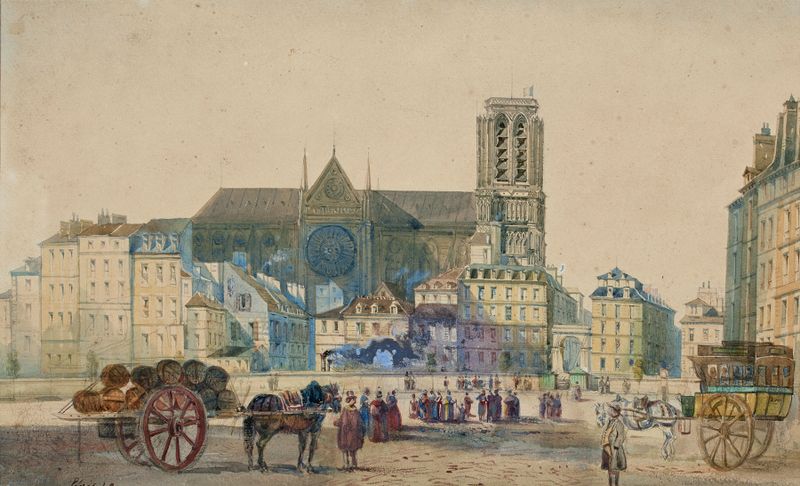
Notre-Dame et le pont d’Arcole vus de la place de l’Hôtel de Ville en 1845
Henri Jean Baptiste Levis

Le Pont-Neuf et la berge du quai de Conti
Henri Jean Baptiste Levis
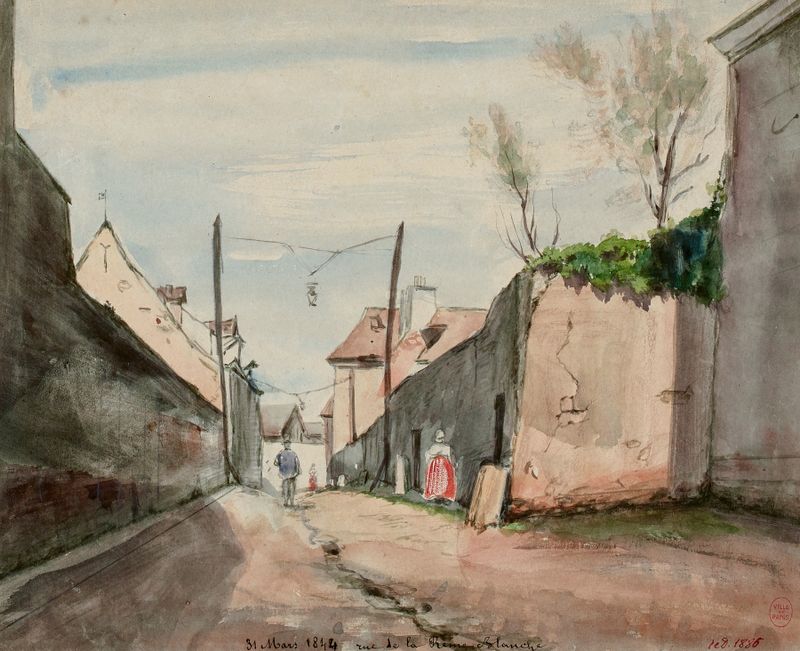
Rue de la Reine Blanche
Henri Jean Baptiste Levis

Pont Neuf et la Cité vue prise devant l’Institut de France
Henri Jean Baptiste Levis
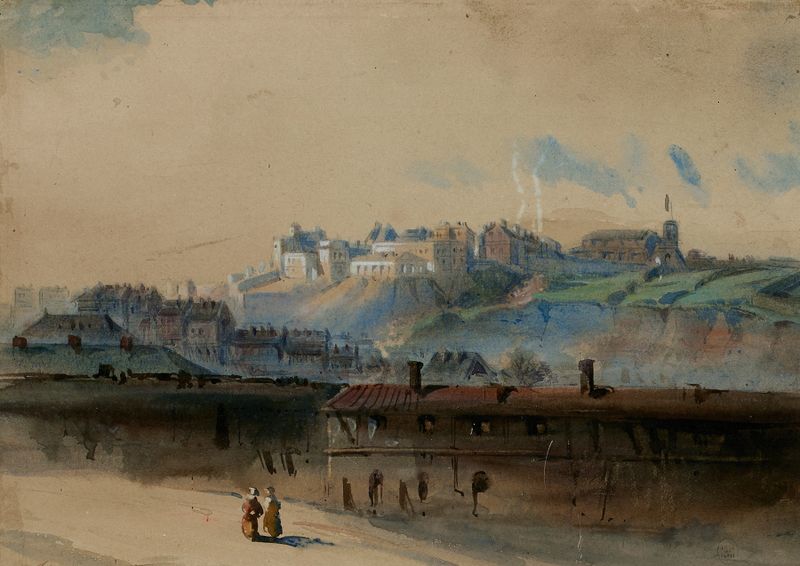
Vue générale des buttes Montmartre et de la tour du télégraphe
Henri Jean Baptiste Levis
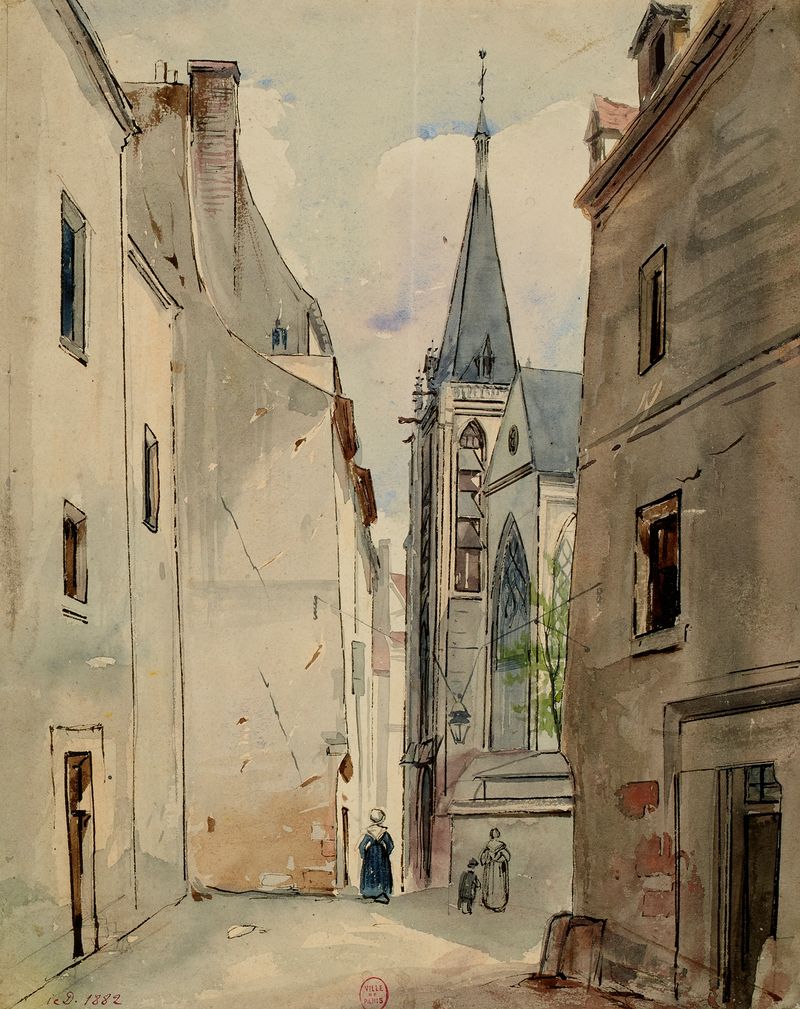
Eglise Saint-Séverin
Henri Jean Baptiste Levis
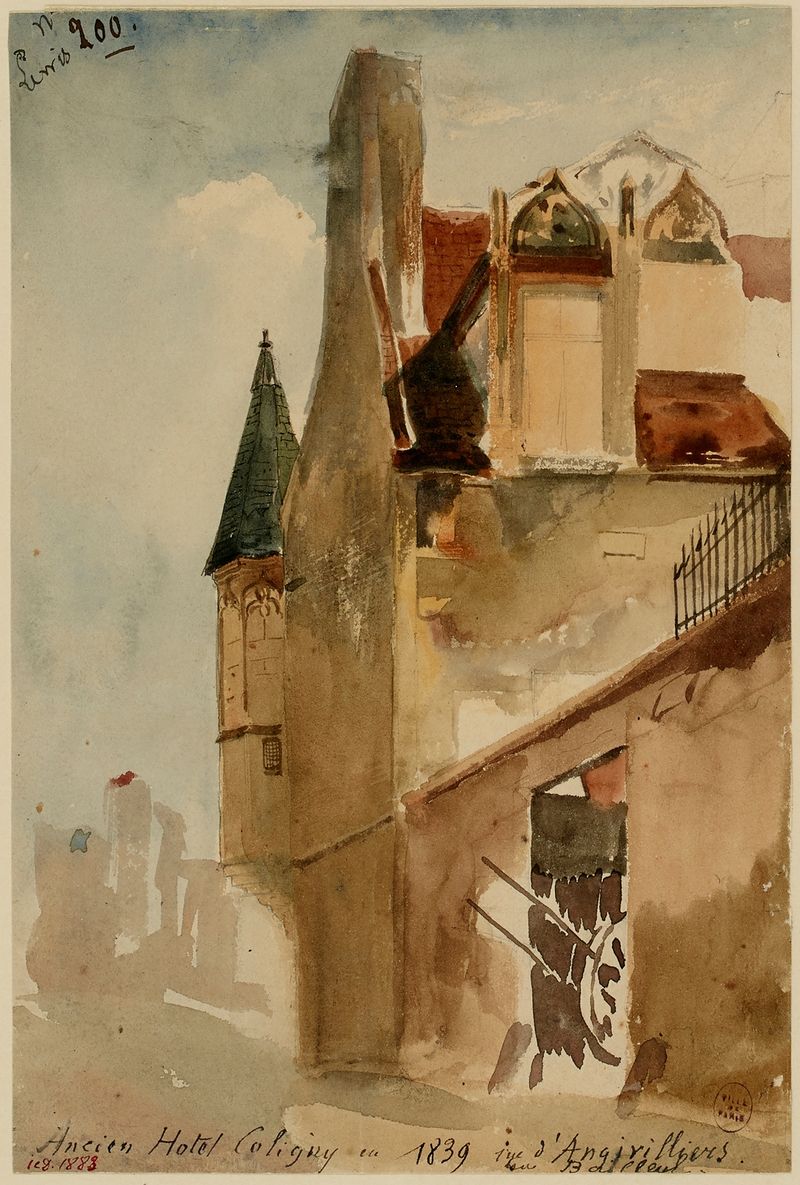
Ancien hôtel Coligny, rue d’Angivilliers en 1839
Henri Jean Baptiste Levis
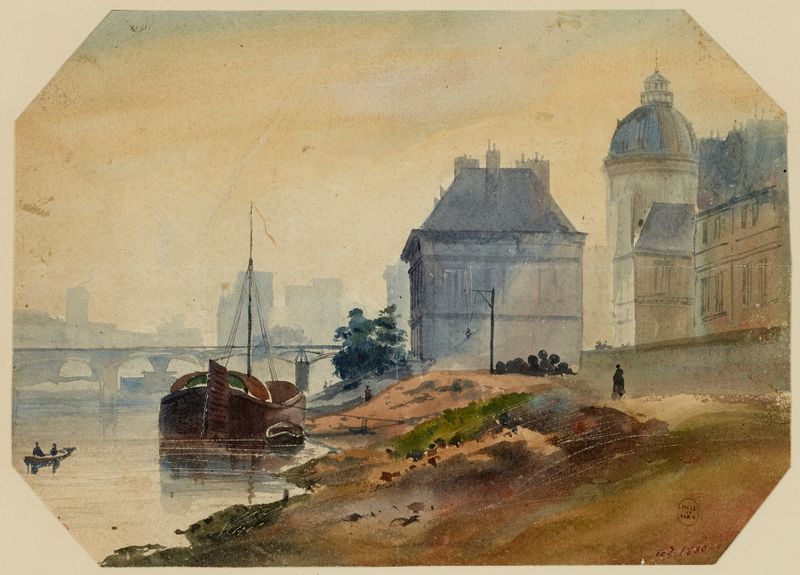
Seine devant l’Institut de France
Henri Jean Baptiste Levis
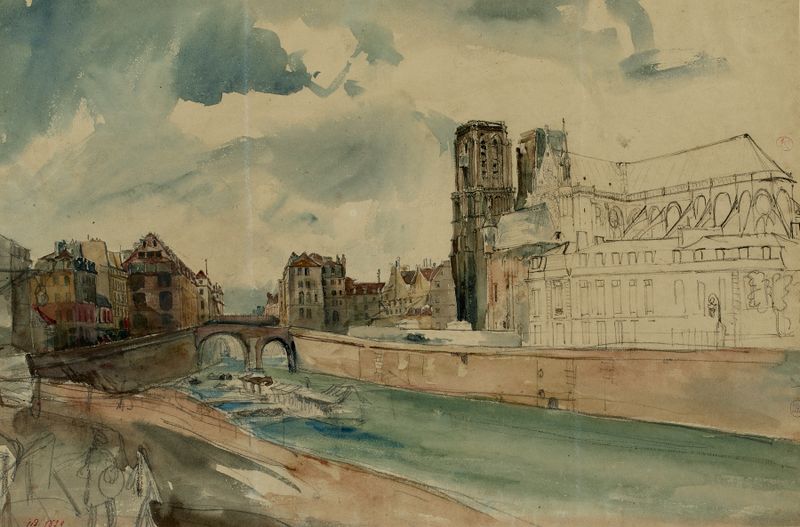
Seine devant l’archevêché et la cathédrale Notre-Dame vers 1840
Henri Jean Baptiste Levis
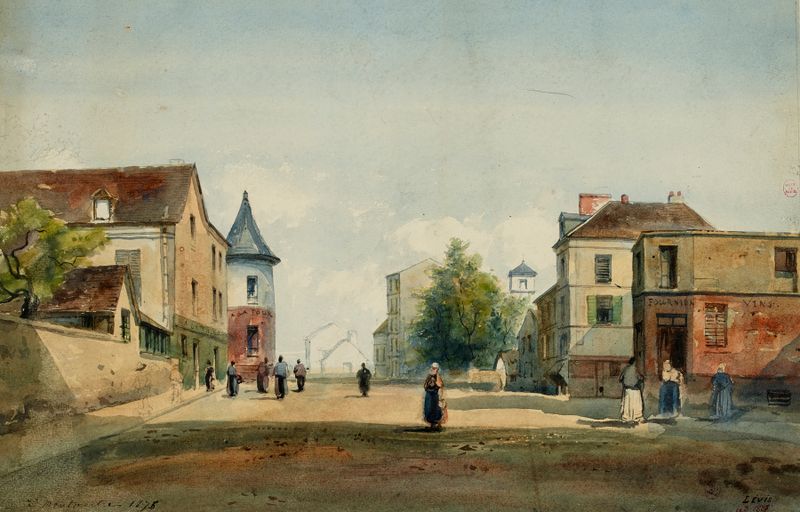
Rue Marcadet et rue du Mont-Cenis en 1876, 18ème arrondissement, Paris
Henri Jean Baptiste Levis





