
Notre-Dame et le pont d’Arcole vus de la place de l’Hôtel de Ville en 1845 — History & Facts
Did the painter know this moment would outlive them? In Notre-Dame et le pont d’Arcole vus de la place de l’Hôtel de Ville en 1845, a fleeting glimpse into history is captured, revealing the timeless beauty of Paris. Focus on the majestic silhouette of Notre-Dame, its Gothic spires rising against a soft, pastel sky. The bridge stretches across the Seine, a ribbon connecting lives and stories, while the bustling figures below, painted with deft strokes, hint at the rhythm of daily life. The warm hues of ochre and rose create a harmonious balance, inviting the viewer to linger, as light dances over the water's surface. This artwork encapsulates more than a moment in time; it conveys a dialogue between permanence and transience.
The arch of the bridge suggests connectivity amid the chaos of urban life, while the cathedral stands as a steadfast witness to countless stories. Each figure, though small against the vastness of the architecture, contributes to the tableau, emphasizing the shared human experience against the backdrop of monumental history. Created during a time when the world was grappling with the aftermath of World War I, the artist painted this piece amidst a resurgence of interest in Parisian architecture and culture. Between 1915 and 1945, Levis sought to evoke nostalgia and a sense of continuity, capturing the spirit of a city that had endured much yet remained a beacon of art and resilience.
More Artworks by Henri Jean Baptiste Levis
Browse all →
Le Pont-Neuf et la berge du quai de Conti
Henri Jean Baptiste Levis
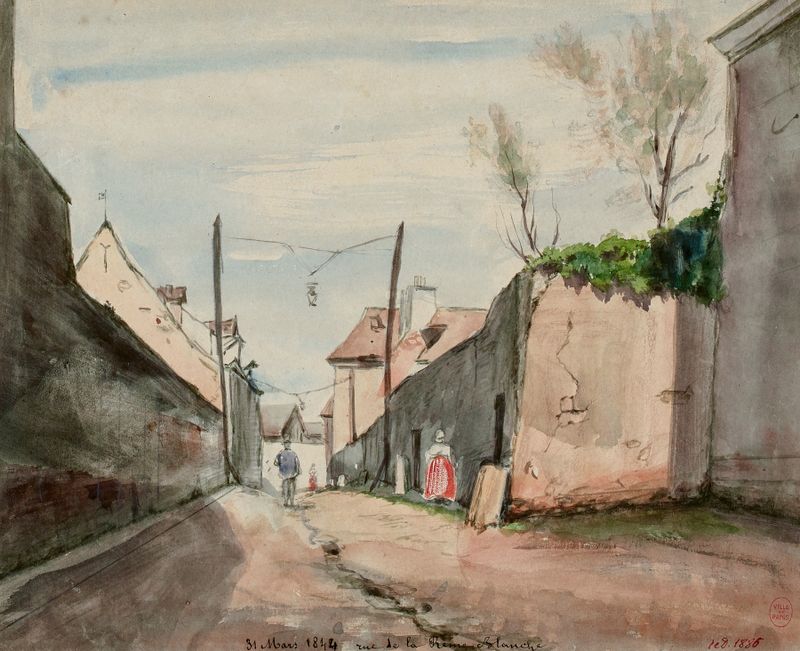
Rue de la Reine Blanche
Henri Jean Baptiste Levis

Pont Neuf et la Cité vue prise devant l’Institut de France
Henri Jean Baptiste Levis
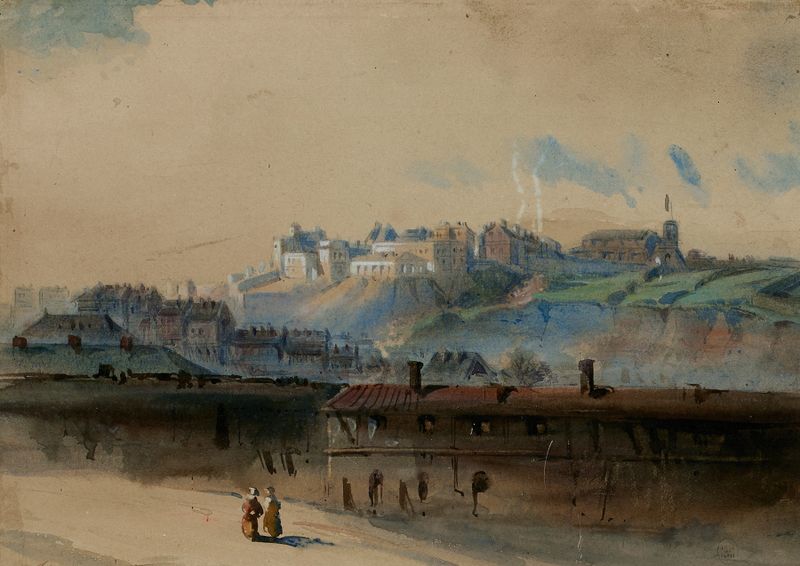
Vue générale des buttes Montmartre et de la tour du télégraphe
Henri Jean Baptiste Levis
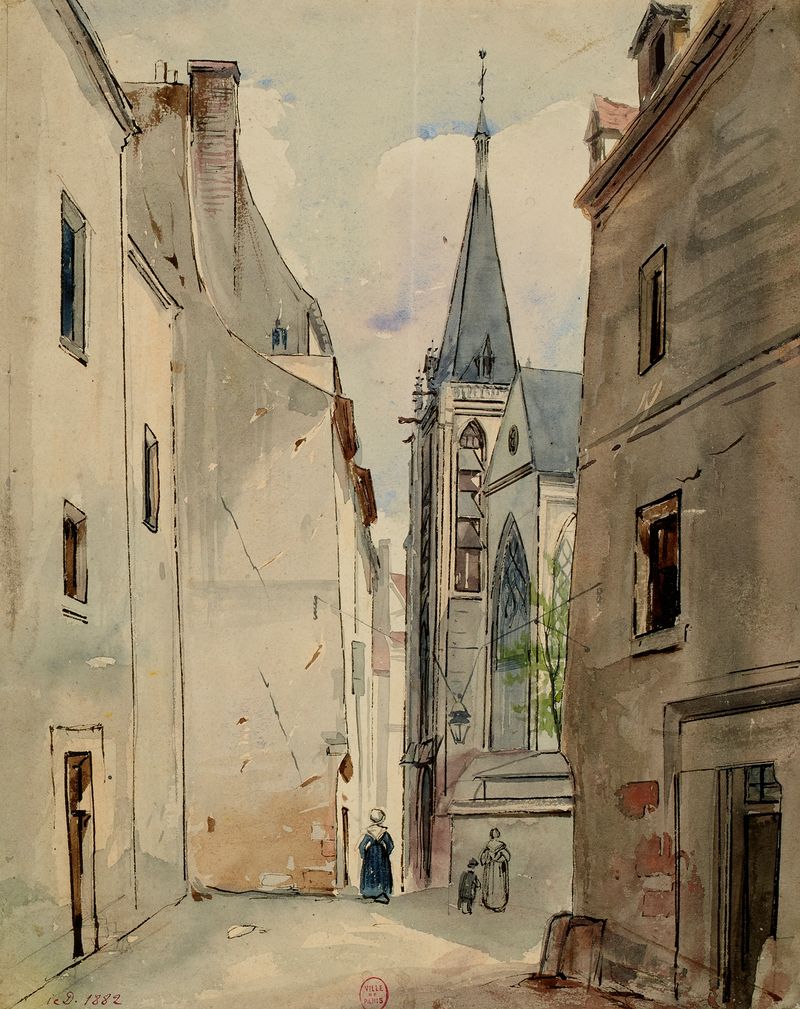
Eglise Saint-Séverin
Henri Jean Baptiste Levis
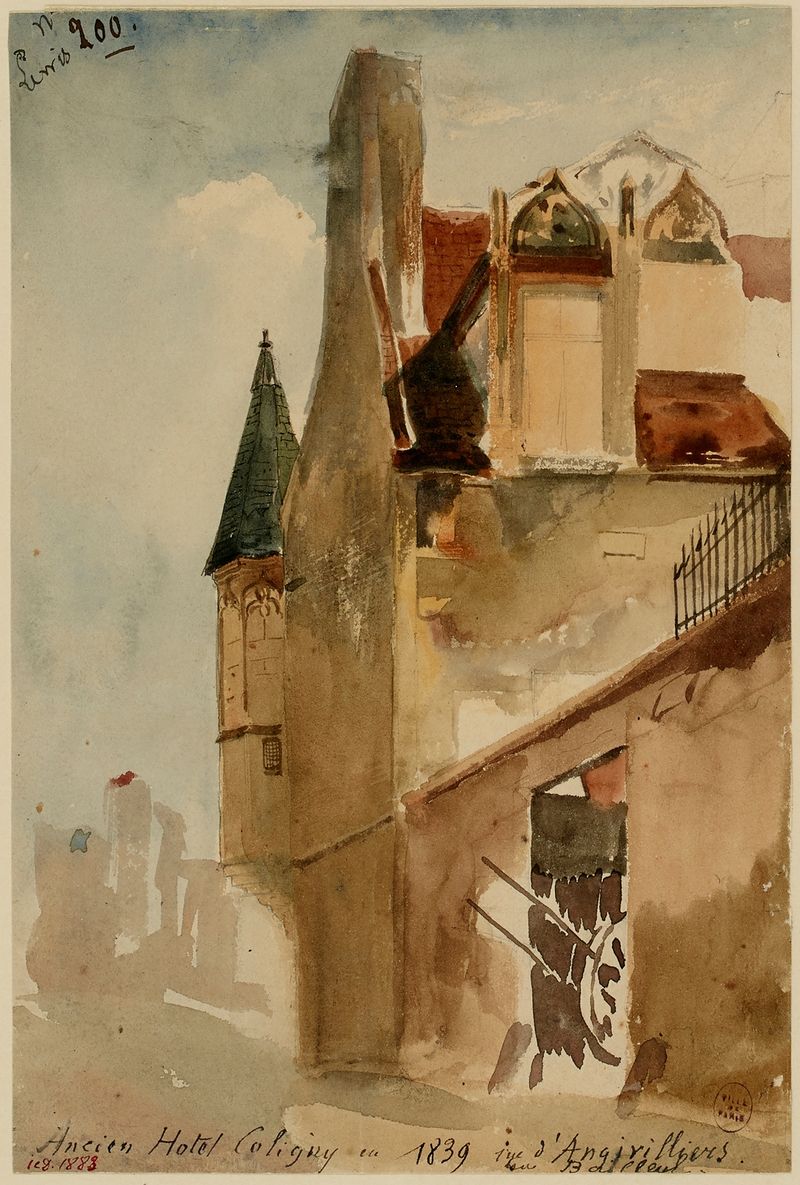
Ancien hôtel Coligny, rue d’Angivilliers en 1839
Henri Jean Baptiste Levis
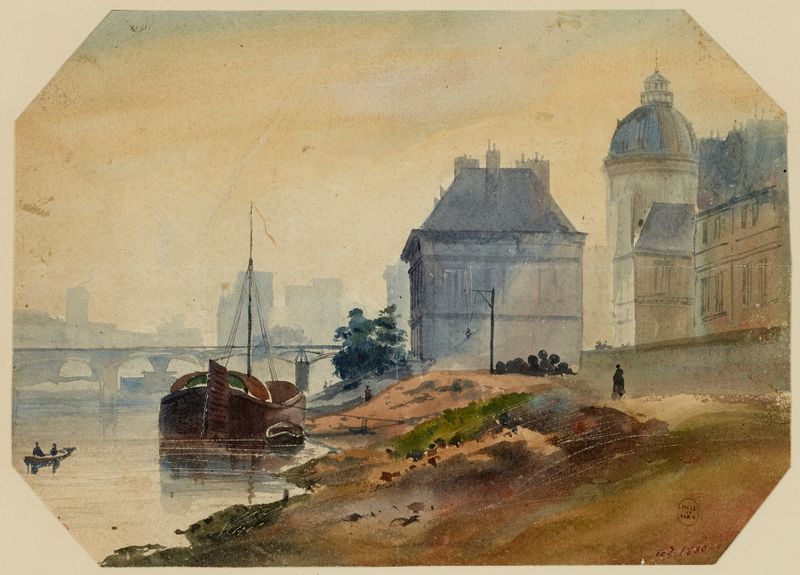
Seine devant l’Institut de France
Henri Jean Baptiste Levis
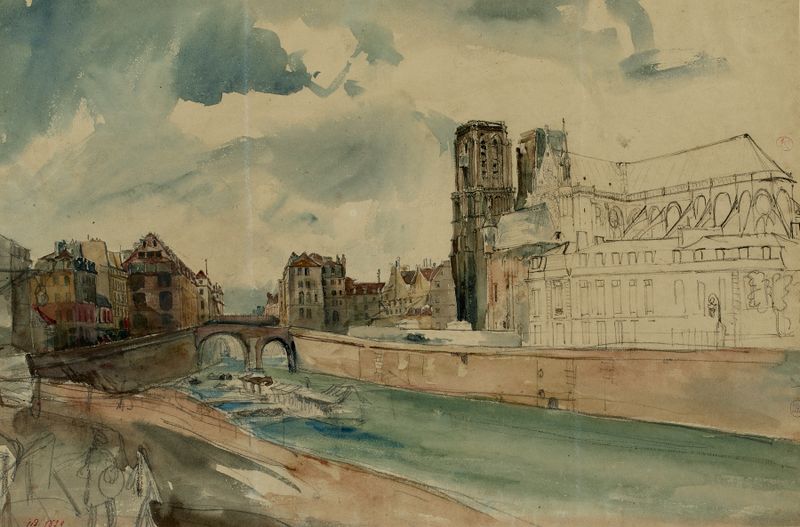
Seine devant l’archevêché et la cathédrale Notre-Dame vers 1840
Henri Jean Baptiste Levis
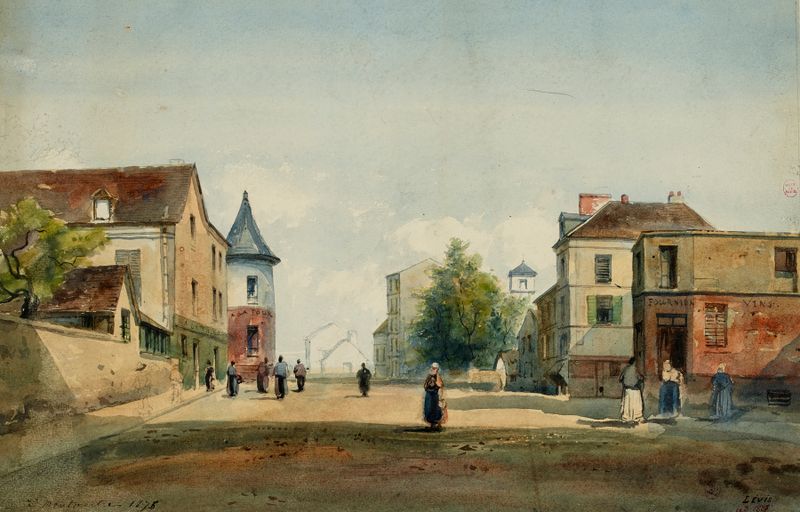
Rue Marcadet et rue du Mont-Cenis en 1876, 18ème arrondissement, Paris
Henri Jean Baptiste Levis
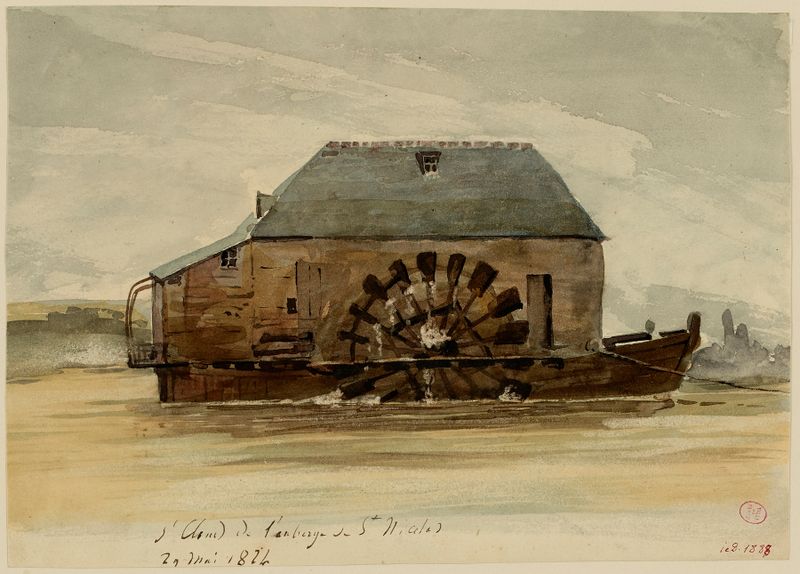
Machine à eau à Saint-Cloud auberge Saint-Nicolas en 1824
Henri Jean Baptiste Levis
More Architecture Art
Browse all →
The statue of Liberty
Frédéric Auguste Bartholdi

View of Houses in Delft, Known as ‘The Little Street’
Johannes Vermeer

View of Houses in Delft, Known as ‘The Little Street’
Johannes Vermeer

The Cathedral in Rouen. The portal, Grey Weather
Claude Monet

The yellow house
Vincent van Gogh

The Church in Auvers-sur-Oise, View from the Chevet
Vincent van Gogh