
Rue Marcadet et rue du Mont-Cenis en 1876, 18ème arrondissement, Paris — History & Facts
In the bustling heart of Paris, the rhythm of life pulses through the streets, a reminder that every corner holds the whisper of dreams and disappointments. The yearning for connection, for a moment captured in time, echoes in the vibrancy of city life, where every passerby carries their own story. Look to the left at the intersection of Rue Marcadet and Rue du Mont-Cenis, where the lively strokes of paint invite you into the scene. The buildings, rendered in warm ochres and soft greys, rise like sentinels, their facades alive with texture.
Notice how the sunlight dances across the cobblestones, illuminating the figures that dot the street; some stroll leisurely, while others hurry past, each gesture adding to the tapestry of urban existence. The composition breathes with movement, anchored by the striking contrast of shadows that lend depth to this lively Parisian moment. As you delve deeper, you’ll uncover the emotional tension woven into this urban landscape. The juxtaposition of light and dark suggests a longing for what lies beyond the frame, while the distant figures reveal the isolation amid the crowd.
Each element, from the fluttering leaves to the barely visible expressions, speaks of transient hope and unfulfilled desires, painting a portrait of a city that mirrors both the vibrancy and solitude of its inhabitants. Henri Jean Baptiste Levis painted this piece during a tumultuous time between 1915 and 1945, a period marked by both the devastation of global conflict and the resilience of human spirit. Living in Paris, he was deeply influenced by the changing rhythms of society as artists sought to express new realities through their work. Amidst this backdrop, his art became a reflection of both the beauty and the complexity of life in the city, capturing fleeting moments that resonate through time.
More Artworks by Henri Jean Baptiste Levis
Browse all →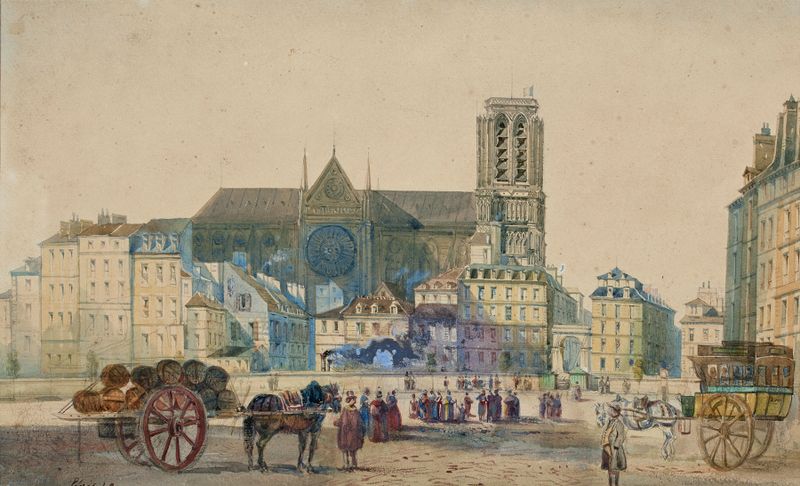
Notre-Dame et le pont d’Arcole vus de la place de l’Hôtel de Ville en 1845
Henri Jean Baptiste Levis

Le Pont-Neuf et la berge du quai de Conti
Henri Jean Baptiste Levis
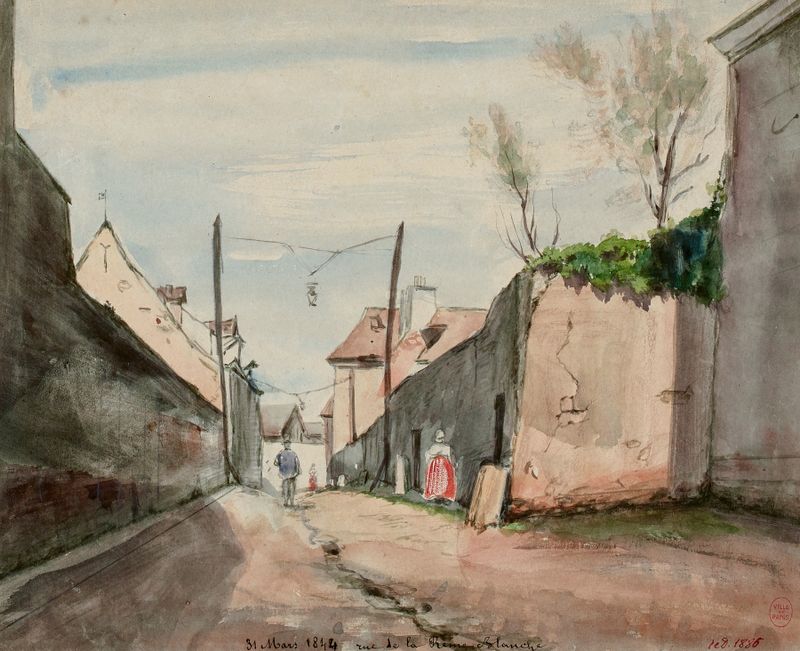
Rue de la Reine Blanche
Henri Jean Baptiste Levis

Pont Neuf et la Cité vue prise devant l’Institut de France
Henri Jean Baptiste Levis
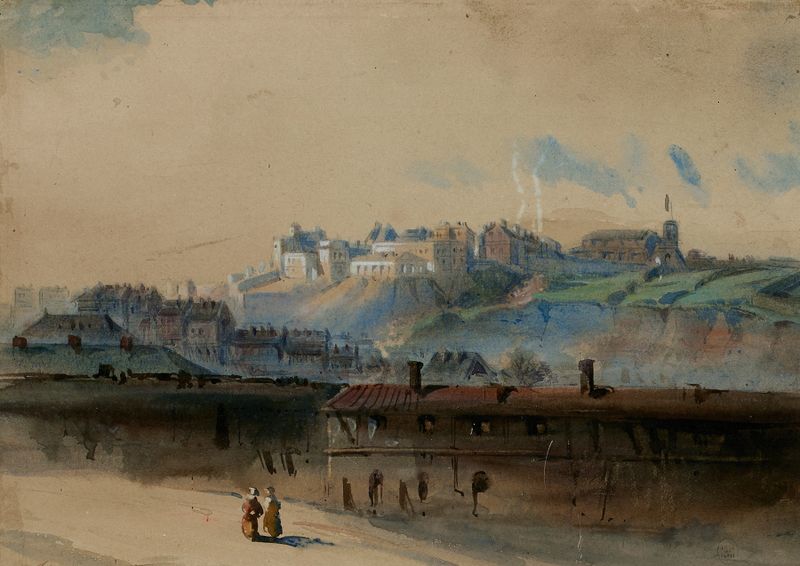
Vue générale des buttes Montmartre et de la tour du télégraphe
Henri Jean Baptiste Levis
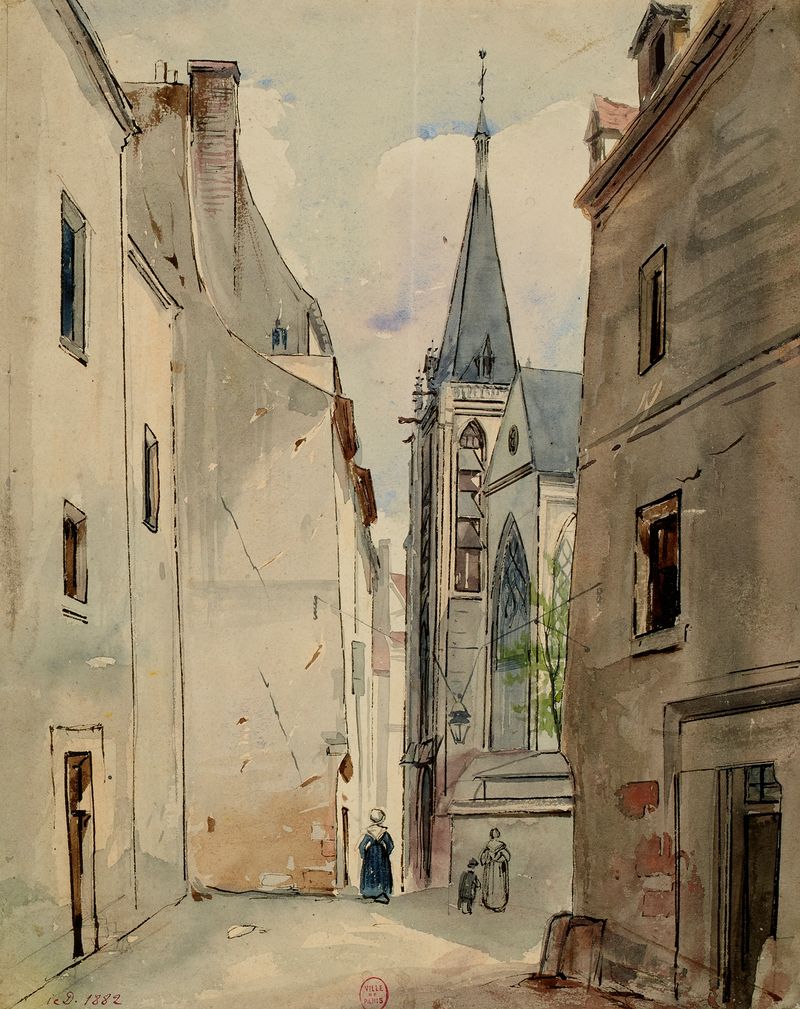
Eglise Saint-Séverin
Henri Jean Baptiste Levis
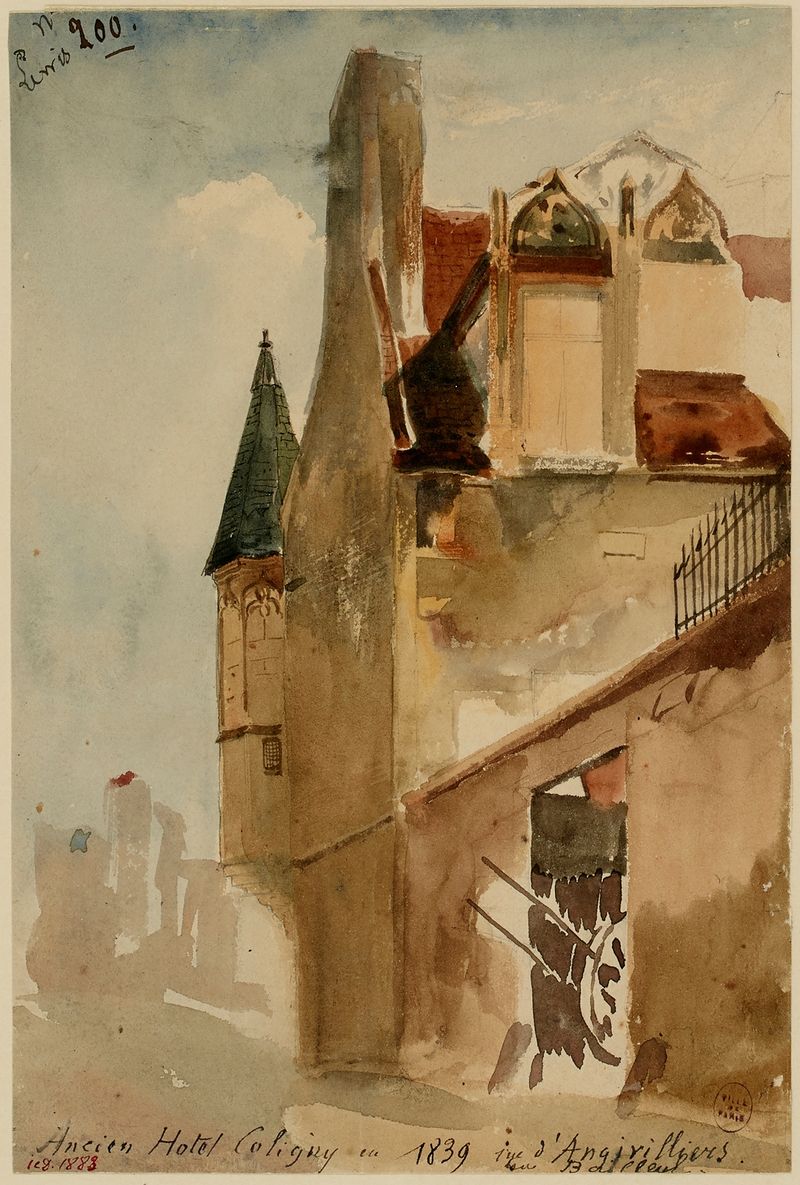
Ancien hôtel Coligny, rue d’Angivilliers en 1839
Henri Jean Baptiste Levis
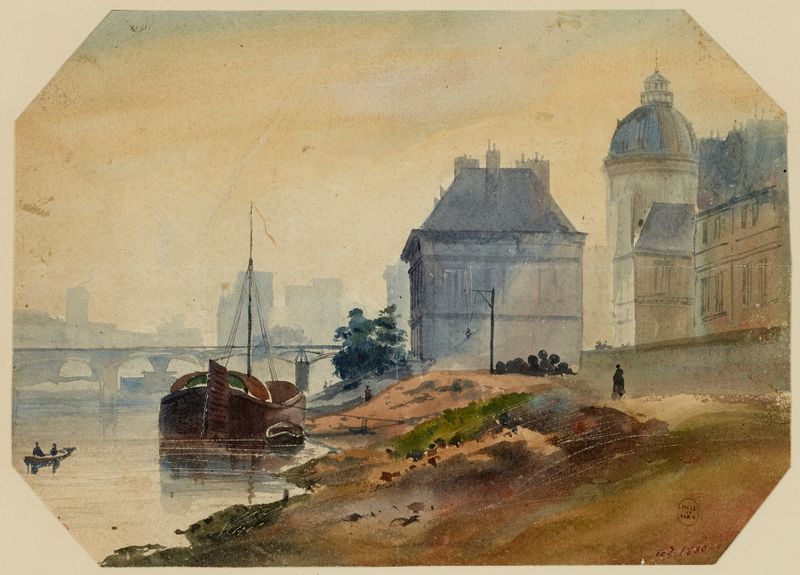
Seine devant l’Institut de France
Henri Jean Baptiste Levis
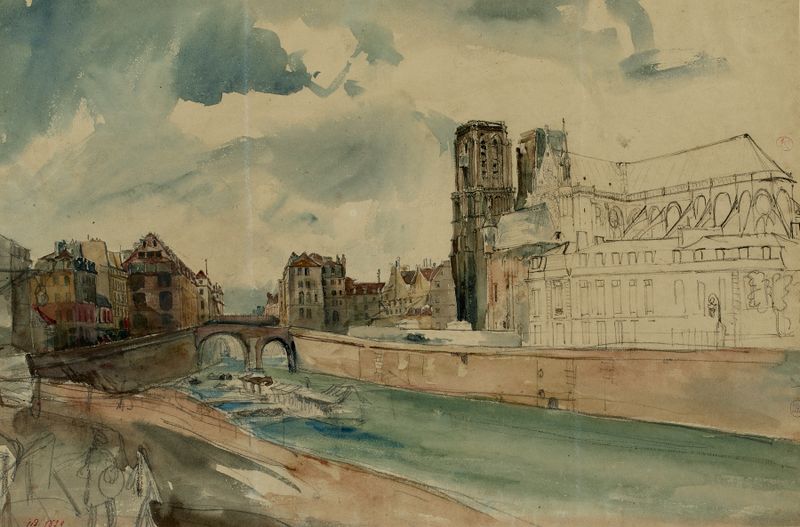
Seine devant l’archevêché et la cathédrale Notre-Dame vers 1840
Henri Jean Baptiste Levis
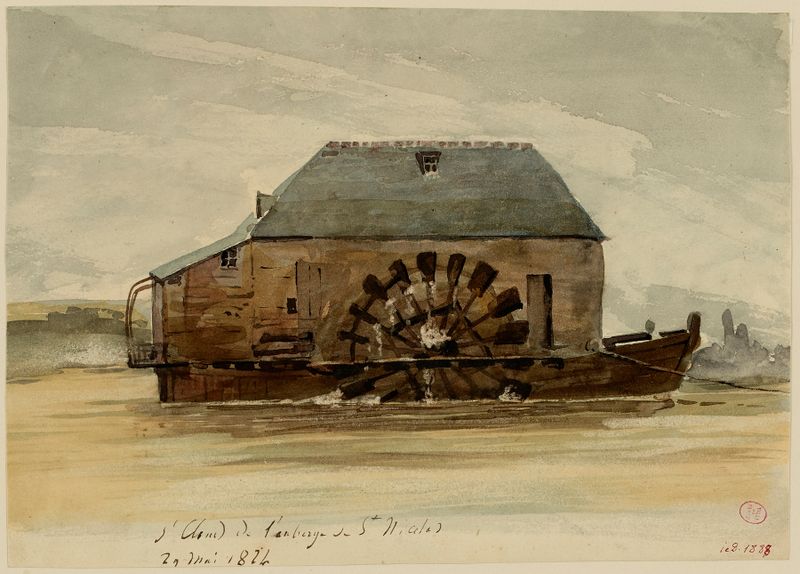
Machine à eau à Saint-Cloud auberge Saint-Nicolas en 1824
Henri Jean Baptiste Levis





