
Rue de la Reine Blanche — History & Facts
What if silence could speak through light? In the interplay of shadow and hue, the echoes of a forgotten street linger, inviting us to explore the legacy that time has left behind. Look to the center of the canvas, where the cobblestones glisten with a soft, inviting light, hinting at the stories they have witnessed. The delicate brushwork captures both the texture of the surface and the fleeting impressions of the surrounding architecture. Notice how the muted palette enhances a sense of nostalgia, while the light draws us down the street, guiding our eyes toward the horizon where past and present converge. In this painting, the absence of human figures imbues the scene with an emotional tension—an echoed solitude that allows the viewer to reflect on their own existence within this space.
The subtle contrast between light and shadow amplifies a sense of introspection, illustrating the passage of time and the layers of history embedded in each brick and stone. Each detail whispers to us, resonating with a longing for connection and remembrance, as if the street itself is a silent guardian of memories. During the years between 1915 and 1945, Henri Jean Baptiste Levis sought to capture the changing essence of urban life amidst the turmoil of two world wars. Living in France, he painted Rue de la Reine Blanche against a backdrop of societal upheaval, where the simplicity of daily life became a poignant reflection of resilience and continuity.
This period was marked by a transition in the art world, as artists began to explore the deeper meanings of space and time, creating works that would leave a lasting impact on generations to come.
More Artworks by Henri Jean Baptiste Levis
Browse all →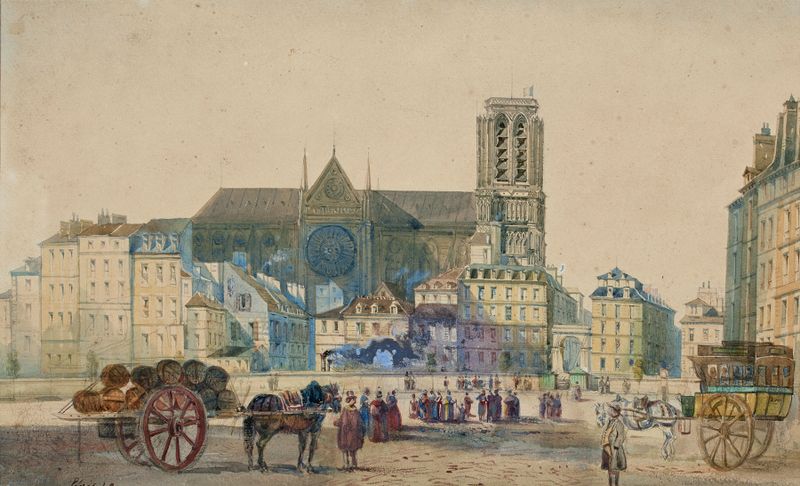
Notre-Dame et le pont d’Arcole vus de la place de l’Hôtel de Ville en 1845
Henri Jean Baptiste Levis

Le Pont-Neuf et la berge du quai de Conti
Henri Jean Baptiste Levis

Pont Neuf et la Cité vue prise devant l’Institut de France
Henri Jean Baptiste Levis
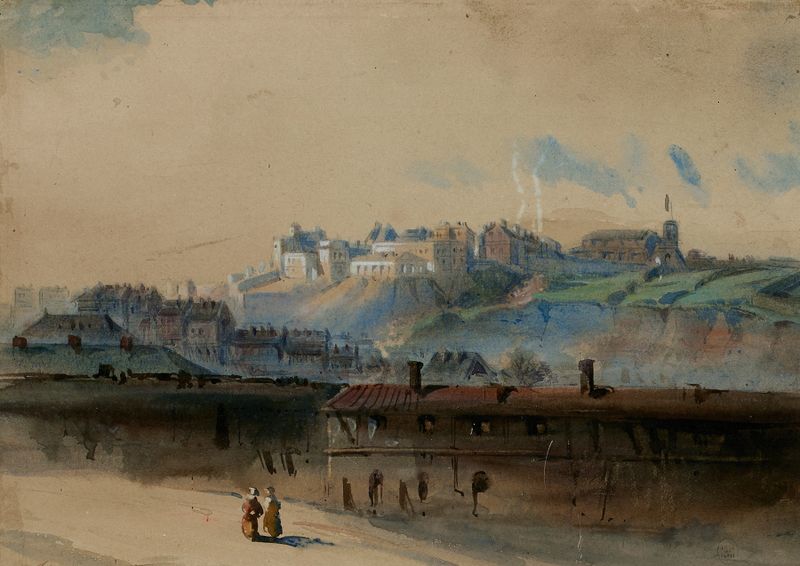
Vue générale des buttes Montmartre et de la tour du télégraphe
Henri Jean Baptiste Levis
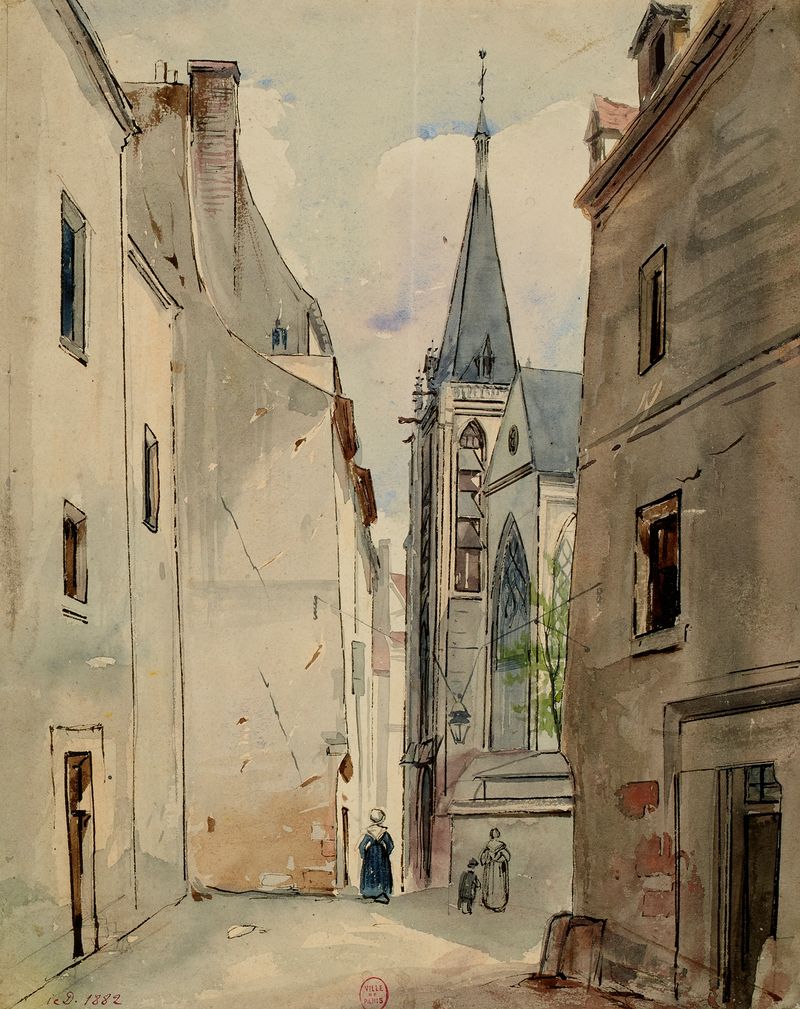
Eglise Saint-Séverin
Henri Jean Baptiste Levis
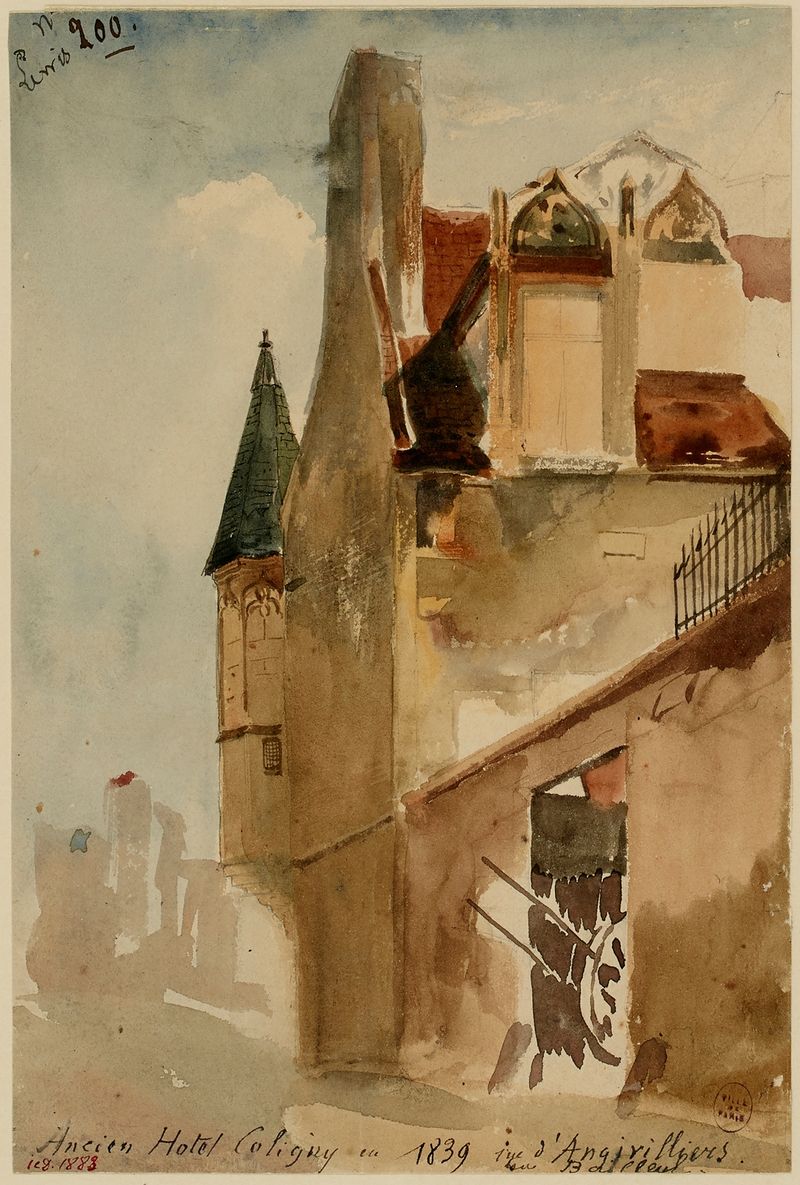
Ancien hôtel Coligny, rue d’Angivilliers en 1839
Henri Jean Baptiste Levis
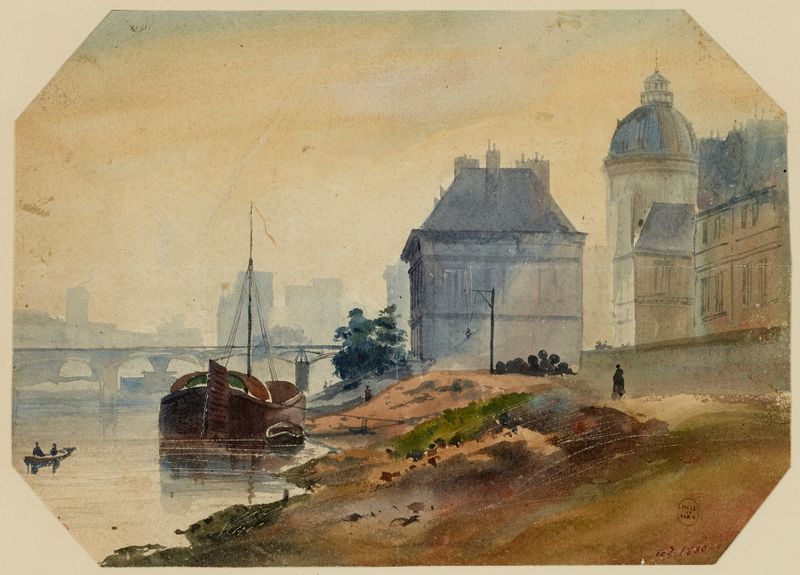
Seine devant l’Institut de France
Henri Jean Baptiste Levis
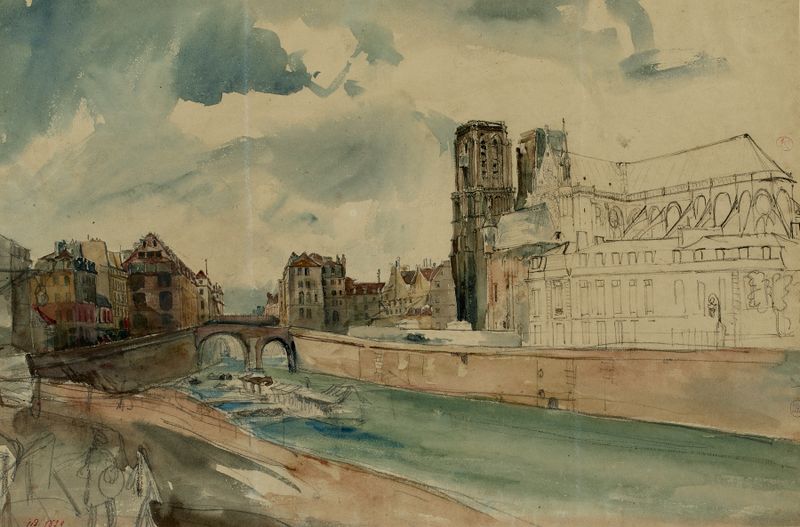
Seine devant l’archevêché et la cathédrale Notre-Dame vers 1840
Henri Jean Baptiste Levis
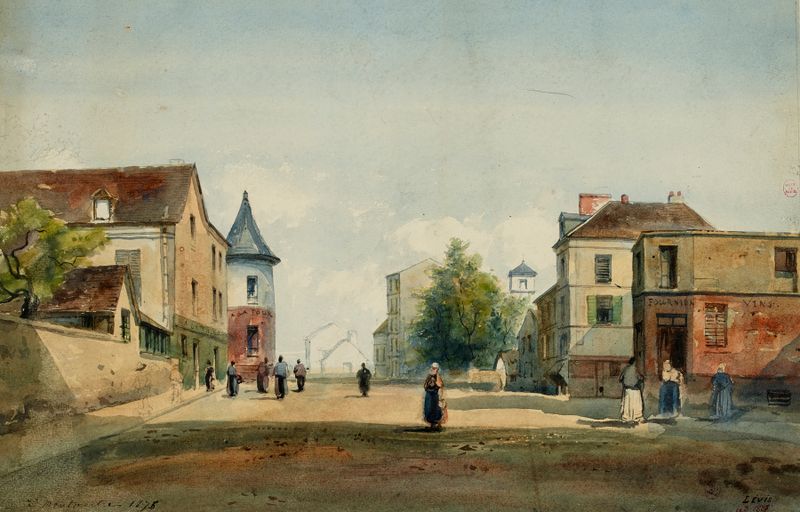
Rue Marcadet et rue du Mont-Cenis en 1876, 18ème arrondissement, Paris
Henri Jean Baptiste Levis
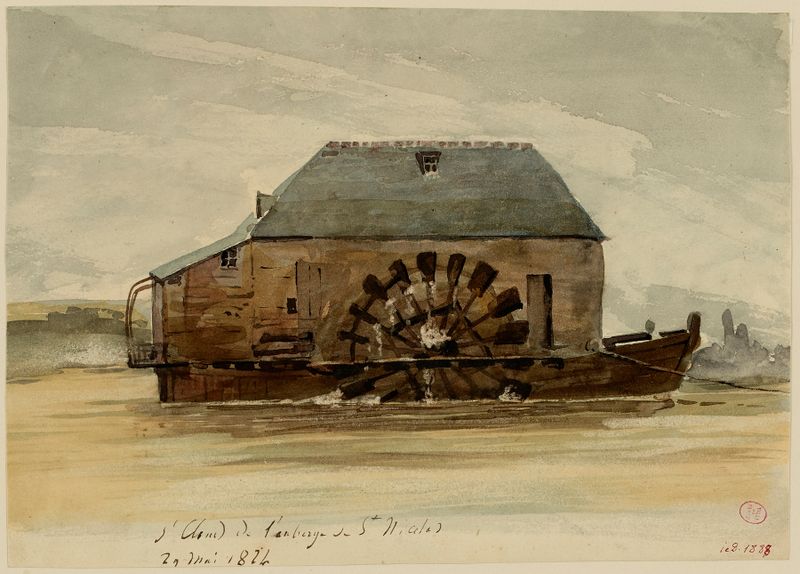
Machine à eau à Saint-Cloud auberge Saint-Nicolas en 1824
Henri Jean Baptiste Levis





