
Pont Neuf et la Cité vue prise devant l’Institut de France — History & Facts
Could a single brushstroke hold eternity? In Pont Neuf et la Cité vue prise devant l’Institut de France, a fleeting moment becomes a transcendent memory, capturing the essence of an era while hinting at the weight of history. Look to the left, where the sweeping contours of the Pont Neuf emerge from the canvas, defined by rich strokes of earthy browns and muted grays. As your gaze travels across the scene, notice how the soft blues of the sky blend harmoniously with reflections on the water, inviting a sense of calm amidst the architectural grandeur. The composition is expertly balanced, with the Cité rising majestically in the background, its silhouette etched against the delicate play of light. Within the layers of color lies a palpable tension: the vibrancy of life evident in the bustling boats contrasted with the stillness of the buildings that have witnessed centuries of change.
The muted tones reflect a world caught between war and peace, hinting at the struggles faced during the 20th century. Each brushstroke becomes a whisper of the past, urging the viewer to ponder what has been lost, yet also what remains eternal in the cultural fabric of Paris. Created during a tumultuous period between 1915 and 1945, the artist found himself navigating the changing tides of both personal and global landscapes. Amidst the backdrop of two World Wars, he sought refuge in painting, capturing moments of beauty and resilience.
This piece stands as a testament to not only his artistic journey but also to the enduring spirit of a city that has always held the promise of renewal.
More Artworks by Henri Jean Baptiste Levis
Browse all →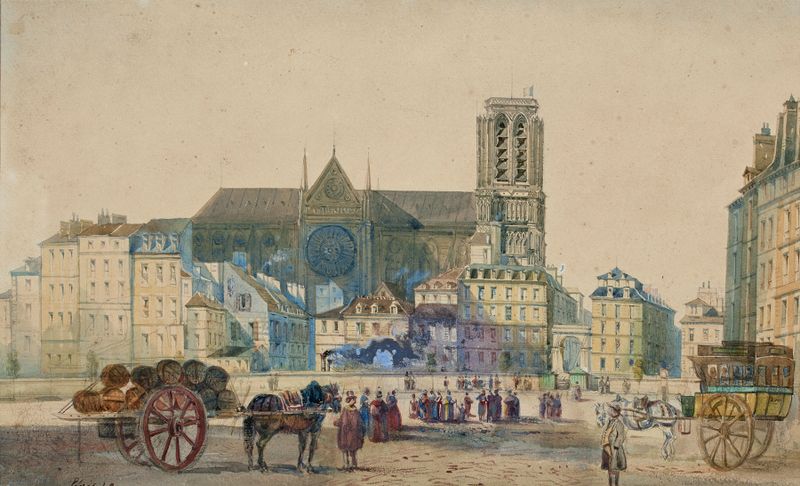
Notre-Dame et le pont d’Arcole vus de la place de l’Hôtel de Ville en 1845
Henri Jean Baptiste Levis

Le Pont-Neuf et la berge du quai de Conti
Henri Jean Baptiste Levis
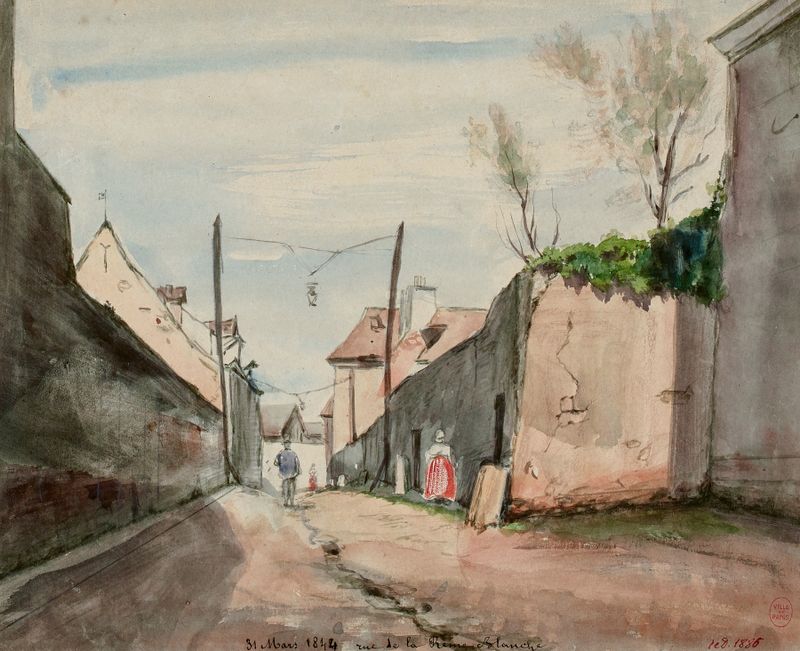
Rue de la Reine Blanche
Henri Jean Baptiste Levis
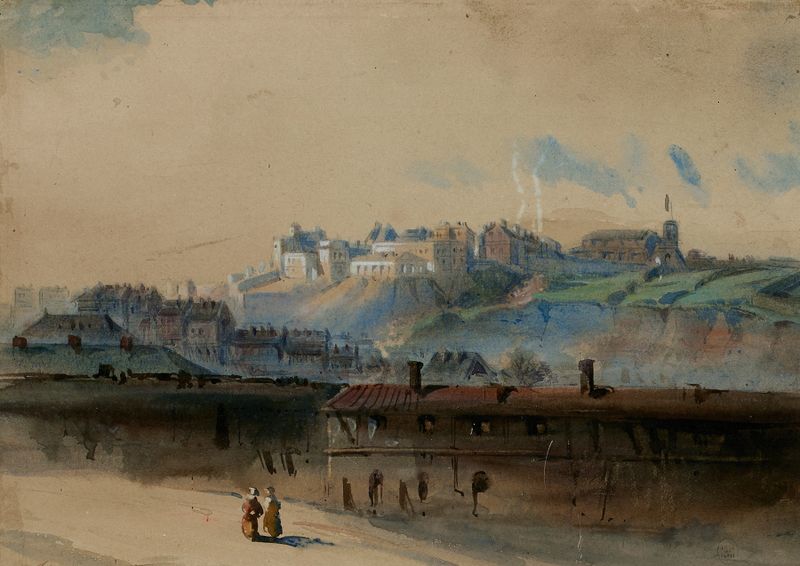
Vue générale des buttes Montmartre et de la tour du télégraphe
Henri Jean Baptiste Levis
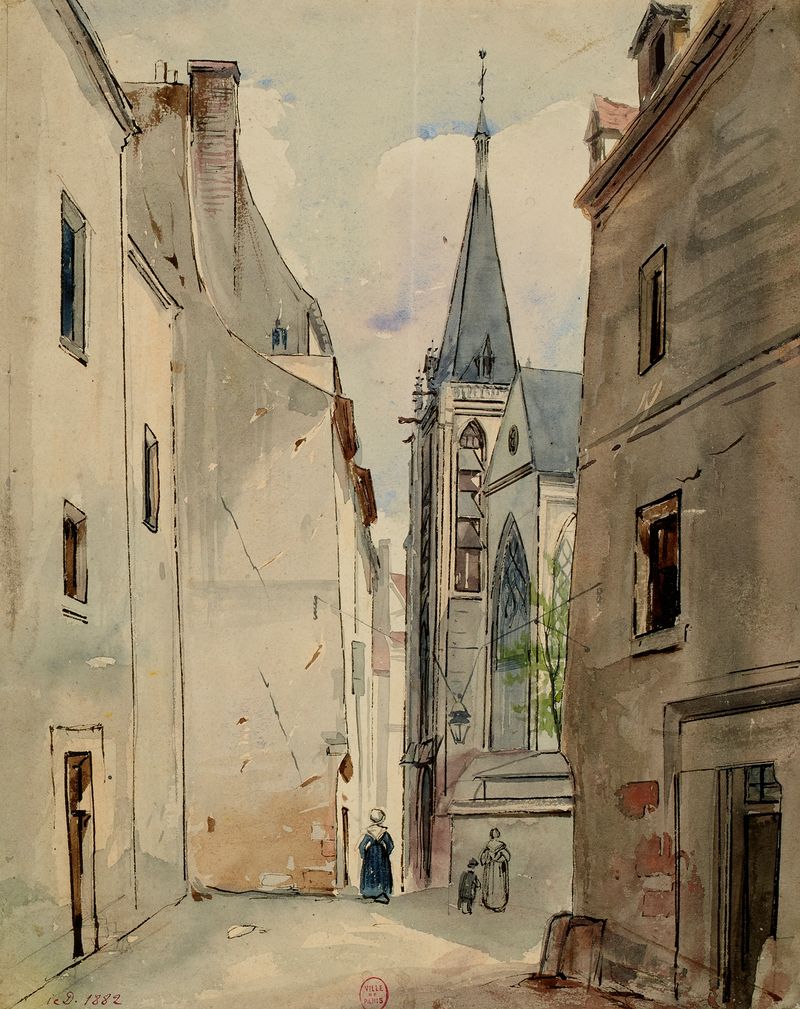
Eglise Saint-Séverin
Henri Jean Baptiste Levis
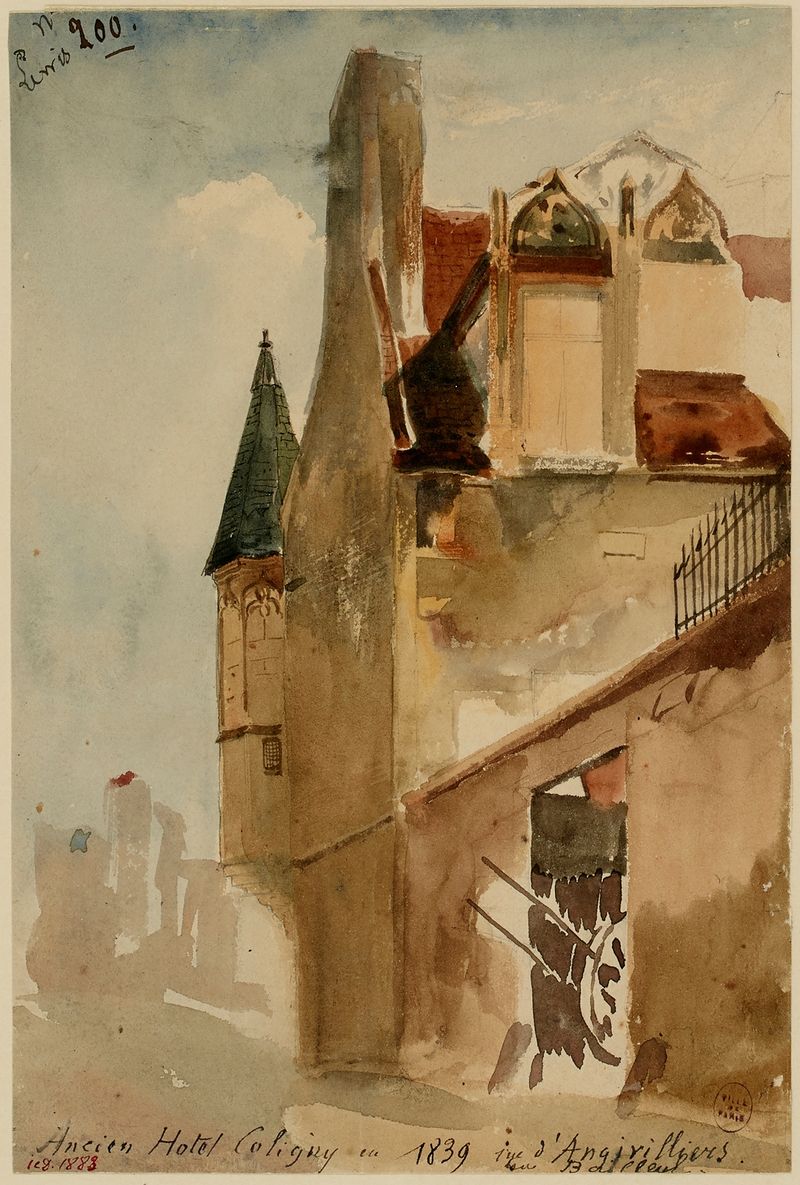
Ancien hôtel Coligny, rue d’Angivilliers en 1839
Henri Jean Baptiste Levis
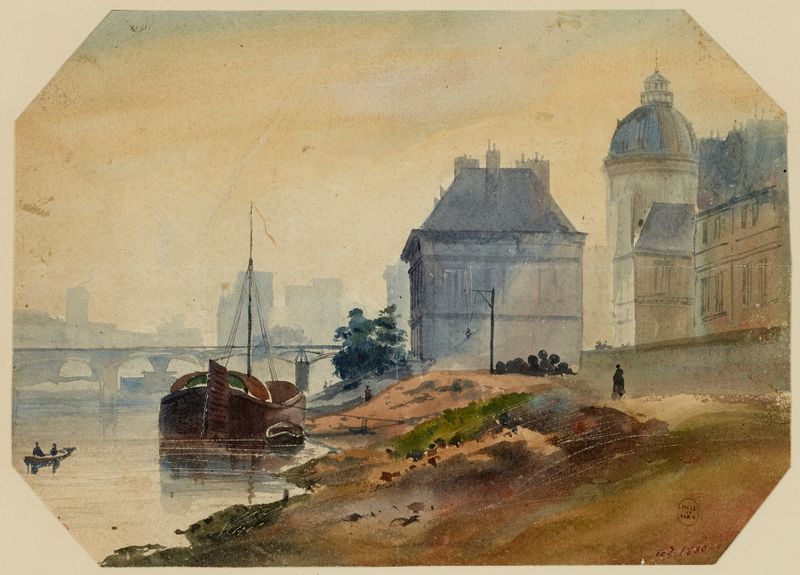
Seine devant l’Institut de France
Henri Jean Baptiste Levis
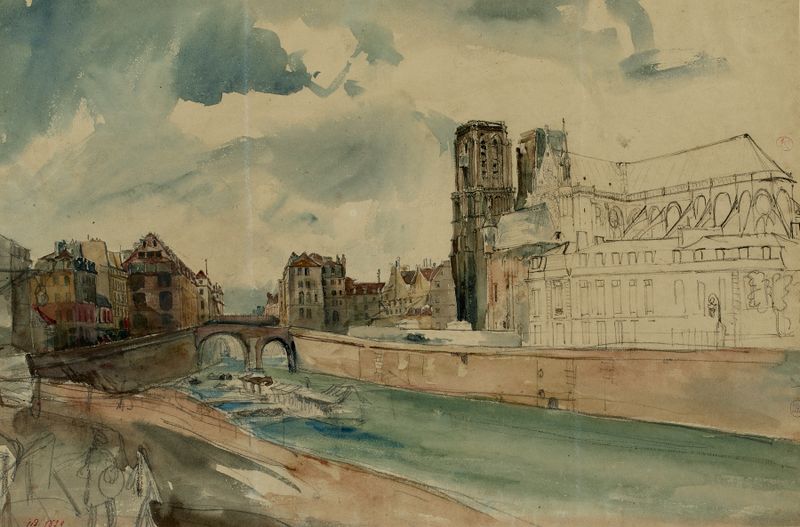
Seine devant l’archevêché et la cathédrale Notre-Dame vers 1840
Henri Jean Baptiste Levis
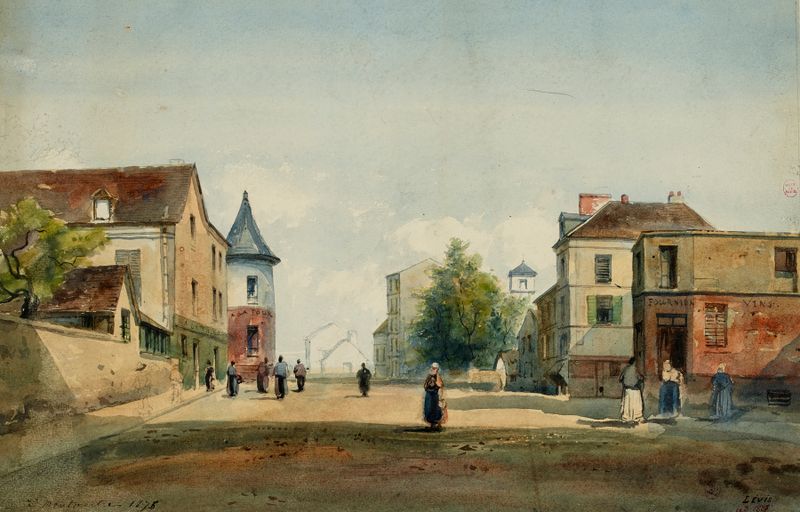
Rue Marcadet et rue du Mont-Cenis en 1876, 18ème arrondissement, Paris
Henri Jean Baptiste Levis
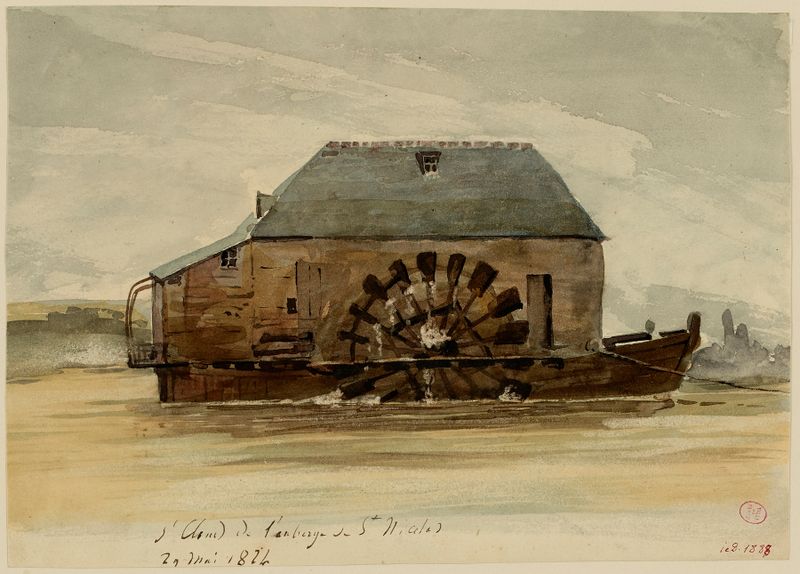
Machine à eau à Saint-Cloud auberge Saint-Nicolas en 1824
Henri Jean Baptiste Levis





