
Vue générale des buttes Montmartre et de la tour du télégraphe — History & Facts
Did the painter know this moment would outlive them? As the artist captured the essence of Montmartre, he immortalized a fleeting landscape; a quiet witness to the passage of time and the rhythms of life. Look to the left at the rolling hills of Montmartre, where vibrant greens meet soft blues, creating a harmonious dialogue between earth and sky. Notice how the brushstrokes swirl and flow, giving life to the trees and blending seamlessly into the distant rooftops, drawing your gaze toward the tower of the telegraph, poised with quiet dignity. The play of light casts gentle shadows that hint at both the warmth of the sun and the coolness of approaching dusk, inviting you to linger in this tranquil moment. Beneath the surface of this idyllic scene lies a tension between the beauty of nature and the advancements of technology.
The telegraph tower, a symbol of progress, stands resolute against the charming chaos of the hillside, evoking a sense of nostalgia for a simpler time. There’s an emotional pull, suggesting that while modernity advances, the essence of place remains steadfast, whispering stories of generations past to those willing to listen. During the years 1915 to 1945, Levis painted this work amidst the tumult of two world wars, a time when artists grappled with the shifting tides of society and technology. Living in France, he was part of an artistic community seeking beauty in an evolving world, illustrating how landscapes could reflect both personal and collective histories.
In this piece, he encapsulated a moment that, though transient, echoes resilience and continuity within the landscape he cherished.
More Artworks by Henri Jean Baptiste Levis
Browse all →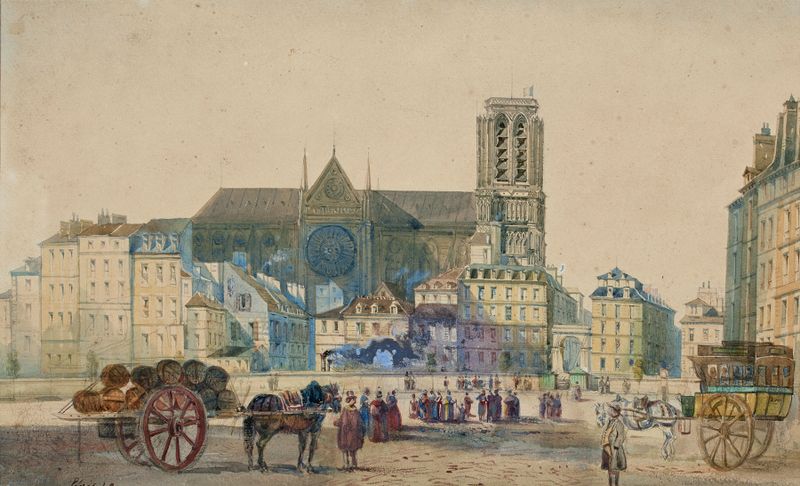
Notre-Dame et le pont d’Arcole vus de la place de l’Hôtel de Ville en 1845
Henri Jean Baptiste Levis

Le Pont-Neuf et la berge du quai de Conti
Henri Jean Baptiste Levis
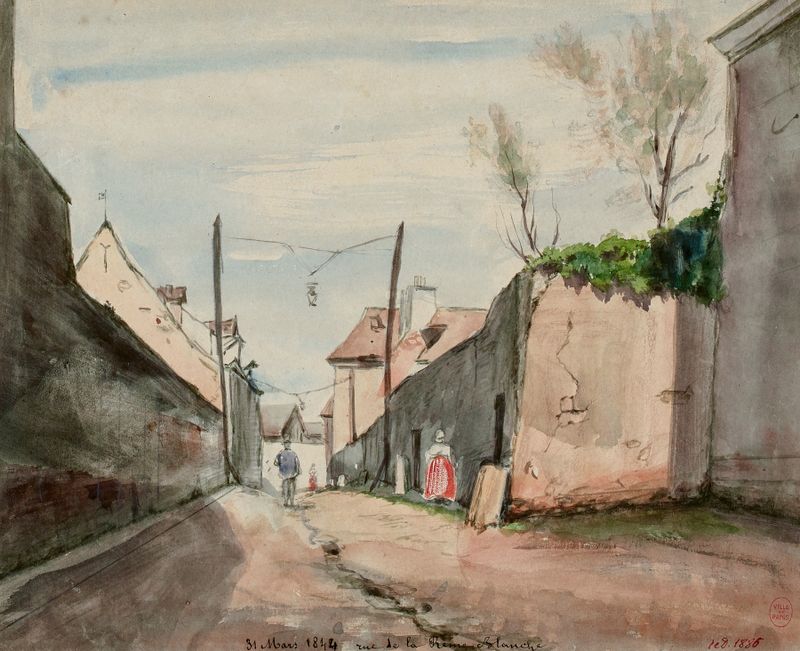
Rue de la Reine Blanche
Henri Jean Baptiste Levis

Pont Neuf et la Cité vue prise devant l’Institut de France
Henri Jean Baptiste Levis
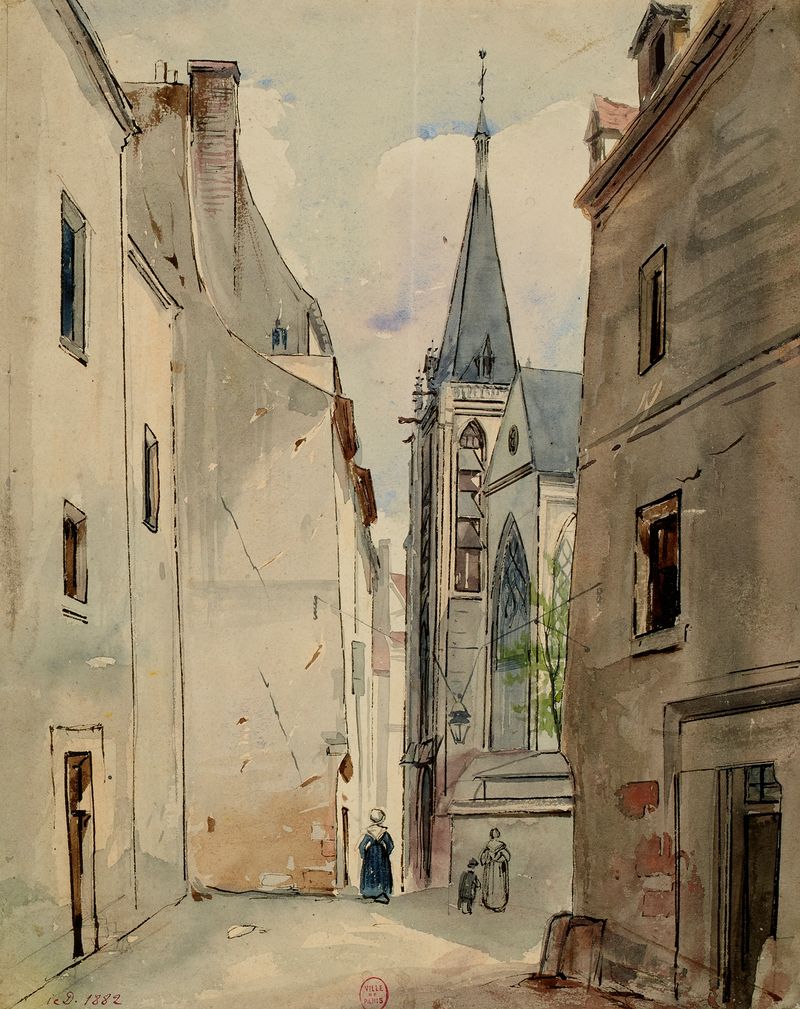
Eglise Saint-Séverin
Henri Jean Baptiste Levis
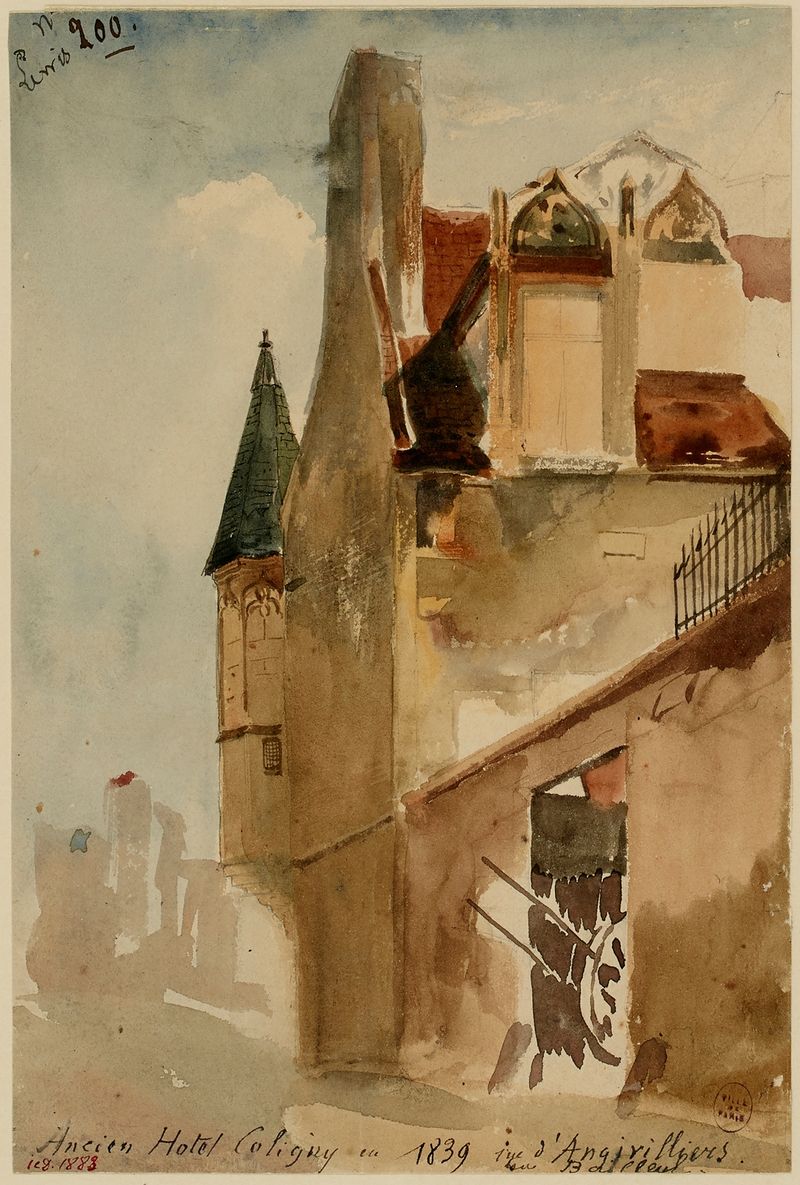
Ancien hôtel Coligny, rue d’Angivilliers en 1839
Henri Jean Baptiste Levis
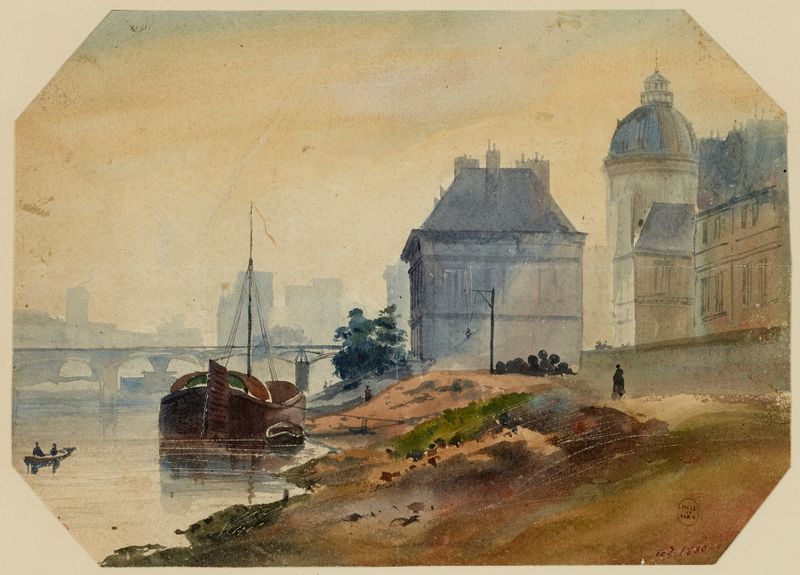
Seine devant l’Institut de France
Henri Jean Baptiste Levis
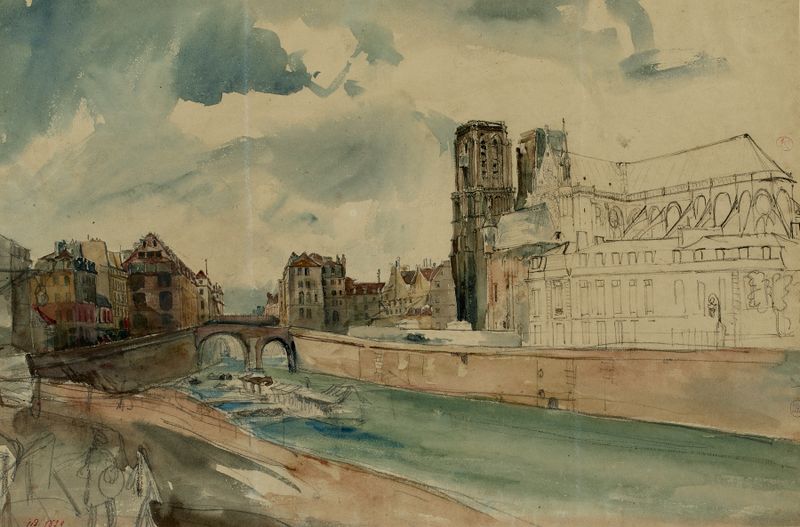
Seine devant l’archevêché et la cathédrale Notre-Dame vers 1840
Henri Jean Baptiste Levis
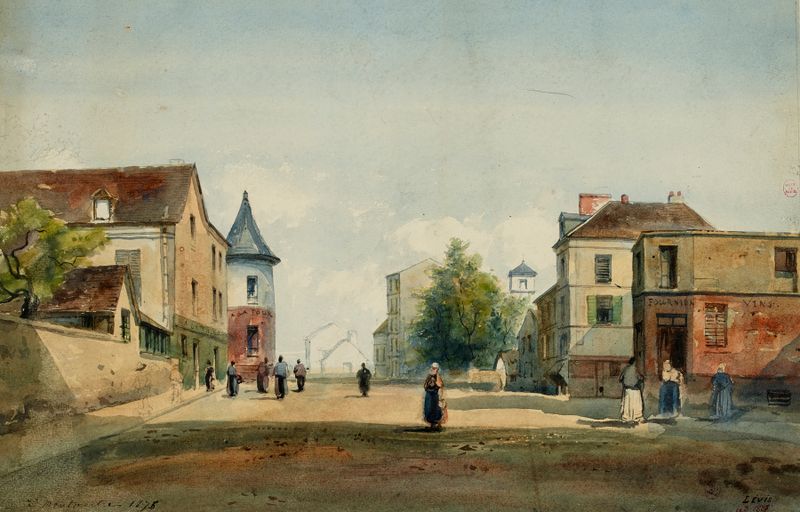
Rue Marcadet et rue du Mont-Cenis en 1876, 18ème arrondissement, Paris
Henri Jean Baptiste Levis
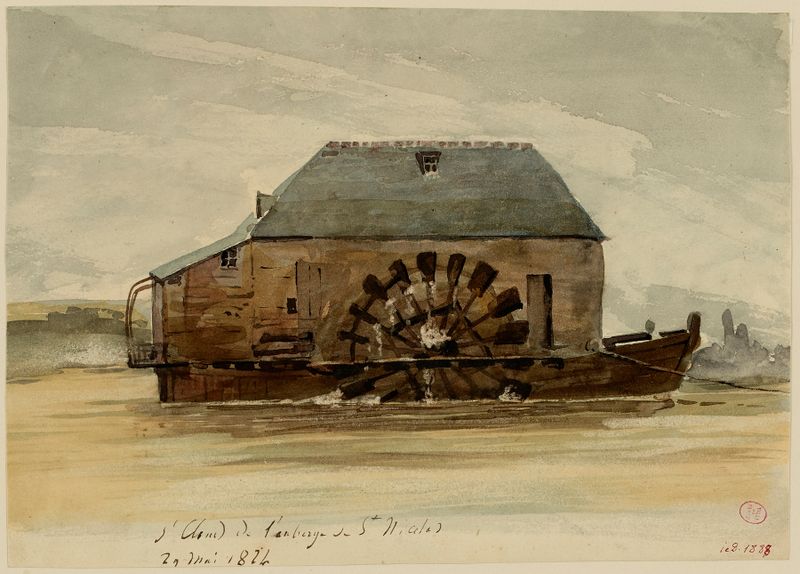
Machine à eau à Saint-Cloud auberge Saint-Nicolas en 1824
Henri Jean Baptiste Levis





