Le port de Marseille — History & Facts
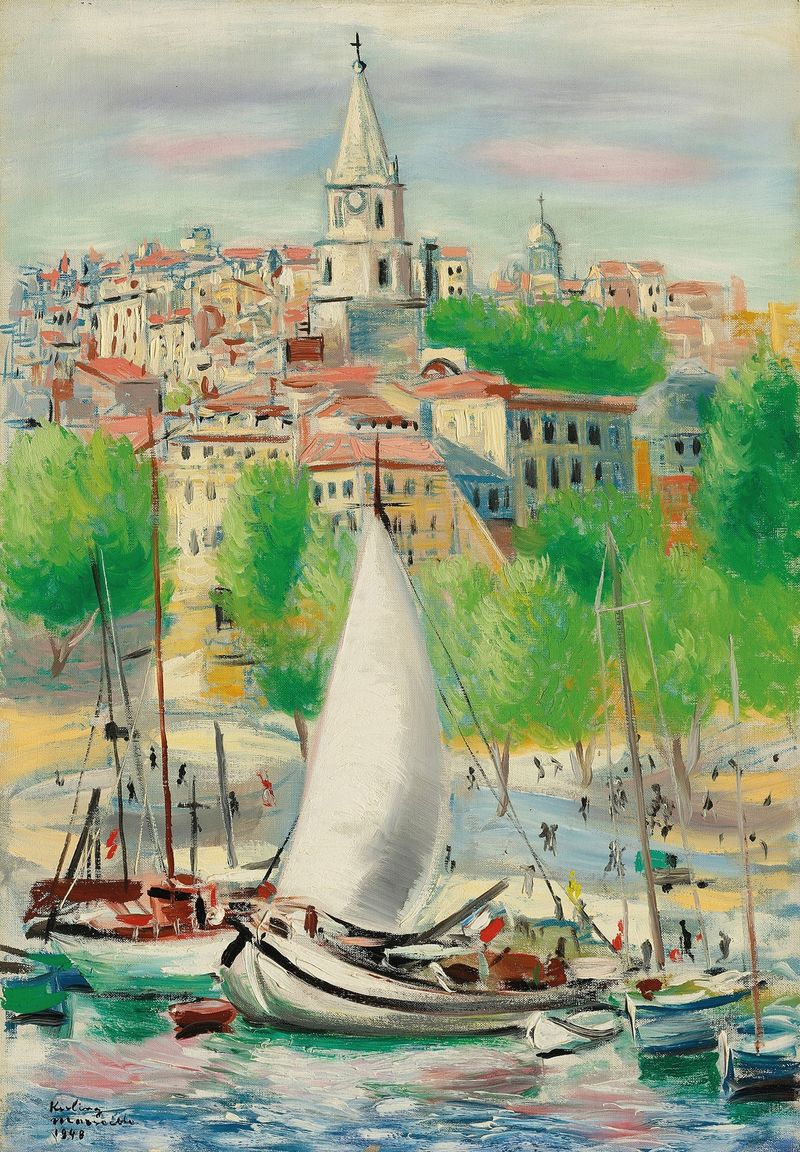
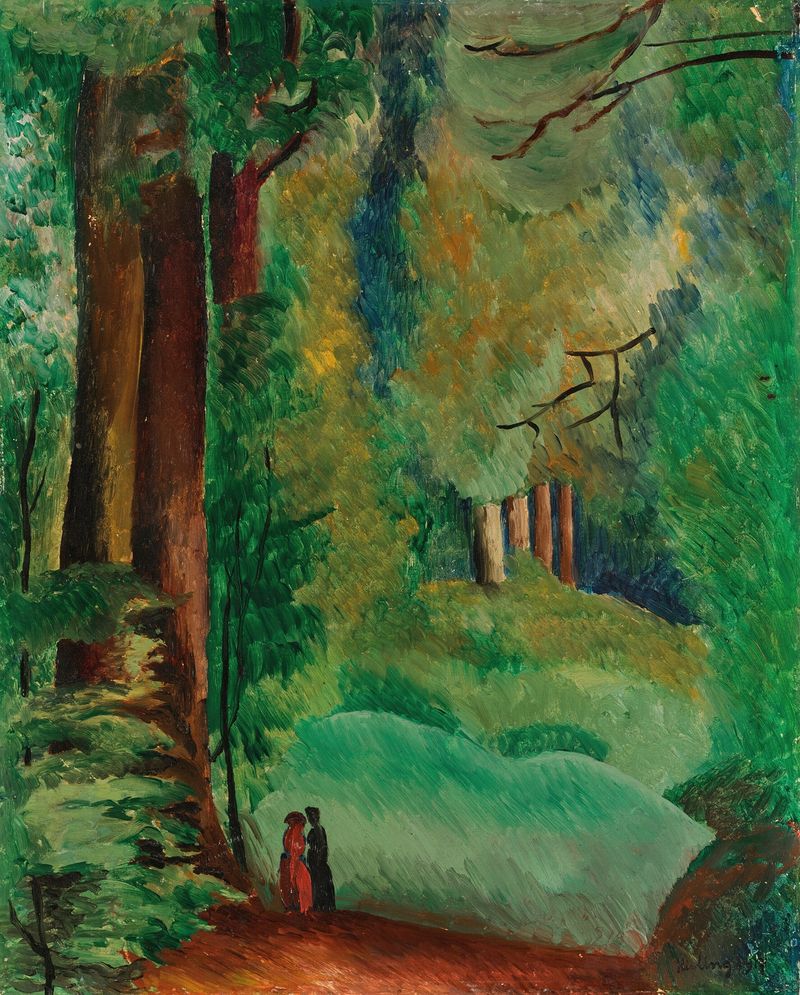
In the stillness of a bustling harbor, a sense of melancholy lingers in the air, as the vibrant colors of life seem to echo a distant past. Look to the vivid blues and greens that dominate the canvas, reflecting the rhythm of the waterway. Notice how the boats, rendered in soft strokes, appear to drift gently, suspended between reality and memory. The architecture of the port stands proud yet seemingly wistful, with its hints of warmth captured through sunlit yellows and oranges.
Each brushstroke evokes the passage of time, inviting the viewer to explore the layers of emotion woven into the scene. Beneath the surface, the juxtaposition of lively activity and an underlying sense of solitude speaks volumes. The figures, though present, seem almost ghostlike, as if they are remnants of stories untold. The contrast between the liveliness of the boats and the stillness of the port captures the tension between vibrancy and nostalgia, highlighting the bittersweet nature of time’s relentless march. In 1938, Moïse Kisling created this piece during a period marked by upheaval and change in Europe.
Living in Paris, he found inspiration in the Mediterranean landscape, reflecting a sense of longing for stability amid the impending turmoil of World War II. This painting, richly imbued with emotion, encapsulates a world caught between the vibrant present and the haunting echoes of history.