
Le port de Sorrente — History & Facts
When did color learn to lie? The allure of the coastal landscape beckons, yet beneath its vibrant facade lies an unsettling truth. Focus on the left side of the canvas, where the cerulean waters ripple with deceptive tranquility. Notice how the sunlight dances upon the waves, creating a shimmering illusion that seduces the eye. The boats, painted in vivid reds and yellows, seem to float effortlessly, yet their reflections are distorted, warping the peaceful scene into something more complex.
The warm hues clash with the cooler tones of the cliffs, creating a tension between serenity and underlying chaos. Delve deeper into the juxtaposition of movement and stillness. While the boats appear lively, they rest on the water's surface, hinting at a deeper stagnation. The cliffs loom ominously in the background, echoing a feeling of entrapment amid the beauty.
This contrast serves as a reminder of the fragility of peace — how easily it can be shattered by reality. Here, illusion whispers to the viewer, inviting contemplation of what lies beneath the surface. In 1912, while painting this work in Sorrento, the artist was grappling with the changes sweeping through the art world. Brokman sought to explore the boundaries of perception and reality, reflecting a broader movement toward modernism.
During this time, artists were increasingly interested in how color could manipulate emotions, and Brokman’s focus on the interplay of light and shadow marked a significant evolution in his style and intention.
More Artworks by Henry Brokman
Browse all →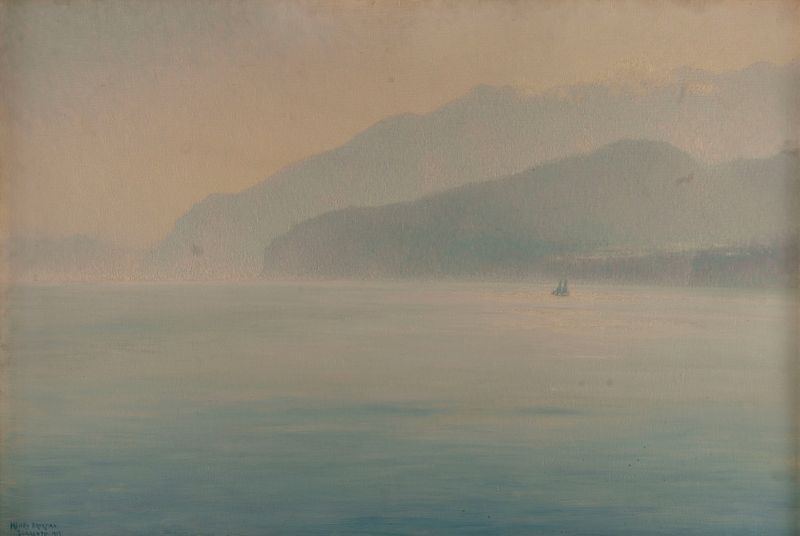
Côte De Sorrente, Bleu Et Argent
Henry Brokman
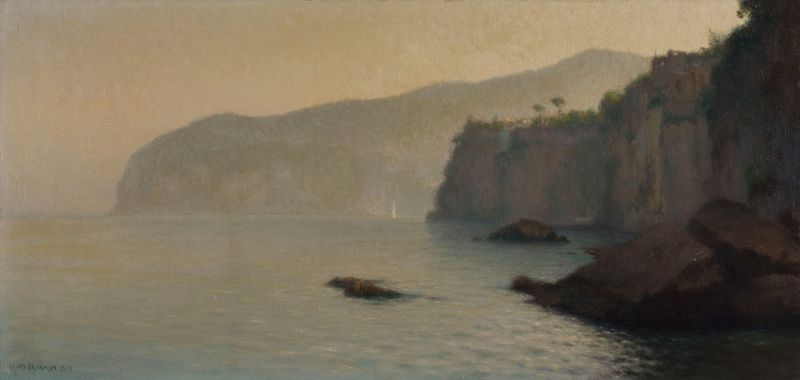
Petite côte de Sorrente (grise)
Henry Brokman
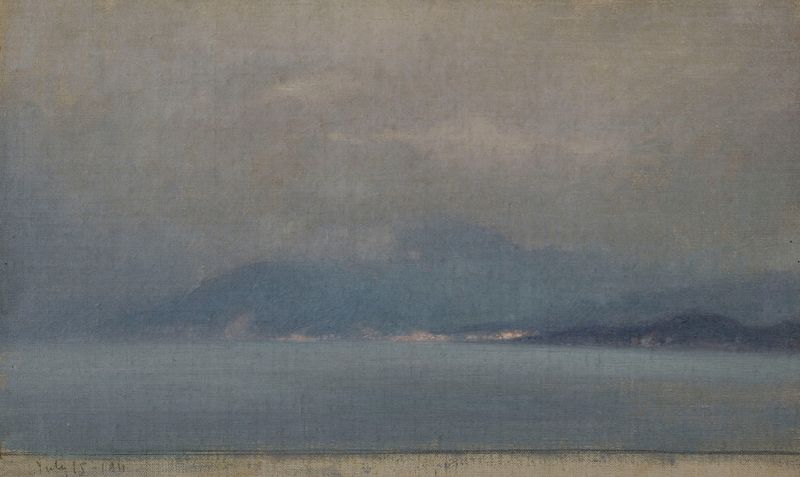
Etude de paysage
Henry Brokman
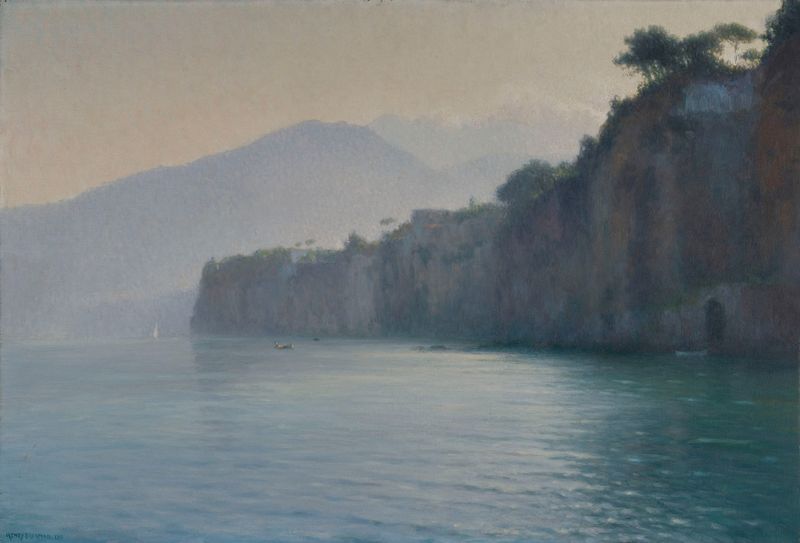
Sorrente, côte argentée
Henry Brokman
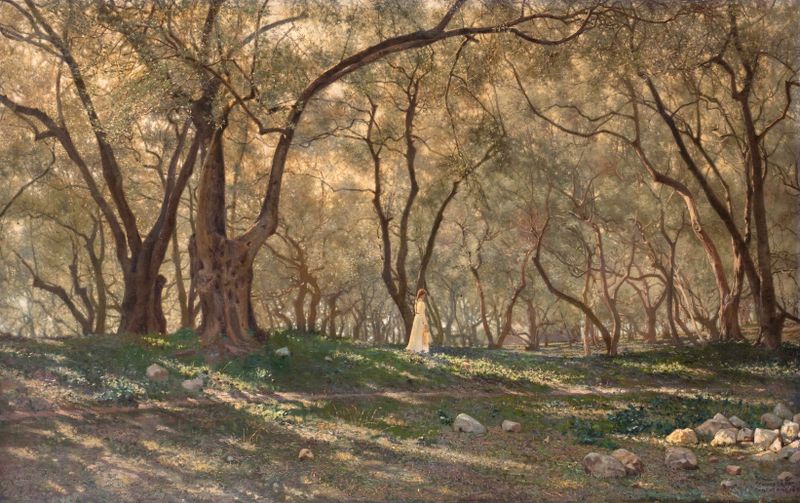
Jeune Fille Sous Les Oliviers – Menton
Henry Brokman
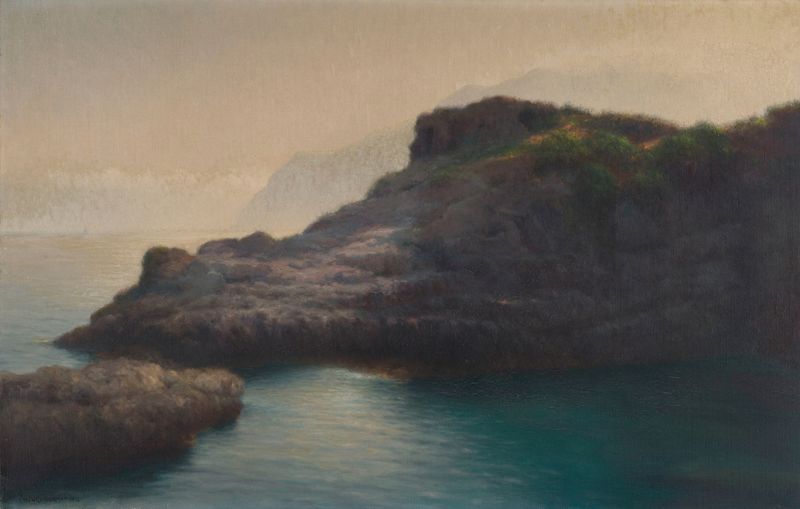
Cap de Sorrente
Henry Brokman
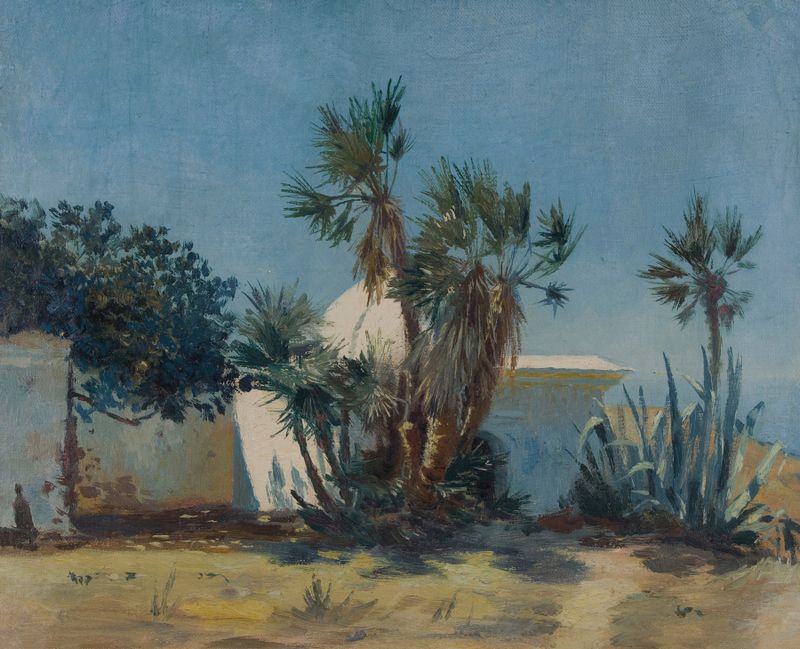
L’Oasis
Henry Brokman
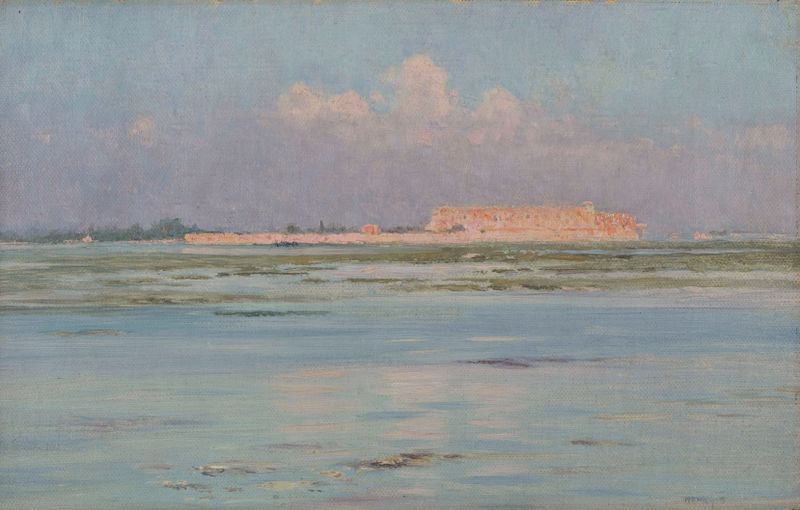
Le Temple De Louxor, Egypte
Henry Brokman
Terrasse De L’hôtel Cocumella
Henry Brokman
Rive du Nil, Egypte
Henry Brokman





