
Le port de Trouville — History & Facts
Can paint confess what words never could? In Le port de Trouville, the unfolding of desire is captured in glistening brush strokes and soft hues, where the sea and sky seem to yearn for one another. Look to the left at the delicate interplay between the boats and the water, their reflections dancing like whispers against the gentle waves. Notice how the light falls upon the sails, illuminating the fabric with a warmth that suggests both promise and longing. The composition draws the eye toward the horizon, where clouds blend seamlessly into the blue, creating a sense of infinite possibility. Amidst the bustling port, there's a juxtaposition of stillness and movement that speaks to the human experience of yearning for connection.
The figures, though small against the vastness of the landscape, are deeply engaged in their activities, epitomizing a longing for something just out of reach—be it a destination, a loved one, or a fleeting moment of peace. The palette of earthy tones and soft pastels heightens this emotional tension, inviting viewers to reflect on their own desires and aspirations. Eugène Boudin painted Le port de Trouville in 1894 during a period of artistic exploration, at a time when Impressionism was gaining traction in France. Living in Normandy, he was deeply influenced by the coastal scenery and the changing light, which became hallmarks of his work.
This piece reflects not only his mastery of capturing the ephemeral beauty of the moment but also the broader cultural shift towards embracing the ordinary and the transient in art.
More Artworks by Eugène Boudin
Browse all →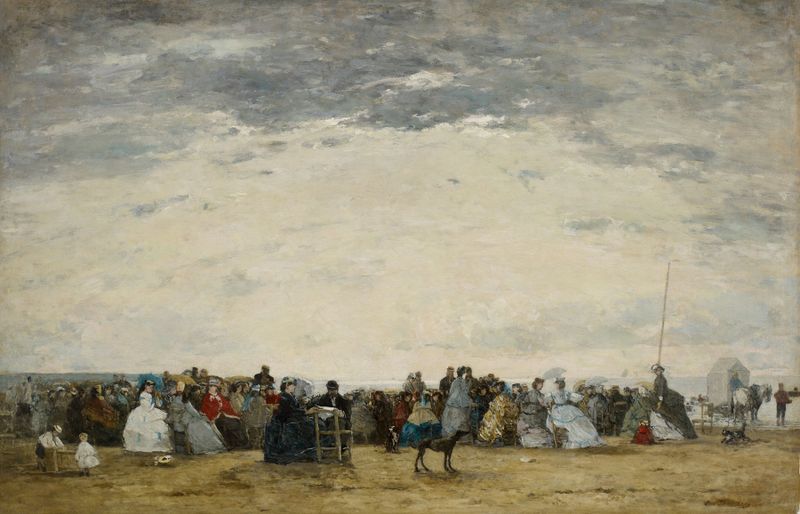
Vacationers on the Beach at Trouville
Eugène Boudin

Washerwoman near Trouville
Eugène Boudin
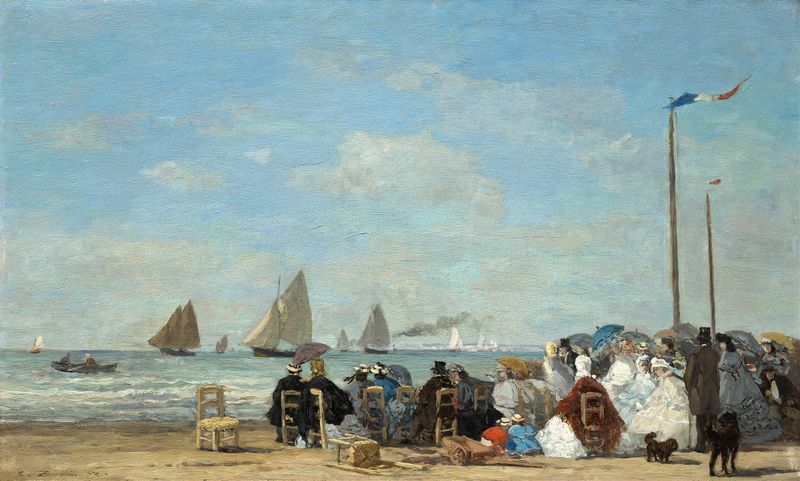
Beach Scene at Trouville
Eugène Boudin

Port aux environs d’Honfleur
Eugène Boudin

Le Faou, un coin du village
Eugène Boudin
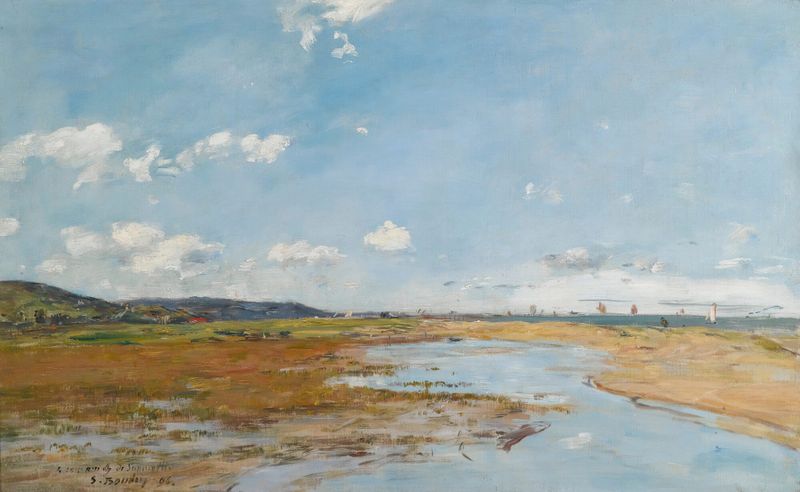
Deauville. Le Rivage
Eugène Boudin
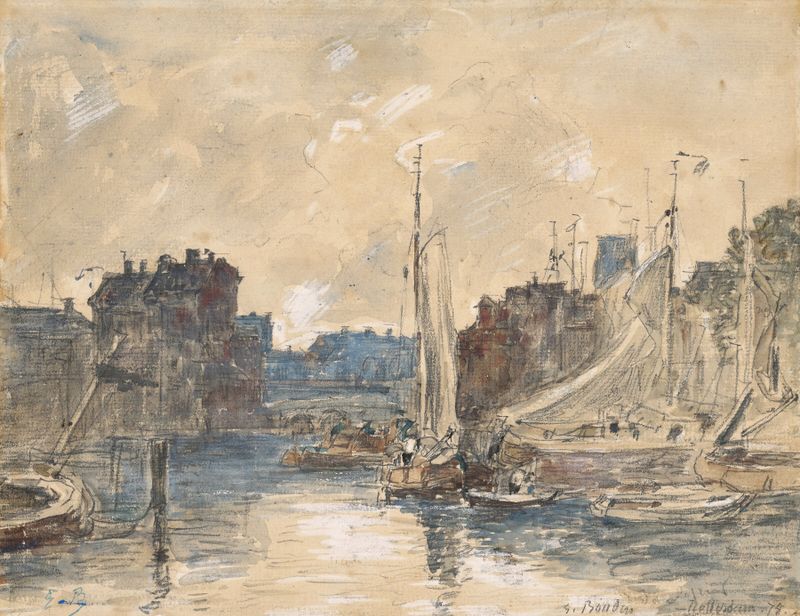
Port de Rotterdam
Eugène Boudin

View of Bordeaux, from the Quai des Chartrons
Eugène Boudin

Trouville, Scène De Plage
Eugène Boudin

Trouville, Le Port
Eugène Boudin





