Le potager — History & Facts
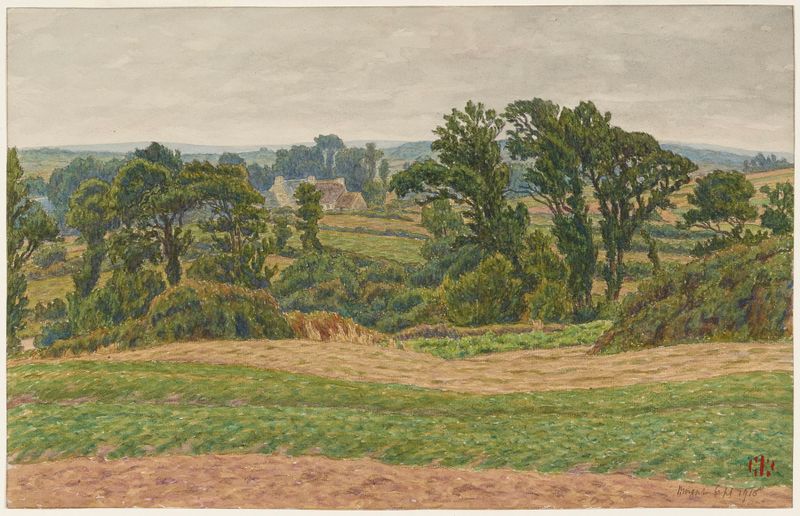
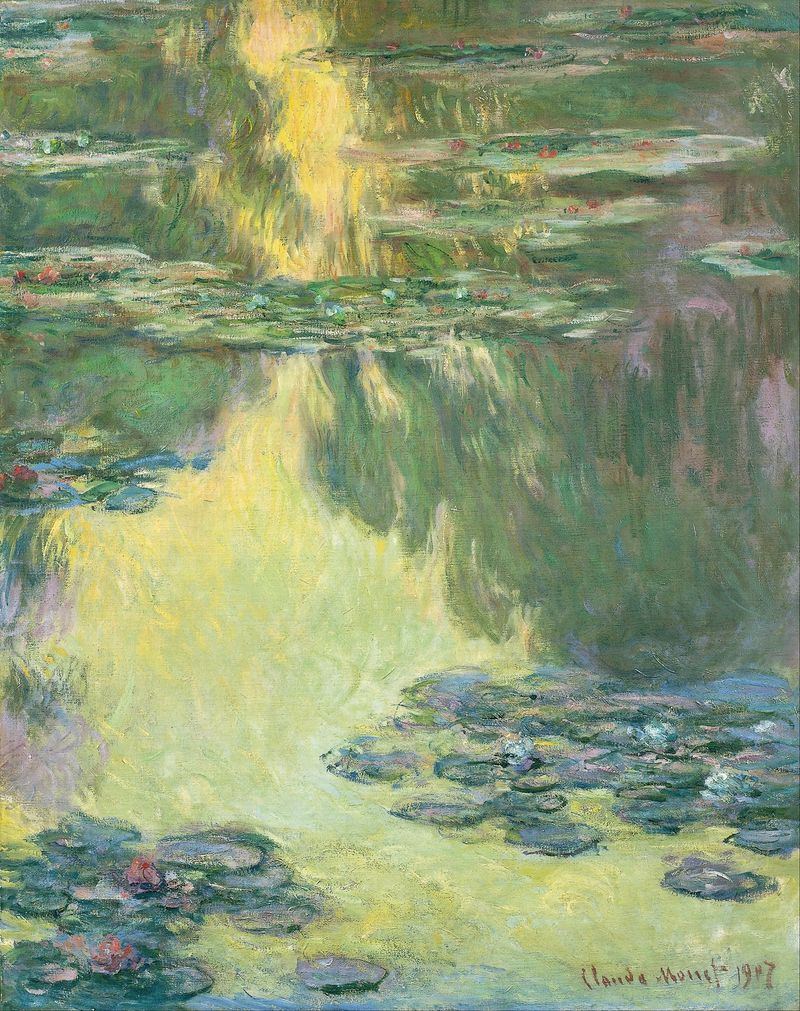
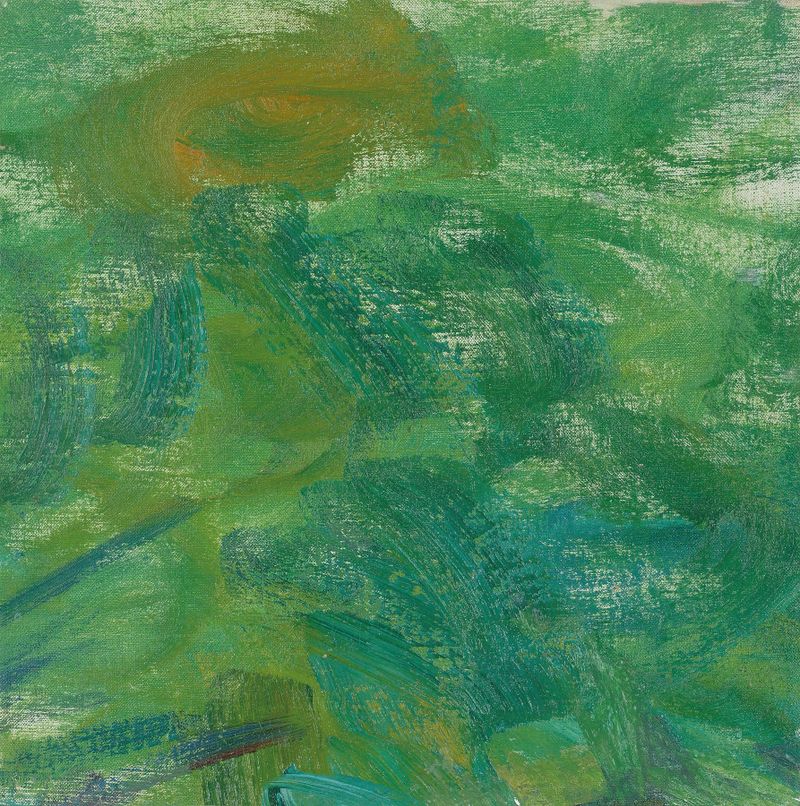
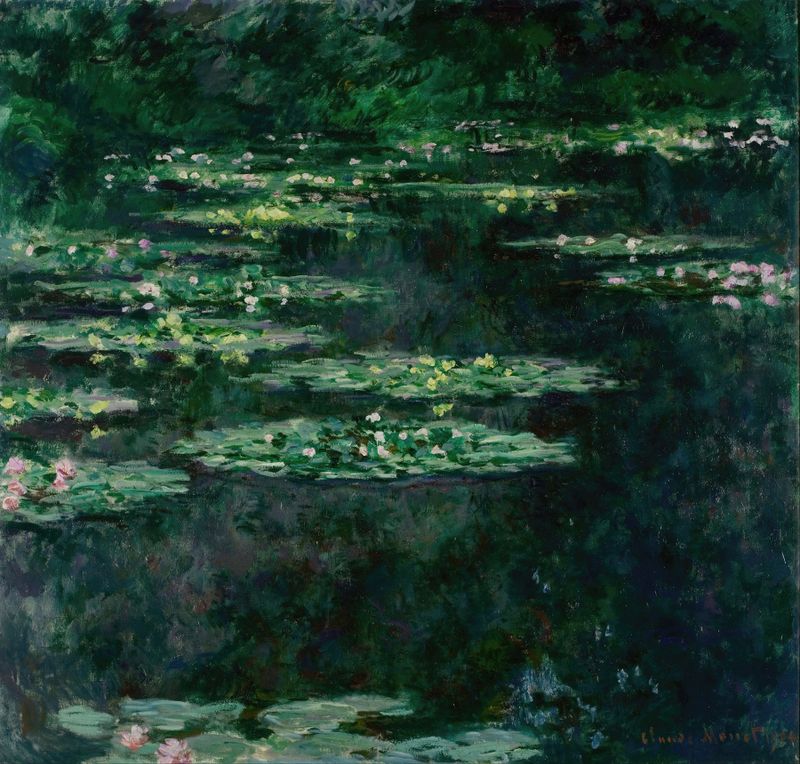
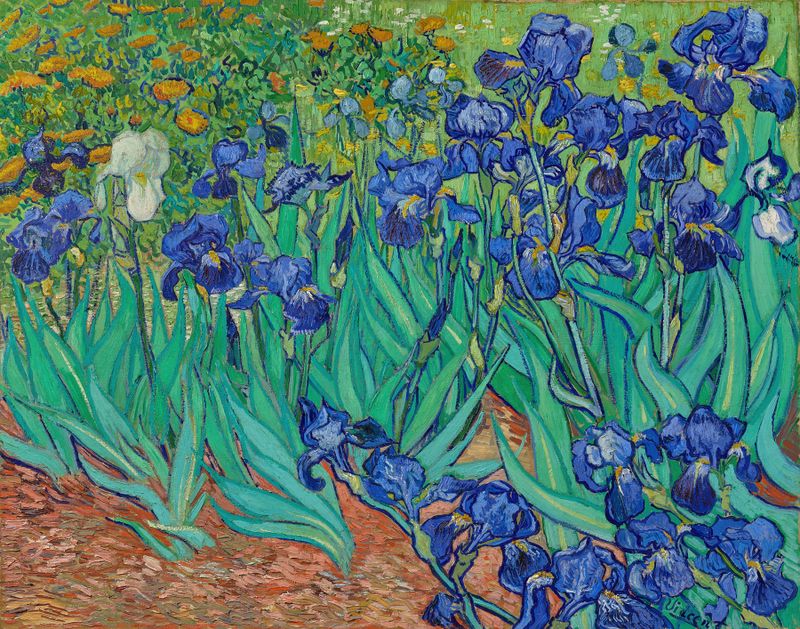
In memory’s garden, the past blooms with vivid hues, each stroke whispering secrets of a moment long gone. What do we choose to remember, and what fades like the light at dusk? Look to the rich tapestry of greens that envelops the canvas, grounding it with a sense of tranquil abundance. The soft, dappled light filters through the leaves, inviting the viewer to explore the interplay of shadow and sun.
Notice how the palette dances between vibrant greens and muted earth tones, creating a harmonious balance—an invitation to linger as the eye traces the contours of the vegetables nestled within their earthen beds. Delve deeper, and you'll discover the poignant sense of nostalgia woven throughout the composition. The careful placement of each vegetable mirrors the delicate nature of memory, where some moments are lush and vivid, while others remain obscured in shadow. The contrast between the vibrant life of the garden and the stillness that envelops it reveals the tension between presence and absence, inviting us to ponder what memories we cultivate. Henri Rivière created Le potager during a time when the world was shifting in the late 19th century, embracing both Impressionism and the emerging Symbolist movement.
Working in France, he was deeply influenced by the relationship between nature and human emotion, reflecting the complexities of life through his art. This period was marked by an exploration of personal expression and the subtleties of the natural world, embodying a transformation that Rivière was eager to capture.