
Le Puy — History & Facts
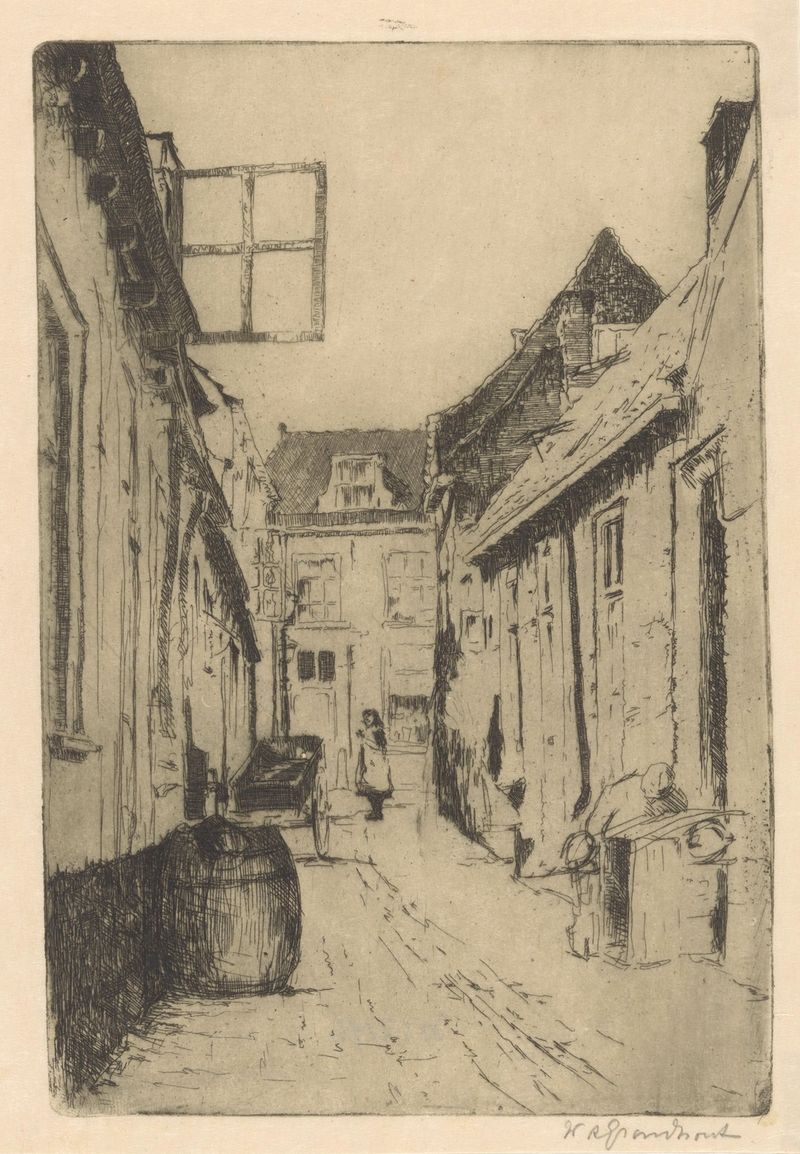
In the delicate interplay of light and shadow, Grondhout invites us to awaken to the deeper truths that lie beneath the surface. Le Puy encapsulates a moment of transcendence, where the ordinary mingles with the poetic, urging the observer to look closer. Focus on the fluid lines that sweep across the canvas, guiding your gaze through a landscape rich in texture and nuance. Notice the warm, golden hues that dominate the upper section, seemingly illuminating the scene, while the cooler shades below create a contrast that grounds the composition.
Each stroke reveals a meticulous attention to detail, and the soft blending of colors evokes a feeling of serenity, hinting at the hidden complexities of the subject matter. In this work, the juxtaposition of vibrant colors against the muted earth tones suggests an emotional tension that invites introspection. The subtle variations in light reflect the duality of joy and sorrow, revealing how the beauty of the scene is tinged with deeper sentiments. As you observe, consider how the elements coalesce to depict not merely a place but an awakening—a profound realization of life’s transient nature. Created between 1888 and 1934, this piece emerges from a period in which Grondhout sought to navigate the modern world through his art.
Living in a time of significant change, both personally and artistically, he channeled his experiences into his work, influencing and reflecting the evolving landscape of Dutch painting. Le Puy stands as a testament to his search for meaning amidst the complexities of existence.
More Artworks by Willem Adrianus Grondhout
Browse all →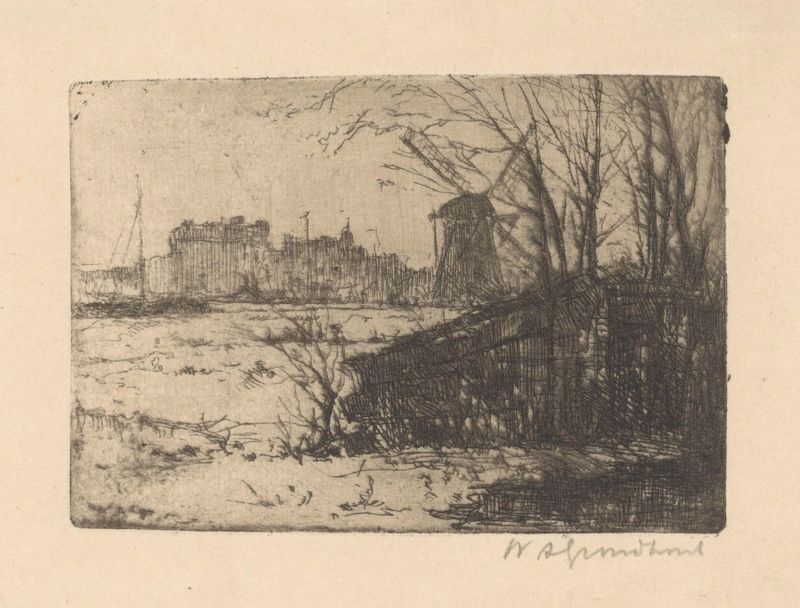
Landschap met molen in de Binckhorst in Den Haag
Willem Adrianus Grondhout
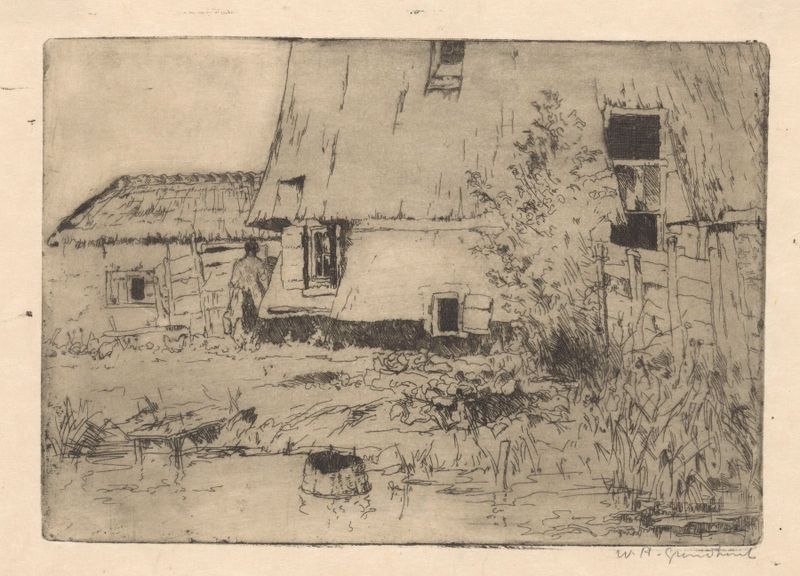
Voet van een molen in Voorburg
Willem Adrianus Grondhout
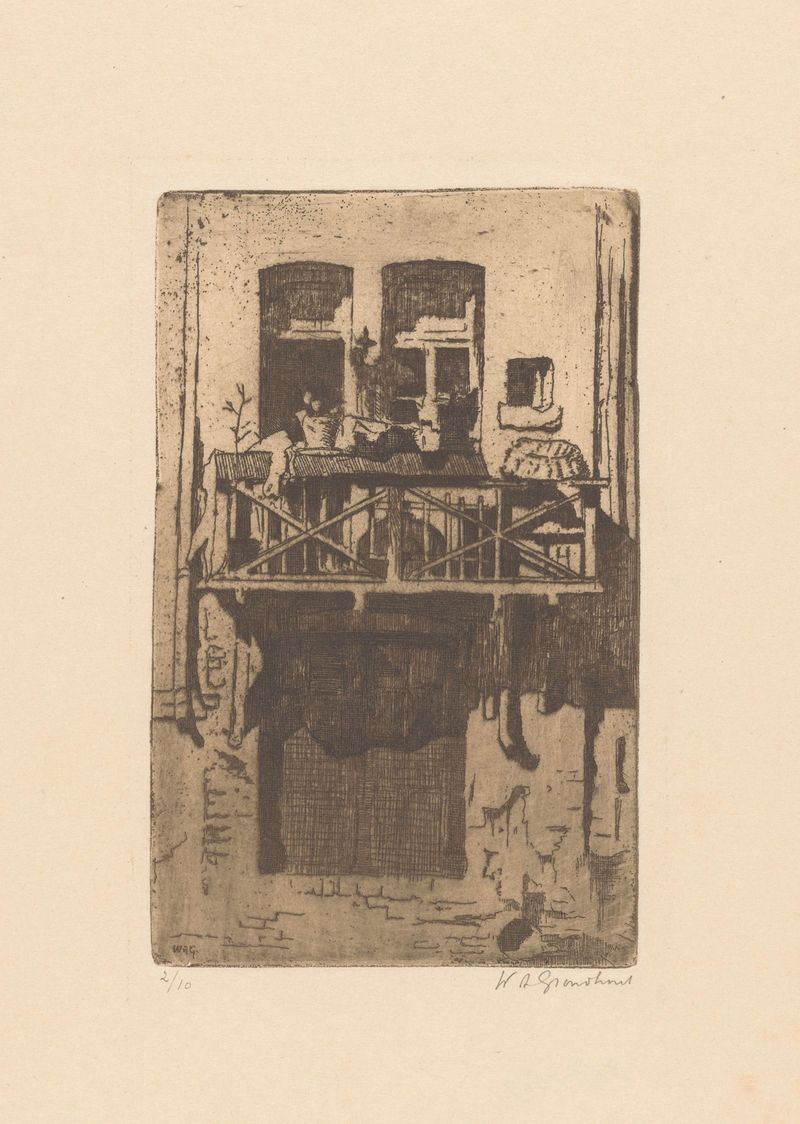
Balkon van een huis aan de Oudezijds Kolk in Amsterdam
Willem Adrianus Grondhout
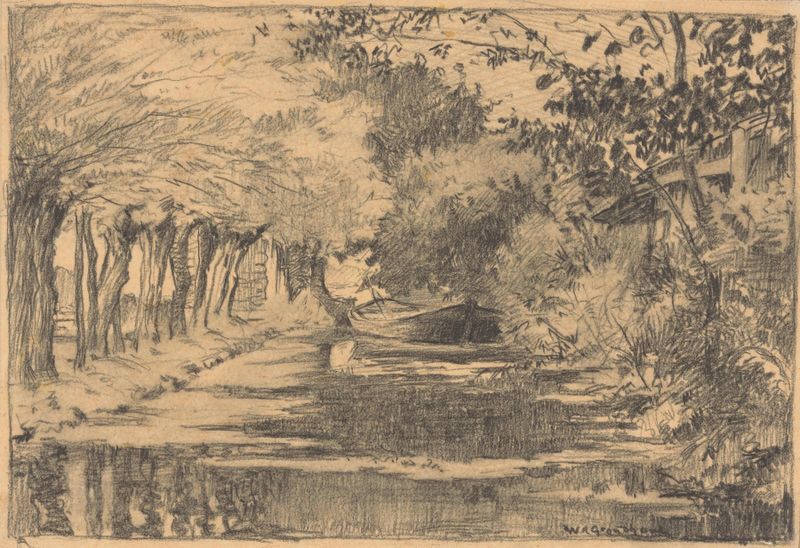
Broeksloot bij Voorburg
Willem Adrianus Grondhout
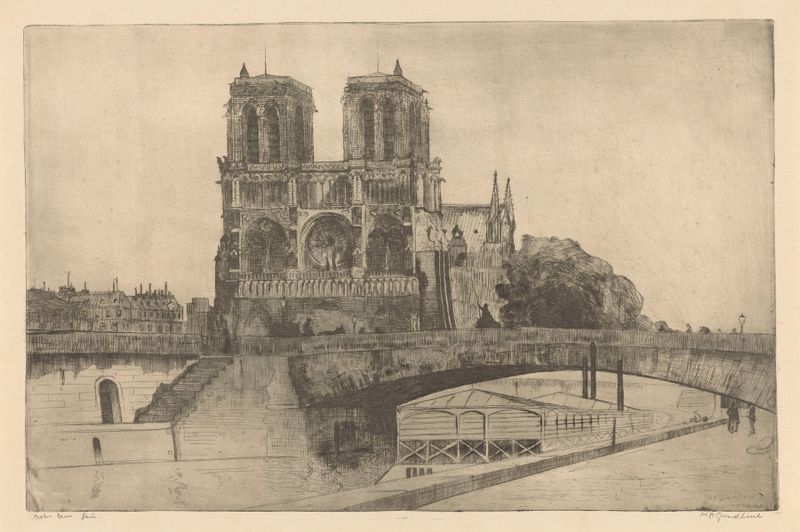
Notre-Dame, Paris
Willem Adrianus Grondhout
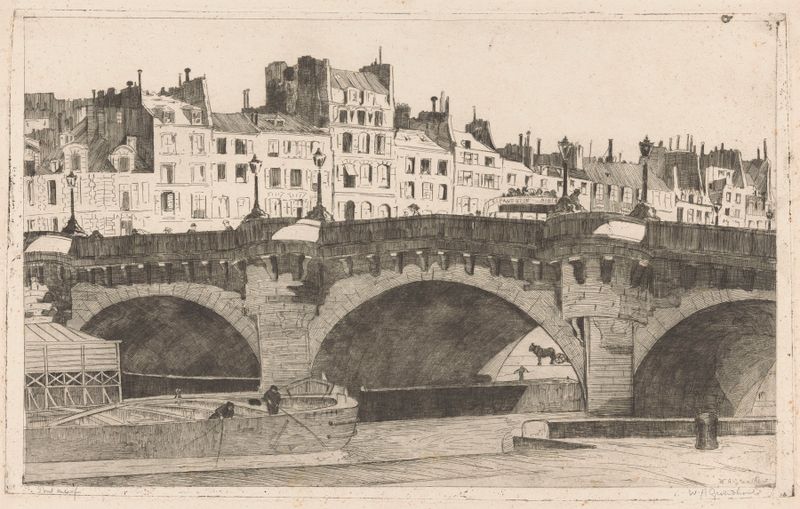
Pont Neuf
Willem Adrianus Grondhout
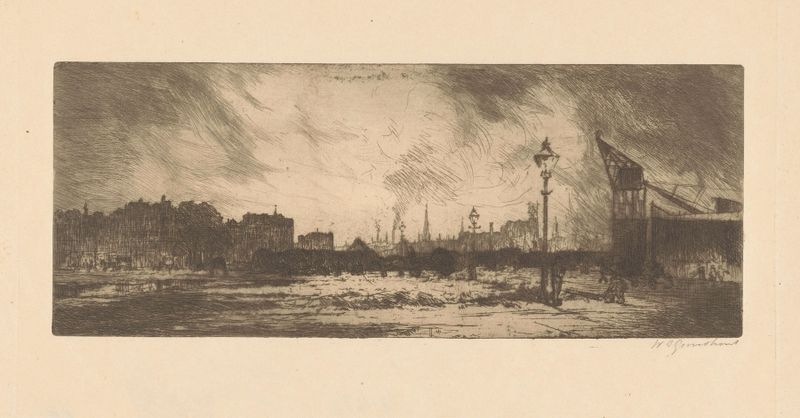
Havenkade met lantaarnpalen in Rotterdam
Willem Adrianus Grondhout
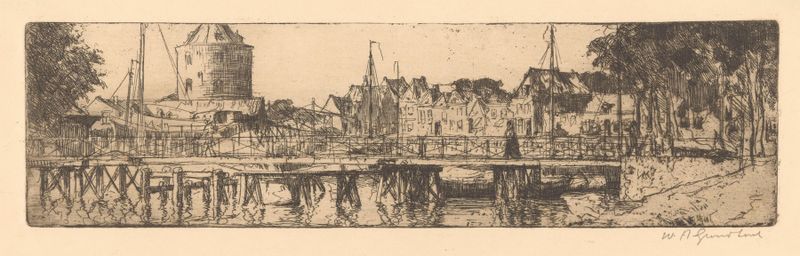
Enkhuizen
Willem Adrianus Grondhout
Straatje in Voorburg.
Willem Adrianus Grondhout
Delft
Willem Adrianus Grondhout





