
Le Quai aux fleurs — History & Facts
Can beauty exist without sorrow? In Le Quai aux fleurs, an enchanting juxtaposition unfolds, where vibrant blooms flourish against a backdrop of longing and nostalgia. Look to the left at the cascade of flowers, their colors bursting with life — vivid reds and yellows intertwining, framed by the muted tones of an overcast sky. The composition draws the eye down the quai, where a soft diagonal line leads to the distant horizon, suggesting an unseen journey beyond the frame. Light dances delicately across the petals, while shadows linger, hinting at the transient nature of beauty and the passage of time. Delve deeper into the subtle textures and strokes that hint at a world woven with emotional threads.
The meticulously painted flowers may symbolize fleeting moments of joy amidst an underlying current of melancholy. Notice the solitary figure in the background, almost lost among the vibrant flora; their presence evokes a profound sense of yearning, as though they are searching for a connection that remains just out of reach. This delicate balance between exuberance and solitude encapsulates the essence of human experience. Stanislas Lépine created this work between 1844 and 1888 in France during a period of artistic transformation, where Romanticism gradually gave way to Impressionism.
Lépine was known for his ability to capture the interplay of light and color, and as he painted, he was part of an artistic milieu rich with innovation and exploration. This piece embodies both the beauty and transience of life, reflecting the artist's own encounters with loss and desire amid the evolving world around him.
More Artworks by Stanislas Lépine
Browse all →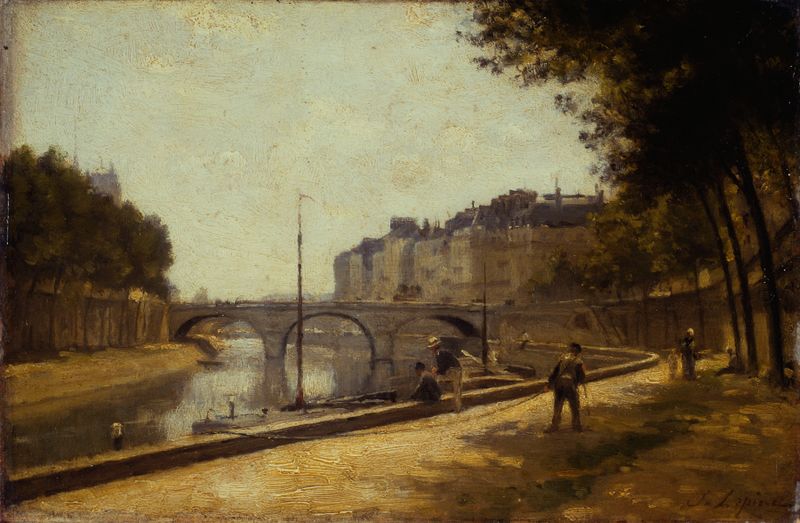
Le pont Saint-Michel
Stanislas Lépine
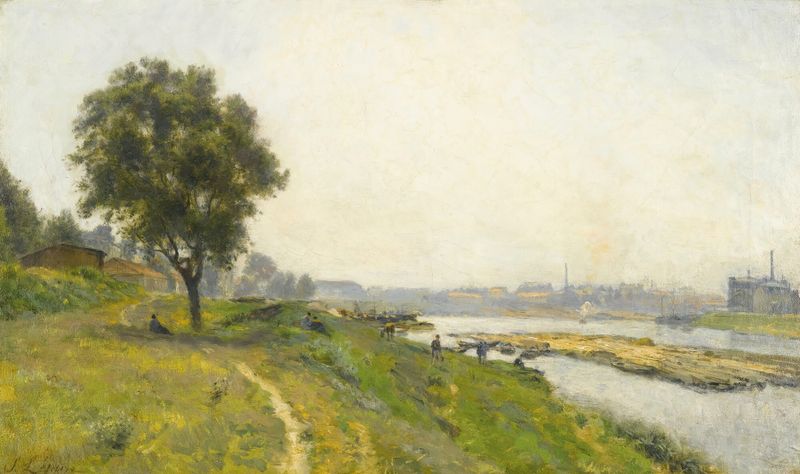
Ivry-Sur-Seine. Le Confluent Avec La Marne
Stanislas Lépine

View on the Seine, Paris
Stanislas Lépine
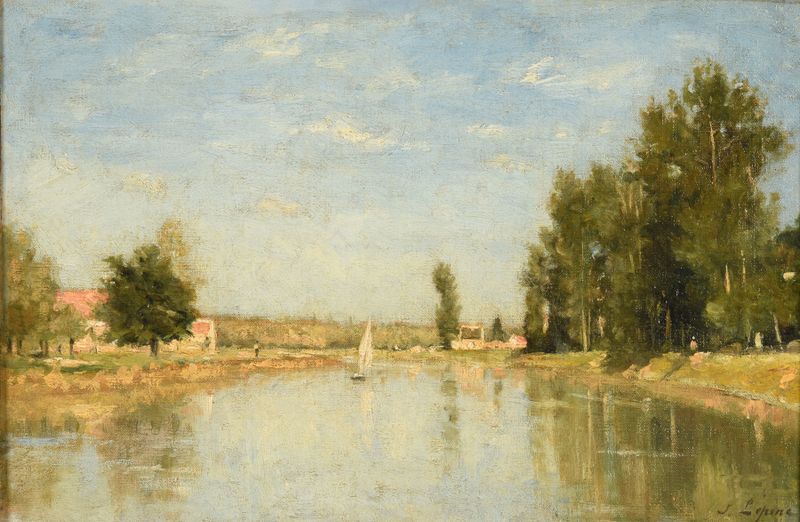
Les Bords de la Marne
Stanislas Lépine

L’île de la Cité et l’île Saint-Louis, vues du pont d’Austerlitz
Stanislas Lépine
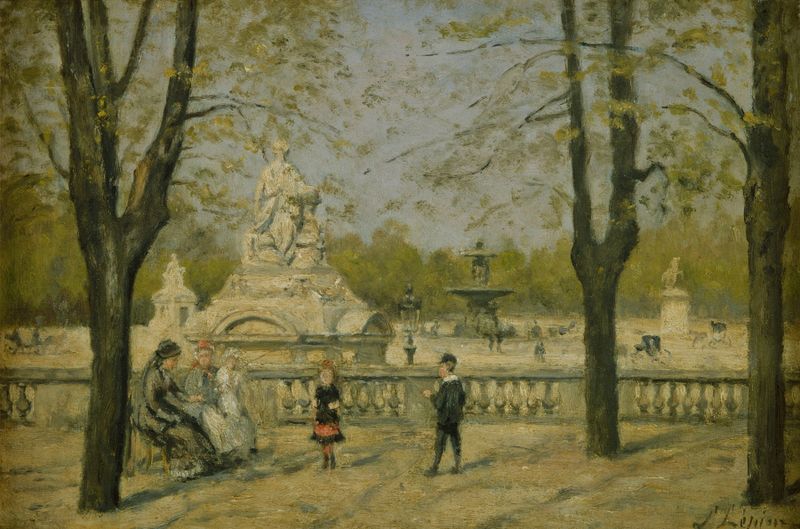
La place de la Concorde, vue de la terrasse des Tuileries
Stanislas Lépine
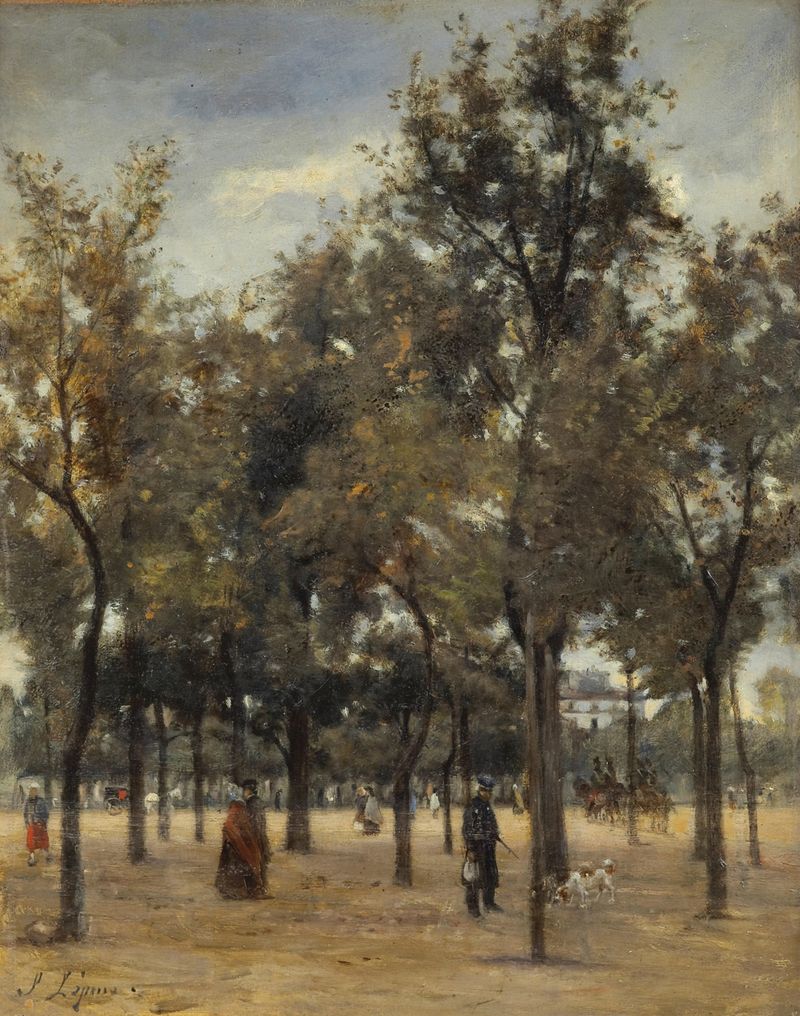
L’esplanade des Invalides
Stanislas Lépine
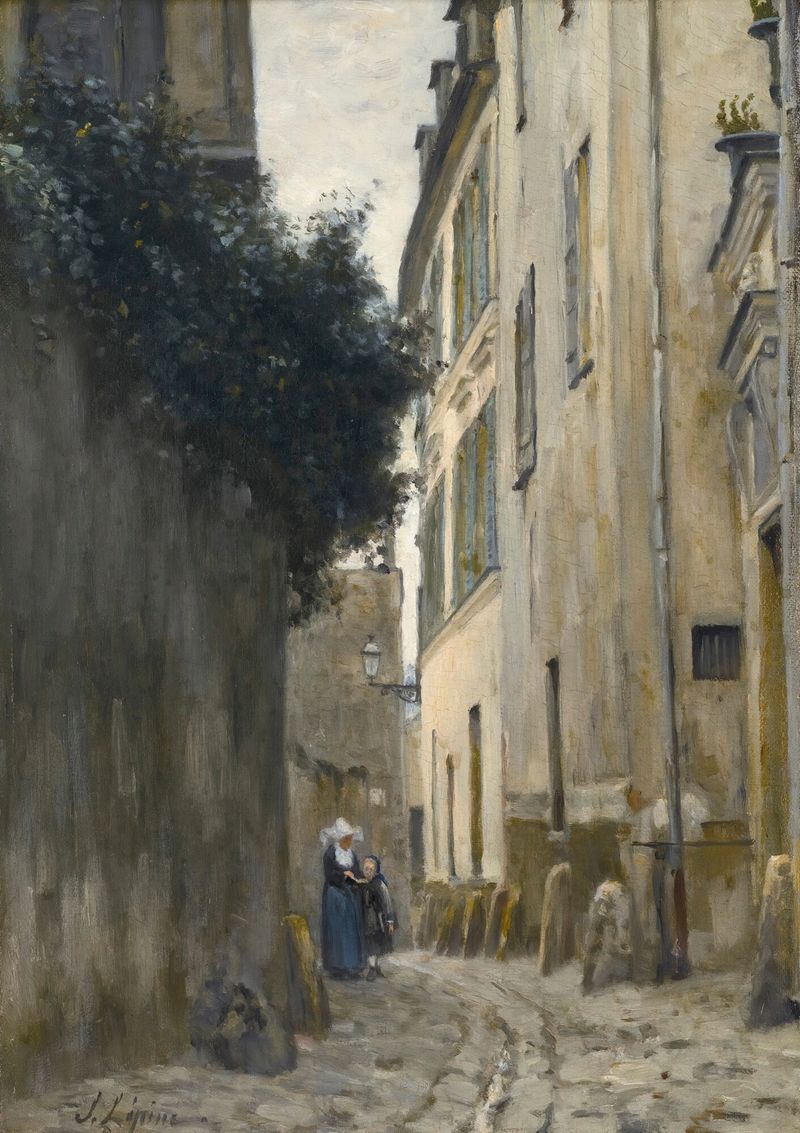
Montmartre. La Rue Saint-Vincent
Stanislas Lépine

Le Bassin de la Villette en hiver
Stanislas Lépine
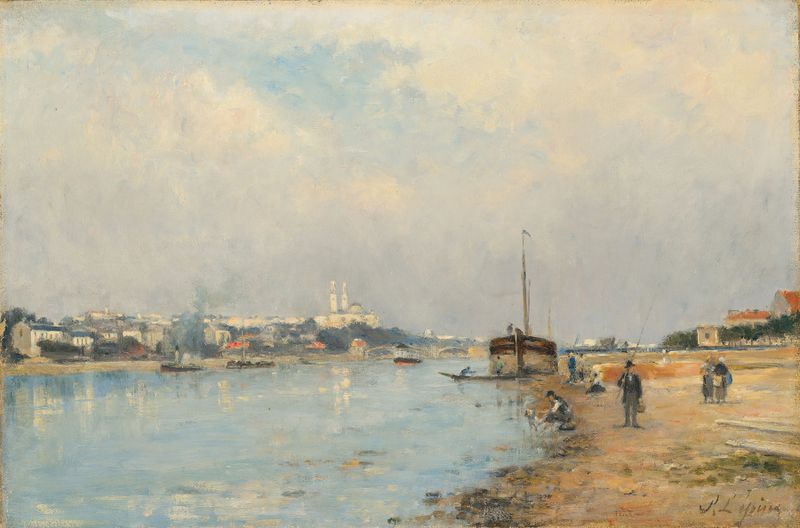
La Seine. Le Trocadéro et le pont de Grenelle, vus du quai de Javel
Stanislas Lépine





