
Le Rémouleur — History & Facts
In Le Rémouleur, Maximilien Luce depicts a scene filled with vibrant colors and dynamic figures. The painting shows a knife sharpener at work, surrounded by tools and materials of his trade. The use of bright yellows and deep blues creates a lively atmosphere, emphasizing the activity and movement within the scene.
The background features a blurred urban landscape, suggesting a bustling environment. This artwork is created using oil on canvas, a common medium for the Post-Impressionist movement. The brushwork is loose and expressive, characteristic of Luce's style, which captures the essence of the moment rather than focusing on fine details. The dimensions are approximately 60 x 80 cm, making it a medium-sized painting that draws viewers in.
The composition is balanced, with the figure of the sharpener taking center stage. Le Rémouleur was painted during the late 19th century, a period when Luce was influenced by the Impressionist movement and the working-class themes prevalent in Paris. Luce was not only a painter but also a member of the French socialist movement, which is reflected in his choice of subjects. This work stands out as a representation of everyday life, capturing the dignity of labor.
Interestingly, Luce often painted scenes of workers, emphasizing their importance in society.
More Artworks by Maximilien Luce

Le Quai Montebello Et La Colline Sainte-Geneviève
Maximilien Luce
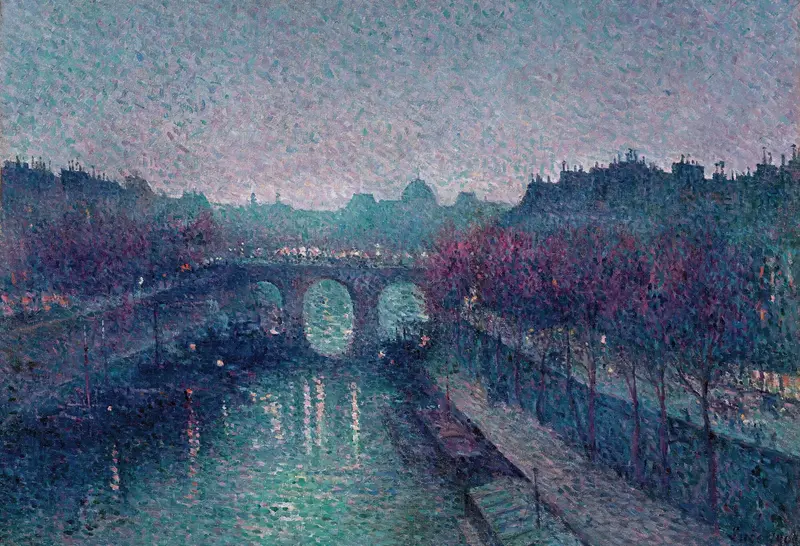
Le Pont-Neuf, La Seine, Petit Bras
Maximilien Luce
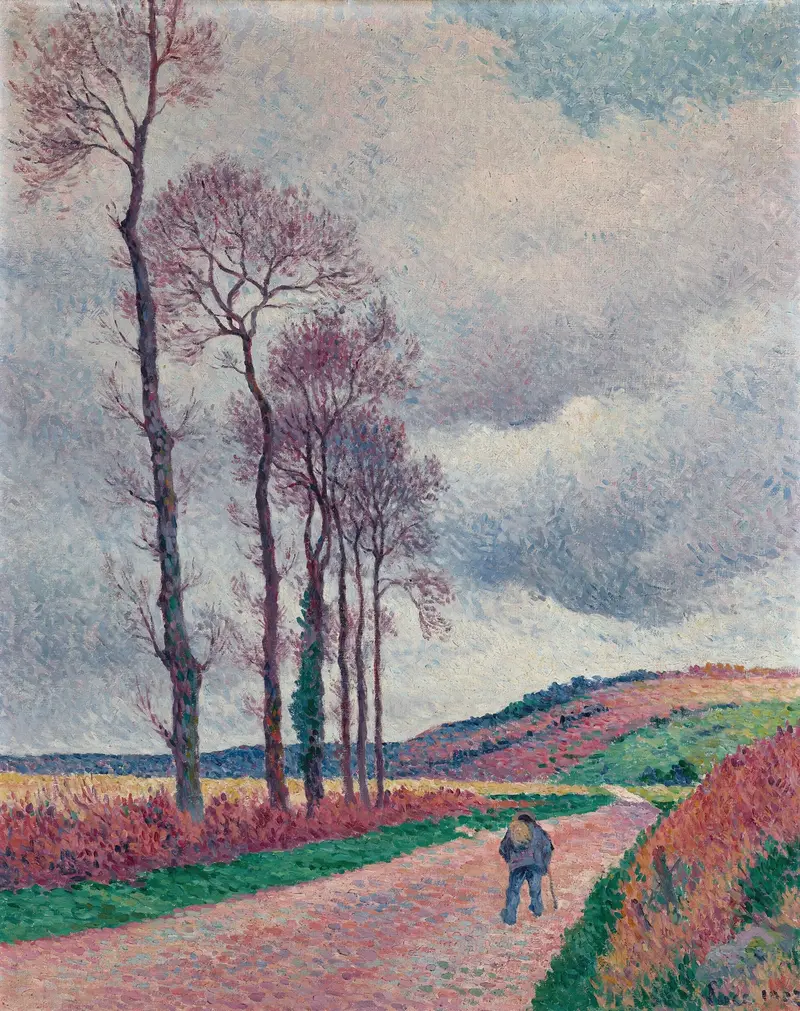
La route aux environs de Méréville
Maximilien Luce
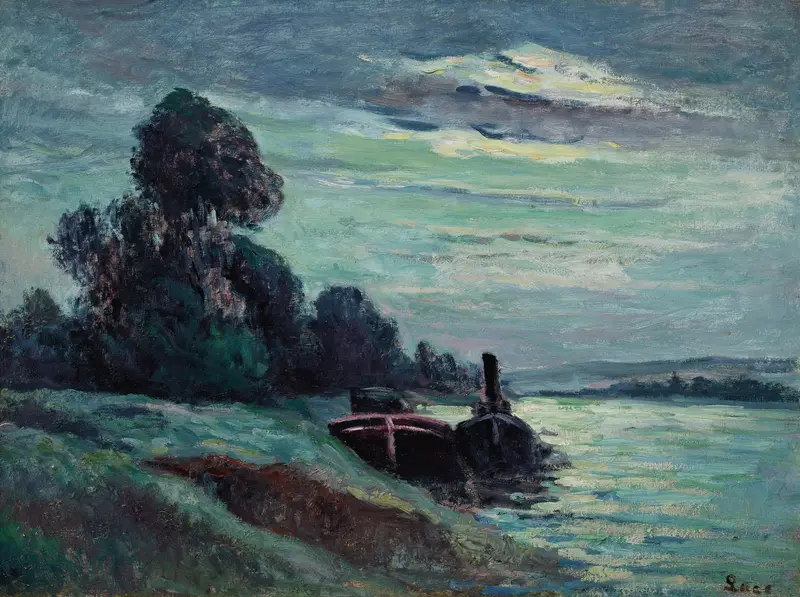
Péniches sur la Seine
Maximilien Luce
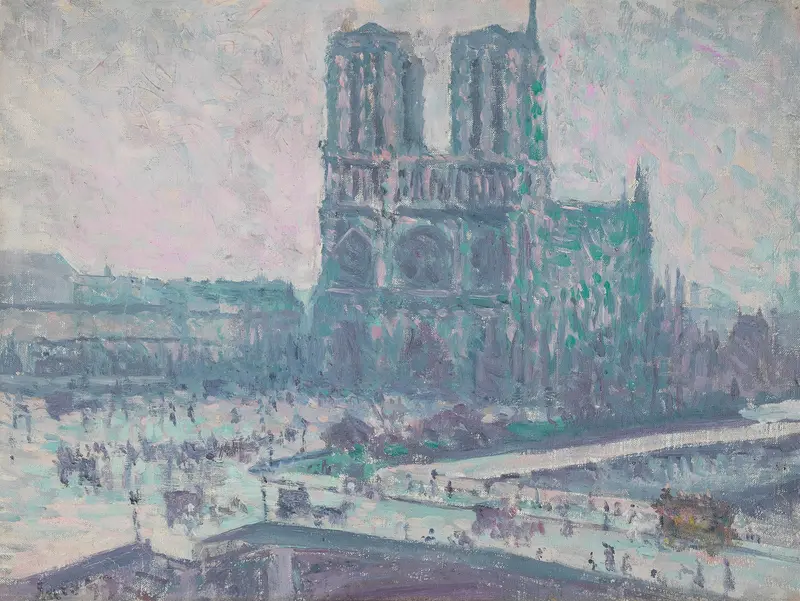
Notre Dame de Paris
Maximilien Luce
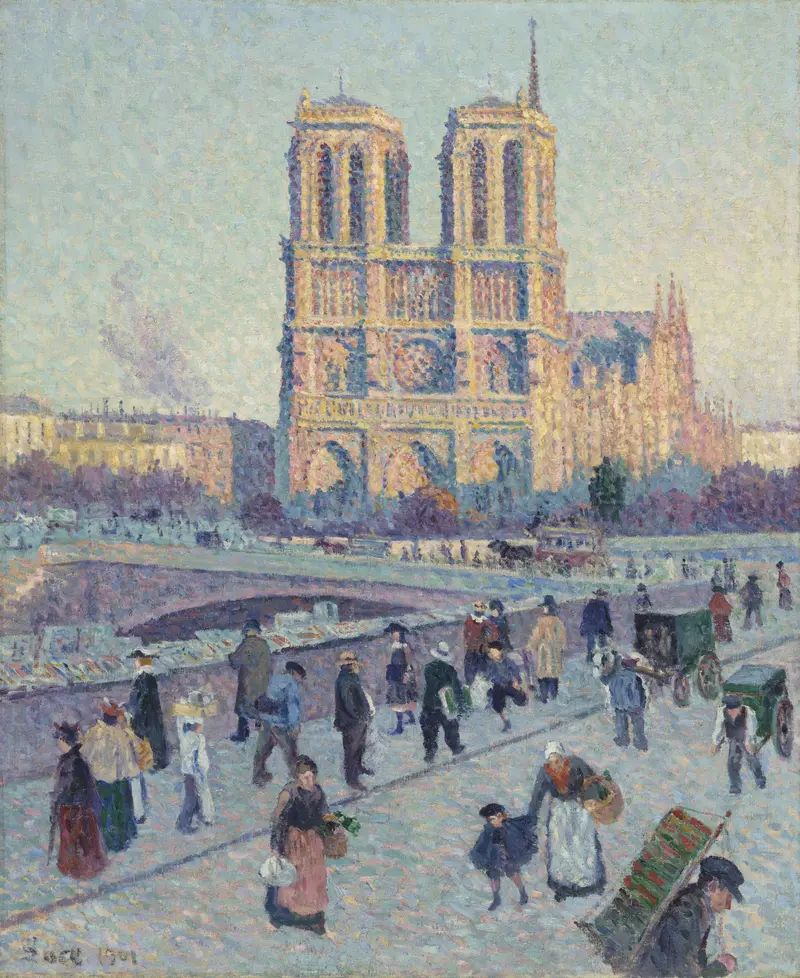
The Quai Saint-Michel and Notre-Dame
Maximilien Luce
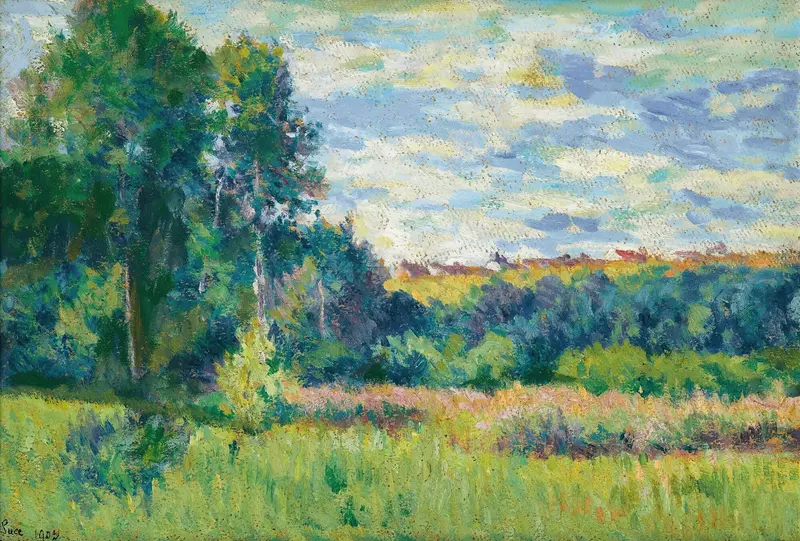
Paysage
Maximilien Luce
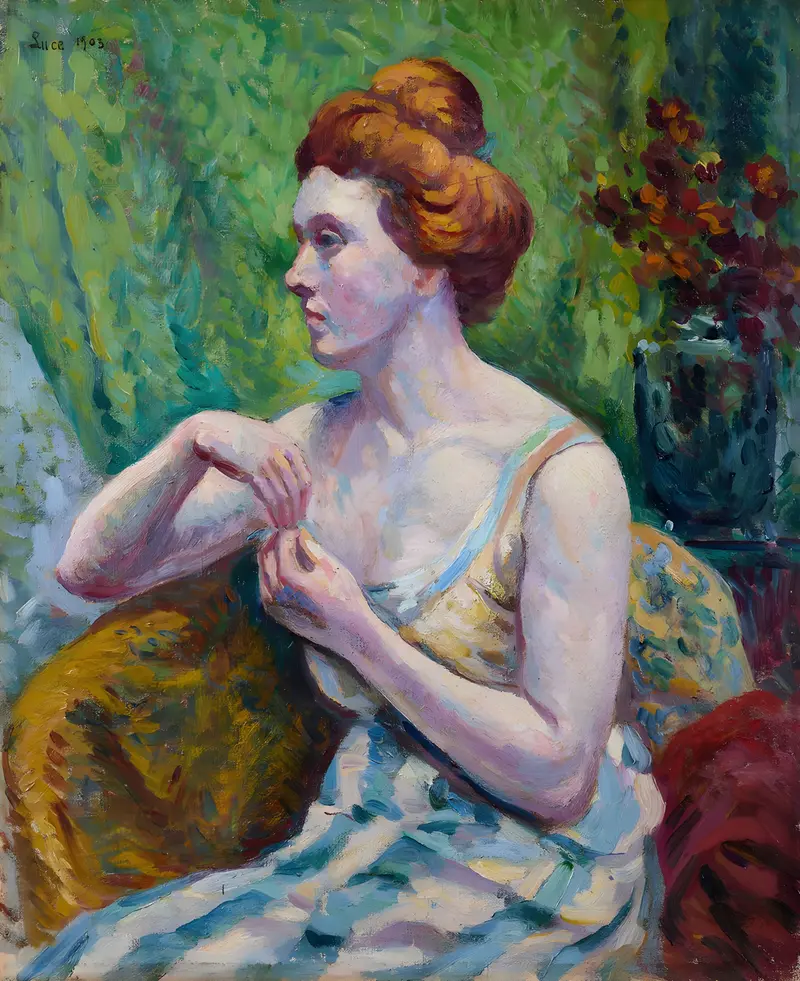
Portrait de femme
Maximilien Luce
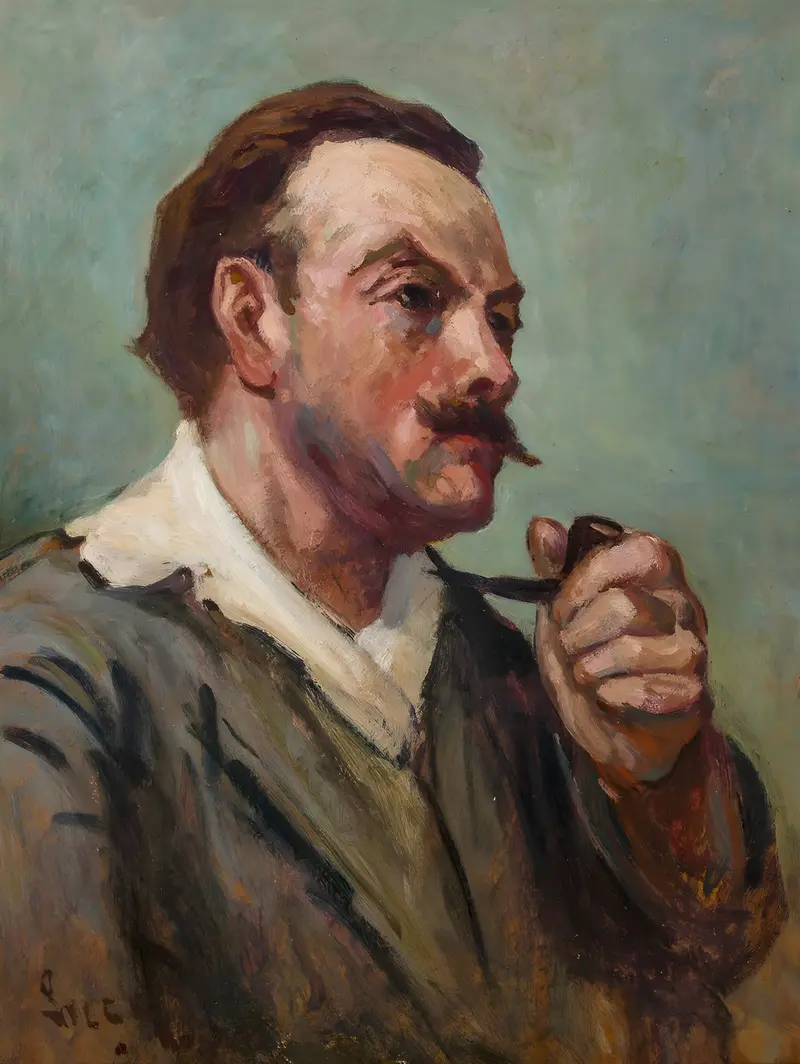
Portrait du Roger à la pipe
Maximilien Luce
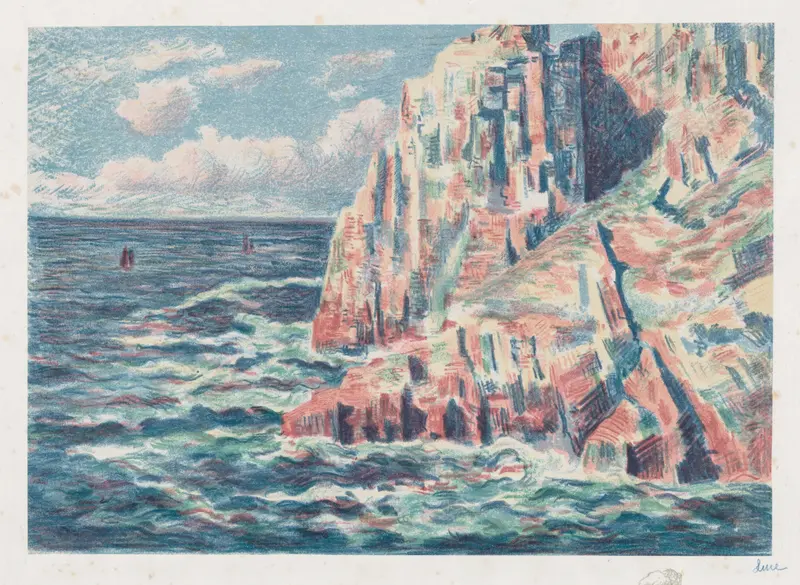
The Sea at Camaret, The Red Rocks
Maximilien Luce
More Genre Scene Art

Banquet of the Officers of the St George Civic Guard
Frans Hals

Rembrandt and Saskia in the Scene of the Prodigal Son
Rembrandt van Rijn

Bal du moulin de la Galette
Pierre-Auguste Renoir

Quadrille at the Moulin Rouge
Henri de Toulouse-Lautrec

A Burial at Ornans
Gustave Courbet

When Will You Marry?
Paul Gauguin