
Le ruisseau — History & Facts
Is this a mirror — or a memory? In Le ruisseau, beauty flows like the gentle stream depicted, inviting viewers to ponder the transient nature of light and life. Focus on the serene waters snaking through the canvas, reflecting a palette of soft greens and deep blues. Notice how the dappled light flickers across the surface, creating a dance of luminosity that captures the essence of the scene. The delicate brushwork and layered textures convey both movement and stillness, as if time has paused to allow nature’s beauty to breathe. Hidden within the tranquil landscape lies a contrast between the vivid vitality of the flora and the calm, reflective water.
The vibrant hues of the leaves and flowers suggest life’s exuberance, while the quiet water evokes introspection and peace. This interplay between the vibrant and the subdued emphasizes the duality of existence — beauty is both fleeting and eternal, as the stream carries memories yet remains unchanged in its course. In 1906, Harpignies painted this piece while residing in France, a time marked by a growing appreciation for naturalism and impressionism. His career was flourishing, reflecting the burgeoning movement that sought to capture the ephemeral moments of beauty in nature.
Amidst this artistic evolution, the work stands as a testament to the artist’s mastery of light and landscape, embodying the emotional resonance that nature imparts on the human experience.
More Artworks by Henri-Joseph Harpignies
Browse all →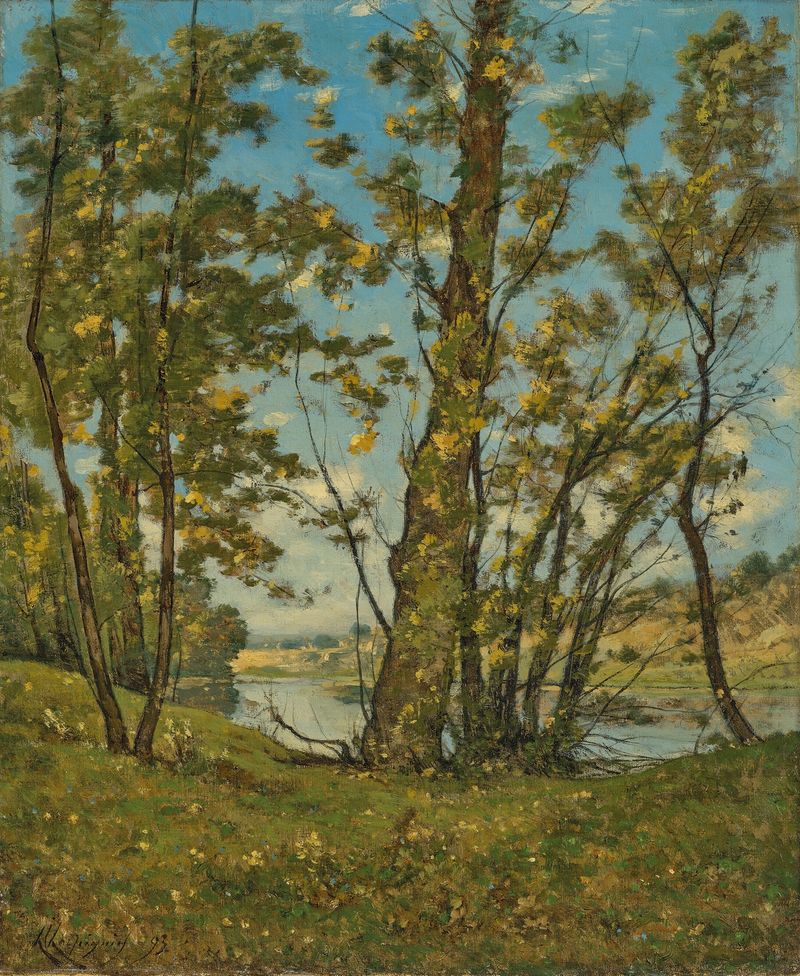
La Loire à Bonny
Henri-Joseph Harpignies
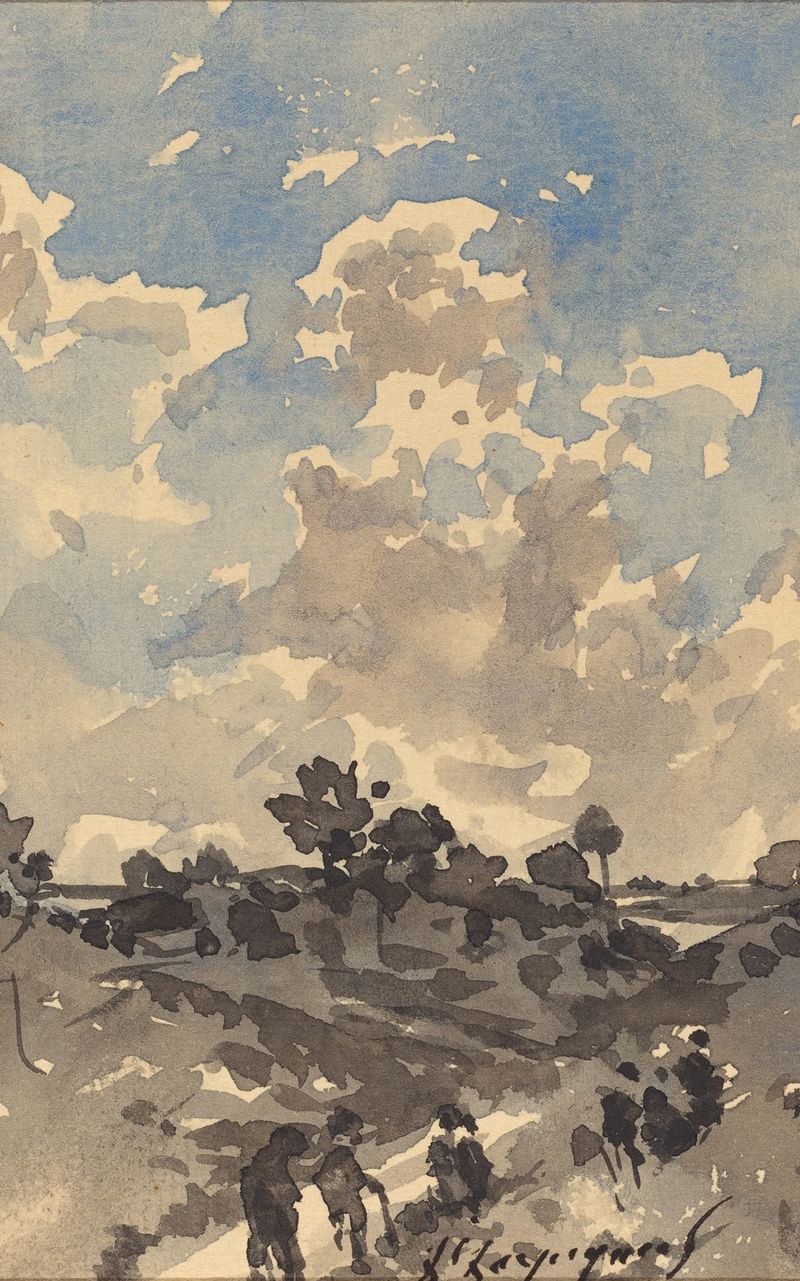
A Landscape with Figures Walking along a Path
Henri-Joseph Harpignies
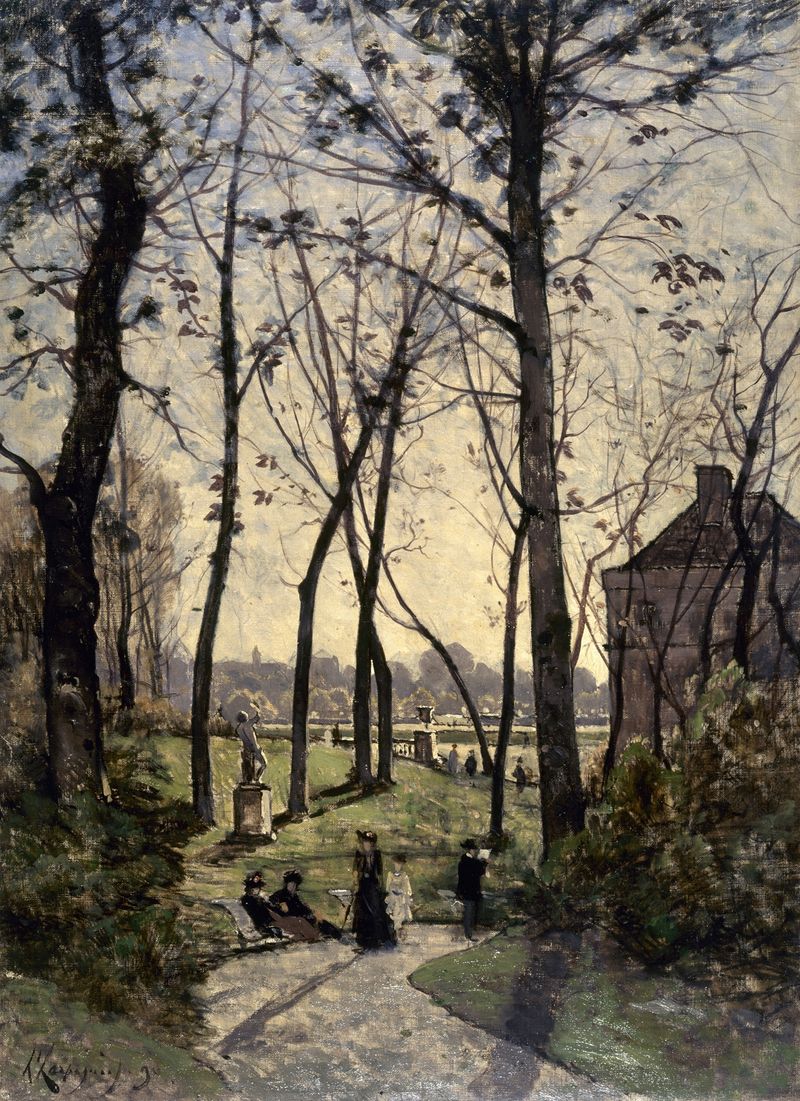
Le jardin du Luxembourg
Henri-Joseph Harpignies
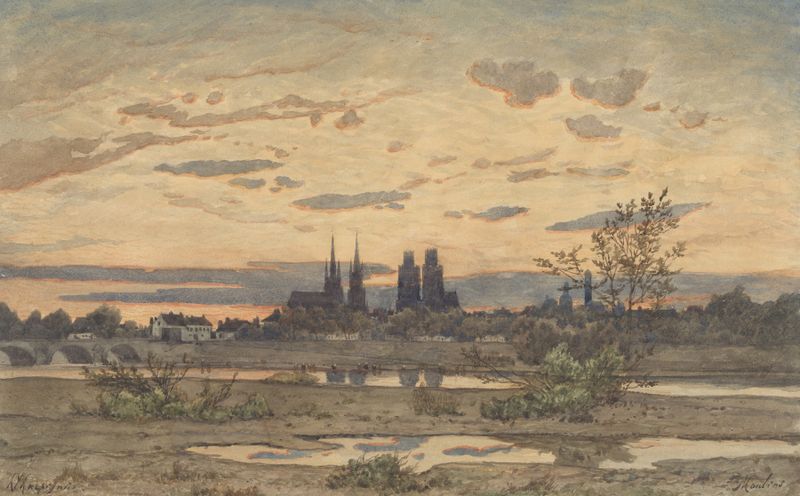
A View of Moulins
Henri-Joseph Harpignies
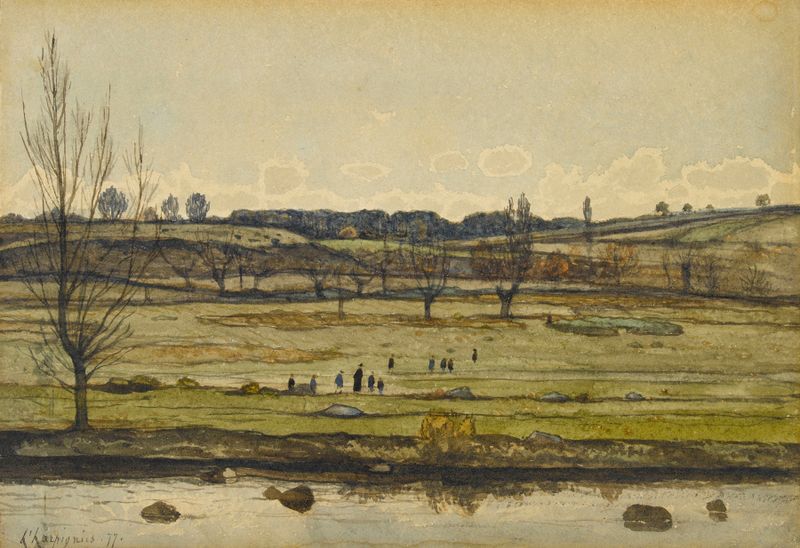
Paysage
Henri-Joseph Harpignies
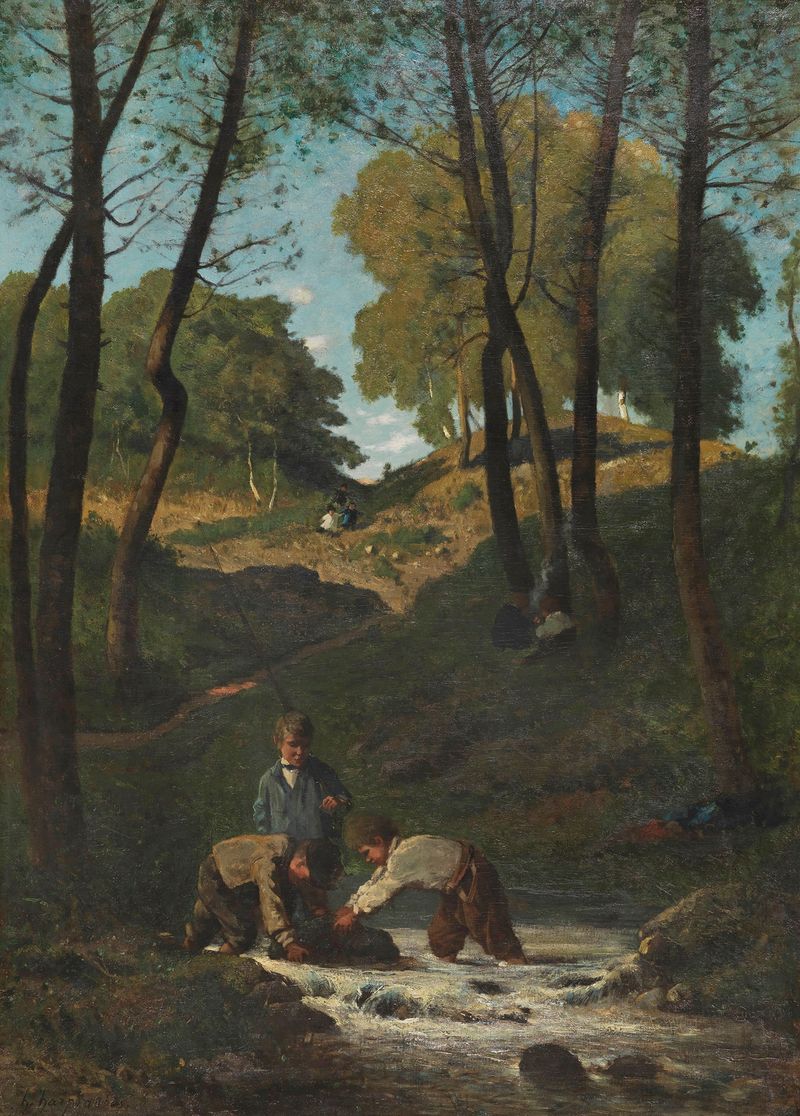
Chercheurs d’écrevisses
Henri-Joseph Harpignies
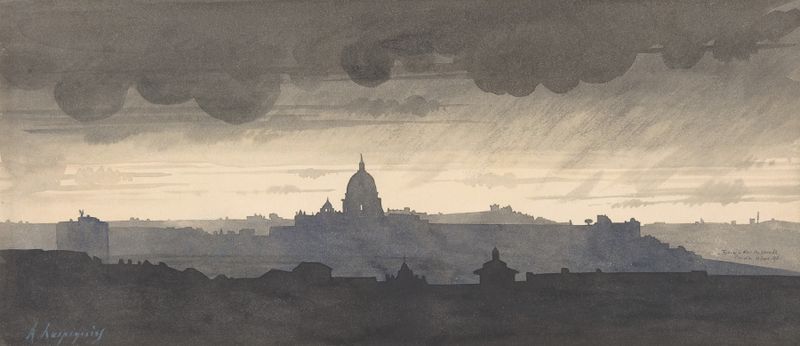
Saint Peter’s Seen From the Pincio, Rome
Henri-Joseph Harpignies
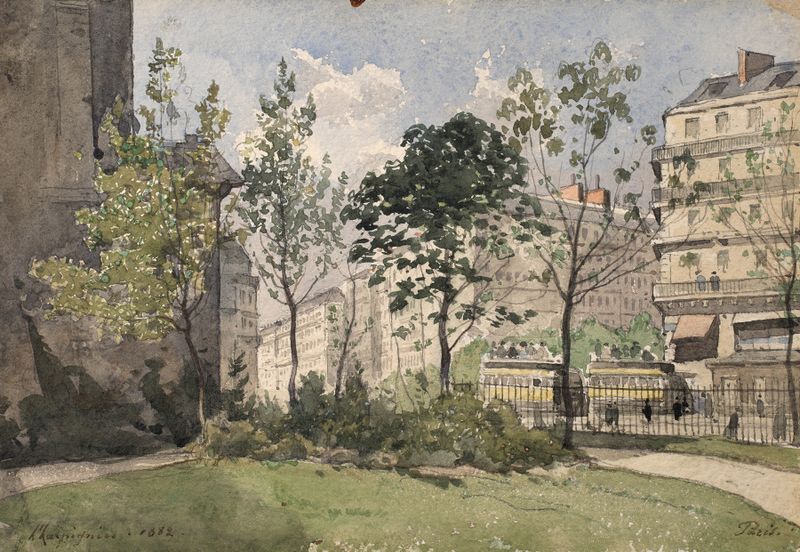
View of the forecourt of the Saint-Germain-des-Prés church
Henri-Joseph Harpignies
Le Colisée à Rome
Henri-Joseph Harpignies

Villefranche
Henri-Joseph Harpignies





