
Le ruisseau — History & Facts
Is this a mirror — or a memory? In Le ruisseau, the tranquil waters of a stream evoke an enchanting illusion, drawing viewers into a dreamlike reverie where nature whispers secrets and time seems to dissolve. Focus on the shimmering surface of the stream, where dappled light dances across the water, reflecting the lush greenery that surrounds it. Notice how Harpignies employs a delicate palette of greens and blues, creating a sense of harmony that envelops the viewer. The brushstrokes, both fluid and precise, invite you to explore the interplay between the crispness of the leaves above and the serene depths below.
It feels as if the scene is suspended in time, capturing a fleeting moment with breathtaking clarity. The painting contrasts the vibrant life above the water with the quiet, reflective nature of the stream, hinting at deeper themes of perception and memory. The movement of the water serves as a metaphor for the passage of time and the transience of experience, suggesting that what we see is often an illusion, layered with complexity. Each ripple and reflection holds an unspoken narrative, urging the observer to ponder the relationship between reality and the memories we create. Harpignies painted this work during the late 19th century, a time when Impressionism was gaining prominence.
Living in France, he was influenced by the natural landscapes around him and was part of the movement that sought to capture fleeting moments of beauty. His work reflects the evolving artistic dialogue of the period, as artists began to embrace the nuances of light and atmosphere, striving to convey the ephemeral quality of life itself.
More Artworks by Henri-Joseph Harpignies
Browse all →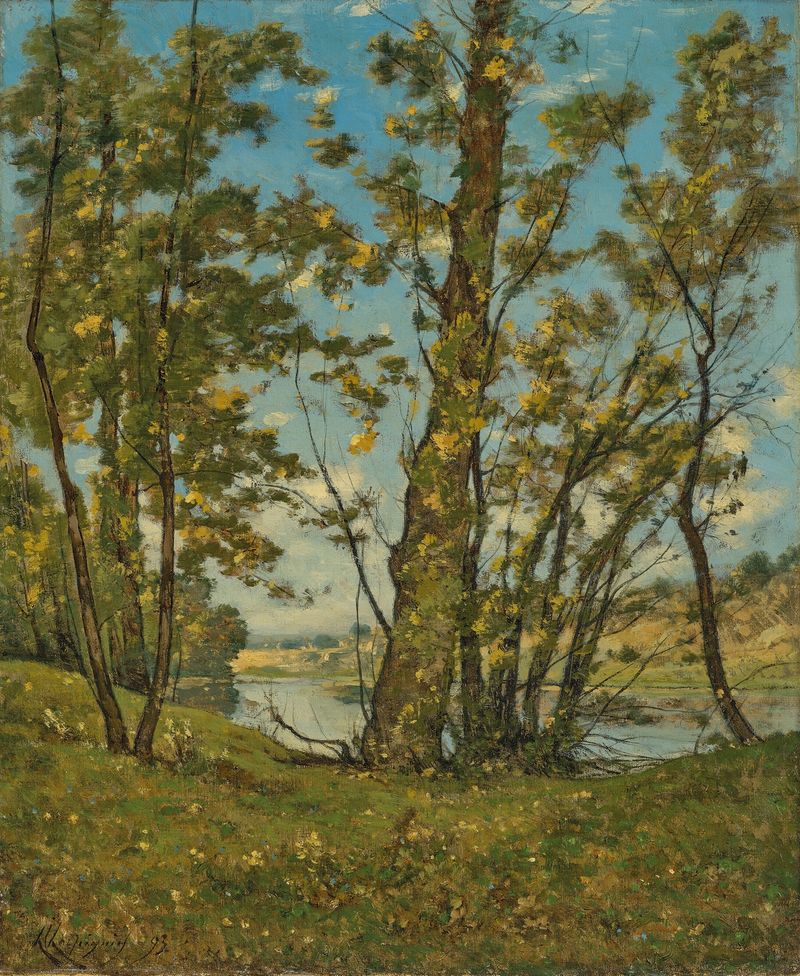
La Loire à Bonny
Henri-Joseph Harpignies
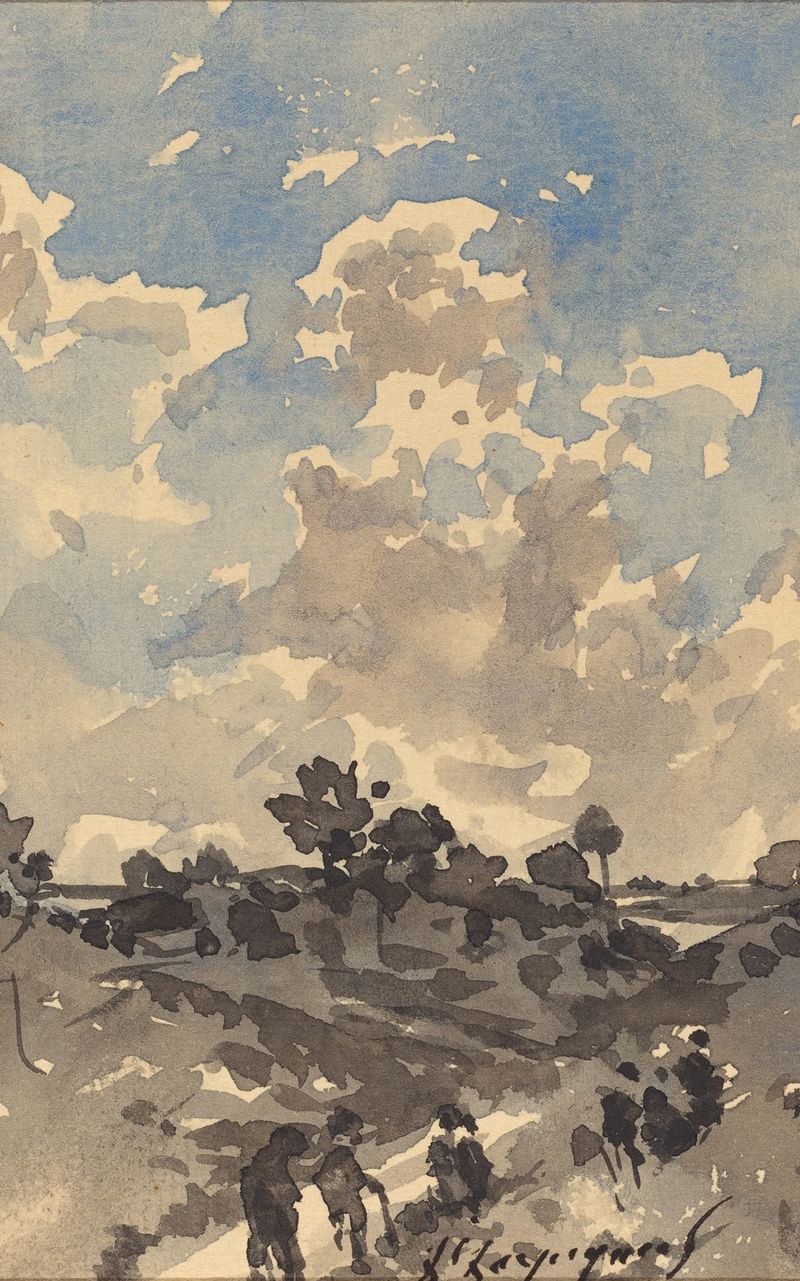
A Landscape with Figures Walking along a Path
Henri-Joseph Harpignies
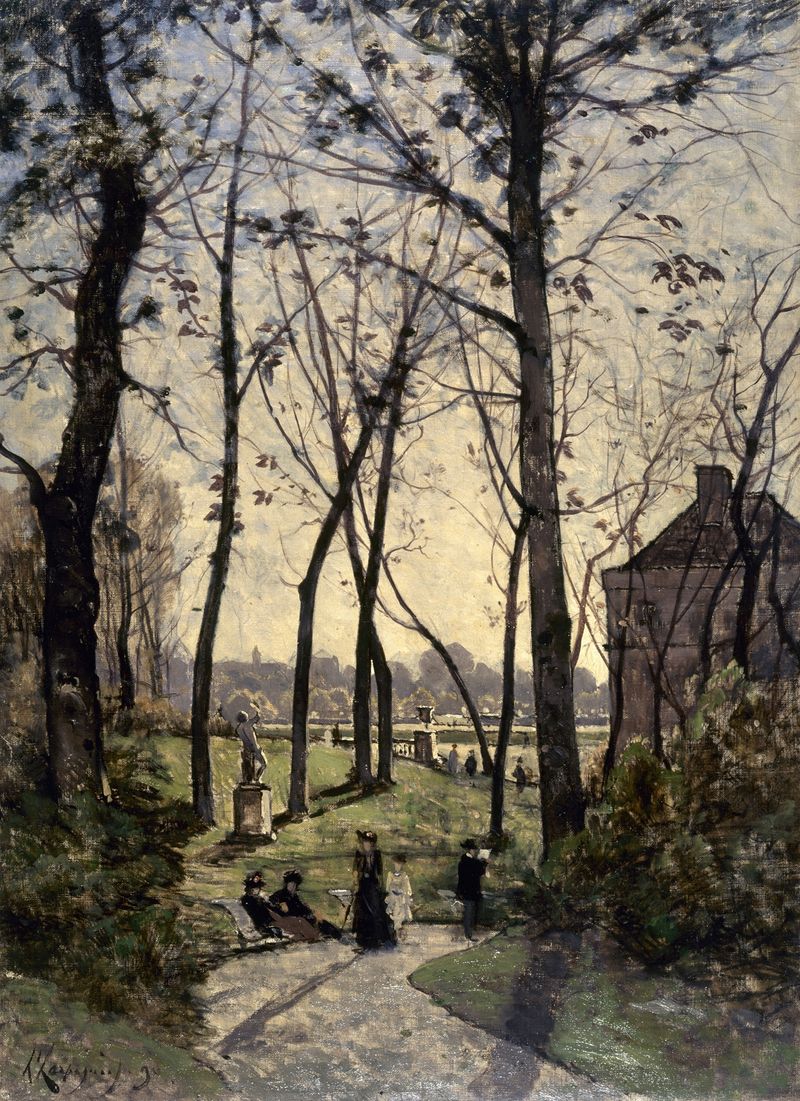
Le jardin du Luxembourg
Henri-Joseph Harpignies
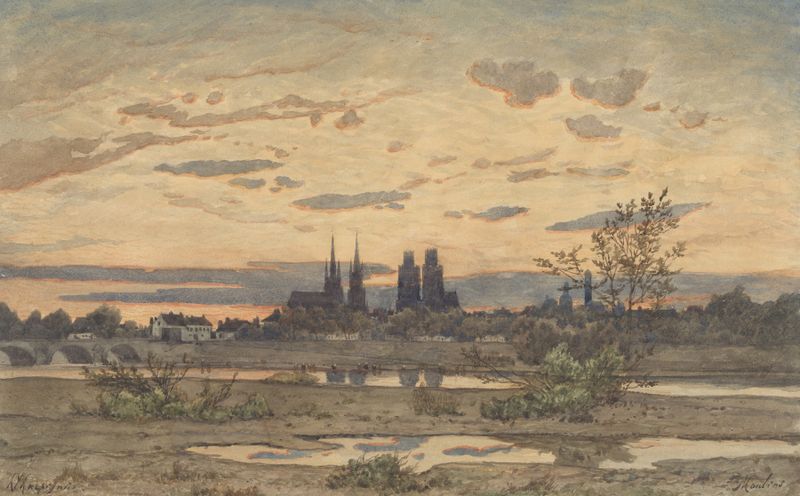
A View of Moulins
Henri-Joseph Harpignies
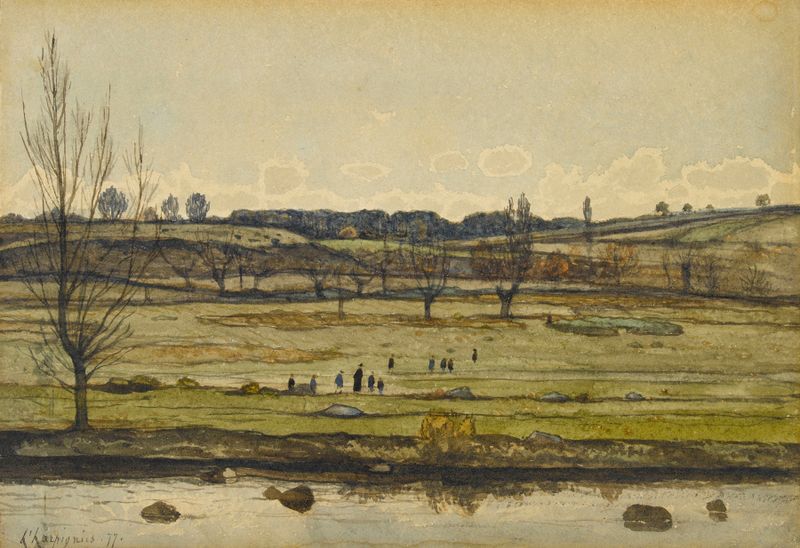
Paysage
Henri-Joseph Harpignies
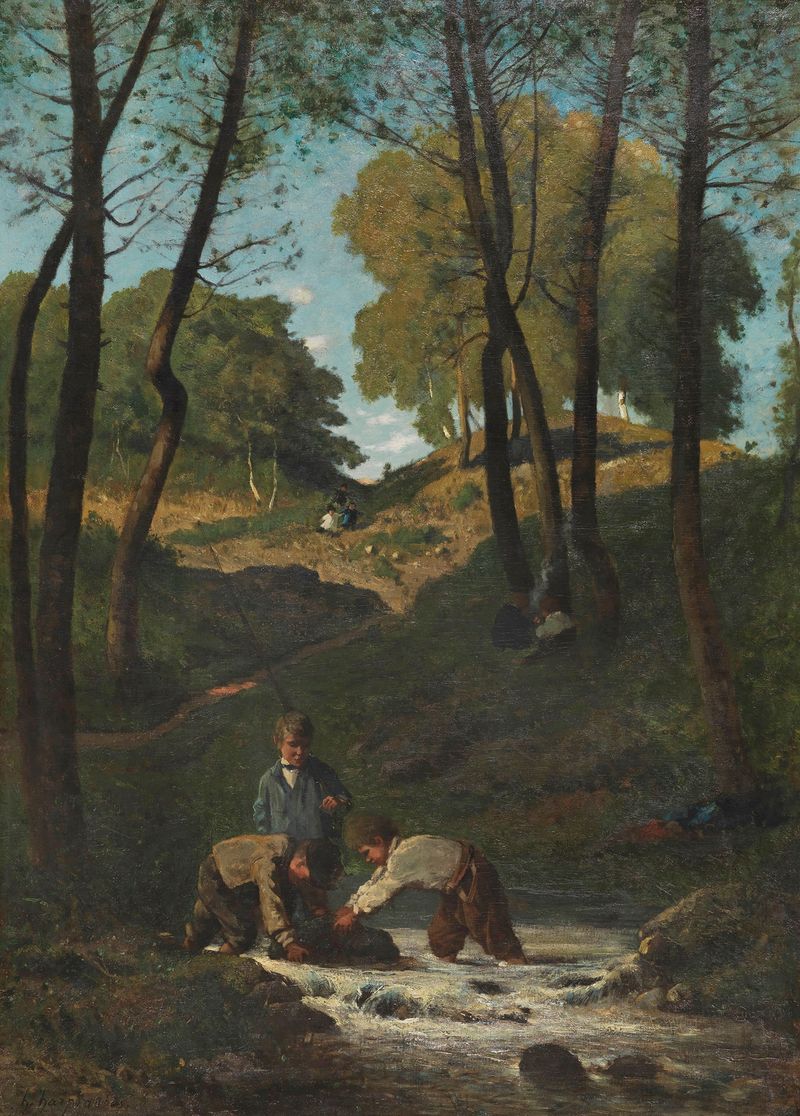
Chercheurs d’écrevisses
Henri-Joseph Harpignies
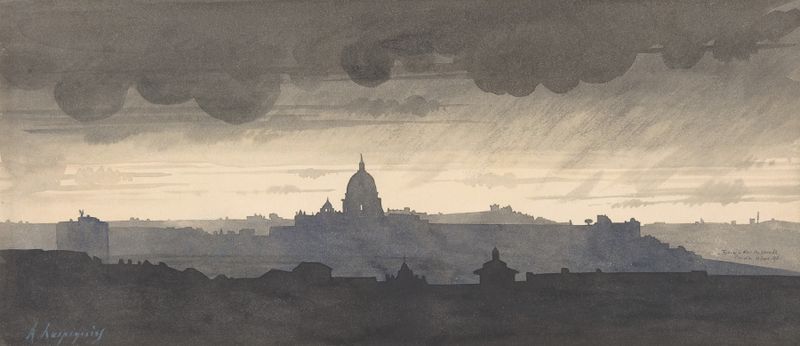
Saint Peter’s Seen From the Pincio, Rome
Henri-Joseph Harpignies
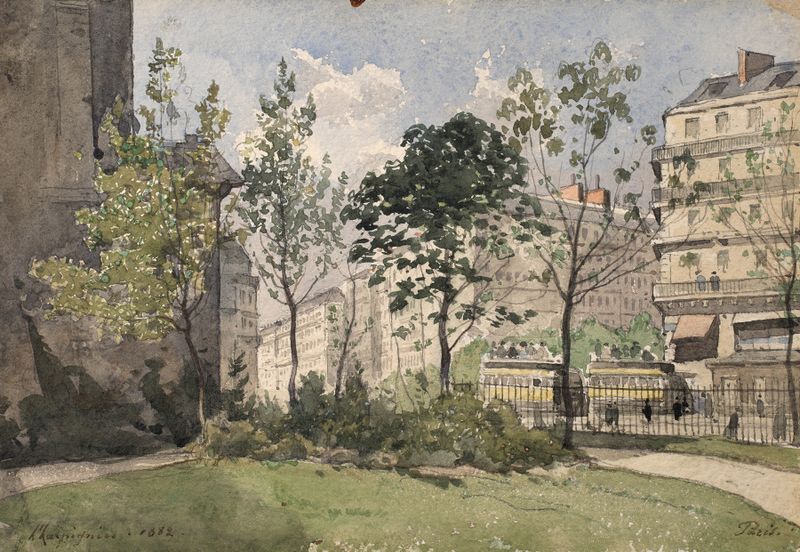
View of the forecourt of the Saint-Germain-des-Prés church
Henri-Joseph Harpignies
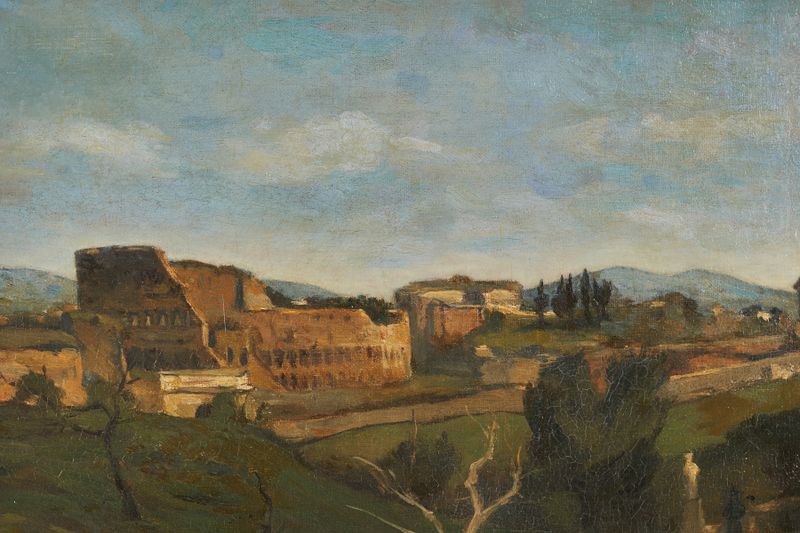
Le Colisée à Rome
Henri-Joseph Harpignies

Villefranche
Henri-Joseph Harpignies





