
Le théâtre antique de Taormina — History & Facts
In the vibrant chaos of life, there exists a realm where ecstasy meets equilibrium, a balance that resonates in the heart of the viewer. Focus on the sweeping lines of the ancient amphitheater, which dominate the composition, drawing your eyes to the crumbling stone and lush landscape that cradle it. Notice how Dufy employs a palette of sun-drenched hues—golden ochres and deep blues—to evoke the warmth of the Sicilian sun and the cool embrace of the Mediterranean sky. The strokes are alive, dancing across the canvas, suggesting movement and a sense of joyous urgency, as if the very air vibrates with the ghostly echoes of performances past. Peering deeper, one can find contrasts that amplify the emotional experience: the stark solidity of the amphitheater cuts against the fluidity of the surrounding nature, symbolizing the enduring power of art amidst the passage of time.
The lively splashes of color not only bring the scene to life but also hint at the vibrancy of the culture that thrived within those walls. It speaks to the momentary bursts of joy that echo through history, celebrating past events that once filled the air with laughter and applause. In 1923, Dufy created this work amidst a post-war Europe, grappling with the shadows of conflict yet yearning for revival through art. Living in Paris, he was influenced by the vibrant art scene and the quest for a new expression that embraced both joy and melancholy.
This painting, rich with color and vigor, encapsulates his desire to communicate ecstasy through visual language, reflecting the hope that emerged during those transformative years.
More Artworks by Raoul Dufy
Browse all →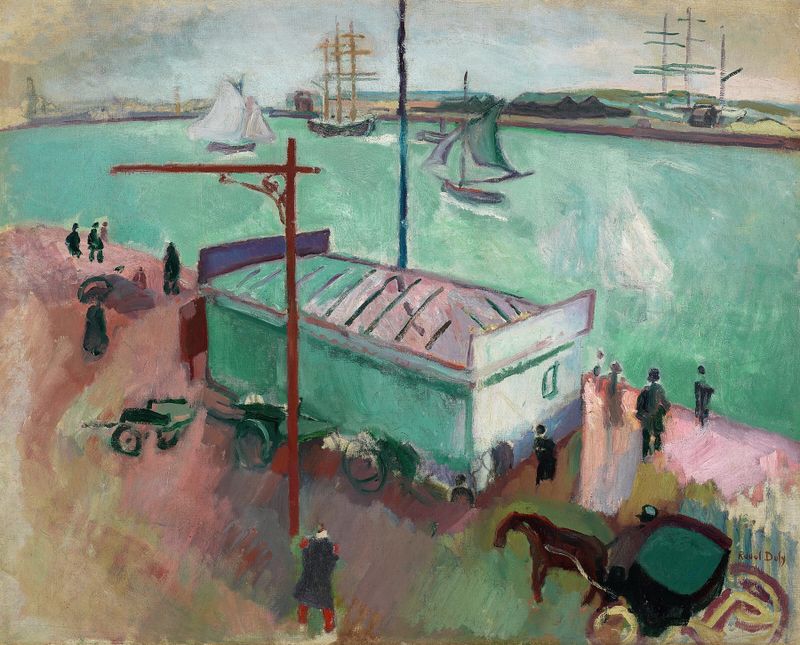
Le Port du Havre
Raoul Dufy
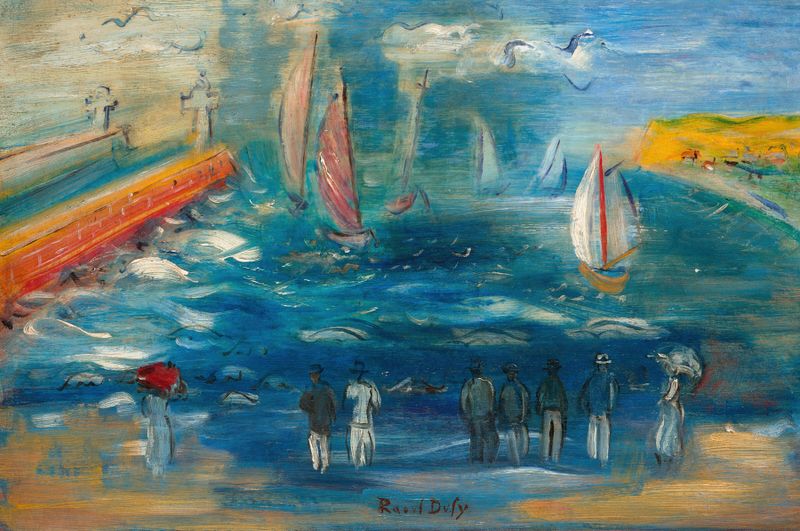
Départ des régates
Raoul Dufy

Les canotiers sur la Marne
Raoul Dufy
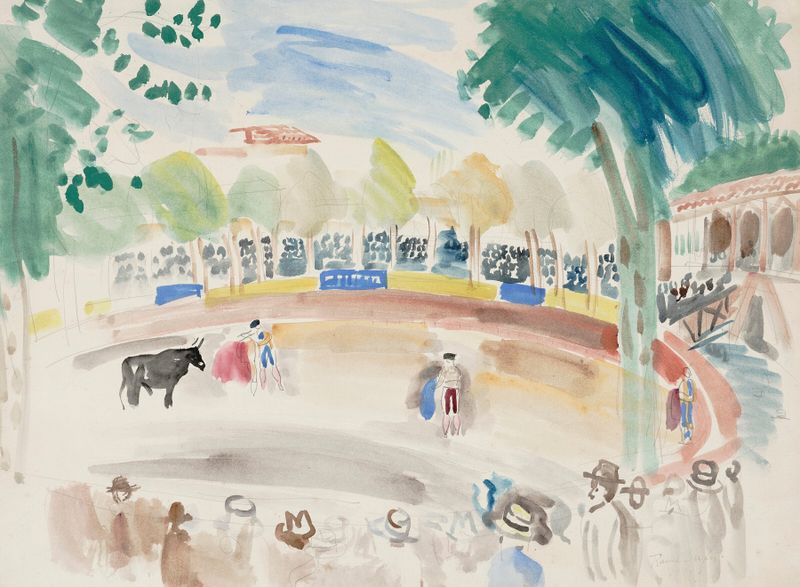
La corrida
Raoul Dufy

Composition au port et à la fontaine
Raoul Dufy
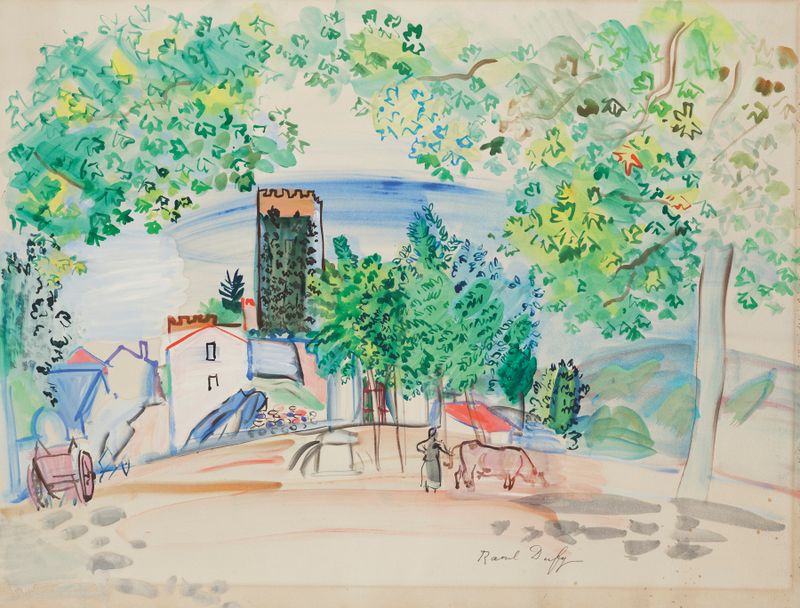
Vue de la Tour de Vernet-les-Bains
Raoul Dufy
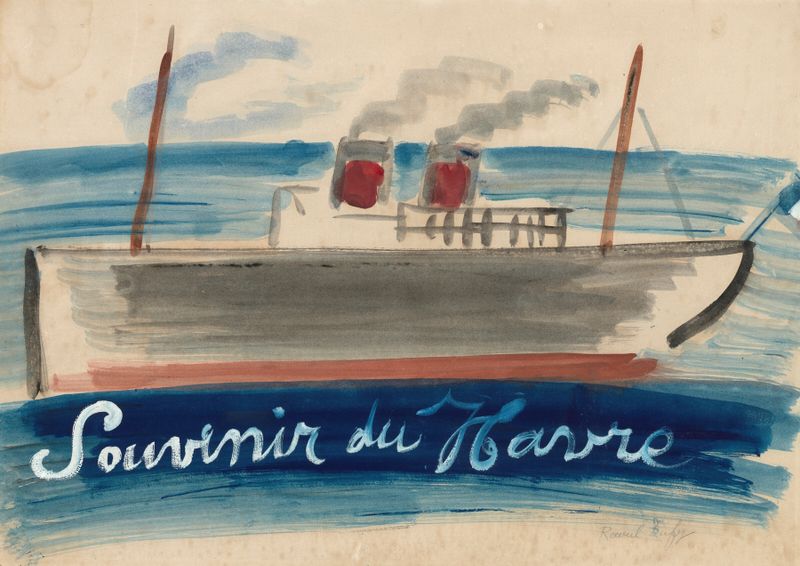
Souvenir du Havre
Raoul Dufy

Les Barques
Raoul Dufy
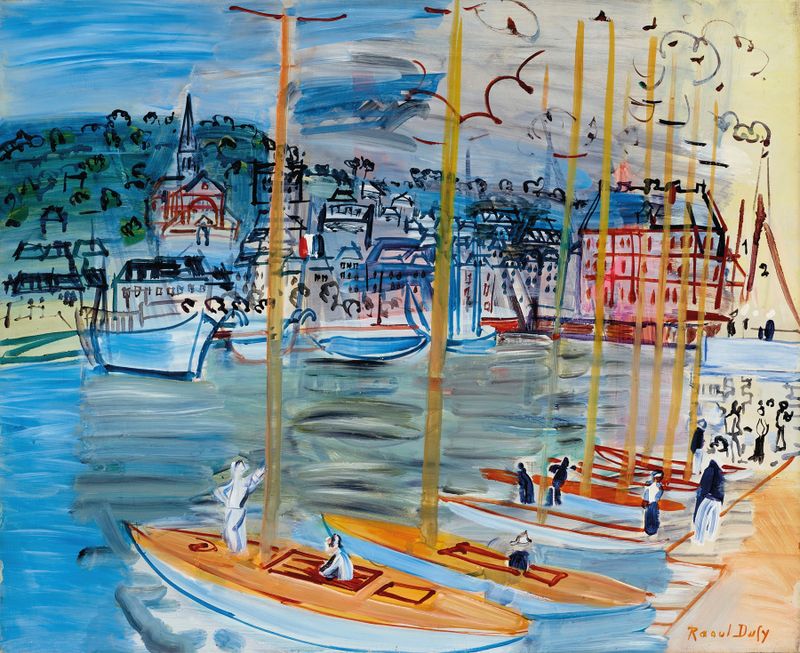
Le bassin de Deauville
Raoul Dufy

Régates à Deauville
Raoul Dufy
More Architecture Art
Browse all →
The statue of Liberty
Frédéric Auguste Bartholdi

View of Houses in Delft, Known as ‘The Little Street’
Johannes Vermeer

View of Houses in Delft, Known as ‘The Little Street’
Johannes Vermeer

The Cathedral in Rouen. The portal, Grey Weather
Claude Monet

The yellow house
Vincent van Gogh

The Church in Auvers-sur-Oise, View from the Chevet
Vincent van Gogh